



Home
|



Refund if not satisfied

Support Available

Privacy Confidentiality
© 2024 GuruCool.life. All rights reserved
Yash | Festivals
2023-10-20
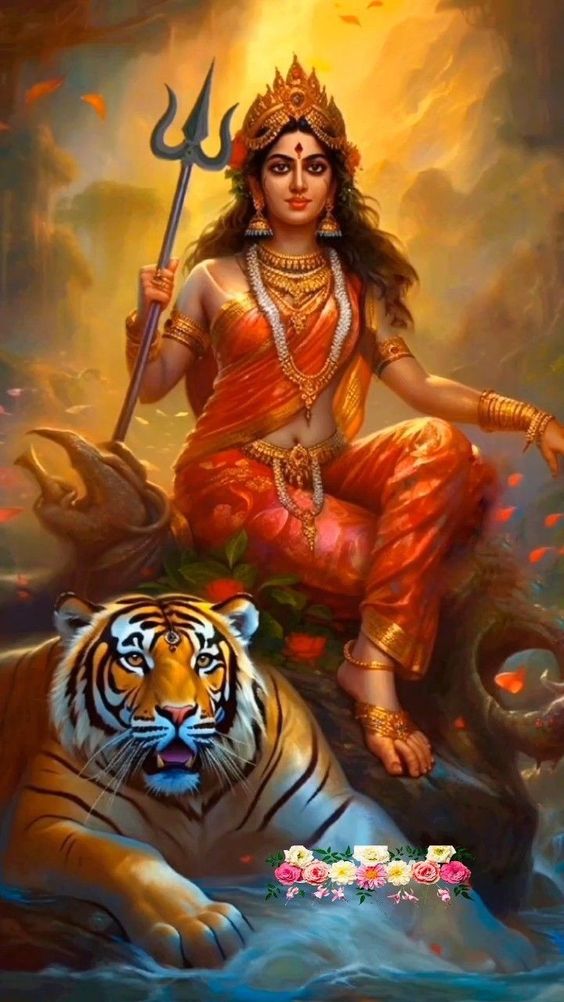
Navratri, a colorful and spiritually significant Hindu festival, is celebrated with great fervor and devotion throughout the country. Navratri, which lasts nine nights, commemorates Goddess Durga in her various forms, each representing different forces or shaktis. On the fifth day of Navratri, devotees pay respect to Maa Skandmata, the loving and protective embodiment of the heavenly mother. This day is a wonderful celebration of compassion, motherhood, and limitless love. During this auspicious period, worshippers perform elaborate ceremonies to invoke Maa Skandmata's blessings for fame, money, and happiness.
The festival is a cultural spectacle in which devotees dress in special colors and participate in numerous cultural events, dances, and music performances. In this article, we will cover the significance of Maa Skandmata, the date and tithi of Navratri Day 5, the auspicious color connected with this day, the puja vidhi (rituals) dedicated to Maa Skandmata, and the spirit of this heavenly event. Let us explore the beauty and devotion that define Navratri Day 5.
Maa Skandmata, the fifth form of Goddess Durga, is revered in Hindu culture. Her name is a combination of "Skanda," which means Lord Kartikeya, and "Mata," which means mother. She is Lord Kartikeya's loving mother, and her significance stems from her compassion, motherhood, and infinite love. Devotees believe that worshiping Maa Skandmata offers them fame, fortune, and success. She is frequently shown riding a lion, indicating her strength and protective attitude.
Maa Skandmata is significant not only as a mother but also as a protective emblem. She is believed to protect her devotees from danger and evil influences in the same way that a mother protects her child. Her blessings are sought for wisdom, power, and treasure. It is supposed that she can bestow oceans of wisdom on uneducated individuals. She is frequently connected with the color red, particularly with red flowers like roses.
In essence, Maa Skandmata is a manifestation of divine motherly love, and her devotion during Navratri serves as a reminder of the nurturing and protective aspects of the feminine divine.
Navratri, a nine-night holiday dedicated to Goddess Durga devotion, is widely observed. Devotees honor Goddess Skandmata, the fifth expression of Maa Durga, on the fifth day of Navratri. Because Navratri Day 5 follows the lunar calendar, the date and Tithi change each year. According to the Drik Panchang, this day happens on October 19th, 2023, commemorating the Chaturthi Tithi of Shardiya Navratri. This fortunate day begins with the Brahma Muhurta at 4:00 AM.
On this holy day, devotees offer prayers and perform rituals to obtain the blessings of Goddess Skandmata. Her significance extends beyond the day, as her supernatural presence is thought to provide happiness, prosperity, and protection to those who worship her with devotion. It is a day of significant spiritual significance in the Navratri celebration.
Each day of Navratri is connected with a different hue, and these colors are extremely important. The auspicious color on Navratri Day 5 is yellow. This brilliant color signifies the passion and energy of this day, which is dedicated to worshiping Goddess Skandmata. Yellow represents pleasure, optimism, and the sun's radiance. Wearing or adorning in yellow on this day is thought to connect with Skandmata's divine essence and seek her blessings.
To honor the goddess, devotees often wear yellow clothing, offer yellow flowers, and even decorate their homes with yellow touches. The color yellow depicts the vivid energy of Navratri and is a method to exhibit commitment and enthusiasm during this important event.
Devotees get a deeply spiritual and sincere experience when they perform Maa Skandmata's puja (rituals). Here is a step-by-step procedure for performing the puja vidhi:
Preparation: Begin by cleaning your home and the puja area. Ensure that it is tidy and well-lit. Gather the necessary items for the puja, including a picture or idol of Maa Skandmata, flowers, incense, a lamp, fruits, sweets, and water.
Sankalpa: Make a Sankalpa or a solemn vow to seek the blessings of Maa Skandmata. Offer flowers as a mark of respect and devotion.
Invoking Maa Skandmata: Chant the mantra associated with Maa Skandmata, which is "Om Devi Skandmatayai Namah." This mantra is a way to invoke her divine presence.
Offerings: Offer flowers, incense, and a lit lamp to the goddess. Present fruits and sweets as bhog (offerings) to her. It is believed that Maa Skandmata's blessings transform these offerings into prasad (blessed food).
Aarti: Conclude the puja by performing aarti, a ritual in which a lit lamp is moved in a circular motion in front of the goddess. Sing devotional songs and express your gratitude for her blessings.
Prayer: Finally, offer your heartfelt prayers to Maa Skandmata. Seek her guidance, protection, and blessings for yourself and your loved ones.
Distribution of Prasad: Distribute the blessed Prasad to family members and guests as a way to share Maa Skandmata's blessings.
Conclusion:-
Navratri Day 5 is devoted to Maa Skandmata, the maternal and protective form of Goddess Durga. Devotees worship her with tremendous devotion, seeking her blessings for fame, fortune, and prosperity. The date of this fortunate day varies each year according to the Hindu calendar, and it frequently falls on the Panchami tithi. The color linked to Navratri Day 5 is orange, which represents vitality and enthusiasm.
Maa Skandmata's puja vidhi entails cleaning and preparing a sacred area, summoning the goddess, making offerings, and showing devotion via prayers and aarti. This day offers an opportunity to connect with the divine feminine and feel the love and protection of a motherly figure.
Finally, Navratri Day 5 is a time of intense devotion and spirituality, and it serves as a reminder of the maternal care and benefits that Maa Skandmata bestows on her devotees. It is a day to welcome the energy of fresh beginnings and to honor the heavenly presence of the goddess.
Get Insights from Our Expert Astrologer
Get Insights from Our Expert Astrologer
Celebrate Ganesh Chaturthi 2026 with devotion. Learn about Ganpati puja, celebrations, Ganesh Visarjan, and enjoy popular Ganesh devotional ringtones.
Shiva Rudra Mantra
316 Downloads
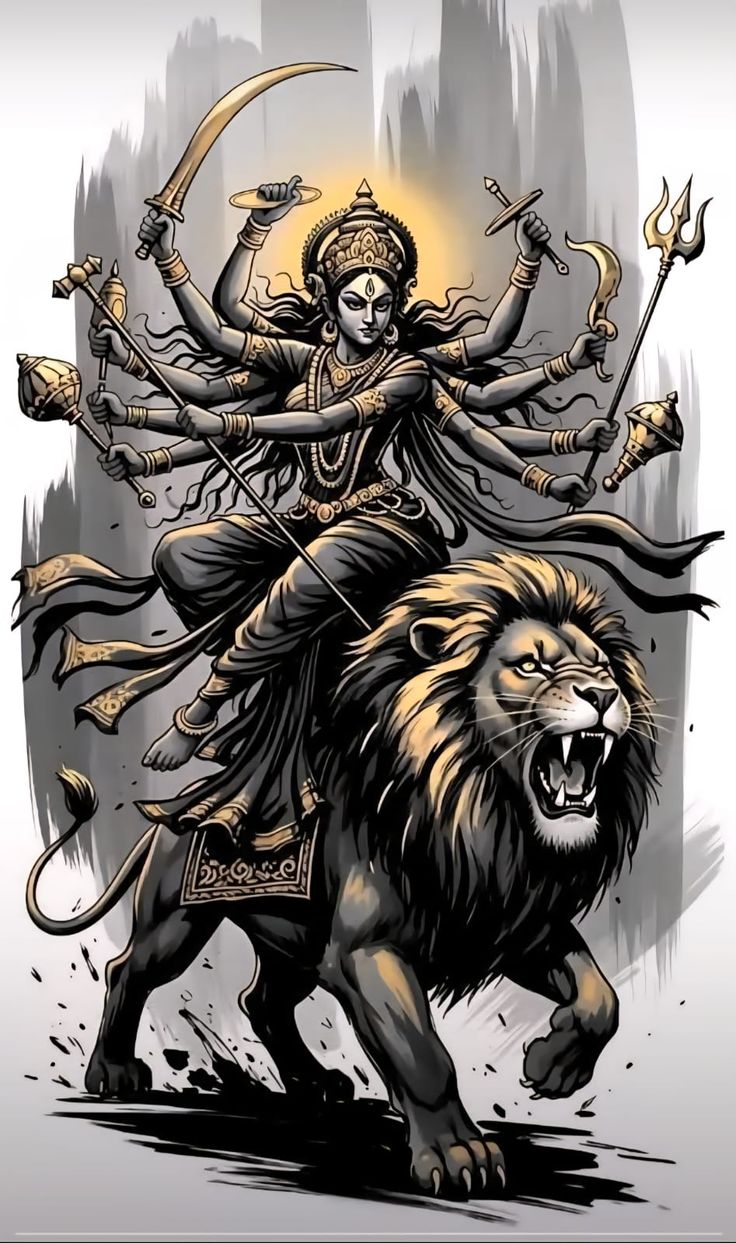
Jai Ambe Gauri
356 Downloads
Khatu Wala Shyam
341 Downloads
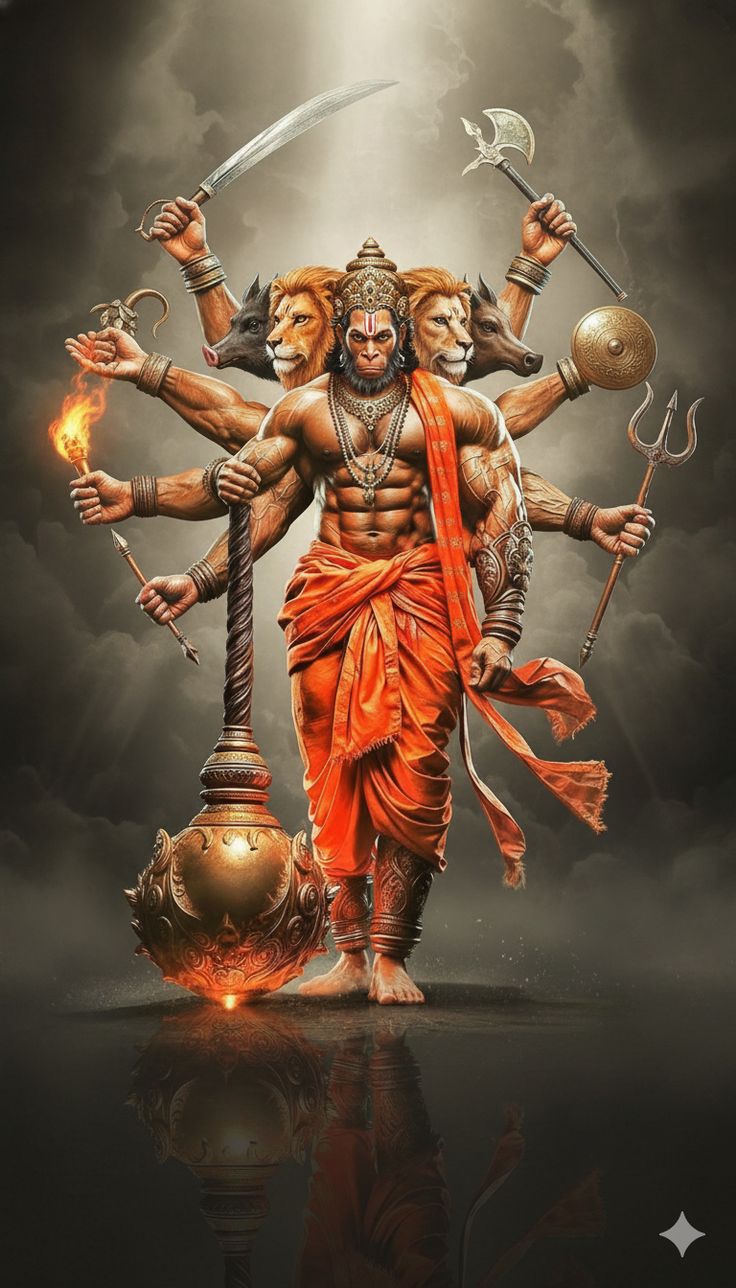
Gayatri Mantra Of Hanuman
354 Downloads
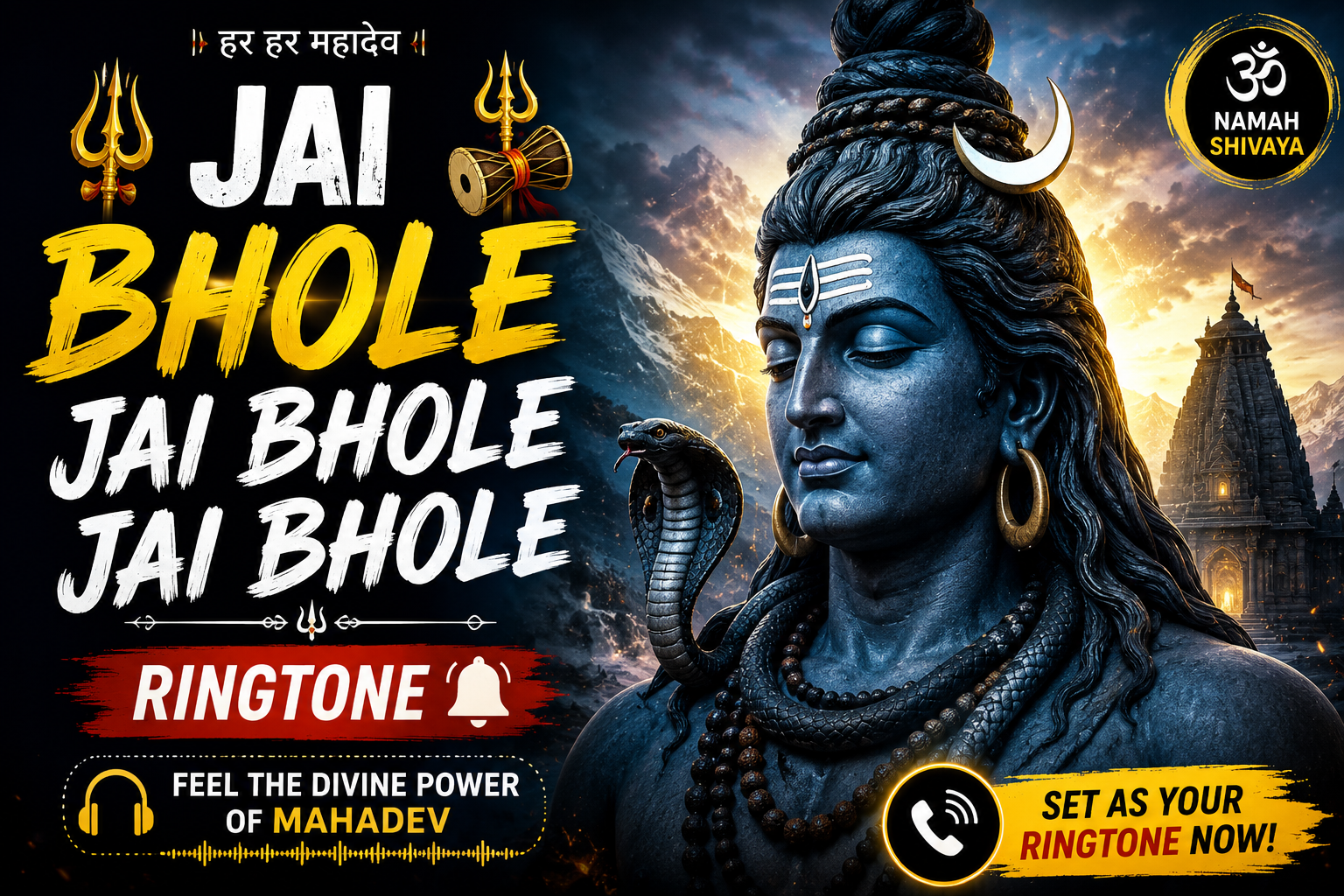
Jai Bhole Jai Bhole Ringtone | Mahadev Devotional Ringtone
391 Downloads
Barsane Wali Radha
381 Downloads
Shiva Nirguna Stotra
325 Downloads
Hanuman Lalla Ki Aarti
355 Downloads
Maa Durga Devotional Ringtone
358 Downloads
Kui Bhekawe
360 Downloads
Hanuman Chalisa
334 Downloads
Har Har Mahadev Ringtone | Powerful Shiv Devotional Ringtone 🔱
372 Downloads
Narayanaya Namo Namah
384 Downloads
Haare Ka Sahara
334 Downloads
Shiva Kirtan Ringtone | Powerful Shiv Devotional Ringtone
336 Downloads