A Festival of the Harvest: Lohri is celebrated at the time when the winter crops, especially wheat, are ready for harvest.
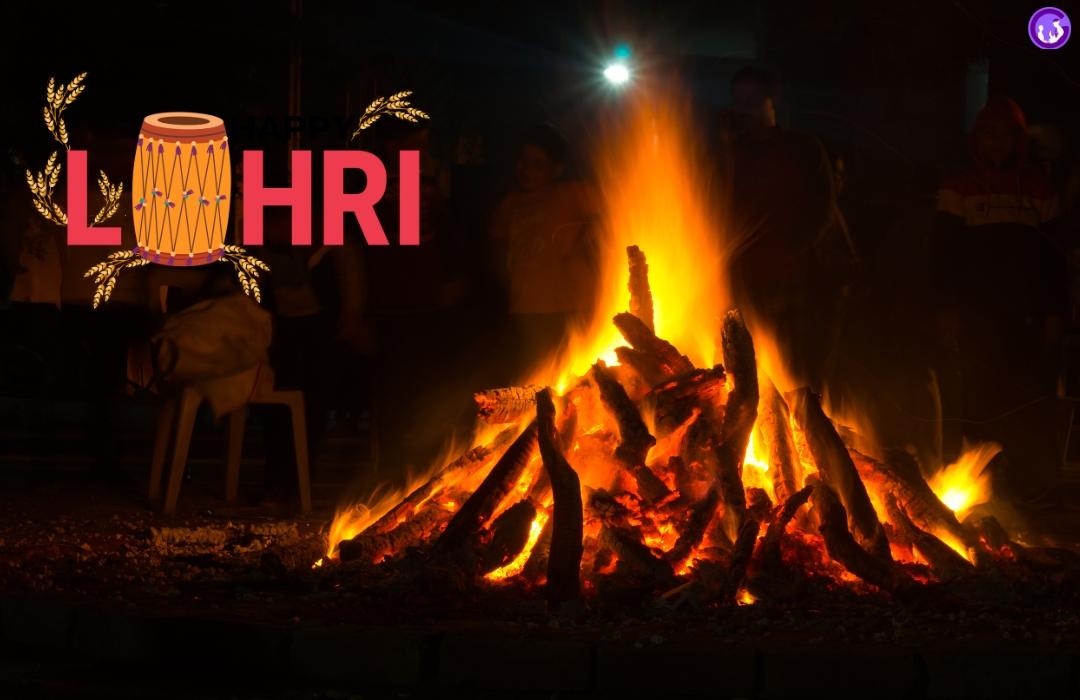
Fire as a Symbol of Renewal: The bonfire is considered sacred, symbolizing warmth, energy, and the burning of past troubles.
Dulla Bhatti’s Legacy: The folk hero Dulla Bhatti is honored through traditional Lohri songs, symbolizing his fight against injustice.
Lohri and Makar Sankranti: Lohri is closely linked to Makar Sankranti, which occurs the following day and marks the sun’s transition into Capricorn (Makar Rashi).
A Festival of Generosity: In villages, it is customary for children to go house to house singing Lohri songs and receiving sweets, jaggery, and money in return.
Details
Lohri transforms winter into spring each January 13 based on the solar calendar. People in Punjab, Haryana together with other northern states of India mark the event as their prominent celebration because it represents harvest achievements and the spirit of gratefulness towards nature.
The agricultural farming season plays a vital role in Lohri because it signifies the rabi crop harvest, particularly wheat. At this time of natural abundance farmers express gratitude to divine powers while sending prayers for plentiful harvests. The festival maintains cultural and historical relevance because the legend of Dulla Bhatti the Punjabi folk hero depicts his actions which rescued girls from slavery. Traditional Lohri songs continue to share the story about Dulla Bhatti thus preserving his status as a brave hero who fought for justice.
During the evening hours people from every family in the community join to form a large communal bonfire at the center of the celebration. The people thank and purify themselves by dropping sesame seeds (til), jaggery (gur), popcorn and rewri and peanuts into the fire. People view the fire flames as agents that remove negative elements then create opportunities for fresh starts.
The music combined with dance demonstrations makes Lohri the most thrilling event of all. The traditional Punjabi folk songs Sundar Mundriye accompany the Punjabi dance forms bhangra and gidda which people perform at this time. The festival brings both a chance to celebrate through traditional food such as makki di roti and sarson da saag, gajak, and til ladoos, which families share during celebrations.
During Lohri families celebrate their brand-new marriages and their newborn children because this event signifies their initial major family celebration. The festival remains a memorable celebration because people throw extraordinary feasts and conduct joyful exchanges of presents and create merry celebrations.