Ekadashi fast must be broken on Dwadashi Tithi after sunrise, avoiding the Hari Vasara period.
Parana should ideally be done during Pratahkal; Madhyahna timing is discouraged.
Parana within the correct time frame is essential for the fast’s spiritual benefits.
Proper Parana observance is said to cleanse sins and lead toward moksha.
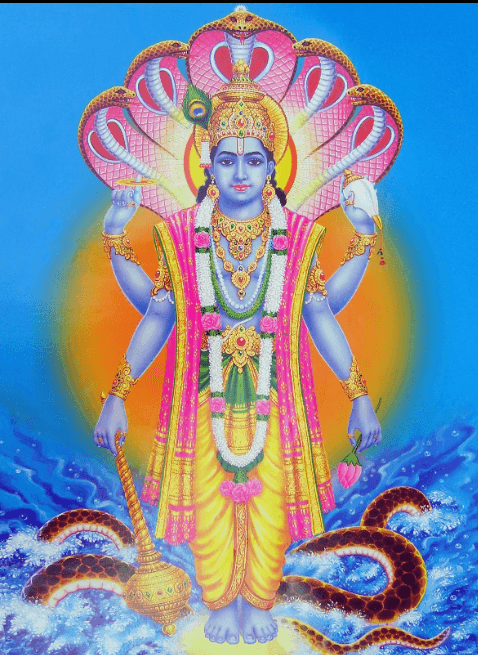
On Apara Ekadashi, devotees worship Lord Vishnu, especially in his Vamana Avatar, for divine grace.
Details
Ekadashi Parana refers to the ritual of breaking the Ekadashi fast, which is observed with devotion and discipline to please Lord Vishnu. It is performed on the following day of Ekadashi, specifically during the Dwadashi Tithi after sunrise. However, this sacred act must be done only after the period of Hari Vasara—considered inauspicious—has ended. Hari Vasara marks the first quarter of the Dwadashi Tithi. The most auspicious time to perform Parana is during Pratahkal (early morning), while Madhyahna (midday) should be avoided. If morning Parana is missed, one can break the fast after Madhyahna, ensuring it still falls within Dwadashi. Failure to perform Parana within Dwadashi Tithi is considered a spiritual transgression, nullifying the benefits of the fast.
In specific cases, Ekadashi fasting is prescribed on two consecutive days. For householders and those following Smartha traditions, fasting on the first day is recommended. The second day, which aligns with Vaishnava Ekadashi, is reserved for renunciates like sanyasis, widows, or those desiring liberation (moksha). Devotees seeking intense spiritual merit and divine love from Lord Vishnu may choose to fast on both days. The practice of Parana and the fast itself are deeply intertwined with devotion, discipline, and adherence to Vedic timings. Observing Parana correctly is believed to bring spiritual purity, removal of sins, and blessings from Lord Vishnu, especially when performed with faith and proper timing as per the scriptures.