


Refund if not satisfied

Support Available

Privacy Confidentiality
© 2024 GuruCool.life. All rights reserved
Categories
Parvati Maa, a revered figure in Hinduism, represents the embodiment of strength, femininity, and compassion. Widely worshipped, she is admired for her nurturing qualities and considered a symbol of resilience.
Devotees across diverse communities express their reverence for Parvati Maa, recognizing her as a source of inspiration for women and a beacon of unwavering support in familial roles. The persona of Parvati Maa resonates beyond religious boundaries, serving as a cultural icon symbolizing the harmonious coexistence of power and compassion. Her timeless appeal extends to various aspects of life, making her a revered figure representing the balance of strength and compassion in the tapestry of human existence.
Parvati Maa, a revered figure in Hinduism, represents the embodiment of strength, femininity, and compassion. Widely worshipped, she is admired for her nurturing qualities and considered a symbol of resilience.
Devotees across diverse communities express their reverence for Parvati Maa, recognizing her as a source of inspiration for women and a beacon of unwavering support in familial roles. The persona of Parvati Maa resonates beyond religious boundaries, serving as a cultural icon symbolizing the harmonious coexistence of power and compassion. Her timeless appeal extends to various aspects of life, making her a revered figure representing the balance of strength and compassion in the tapestry of human existence.
Parvati Maa is revered as the divine consort of Lord Shiva, forming a powerful and harmonious cosmic union. Their union symbolizes the balance between the masculine and feminine energies in the universe.
Parvati's devotion and penance to attain Lord Shiva as her husband serve as a symbol of unwavering love and dedication in Hindu mythology. Devotees often look to her as an inspiration for their own spiritual journeys.
Parvati Maa is worshipped in various forms, each representing different aspects of the divine feminine. As Durga, she is a fierce warrior goddess, while as Uma or Gauri, she embodies the nurturing and gentle qualities.
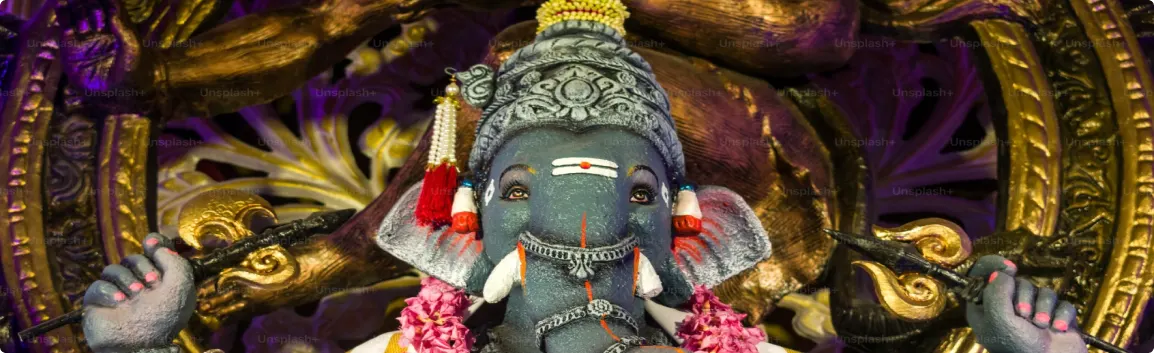
Parvati is celebrated as the mother of Kartikeya and Ganesha, two prominent deities in Hinduism. Her role as a mother highlights the nurturing and protective aspects of the divine feminine.
Parvati Maa is considered the goddess of love and marital bliss. Married women often seek her blessings for a happy and harmonious married life.
Parvati is identified with Shakti, the primal cosmic energy that animates all life. She is the embodiment of creative energy and is often associated with the transformative power of feminine strength.
Parvati's long and arduous penance to win Lord Shiva's love is seen as a testament to patience and determination. Devotees turn to her for strength and resilience in the face of challenges.
Parvati Maa is worshipped during the festival of Navratri, a nine-night celebration dedicated to the divine feminine. Each night is dedicated to different forms of the goddess, including Parvati.
Parvati Maa's influence extends beyond religious rituals to cultural expressions such as art, music, and dance. Her stories are a source of inspiration in various art forms.
Parvati is believed to be the eternal consort of Lord Shiva, signifying their timeless and inseparable connection. Their union is considered an archetype of divine love and partnership.