








Exploring the Cosmos: Vedic Astrology, Indian Astrology, Jyotish, and Hindu Astrologers
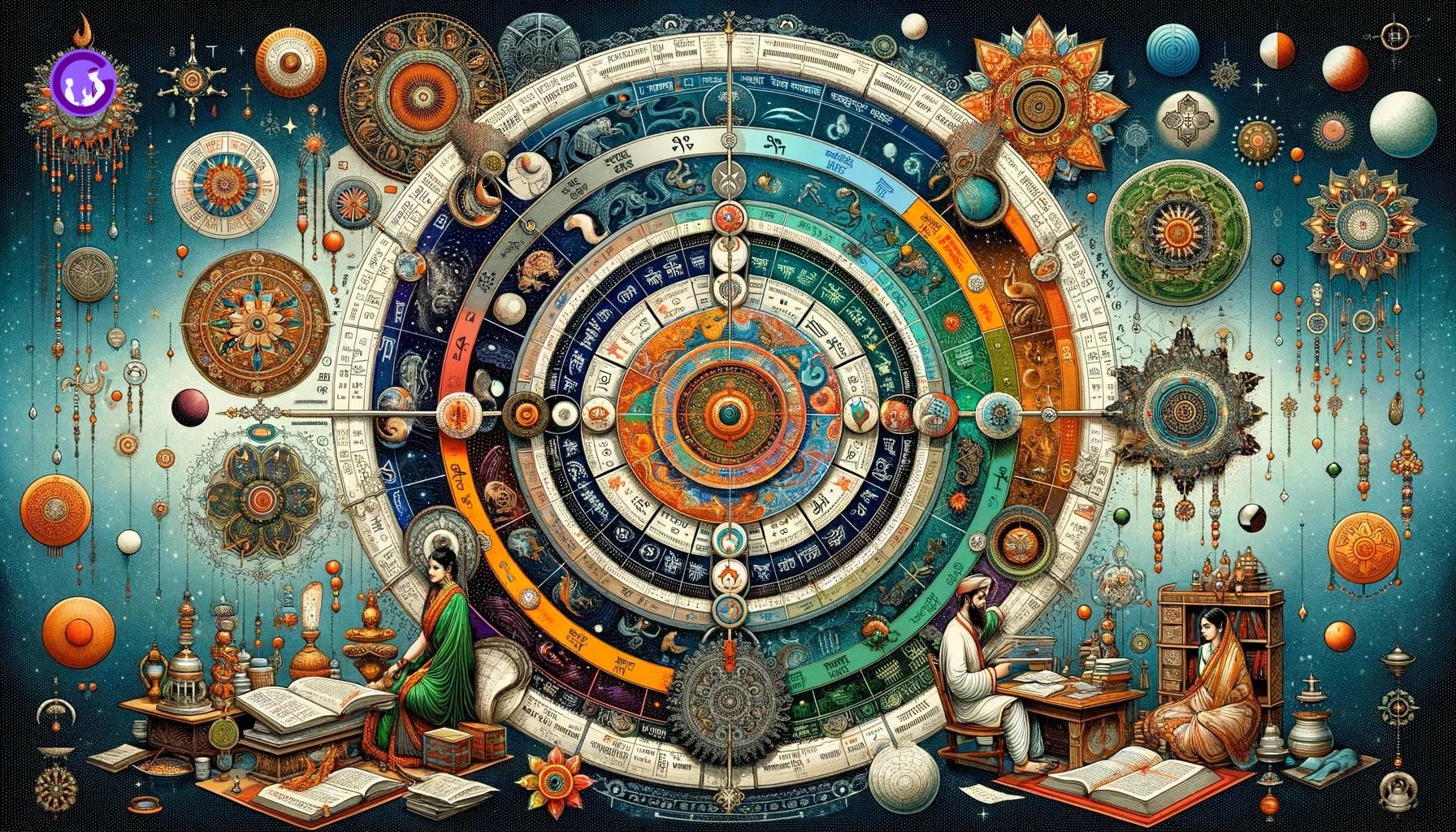
The terms "Vedic astrology", "Indian astrology", "astrologers", and "Hindu astrologers" are often seen to be used interchangeably, but perhaps with differences or contexts a it is tricky there to use but basically it all refers to the same ancient system of astrology that originated from the Indian subcontinent. Take a closer look at each post here to understand their nuances:
Vedic Astrology
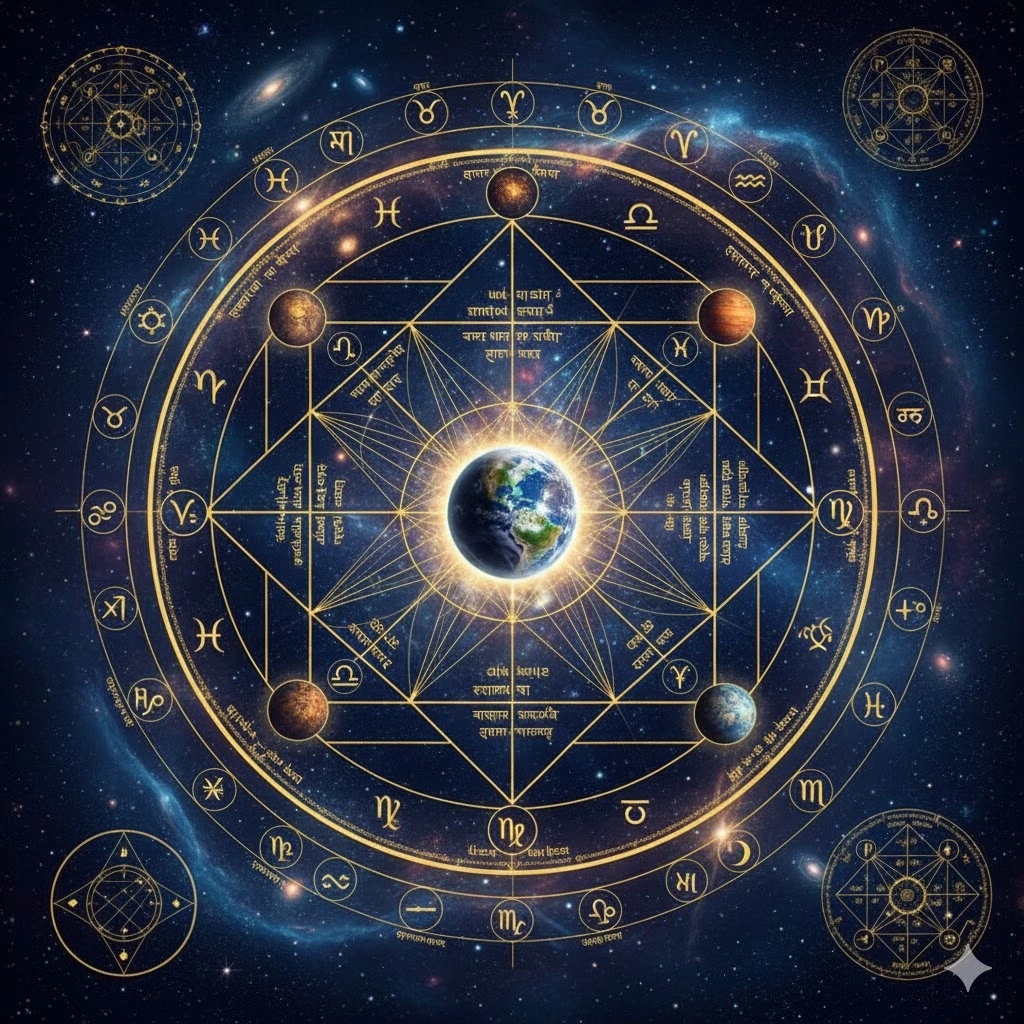
Vedic astrology is a term commonly used in the western world to refer to the ancient Indian astrological system. It is called "Vedic" because it is believed to be derived from the Vedas, the ancient spiritual texts of India. This term emphasizes the connection between the spirit and philosophical basis of Hinduism and the Vedic tradition.
It uses astronomy based on the true position of the stars as opposed to the tropical astronomy used in Western astronomy which corresponds to terrestrial times
Indian Astrology
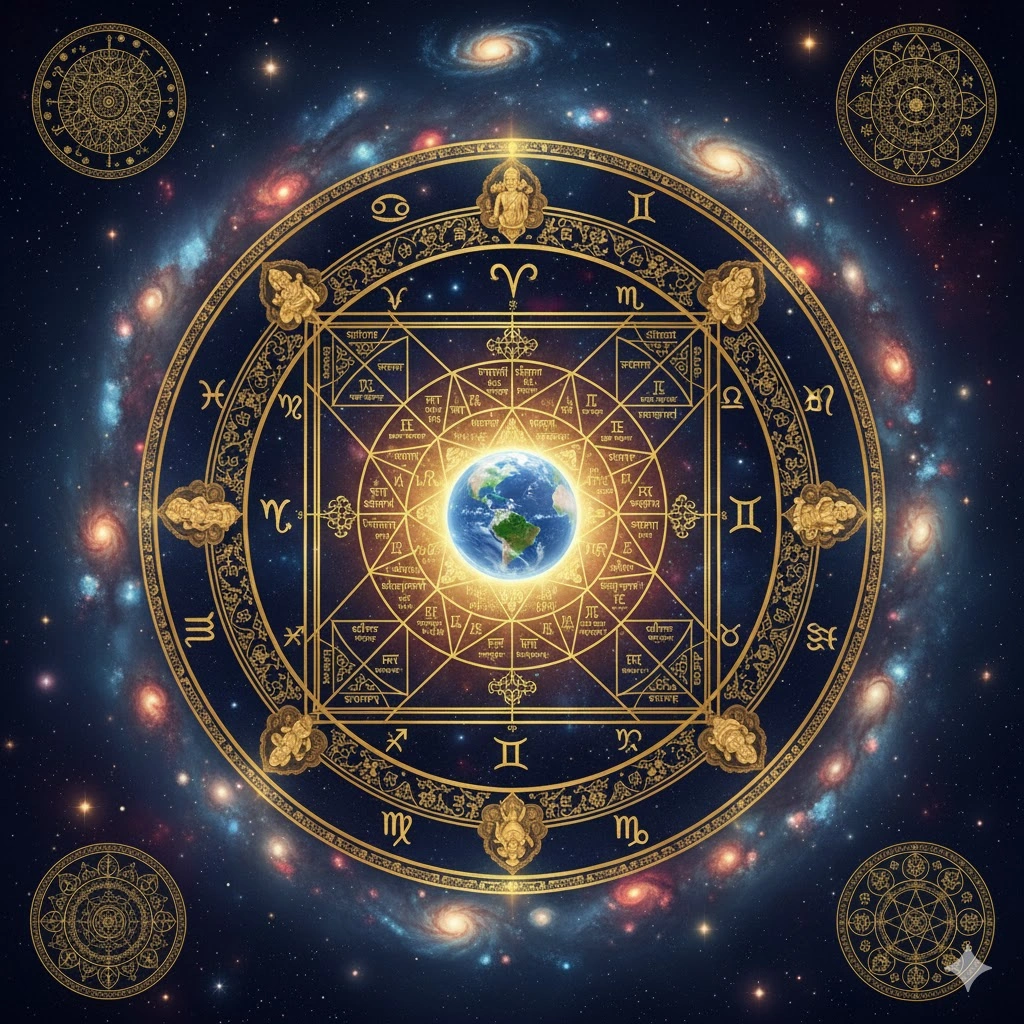
Indian astrology is a broad term referring to astrological systems from the Indian subcontinent. Though it primarily includes the system known as astrology, it may also include other regional and cultural astrological variations practiced within India.
This term is more geographical, focusing on nationality rather than the foundation of a particular philosophical religion.
Jyotish
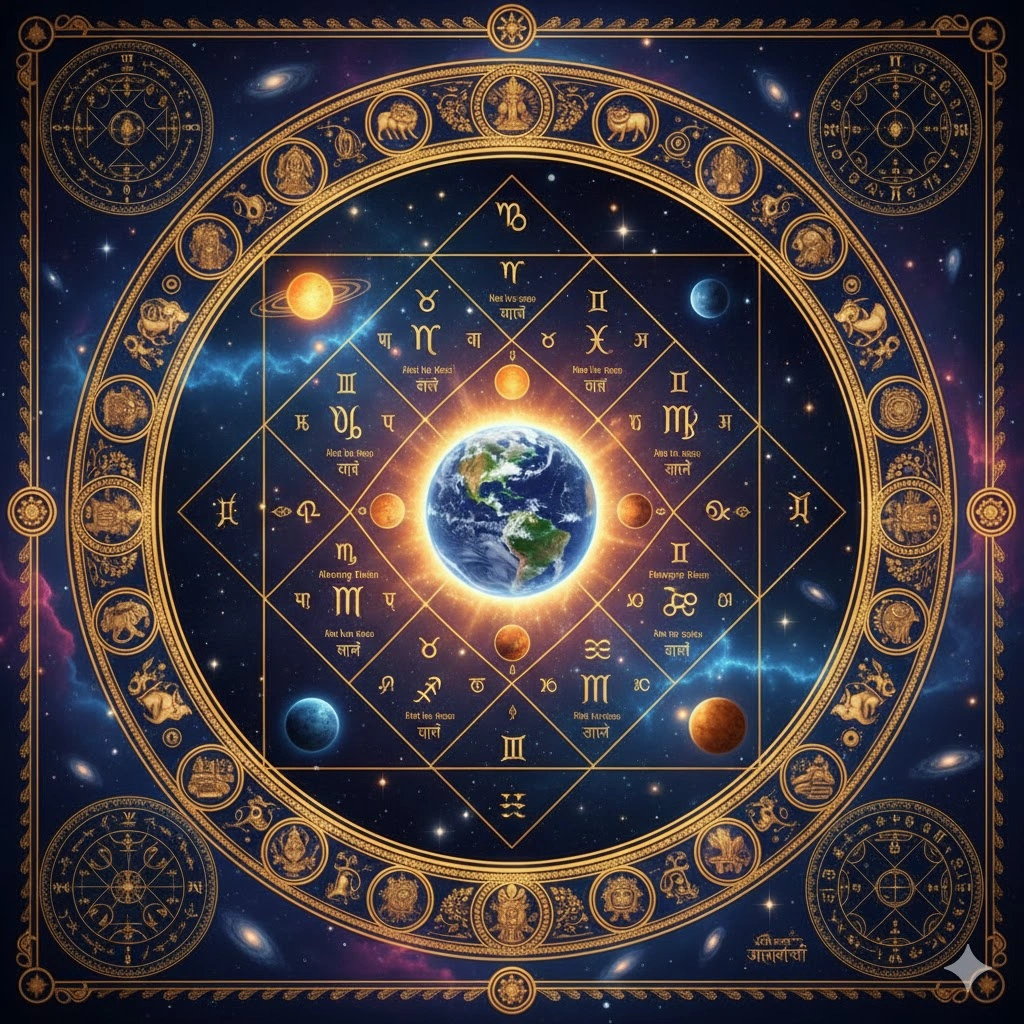
Jyotish is the traditional Hindu system of astrology, also known as "Jyotisha" or "Jyotishya." The word "Jyotish" translates to "science of light," referring to the celestial bodies.
It is considered one of the six ancillary sciences (Vedangas) that support the Vedas. Jyotish is divided into three main branches: Siddhanta (Astronomy), Samhita (Mundane astrology), and Hora (Predictive astrology).
Jyotish uses a complex system of dashas (planetary periods), yogas (planetary combinations), and a detailed analysis of the horoscope based on the time and place of birth, including the use of the sidereal zodiac.
Astrology, literally translated as "the science of the eye" in Sanskrit, is a traditional Hindu astrological system. It is the term used in the Indian subcontinent for what is commonly known as Vedic astrology in the West.
Astrology includes many branches such as hora (astrological prediction), muhurta (astrological selection), samhita (cosmic astrology), and is closely related to Hindu philosophical concepts
Detailed mathematical calculations are used to predict events based on the placement of the celestial bodies in birth and personality analysis.
Hindu astrologer

Hindu astrologers are astrologers. The term emphasizes the religious or spiritual context in which these astrologers operate, as their practices are often closely related to the overall context of Hindu rituals, beliefs and culture
Hindu astrologers can also incorporate various techniques such as gemstones, mantras and rituals into their practice to minimize or enhance the influence of celestial bodies
Specifically, although these terms can sometimes be used interchangeably due to their closely related meanings, "Vedic astrology" and "Jyotish" refer to astrology the system used directly and in accordance with the principles of classical Indian writing. "Indian astrology" is a broad term referring to practice geographically within India, which can include astrological traditions beyond astrology "Hindu astrologers" refers to practitioners of this tradition specifically, emphasizing their cultural and religious context.