



Home
|

Consult about
Horoscope
Wallpapers
Ringtones
Services
Company
Help
Payments


Refund if not satisfied

Support Available

Privacy Confidentiality
© 2024 GuruCool.life. All rights reserved
Yash | Festivals
2023-10-20
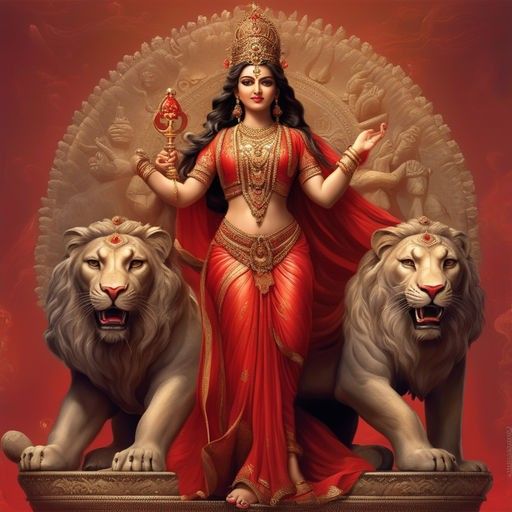
Navratri, a lively and spiritually significant Hindu festival, lasts nine nights and ten days. During Navratri, a distinct form of the goddess Durga is adored each day, each representing a different facet of her divine power. On Navratri Day 4, the devotional focus is on Maa Kushmanda. In this article, we will delve into the essence of Navratri Day 4, understand the significance of Maa Kushmanda, learn about the auspicious color associated with it, learn about the Puja Vidhi (rituals) dedicated to Maa Kushmanda, and conclude with a reflection on the profound spiritual importance that Navratri holds for millions of devotees.
This festival brings people together in prayer, reverence, and revelry as they seek the blessings and grace of the Goddess, marking a significant point in the Hindu calendar. Let us begin on a quest to discover the holy mysteries of Navratri Day 4 and comprehend the tremendous significance it carries for the faithful.
Maa Kushmanda is the fourth form of Goddess Durga and is respected for her distinct traits. Her name is a combination of two words: "Ku," which means "a little," and "Ushma," which means "warmth" or "energy." Maa Kushmanda is said to bring warmth, energy, and light to the universe. Her importance stems from her divine smile's ability to create and sustain the planet. She is frequently shown with eight hands, holding various weapons and symbols that signify her power and grace.
Maa Kushmanda is considered the creator of the universe. It is believed that when there was darkness all around, she smiled, and her radiant smile created the universe, dispelling the cosmic gloom. Therefore, she is often associated with the sun and is believed to provide the energy that sustains life on Earth. Devotees seek her blessings to gain vitality, strength, and inner light.
Maa Kushmanda is connected with health and healing, in addition to her creative and life-sustaining qualities. She is considered the source of good health and is prayed to for the well-being of herself and her loved ones. Her blessings are sought to overcome ailments and maintain bodily and emotional well-being.
The Date and Tithi of Navratri Day 4:-
Navratri Day 4, which falls on October 18, 2023, is a significant date in this nine-day Hindu celebration. On this day, devotees pay respect to Maa Kushmanda, one of the manifestations of Goddess Durga. To comprehend the date and Tithi, it is necessary to realize that Navratri is celebrated twice a year: in the Chaitra (spring) season and the Sharad (autumn) season. It falls during Sharad Navratri in this case. The Tithi, Chaturthi, represents the fourth day of the lunar calendar during Navratri. It is a watershed moment in this spiritual journey.
The day is culturally and religiously significant, guiding believers in their worship and ceremonies. People fast, perform puja (prayer), and devote themselves to Maa Kushmanda at this time. It is a moment of solidarity, faith, and spiritual reflection when devotees gather to worship the holy energy represented by the goddess. The date and Tithi are important markers in the Navratri calendar, indicating this day's spiritual significance.
Orange is the lucky color for Navratri Day 4. This brilliant color represents the celestial presence of Goddess Kushmanda, the focus of devotion on this day. Orange is more than a color; it represents joy and radiance. As a gesture of respect for the goddess, devotees wear orange clothing and decorate their houses and temples with orange flowers and decorations.
Color is important in Hindu traditions for reasons other than aesthetics. The color orange is said to embody Goddess Kushmanda's talents and attributes, such as her ability to promote happiness and optimism. It symbolizes the divine light and warmth she offers to the universe, which dispels gloom and despair. Devotees aspire to absorb the spiritual energy and blessings of Maa Kushmanda as they immerse themselves in this joyous color, hoping to fill their lives with happiness and well-being.
This color custom during Navratri develops a sense of oneness and spirituality among the worshipers as they collectively honor the divine feminine energy and ask for the goddess' blessings. It's a reminder of the power of colors in molding our emotions and spirituality since each day of Navratri is connected with a distinct color that symbolizes the traits of the deity being worshiped.
Performing the Puja Vidhi for Maa Kushmanda involves several rituals and steps to invoke her divine presence and seek her blessings.
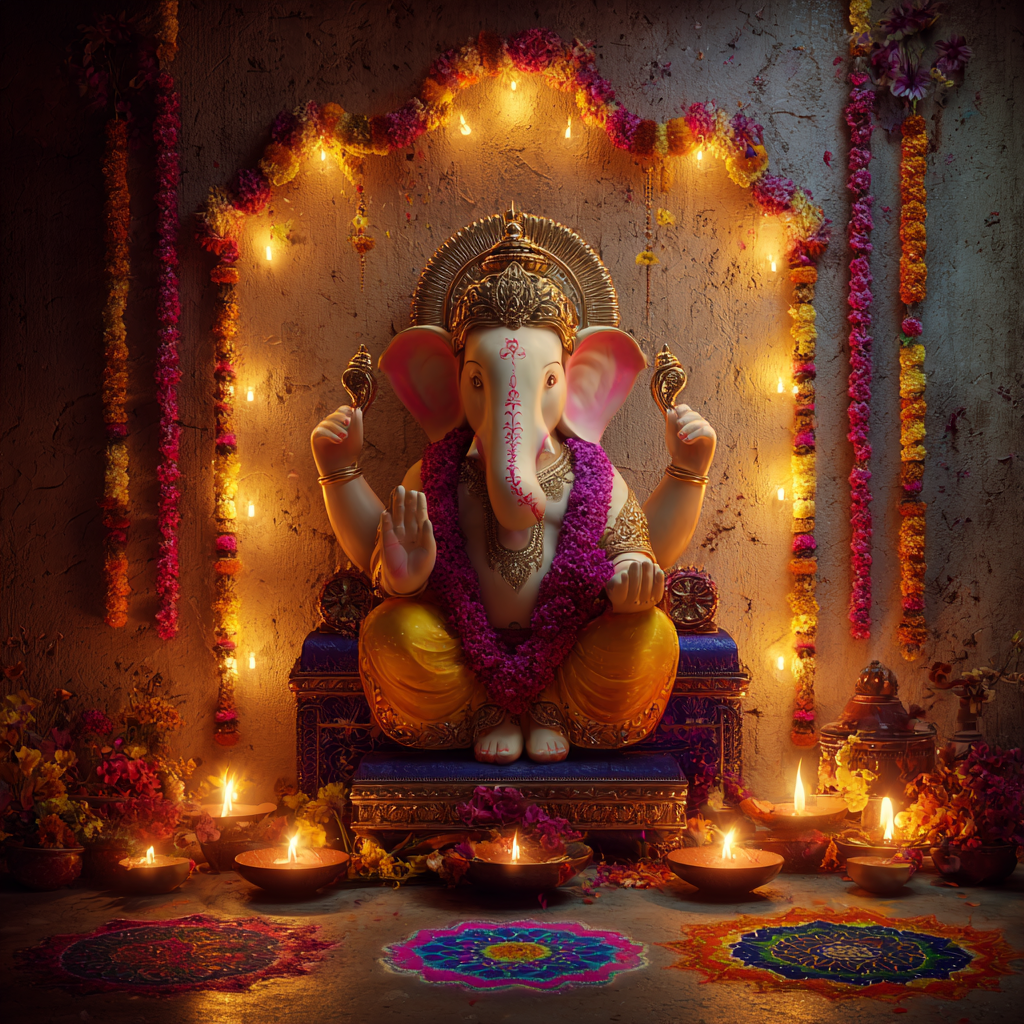
Preparation: Cleanse the puja area and decorate it with flowers and rangoli designs. Place the idol or picture of Maa Kushmanda on a sacred platform. Arrange offerings such as fruits, sweets, and auspicious items for the puja.
Invocation: Begin the puja by invoking Lord Ganesha and other deities to seek their blessings for a successful puja.
Prayers and Mantras: Recite prayers, mantras, and hymns dedicated to Maa Kushmanda to invoke her blessings and presence during the puja.
Offerings: Offer fruits, sweets, and other bhog (prasad) items to Maa Kushmanda while chanting her name and specific mantras.
Aarti: Conclude the puja by performing the aarti (a ritual of waving lighted camphor or lamps) and singing devotional songs in praise of Maa Kushmanda.
Conclusion:-
Finally, Navratri Day 4, dedicated to Goddess Kushmanda, is very important in Hindu culture. It is a day when believers honor the creative power of the universe, which is personified by the brilliant and divine presence of Maa Kushmanda. Her cosmic smile is thought to have created life. The rituals and puja vidhi performed on this day are a way to seek her blessings for health, happiness, and success.
read more:-Navratri day 3: Maa Chandraghanta, worship method and color importance
As we immerse ourselves in the vivid orange color associated with this day, we remember that each shade of Navratri signifies the qualities and attributes of the deity being worshiped. Kushmanda's Day serves as a reminder of the heavenly spirit that brings optimism and light into our lives.
The worship of Maa Kushmanda on Day 4 of Navratri, a nine-day festival honoring Maa Durga and her manifestations, is a reflection of the happiness and blessings this festival bestows upon everyone who takes part. Navratri also serves as a platform for spiritual unity.
Get Insights from Our Expert Astrologer
Get Insights from Our Expert Astrologer
Celebrate Ganesh Chaturthi 2026 with devotion. Learn about Ganpati puja, celebrations, Ganesh Visarjan, and enjoy popular Ganesh devotional ringtones.
Shiva Rudra Mantra
316 Downloads
Jai Ambe Gauri
356 Downloads
Khatu Wala Shyam
341 Downloads
Gayatri Mantra Of Hanuman
354 Downloads
Jai Bhole Jai Bhole Ringtone | Mahadev Devotional Ringtone
391 Downloads
Barsane Wali Radha
381 Downloads
Shiva Nirguna Stotra
325 Downloads
Hanuman Lalla Ki Aarti
355 Downloads
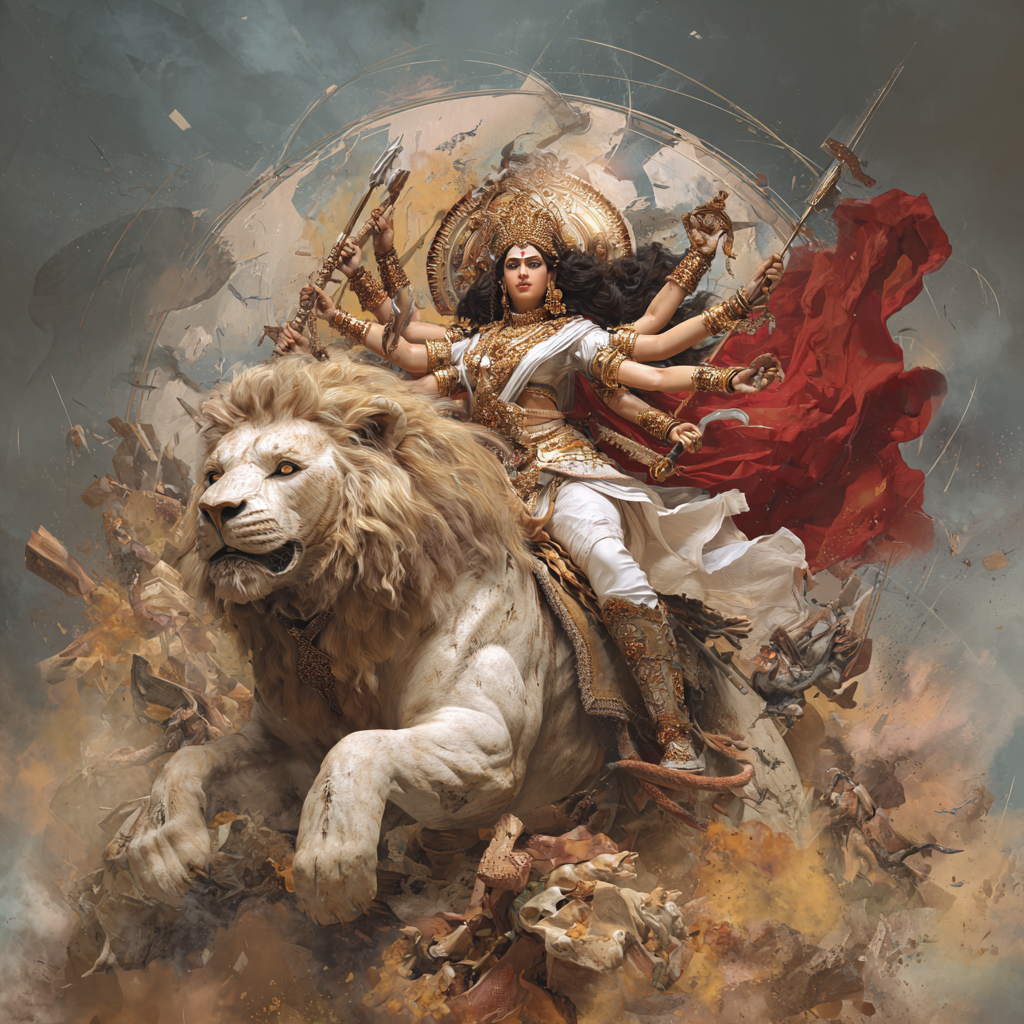
Maa Durga Devotional Ringtone
358 Downloads
Kui Bhekawe
360 Downloads
Hanuman Chalisa
334 Downloads
Har Har Mahadev Ringtone | Powerful Shiv Devotional Ringtone 🔱
372 Downloads
Narayanaya Namo Namah
384 Downloads
Haare Ka Sahara
334 Downloads
Shiva Kirtan Ringtone | Powerful Shiv Devotional Ringtone
336 Downloads