



























Planets and their effects in Astrology
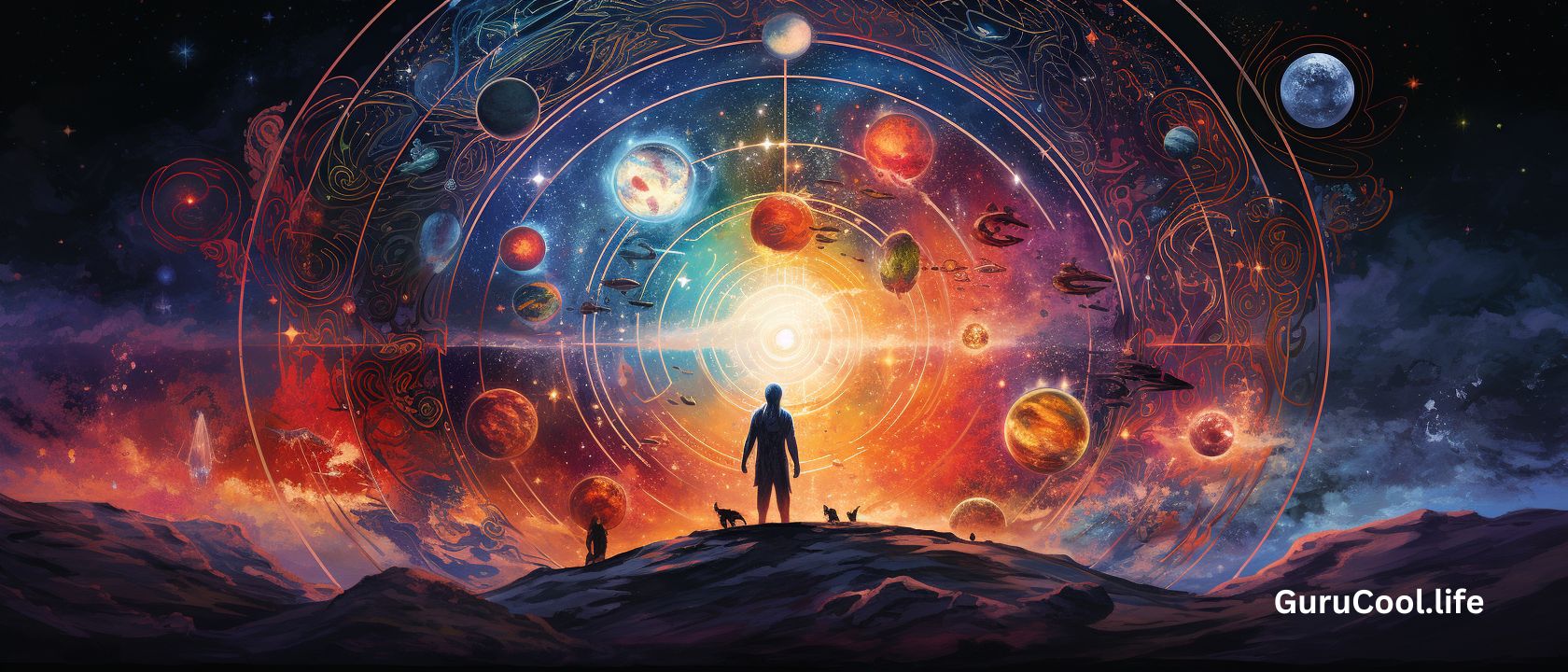
Astrology has long fascinated human beings, imparting insight into our personalities, relationships, and existence paths. Central to the study of astrology are the planets and their precise effects on our lives. From the fiery energy of Mars to the harmonizing impact of Venus, each planet in our solar system holds specific characteristics and symbolism that form our astrological profiles.
Knowledge of the significance of planets in astrology
The planets in astrology are not surely celestial bodies floating in space; they constitute lively forces that have a profound effect on our feelings, behaviors, and average lifestyles. Through our knowledge of the effects of these celestial entities, we will gain profound insights into ourselves and others.
In astrology, each planet is related to a specific set of qualities and represents different components of our lives. The position of these planets at the time of our birth creates a unique astrological signature, which can be interpreted to reveal our strengths, weaknesses, and lifestyle patterns.
The nine planets in Vedic astrology
Vedic astrology, also known as Jyotish, recognizes nine planets that play a great role in shaping our lives. Those planets are the Sun, Moon, Mercury, Venus, Mars, Jupiter, Saturn, Rahu, and Ketu. Even though the sun and moon are luminaries, the remaining seven are categorized as "grahas," or planets.
Every one of those planets holds a unique place in Vedic astrology and has a distinct impact on our lives. Let's discover the characteristics of every planet and how they influence our astrological profiles.
The sun: characteristics and outcomes in astrology
The sun, referred to as Surya in Vedic astrology, is taken into consideration as the king of all planets. It represents our vitality, life force, and self-expression. The sun is an image of our conscious mind and influences our personality tendencies, management capabilities, and creativity. Its position in our start chart can monitor our middle essence and the direction we're destined to comply with.
The sun is associated with the zodiac sign Leo and rules over the fifth residence of the horoscope. Its strength is heat, radiant, and empowering. When the sun is properly placed in our chart, it bestows self-assurance, charisma, and a strong sense of purpose. but, if bothered, it could lead to vanity, ego clashes, and a bent to dominate others.
The Moon: Characteristics and Consequences in Astrology
The Moon, referred to as Chandra, is the celestial body closest to the Earth and has a profound effect on our emotions and unconscious thoughts. It represents our instinct, nurturing features, and emotional well-being. The moon's position in our birth chart determines our emotional responses, instincts, and how we hook up with others on an emotional stage.
In Vedic astrology, the moon is related to the zodiac sign most cancers and rules over the fourth house of the horoscope. Its power is gentle, receptive, and reflective. A well-located moon in our chart enhances our empathetic nature, creativity, and intuition. But an afflicted moon can lead to mood swings, emotional instability, and an inclination to be overly touchy.
.
Mercury: characteristics and outcomes in astrology
Mercury, known as Budha, is the planet of communication, intellect, and mental agility. It represents our wondering styles, analytical talents, and the way we systematize facts. Mercury's role in our beginning chart influences our conversation fashion, mastering talents, and choice-making abilities.
In Vedic astrology, Mercury is associated with the zodiac signs Gemini and Virgo and has guidelines over the third and sixth houses of the horoscope. Its power is brief, adaptable, and logical. A well-placed Mercury in our chart enhances our verbal exchange competencies, intelligence, and problem-solving skills. However, a bothered Mercury can cause communique challenges, indecisiveness, and highbrow restlessness.
Venus: characteristics and effects in astrology
Venus, called Shukra, is the planet of affection, splendor, and harmony. It represents our relationships, values, and aesthetic sensibilities. Venus's function in our birth chart influences our romantic tendencies, social competencies, and economic prosperity.
In Vedic astrology, Venus is associated with the zodiac signs and symptoms Taurus and Libra and guidelines over the second and seventh houses of the horoscope. Its strength is sensual, inventive, and diplomatic. A well-positioned Venus in our chart complements our charm, creativity, and capacity to attract love and abundance. But a stricken Venus can result in relationship-demanding situations, materialistic dispositions, and a skewed sense of beauty.
Mars: characteristics and effects in astrology
Mars, known as Mangal, is the planet of power, passion, and assertiveness. It represents our drive, physical strength, and courage. Mars's role in our start chart influences our ambition, competitiveness, and the way we assert ourselves within the global.
In Vedic astrology, Mars is related to the zodiac signs Aries and Scorpio and has regulations over the primary and 8th homes of the horoscope. Its electricity is fiery, dynamic, and motion-oriented. A properly located Mars in our chart enhances our management abilities, resilience, and determination. but a troubled Mars can cause aggression, impulsive conduct, and conflicts.
Jupiter: traits and effects in astrology
Jupiter, known as Guru, is the planet of awareness, enlargement, and abundance. It represents our ideals, spirituality, and boom opportunities. Jupiter's function in our beginning chart affects our optimism, generosity, and ability to study.
In Vedic astrology, Jupiter is associated with the zodiac signs Sagittarius and Pisces and regulates the ninth and 12th houses of the horoscope. Its electricity is expansive, benevolent, and philosophical. A nicely-located Jupiter in our chart complements our awareness, good fortune, and spiritual hobbies. But Jupiter can exhibit overindulgence, self-righteousness, and a tendency to take risks without considering the consequences.
Saturn: characteristics and outcomes in astrology
Saturn, known as Shani, is the planet of area, duty, and life lessons. It represents our karmic patterns, shapes, and long-term dreams. Saturn's role in our birth chart impacts our experience of duty, perseverance, and capability to overcome boundaries.
In Vedic astrology, Saturn is associated with the zodiac signs Capricorn and Aquarius and regulations over the tenth and eleventh homes of the horoscope. Its electricity is practical, disciplined, and patient. A nicely-located Saturn in our chart complements our paintings ethic, resilience, and capability to reap achievement through difficult work. However, an afflicted Saturn can cause feelings of restriction, self-doubt, and a fear of taking risks.
Through our knowledge of the characteristics and consequences of each planet in astrology, we are able to gain a deeper understanding of ourselves and others. Astrology lets us navigate our lifestyle's challenges, make informed choices, and harness the energies of the planets to create a more fulfilling and purposeful existence.
Embark on a cosmic adventure through the planets and discover how they shape our specific astrological signatures. Whether you're a pro astrologer or someone new to the exercise, this know-how will provide precious insights to deepen your expertise in astrology and its impact on our lives.
So, let's embrace the know-how of the planets and liberate the secrets they preserve within our delivery charts. Bear in mind that the planets are not just distant orbs inside the sky; they may be effective forces that have an effect on our lives in ways we might not usually recognize. By exploring their effects and symbolism, we can benefit from an extra knowledge of ourselves and the world around us.