



Home
|



Refund if not satisfied

Support Available

Privacy Confidentiality
© 2024 GuruCool.life. All rights reserved
Mahima | Hindu God and Goddess
2024-01-20
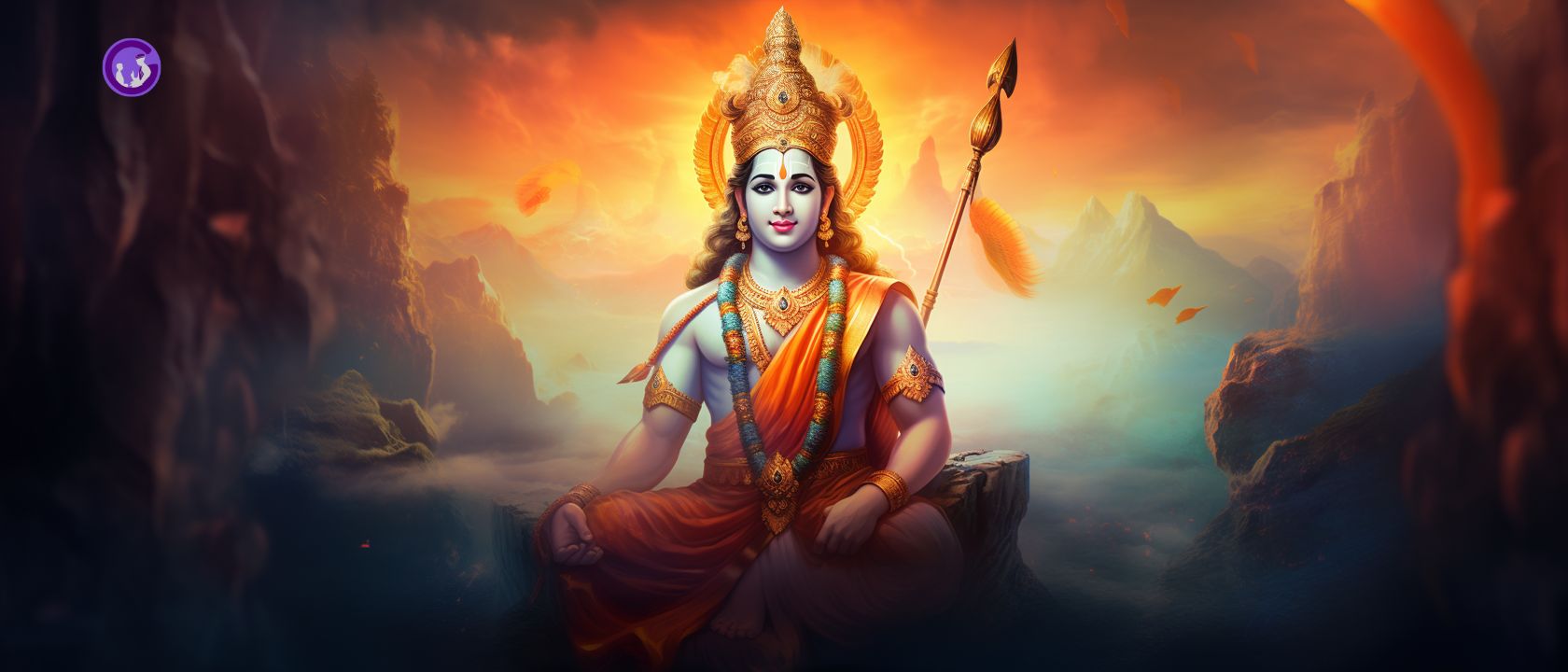
Lord Rama, the central figure of Hindu mythology, is considered to be the seventh incarnation of Lord Vishnu. Born in the ancient city of Ayodhya to King Dasaratha and Queen Kausalya, Rama was renowned for his devotion to religion and morality. The story of Rama, known as the Ramayana, narrates the life of Rama, his trials, his triumphs, and his supreme devotion to duty. Rama is often depicted as a son, husband, and ideal ruler who serves as a symbol of righteousness and morality. His banishment to the forest, abduction of his wife Sita by the demon king Ravana, and his rescue with the help of Lord Hanuman give us profound lessons like travel, mission, loyalty, and triumph of a father on the evil. In real life, she is known by many names reflecting many facets of her radiant personality, her initials, and her last words. Here are the 10 names of Lord Rama along with their meanings:
The name "Ram" or "Rama" is Sanskrit and means "enchanting", "beautiful" or "delightful". In Hindu mythology, Lord Rama symbolizes qualities such as justice, mercy, and grace. Lord Rama is considered an example of dharma (dharma) and is considered a divine figure in Hinduism. Lord Rama, as the name implies, is the omnipresent being. Just, truthful, virtuous, and disciplined, he was a great prince of the Ikshvakus
All the gods in human form were watching Balrama. The devotees slowly reached there in groups of five and silently bowed to the Lord without seeing Him. When it was the turn of the Sun Lord (the sun), he thanked the Lord for being born into the family of the sun. The omniscient cry of a sleeping baby smiled and recognized him.
Now it was the house of Lord Moon (Chandra). She came up with a very sad expression on her face. God asked what had happened. The Moon Lord said he was angry because he felt the Lord was ignoring and ignoring him when the Sun Lord was all important. Lord Rama's name "Rama Chandra" comes from a combination of two Sanskrit words: "Rama" meaning beloved lover and "Chandra" meaning moon. Thus, "Rama Chandra" can be translated as "Mohaka Chandra" or "Priya Chandra" symbolizing the grace and beauty of Lord Rama.
The name "Dasharathi" is derived from Lord Rama's father, King Dasharatha. In Indian mythology, Dasharatha was a powerful and pious ruler of Ayodhya and famous for being the father of Lord Rama, one of the incarnations of Lord Vishnu. The term 'Dasharathi' means 'son of Dasharatha' or 'descendant of Dasharatha'. Dasharatha is torn between his love for Rama and his duty to the king. In the end, Kaikeyi chose to fulfill her promise, which caused her grief. His sacrifice is often seen as an expression of dharma (duty).
The name is Raghav is often associated with Lord Rama, a central figure in Indian mythology. Rama is considered the seventh incarnation of Lord Vishnu and is known for his virtues, righteousness, and heroic deeds as depicted in the epic Ramayana. Therefore, Raghav is a name that signifies the connection or lineage of Rama. The name Raghav is of Sanskrit origin and consists of two elements:
Raghu: This dynasty belongs to Lord Rama. Raghu is Rama's grandfather and is often praised for his bravery.
Ishav: This part of the name means "lord" or "ruler".
Thus Raghav when combined means "God Grandson of Raghu" or "Descendant of Raghu". A name that indicates a connection with the noble lineage of Lord Rama.
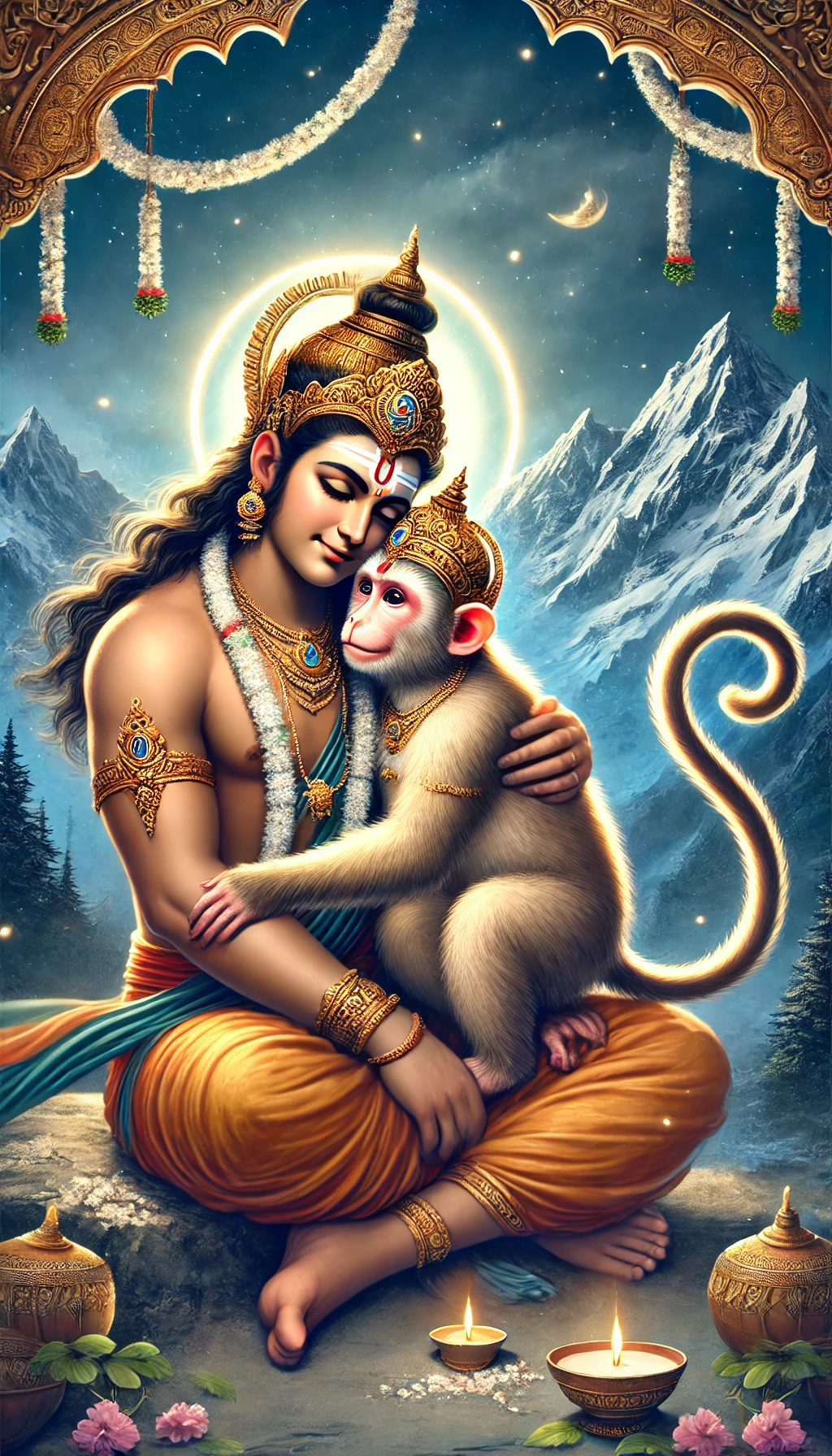
The name "Raghunath" is often associated with Lord Rama as it represents him as the leader of the Raghu dynasty.
Raghu: This refers to our Lord Rama's grandson. He is often called "Raghava", indicating his descent from King Raghu.
Nath: It means "lord" or "master". Hence "Ragunath" is translated as "Lord Raghu's grandson" or "Master of Raghu's lineage". A name that emphasizes Lord Rama's position as a revered and respected leader.
The name "Raghunath" indicates the royal lineage and deep respect given to him as a divine figure.
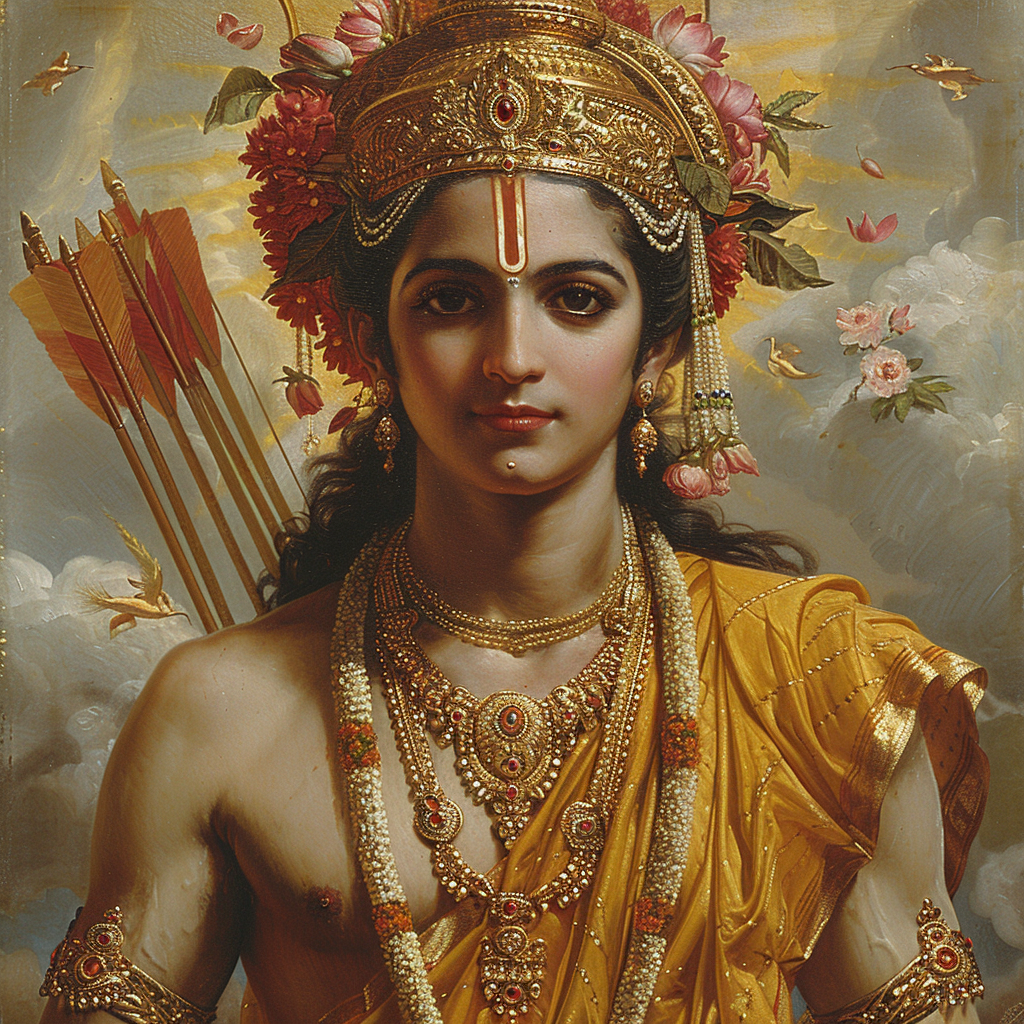
The term "Raghukul Tilak" is often used to refer to Lord Rama, emphasising his dynasty as descended from Rama. This is a symbol of his noble and lofty qualities.
Ragukula refers to King Raghu, the grandson or grandson of Lord Rama. Inku Raghu is known for his loyalty, courage, and adherence to righteousness (dharma). The "Tilak" is often used on the forehead to show good fortune. For Lord Rama, it symbolizes the qualities associated with ‘Tilak’, righteousness, and noble qualities.
The eldest son of King Dasaratha and Kausalya is Lord Rama. It should be noted that Maryada means ‘boundary’ and Purushottama means ‘from the great soul’.
Purusha means "man of honor." The word uttama is a natural form meaning ‘heaven’, and ‘tam’ meaning ‘foolishness’. Lord Rama is above all Tamasic qualities and is ‘Purushottam’, which means he is the greatest or the best of the best (uttama). Rama is an example of kindness and goodness and a man of compassion and goodness. Ramachandra, the honorable Purushottama, the perfect man of reason. It is believed that Lord Rama was born on earth to destroy the evil forces of the time.
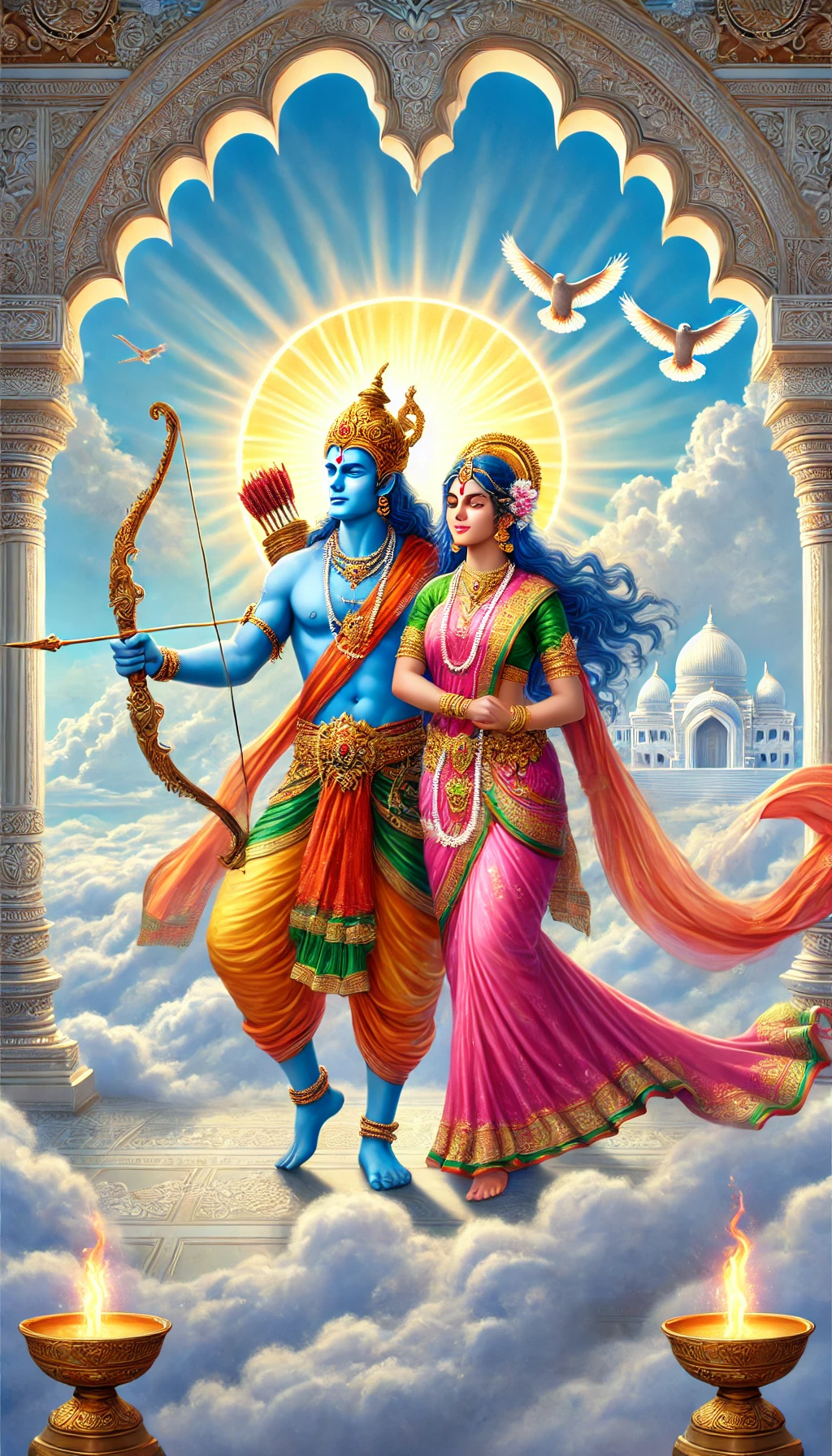
The Ramayana is one of the major Sanskrit epics of ancient India and is associated with the sage Valmiki. It depicts the lives of Prince Rama, his wife Sita, and his faithful companion Hanuman. In the Ramayana, Lord Rama is often referred to as "Sitapati" for his role as Sita's husband.
The name "Sitapati" has a deep symbolic meaning representing the divine union of Rama and Sita. In Indian culture, it symbolizes family unity, loyalty, and the sacred bond between husband and wife. In Sanskrit, "Sita" means wife of Rama, and "pati" means husband or lord. Thus, "Sitapati" can be translated as "husband or mistress of Sita", emphasizing the relationship between Lord Rama and his wife Sita.
"Koshalendra" is one of the names associated with Lord Rama. He is the ruler or king of the ancient kingdom of Kosala, his status as king in Indian mythology. In Sanskrit, "Kosala" is a god he associates with the kingdoms of ancient India, while "Indra" is often associated with the king of the gods. Thus, ‘Kosalandra’ can be translated as ‘king of Kosala’ or ‘lord of the kingdom of Kosala’.
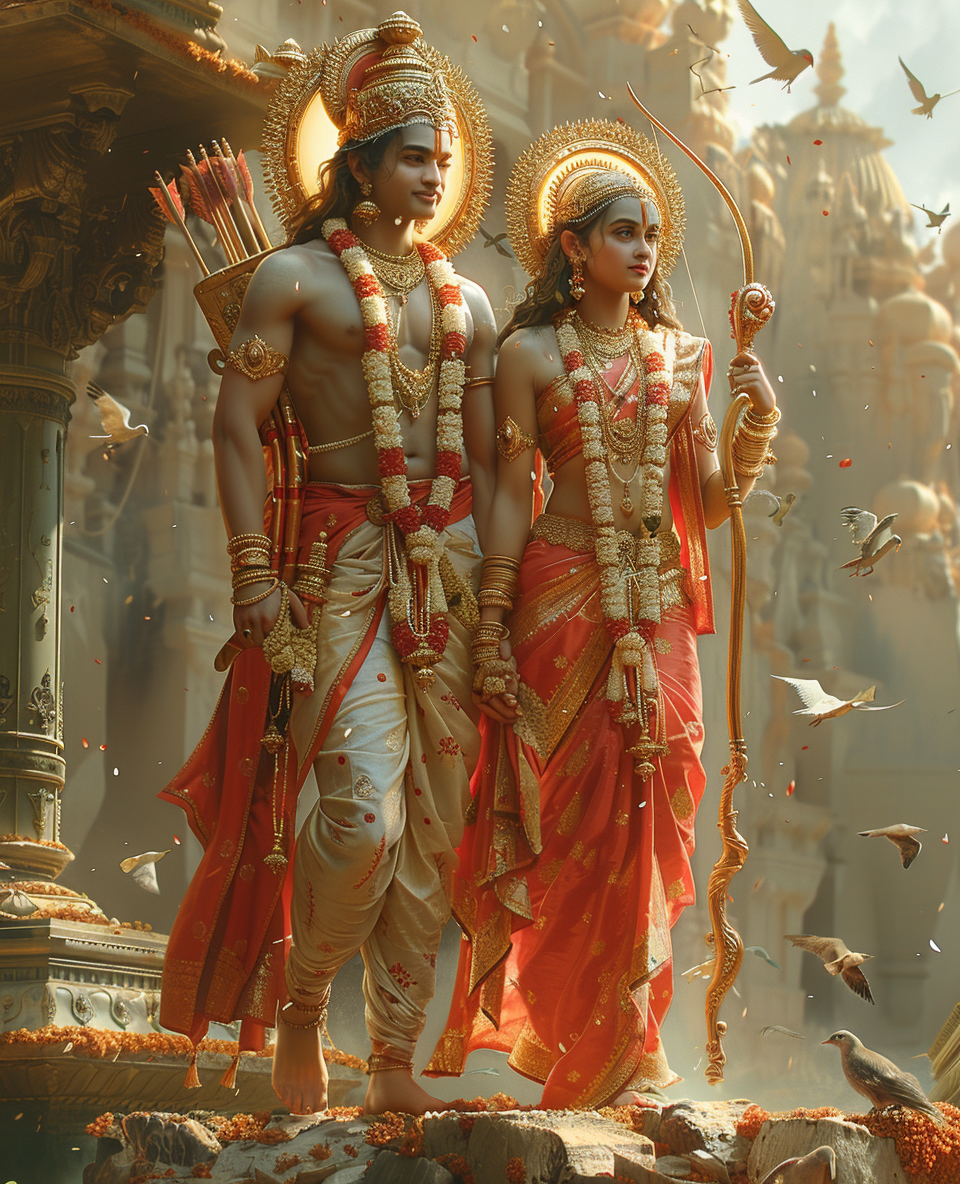
"Jaanaki" refers to Sita, the wife of Lord Rama in Indian mythology. "Vallabha" means beloved or enclosed. Thus ‘Janaki Vallabha’ can be translated as ‘Kakasih Sita’ or ‘Sitapriya’, referring to the divine love story of Rita and Sita.
This name reflects the story of Lord Rama’s association with Sita’s love and signifies respect and love in a divine setting. The use of such names is common in Indian culture, where names often carry deeper meanings that reflect religious beliefs, historical events, or cultural significance. In this regard, ‘Jaanaki Vallabha’ symbolizes the divine love and devotion between Lord Rama and Sita.
Conclusion
Lord Rama is one of the most worshipped deities in Hinduism. Sri Rama is the seventh incarnation of Lord Vishnu, the universe's protector. Lord Rama is famous for his virtues. Rama is the great teacher of the last disciple of Hanuman. Sri Rama is also called Rama, the supreme being because he embodies Dharma. Lord Rama is considered to be a perfect man because he is a perfect man, a perfect husband, a perfect king, and a perfect brother. Many names know Lord Rama. Along with the meaning of these 10 names, Lord Rama is one of the most worshipped deities in Hinduism.
Get Insights from Our Expert Astrologer
Get Insights from Our Expert Astrologer
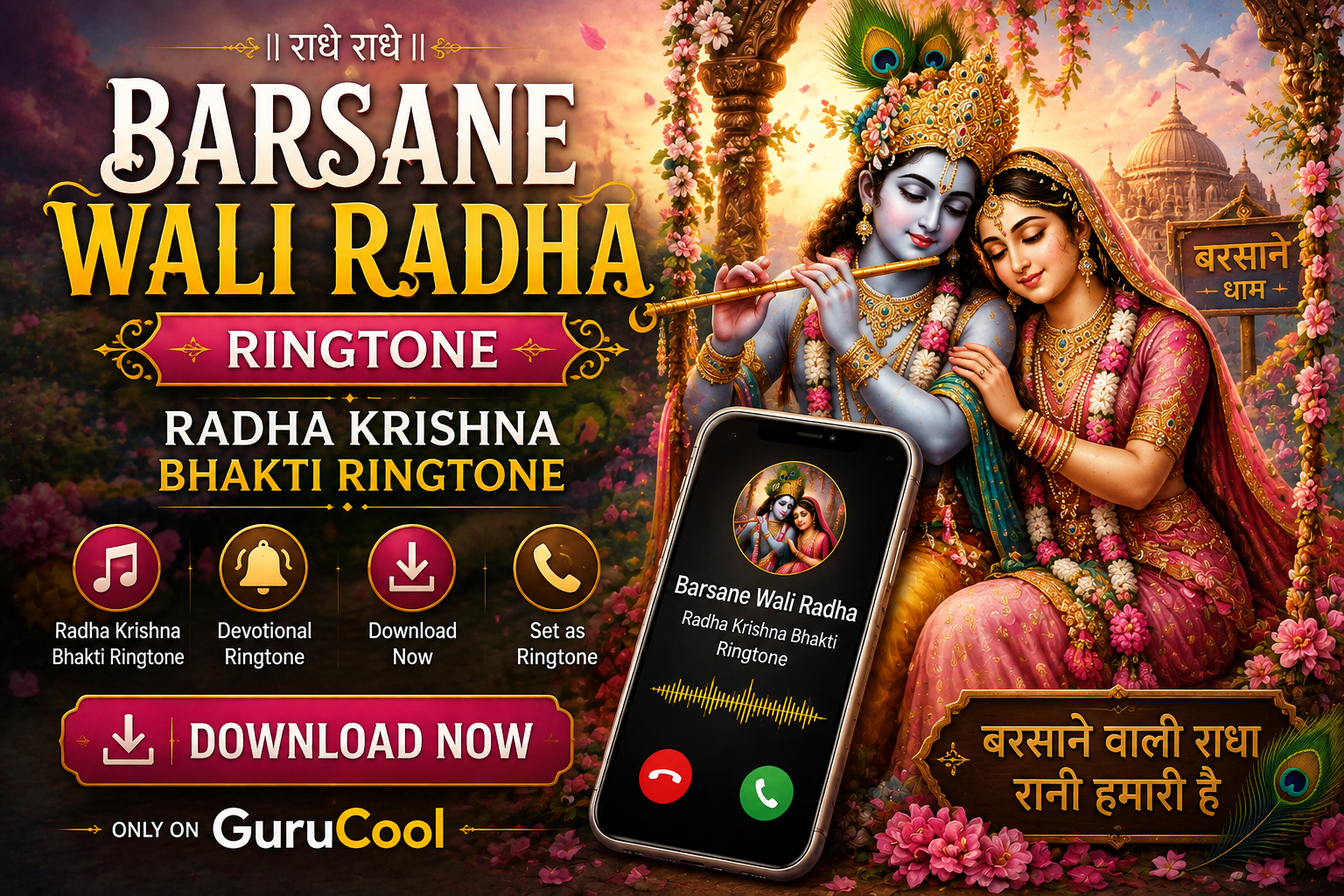
Download Barsane Wali Radha ringtone for mobile and enjoy a beautiful Radha Krishna bhakti ringtone filled with devotion, love, and spiritual positivity.
Shiva Rudra Mantra
316 Downloads
Jai Ambe Gauri
356 Downloads
Khatu Wala Shyam
341 Downloads
Gayatri Mantra Of Hanuman
354 Downloads
Jai Bhole Jai Bhole Ringtone | Mahadev Devotional Ringtone
391 Downloads
Barsane Wali Radha
381 Downloads
Shiva Nirguna Stotra
325 Downloads
Hanuman Lalla Ki Aarti
355 Downloads
Maa Durga Devotional Ringtone
358 Downloads
Kui Bhekawe
360 Downloads
Hanuman Chalisa
334 Downloads
Har Har Mahadev Ringtone | Powerful Shiv Devotional Ringtone 🔱
372 Downloads
Narayanaya Namo Namah
384 Downloads
Haare Ka Sahara
334 Downloads
Shiva Kirtan Ringtone | Powerful Shiv Devotional Ringtone
336 Downloads