





Support

Consult about
Horoscope
Wallpapers
Ringtones
Services
Company
Help
Payments


Refund if not satisfied

Support Available

Privacy Confidentiality
© 2024 GuruCool.life. All rights reserved
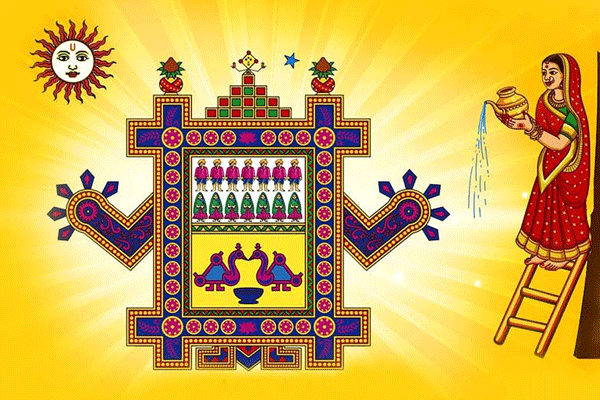
Ahoi Ashtami is observed during Kartika Krishna Paksha Ashtami.
The festival is traditionally associated with prayers for children's health, safety, and well-being.
Ahoi Mata is worshipped as the protective mother deity.
The fast is traditionally broken after evening star sighting in many North Indian traditions.
Ahoi Ashtami is an important Hindu fasting festival traditionally observed by mothers for the well-being, prosperity, health, and long life of their children. It is celebrated on the Ashtami, or eighth lunar day, during Krishna Paksha of the Hindu month of Kartika. The festival is particularly popular in North India and is observed with devotion, fasting, evening worship, storytelling, and prayers to Ahoi Mata. \n\nThe word Ahoi is associated with Ahoi Mata, a divine mother figure who is worshipped as a protector of children and family welfare.
Traditionally, mothers observe a fast throughout the day and perform Ahoi Mata Puja in the evening. The observance reflects a mother's affection and concern for her children and is considered a prayer for their happiness, health, safety, and success. \n\nThe festival is connected with a traditional story about a woman who accidentally caused the death of a young animal while digging the earth. She later suffered the loss or difficulties associated with her children and deeply regretted her actions.
She was advised to worship Ahoi Mata and observe the appropriate fast and rituals. Through sincere repentance, devotion, and prayer, her difficulties were believed to be removed. The story emphasizes the Hindu ideas of karma, repentance, compassion toward living beings, and the possibility of spiritual correction. \n\nAhoi Ashtami traditionally involved fasting specifically for sons in some communities.
However, contemporary observance is generally understood more broadly as a prayer for the welfare of all children, including daughters. Families today often adapt the practice according to their own traditions. \n\nThe day usually begins with the mother taking a ritual bath and making a personal resolve to observe the fast. In some traditions, food and water are avoided throughout the day.
Ahoi Mata is represented through a wall drawing, painting, image, or symbolic representation. The design may include Ahoi Mata along with small figures representing children or the animal associated with the traditional story. \n\nIn the evening, the family prepares a clean worship area. Ahoi Mata is offered flowers, lamps, fruits, sweets, water, and other traditional offerings.
Women listen to the Ahoi Ashtami vrat katha and participate in prayers. In several North Indian communities, the fast is traditionally broken after sighting stars in the evening. Some families follow local customs involving moonrise instead. \n\nThe star-sighting tradition is particularly important because Ahoi Ashtami is associated with the evening appearance of stars.
Devotees offer water and prayers while seeking blessings for their children. \n\nAhoi Ashtami also provides an opportunity for families to express gratitude for parenthood and family relationships. Beyond the ritual itself, the festival encourages compassion, responsibility, and remembrance of the importance of protecting children. \n\nThe spiritual meaning of the festival is therefore broader than fasting.
It combines devotion, parental love, repentance, ethical awareness, and prayer. The traditional story teaches that mistakes should be acknowledged and that sincere repentance and positive action are valuable. \n\nIn 2026, Ahoi Ashtami falls on November 1. The Ashtami tithi begins at approximately 2:51 PM on November 1 and ends at approximately 1:10 PM on November 2.
The exact Puja and star-sighting time depends on the city. \n\nFor families observing Ahoi Ashtami, the day can be used as an opportunity to pray for children's well-being, strengthen family bonds, practice charity, and reflect on the responsibilities of parenthood.
What is Ahoi Ashtami?
Ahoi Ashtami is a sacred Hindu festival observed with devotion and religious rituals. It holds deep spiritual significance in the Hindu lunar calendar.
When is Ahoi Ashtami observed?
The exact date changes every year based on the Hindu lunar calendar. Check the Daily Panchang on GuruCool for accurate tithi and muhurat timings.
What are the main rituals of Ahoi Ashtami?
Devotees observe fasts, perform puja, chant mantras, and engage in charitable activities during Ahoi Ashtami. Specific rituals vary by region and family tradition.
What is the spiritual significance of Ahoi Ashtami?
Ahoi Ashtami holds great religious importance in Hinduism. Observing it with full devotion is believed to bring blessings, ancestral merit, and spiritual liberation.
How can I get guidance for Ahoi Ashtami rituals?
You can consult expert Vedic astrologers on GuruCool for personalized guidance on performing rituals correctly as per your birth chart and family tradition.