





Support

Consult about
Horoscope
Wallpapers
Ringtones
Services
Company
Help
Payments


Refund if not satisfied

Support Available

Privacy Confidentiality
© 2024 GuruCool.life. All rights reserved
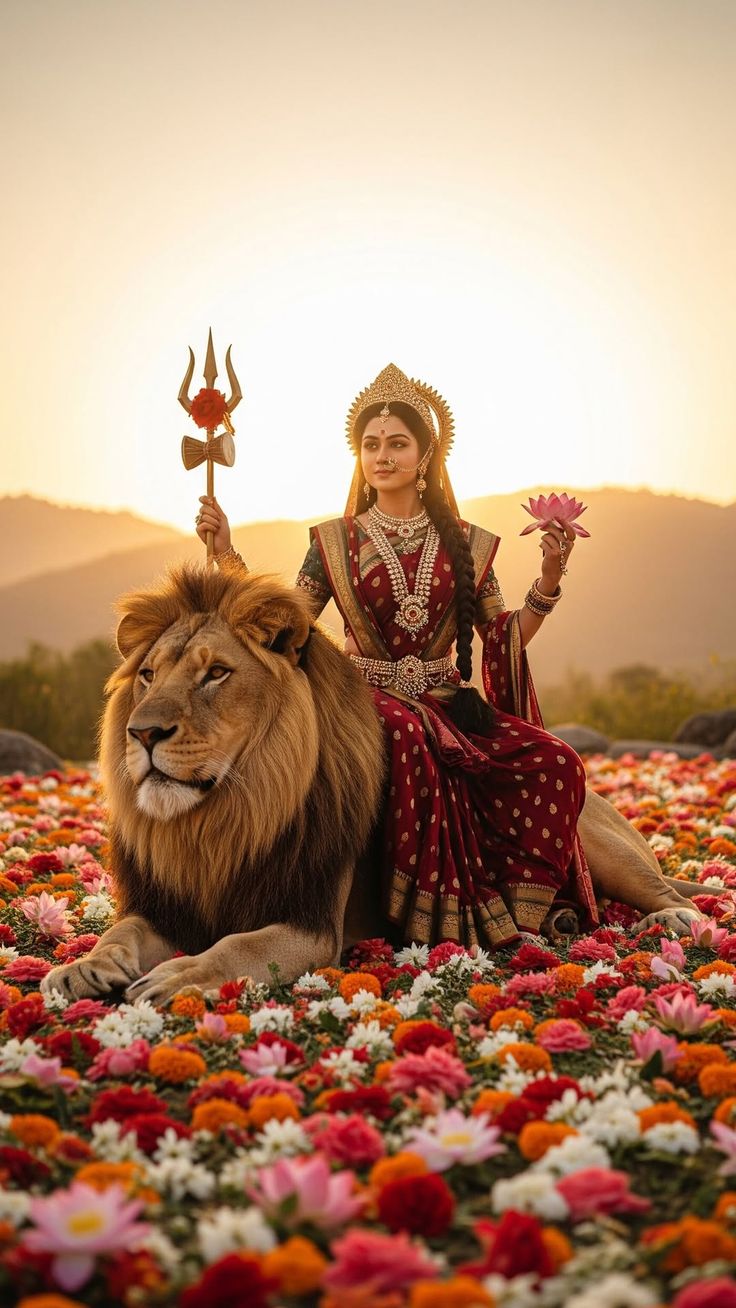
Durga Ashtami is observed on Ashwin Shukla Ashtami.
The festival is dedicated to Goddess Durga and the divine feminine power of Shakti.
Kanya Puja is a common tradition associated with Ashtami and Navami.
Durga Ashtami is particularly prominent during Durga Puja in eastern India.
Vijayadashami, commonly known as Dussehra, is one of the most widely celebrated Hindu festivals in India. The name Vijayadashami combines the ideas of victory and the tenth lunar day. It is observed on Dashami during the bright fortnight of Ashwin and marks the culmination of Sharad Navratri. The festival carries a powerful message about the victory of righteousness over wrongdoing, truth over falsehood, and dharma over adharma.
The most widely known story associated with Dussehra is the victory of Lord Rama over Ravana. According to the Ramayana tradition, Ravana, the king of Lanka, abducted Sita, the wife of Rama. Rama, supported by Lakshmana, Hanuman, and an army of allies, fought against Ravana and ultimately defeated him. Rama's victory represents the restoration of justice and the triumph of righteous conduct.
Another major tradition connects Vijayadashami with Goddess Durga's victory over Mahishasura. In this interpretation, the festival marks the conclusion of the Goddess's battle against the demon and symbolizes the triumph of divine power over destructive forces. These two traditions coexist across India and give Dussehra a broader spiritual meaning. In North India, large effigies of Ravana, Kumbhakarna, and Meghnada are commonly constructed and burned during public celebrations.
The burning of the effigies symbolizes the destruction of arrogance, ego, greed, violence, and other negative tendencies. Ramleela performances frequently narrate episodes from the Ramayana before the final Dussehra celebration. The festival is also associated with Shami Puja, Aparajita Puja, and Seema Avalanghan in several traditions. Shami trees have a special cultural and religious significance in some regions, and worship of Shami leaves is connected with victory and prosperity.
Warriors historically regarded Vijayadashami as an auspicious time for beginning military campaigns, while modern communities may treat the day as favorable for starting important work. Vijayadashami is also considered an auspicious day for education, business, tools, and new beginnings. In different parts of India, vehicles, agricultural equipment, books, musical instruments, weapons, and professional tools may be worshipped. The Dashami tithi begins at approximately 12: 50 PM on October 20 and ends at approximately 2: 11 PM on October 21.
The festival's deeper message is not simply that an external villain is defeated. It asks individuals to examine their own negative qualities. Ravana can symbolically represent uncontrolled ego, attachment, arrogance, anger, and misuse of knowledge. Rama represents discipline, responsibility, truth, courage, and adherence to dharma.
Families celebrate Dussehra through prayers, temple visits, cultural programs, Ramleela, community gatherings, and festive meals. Children often participate in plays and cultural activities, helping transmit stories and values between generations. Vijayadashami therefore serves as both a religious celebration and a cultural milestone. It concludes the major Navratri period and reminds people that righteousness requires courage and disciplined action.
The festival encourages devotees to overcome personal weaknesses, stand for truth, respect dharma, and begin new efforts with confidence and positive intention.
What is Durga Ashtami?
Durga Ashtami is a sacred Hindu festival observed with devotion and religious rituals. It holds deep spiritual significance in the Hindu lunar calendar.
When is Durga Ashtami observed?
The exact date changes every year based on the Hindu lunar calendar. Check the Daily Panchang on GuruCool for accurate tithi and muhurat timings.
What are the main rituals of Durga Ashtami?
Devotees observe fasts, perform puja, chant mantras, and engage in charitable activities during Durga Ashtami. Specific rituals vary by region and family tradition.
What is the spiritual significance of Durga Ashtami?
Durga Ashtami holds great religious importance in Hinduism. Observing it with full devotion is believed to bring blessings, ancestral merit, and spiritual liberation.
How can I get guidance for Durga Ashtami rituals?
You can consult expert Vedic astrologers on GuruCool for personalized guidance on performing rituals correctly as per your birth chart and family tradition.