





Support

Consult about
Horoscope
Wallpapers
Ringtones
Services
Company
Help
Payments


Refund if not satisfied

Support Available

Privacy Confidentiality
© 2024 GuruCool.life. All rights reserved
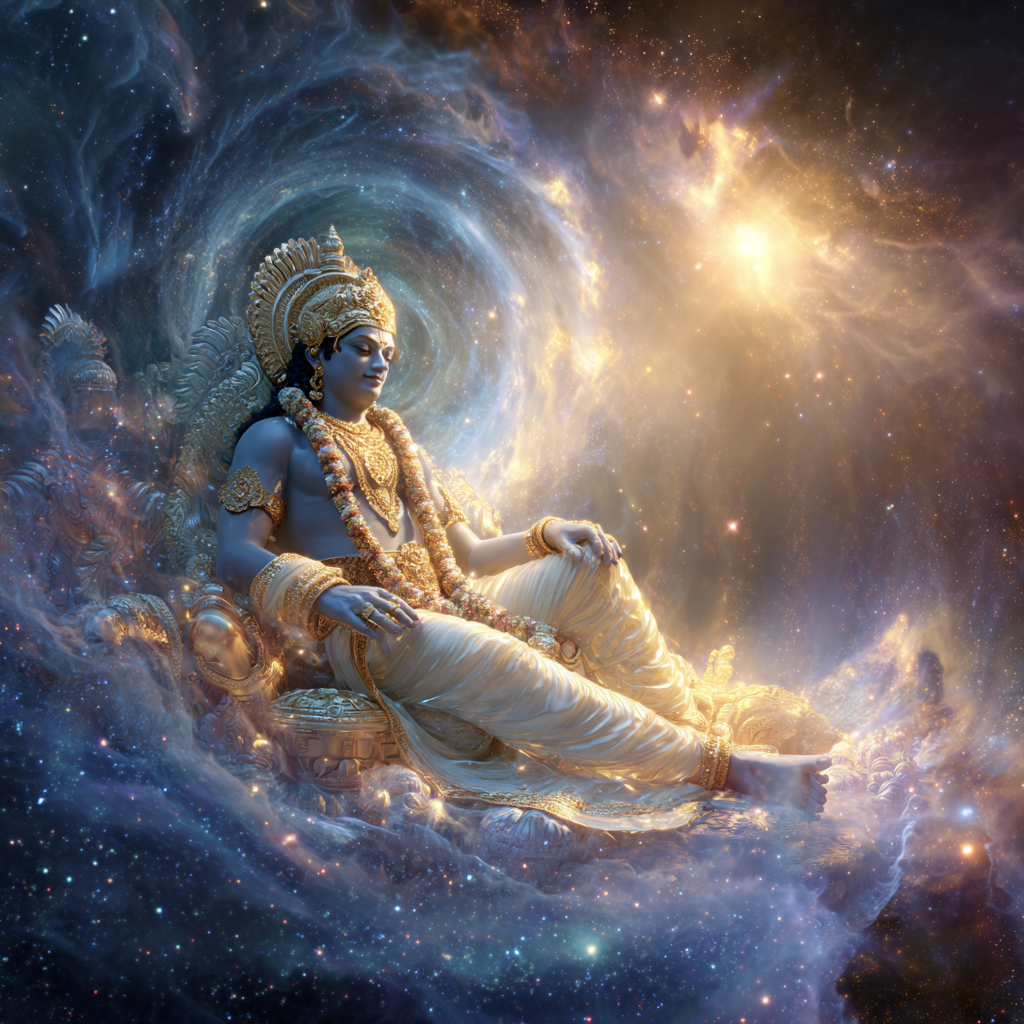
Indira Ekadashi is observed during Krishna Paksha Ekadashi of Ashwin.
The festival is traditionally associated with Lord Vishnu and the spiritual welfare of ancestors.
The 2026 Ekadashi tithi begins at 02:07 AM on October 6 and ends at 12:34 AM on October 7 in the Jaipur-region Panchang reference.
Devotees commonly avoid grains and observe fasting according to their individual tradition.
The story of King Indrasena is traditionally associated with the significance of Indira Ekadashi.
Indira Ekadashi is an important Ekadashi fasting day observed during the Krishna Paksha of the Hindu month of Ashwin. Devotees observe this sacred day primarily to worship Lord Vishnu and seek spiritual purification, forgiveness for past mistakes, and blessings for themselves and their ancestors. The day is particularly associated with the liberation and upliftment of departed ancestors. For this reason, Indira Ekadashi has a special place among devotees who perform ancestral prayers and wish to offer spiritual merit to their family lineage.
The word Ekadashi refers to the eleventh lunar day of a fortnight. In Hindu tradition, Ekadashi is considered especially suitable for controlling the senses, reducing material distractions, and concentrating the mind on God. Devotees believe that fasting and sincere prayer on this day can help cleanse the mind and encourage discipline. Indira Ekadashi is especially significant because its religious tradition connects the merit of the observance with the welfare of ancestors.
The importance of Indira Ekadashi is described through the story of King Indrasena. According to traditional Hindu scripture and devotional literature, King Indrasena was a righteous ruler who followed religious duties and cared for his kingdom. One day, he learned that his deceased father was experiencing suffering in the ancestral realm because of unresolved karmic consequences. The king became deeply concerned and sought guidance about how he could help his father.
He was advised to observe Indira Ekadashi with devotion and dedicate the spiritual merit of the fast and worship to his ancestor. Following the prescribed observances, the king prayed to Lord Vishnu and offered the merit of his Ekadashi vrata for his father. Through divine grace, his father was believed to attain a better spiritual state. This story explains why Indira Ekadashi is strongly associated with Pitru-related spiritual practices.
It also highlights an important Hindu principle: religious observance is not only considered a personal practice but can also be dedicated for the welfare of family members and ancestors. On Indira Ekadashi, devotees commonly wake early, bathe, wear clean clothes, and establish a peaceful place for worship. Lord Vishnu is worshipped with flowers, lamps, incense, fruits, tulsi leaves, and devotional prayers. Many devotees observe a complete fast, while others follow a fruit-based or water-based fast depending on their health, tradition, and spiritual practice.
Grains and certain foods are generally avoided during Ekadashi fasting. Devotees may spend the day reading or listening to Vishnu-related scriptures, chanting the Vishnu Sahasranama, reciting the Hare Krishna mantra, or simply maintaining a peaceful and devotional mindset. Charity and feeding people are also regarded as meaningful acts of service. The fast is traditionally completed on Dwadashi after sunrise during the appropriate Parana period.
Devotees should follow the local Panchang for the exact Parana timing because Ekadashi fasting rules can vary according to location and tradition. The deeper purpose of Indira Ekadashi is therefore not simply fasting. It represents self-control, devotion, remembrance of ancestors, compassion toward one's family lineage, and an effort to move toward spiritual discipline. It encourages people to pause from ordinary activities, reflect on their actions, remember their ancestors, and dedicate positive spiritual effort toward the welfare of others.
For families following Vaishnava traditions, Indira Ekadashi can become an opportunity to combine Vishnu worship, ancestral remembrance, charity, fasting, and personal spiritual reflection. The festival ultimately emphasizes devotion, responsibility toward one's lineage, and the belief that sincere religious practice can become a means of seeking liberation and peace.
Indira Ekadashi is one of the 24 sacred Ekadashis in the Hindu calendar, observed on the Krishna Paksha Ekadashi of the Ashwin month. Unlike most Ekadashis, Indira Ekadashi carries the extraordinary power of granting Pitru Moksha — liberation of ancestors from sin. It falls during Pitru Paksha, the fortnight when Hindus perform Shraddha and Tarpan for departed souls.
The Brahma Vaivarta Purana narrates how King Indrasena observed this Ekadashi on sage Narada's advice, and his father — trapped in Yamaloka due to past sins — was granted entry to Vaikuntha. Check the exact Indira Ekadashi 2026 Tithi and Muhurat on our Daily Panchang.
View today's exact Shubh Muhurat on the Daily Panchang.
In Vedic astrology, Pitru Dosh occurs when ancestors have not attained peace, creating karmic obstacles for living descendants — visible as repeated failures, childlessness, or health issues in the horoscope.
Observing Indira Ekadashi, performing Pitru Tarpan, and donating food to Brahmins are prescribed remedies. Consult a Vedic astrologer on GuruCool to identify Pitru Dosh in your birth chart and receive personalized remedies.
The Padma Purana and Brahma Vaivarta Purana describe Indira Ekadashi as equal in merit to performing an Ashwamedha Yagna. A sincere devotee who observes this Ekadashi is said to:
Unsure how to perform Pitru Tarpan correctly? Wondering if you have Pitru Dosh? Our expert Vedic astrologers on GuruCool offer free first consultation to guide you through rituals, Pitru Dosh remedies, and ancestral healing. Also explore the Daily Panchang for today's auspicious timings.
What is Indira Ekadashi?
Indira Ekadashi is a sacred Ekadashi vrat observed on the eleventh day (Ekadashi) of Krishna Paksha in the Hindu lunar month of Ashwin. It is especially significant for liberating ancestors from sin and ensuring them a place in Pitru Lok.
When is Indira Ekadashi 2026?
In 2026, Indira Ekadashi falls during the Ashwin Krishna Paksha, typically in October. Check the Daily Panchang on GuruCool for exact tithi and Parana timings.
What are the rituals of Indira Ekadashi?
Devotees observe a strict fast from sunrise to the next day's Parana muhurat, offer prayers to Lord Vishnu, perform Pitru Tarpan (ancestral offerings), and listen to the Indira Ekadashi Katha. The fast breaks on Dwadashi within the prescribed window.
Why is Indira Ekadashi observed during Pitru Paksha?
Indira Ekadashi falls during Pitru Paksha — the fortnight dedicated to ancestors. Hindu scriptures state that observing this Ekadashi and performing Shraddha on this day helps free departed souls from Naraka and grants them Moksha (liberation).
Can one eat on Indira Ekadashi?
A strict fast is prescribed. Rice, wheat, lentils, and non-vegetarian food are avoided. Devotees may consume fruits, milk, sabudana, and satvik roots. Those unable to fast fully may observe a partial phalahar fast.
What is the significance of the Indira Ekadashi Vrat Katha?
According to the Brahma Vaivarta Purana, King Indrasena observed this Ekadashi and his sinful father was released from hell and granted Vaikuntha. Reading or listening to this Katha is said to be equivalent to the merit of an Ashwamedha Yagna.
What is the Parana time for Indira Ekadashi?
The Parana (breaking of fast) must be done during Dwadashi Tithi the next morning, within the specified muhurat window. Breaking the fast outside this window is inauspicious. Check the Daily Panchang on GuruCool for exact timings.
Is Indira Ekadashi the same as the regular monthly Ekadashi?
No. While Ekadashi occurs twice every month, Indira Ekadashi is specific to Krishna Paksha of Ashwin month. Each Ekadashi has its own name, story, and significance. Indira Ekadashi is uniquely powerful for ancestral liberation.
How can astrology help during Indira Ekadashi?
Astrology identifies which planetary positions contribute to Pitru Dosh (ancestral debt) in your chart. A Vedic astrology consultation on GuruCool can reveal Pitru Dosh and recommend specific rituals for Indira Ekadashi.
Which mantras should be chanted on Indira Ekadashi?
The primary mantra is 'Om Namo Bhagavate Vasudevaya'. Devotees also chant the Vishnu Sahasranama, Ekadashi Stotram, and offer Tulsi leaves to Lord Vishnu. Pitru Tarpan mantras can be recited for ancestral liberation.