





Support

Consult about
Horoscope
Wallpapers
Ringtones
Services
Company
Help
Payments


Refund if not satisfied

Support Available

Privacy Confidentiality
© 2024 GuruCool.life. All rights reserved
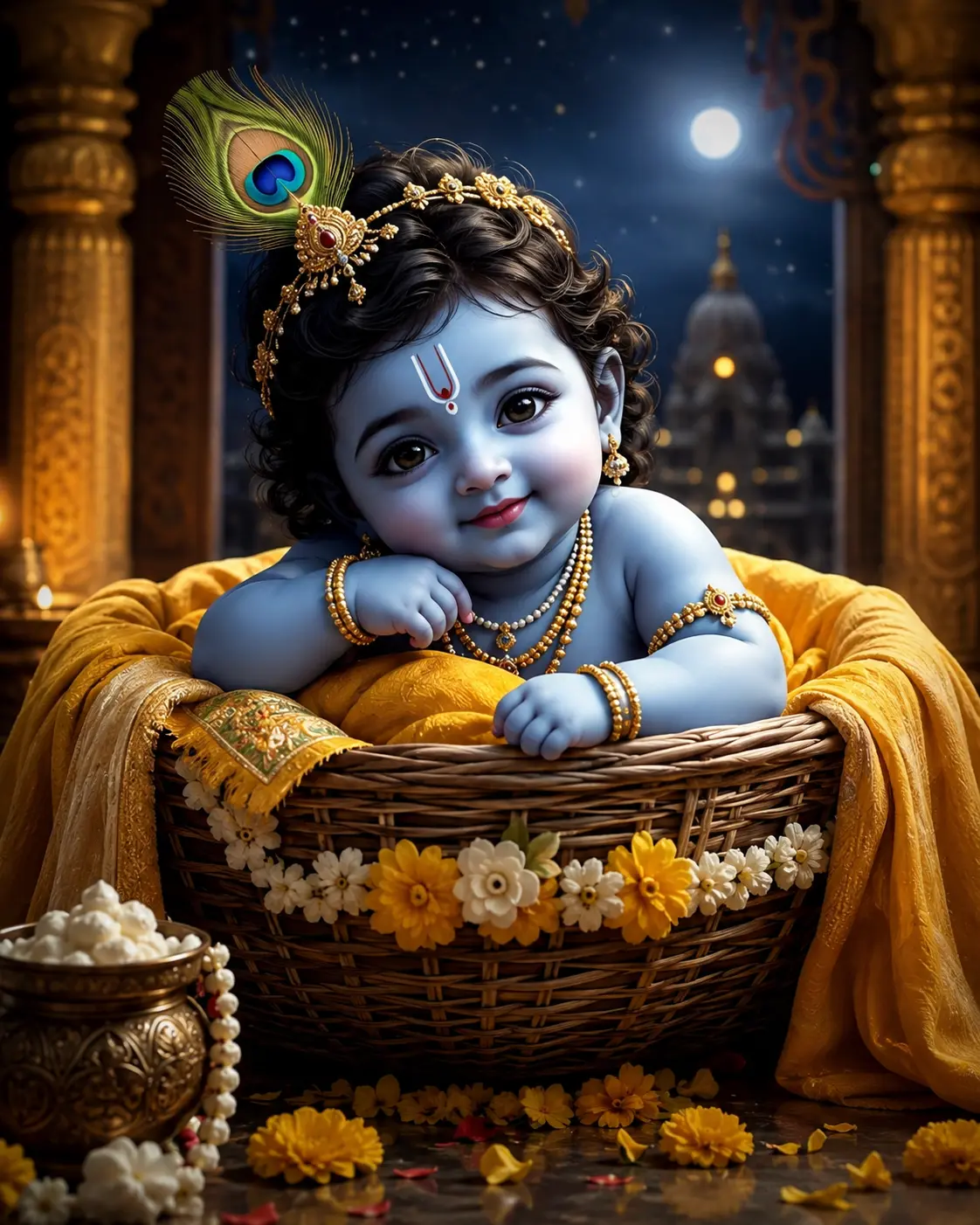
Janmashtami celebrates the birth of Lord Krishna, the eighth avatar of Lord Vishnu.
Krishna is traditionally believed to have been born at midnight in Mathura to Devaki and Vasudeva.
Fasting and midnight worship are among the most important observances of the festival.
Devotees decorate temples and homes with Krishna idols, flowers, lights and Jhanki displays.
The festival represents the victory of dharma over adharma and the divine restoration of righteousness.
Krishna Janmashtami commemorates the birth of Lord Krishna, the eighth incarnation of Lord Vishnu. It is observed on the Ashtami Tithi of Krishna Paksha in the month of Bhadrapada.
In 2026, Janmashtami will be observed on Friday, September 4. The Ashtami Tithi begins early on September 4 and continues into the early hours of September 5.
Why is Janmashtami celebrated?
According to Hindu tradition, Krishna was born in Mathura to Devaki and Vasudeva at midnight while the kingdom was under the rule of the tyrannical King Kansa.
Kansa had been warned that Devaki's eighth child would become the cause of his downfall. Krishna's birth therefore represents the arrival of divine power to restore dharma and righteousness.
Major traditions
Devotees observe a fast throughout the day.
Temples and homes are decorated with flowers and lights.
Laddu Gopal, the child form of Krishna, is beautifully dressed.
Panchamrit abhishek is performed at midnight.
Devotees sing bhajans and kirtans.
Krishna's birth is celebrated around midnight.
Butter, mishri, milk, fruits and sweets are offered as bhog.
Many places organize Raas Leela performances.
What is Krishna Janmashtami?
Krishna Janmashtami is a sacred Hindu festival observed with devotion and religious rituals. It holds deep spiritual significance in the Hindu lunar calendar.
When is Krishna Janmashtami observed?
The exact date changes every year based on the Hindu lunar calendar. Check the Daily Panchang on GuruCool for accurate tithi and muhurat timings.
What are the main rituals of Krishna Janmashtami?
Devotees observe fasts, perform puja, chant mantras, and engage in charitable activities during Krishna Janmashtami. Specific rituals vary by region and family tradition.
What is the spiritual significance of Krishna Janmashtami?
Krishna Janmashtami holds great religious importance in Hinduism. Observing it with full devotion is believed to bring blessings, ancestral merit, and spiritual liberation.
How can I get guidance for Krishna Janmashtami rituals?
You can consult expert Vedic astrologers on GuruCool for personalized guidance on performing rituals correctly as per your birth chart and family tradition.