




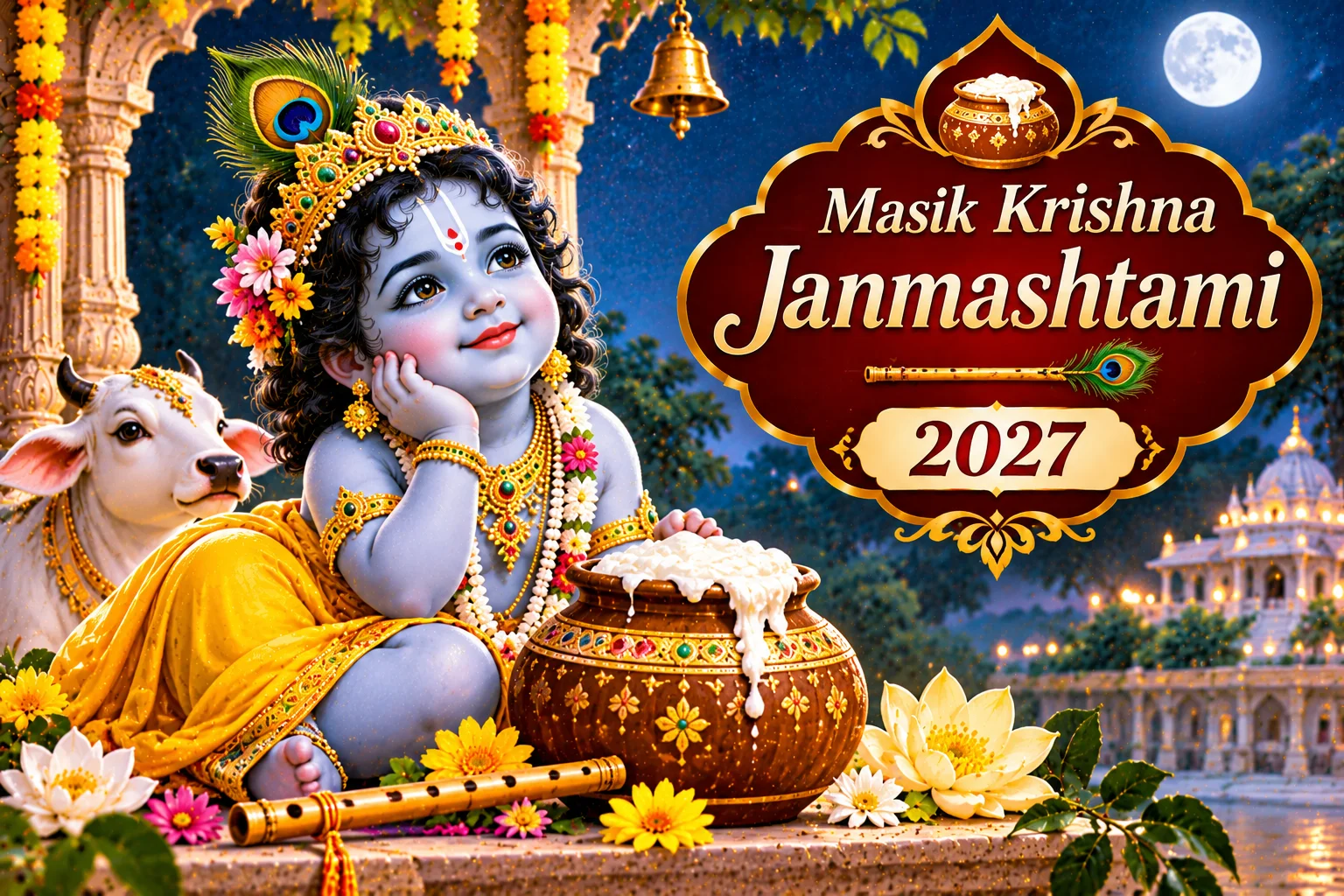
Masik Krishna Janmashtami, also known as Masik Janmashtami, Masik Krishnashtami and Krishna Ashtami Vrat, is a monthly Hindu observance dedicated to Lord Krishna. It is observed on Krishna Paksha Ashtami, the eighth lunar day of the waning fortnight, every lunar month.
Masik Krishna Janmashtami 2027: Date, Puja Timings, Rituals & Stories
Masik Krishna Janmashtami Timings & Panchang
Important festival dates and auspicious timings
Usha Arghya (Sunrise)
05:55 am
Sandhya Arghya (Sunset)
06:52 pm
Start Date
Tuesday, 24 Aug 2027
Puja Muhurat
08:53 pm – 08:25 pm
Masik Krishna Janmashtami
The observance is followed by devotees of Lord Krishna, particularly those belonging to Vaishnava traditions. Worshippers observe a fast, offer prayers to Krishna, chant devotional mantras and remember his divine qualities, teachings and Leelas.
The word Masik means monthly, while Janmashtami refers to the sacred observance associated with the birth of Lord Krishna. The monthly vrata provides devotees with a regular opportunity to strengthen their devotion and remain connected with Krishna throughout the year.
Masik Krishna Janmashtami is distinct from the grand annual Krishna Janmashtami celebration, which commemorates the appearance of Lord Krishna during Bhadrapada Krishna Paksha Ashtami in the North Indian Purnimanta calendar. The monthly observance is performed on Krishna Paksha Ashtami throughout the lunar year.
Devotees generally begin the day with a holy bath and Sankalpa, observe fasting according to their capacity and perform Krishna Puja in the evening or around midnight according to their tradition. Offerings commonly include Panchamrit, Tulsi leaves, Makhan-Mishri, milk, fruits and traditional sweets.
The observance may include recitation of the Bhagavad Gita, Srimad Bhagavatam, Krishna Stotras and devotional Bhajans. Some devotees remain awake during the night, singing Krishna's names and remembering his childhood pastimes.
Lord Krishna is worshipped as the eighth incarnation of Lord Vishnu and is revered as the embodiment of divine love, wisdom, compassion and righteousness. His teachings in the Bhagavad Gita guide devotees towards selfless action, devotion and spiritual knowledge.
Why is Masik Krishna Janmashtami Celebrated?
Masik Krishna Janmashtami is celebrated to worship Lord Krishna and seek his divine blessings through monthly fasting, prayer and remembrance. Devotees observe Krishna Paksha Ashtami as a regular devotional occasion to strengthen their relationship with Krishna and follow the path of Bhakti.
The observance is associated with remembering Lord Krishna's divine appearance and his Leelas. Devotees reflect on his childhood pastimes, his protection of devotees, his teachings in the Bhagavad Gita and his role in establishing Dharma.
The monthly fast encourages self-discipline and spiritual dedication. Worshippers spend the day in prayer, chant Krishna's names, read sacred texts and offer food and flowers to the deity. Some devotees perform worship around midnight as a devotional remembrance of Krishna's birth.
Masik Krishna Janmashtami is also observed to seek peace, prosperity, family well-being and spiritual growth. Devotees pray for freedom from negative tendencies, clarity of thought and the strength to follow a righteous path.
- To worship Lord Krishna and seek his divine blessings.
- To remember Krishna's divine appearance and Leelas.
- To strengthen devotion through monthly fasting and prayer.
- To seek peace, happiness and prosperity in family life.
- To develop compassion, humility and self-discipline.
- To understand and follow the teachings of the Bhagavad Gita.
- To seek protection from difficulties and negative influences.
- To cultivate love, faith and surrender towards Lord Krishna.
- To pray for wisdom, knowledge and spiritual progress.
History and Traditional Significance of Masik Krishna Janmashtami
The Divine Significance of Lord Krishna
Lord Krishna is one of the most beloved and widely worshipped deities in Hinduism. He is regarded as the eighth incarnation of Lord Vishnu and is revered as the divine protector of Dharma, the source of spiritual wisdom and the embodiment of divine love.
Krishna is worshipped in many forms, including Bal Krishna, Gopal, Govinda, Madhava, Keshava, Dwarkadhish, Parthasarathi and Shrinathji. Each form highlights a different aspect of his divine personality and Leelas.
As Bal Krishna, he is remembered for his childhood pastimes in Gokul and Vrindavan. As Govinda, he is associated with the protection of cows and the joy of pastoral life. As the teacher of the Bhagavad Gita, he guides Arjuna towards duty, devotion and spiritual knowledge.
Masik Krishna Janmashtami provides devotees with an opportunity to remember these divine qualities throughout the year. The observance encourages worshippers to deepen their devotion through fasting, prayer, scriptural reading and remembrance of Krishna's teachings.
Meaning of Masik Krishna Janmashtami
Masik means monthly, Krishna Paksha refers to the waning phase of the Moon and Ashtami means the eighth lunar day. Masik Krishna Janmashtami is therefore the monthly observance of Krishna Paksha Ashtami dedicated to Lord Krishna.
The observance is also known as Masik Janmashtami or Masik Krishnashtami. It occurs once during each lunar month and is followed by devotees who wish to maintain a regular devotional connection with Lord Krishna.
The monthly observance should be distinguished from the annual Krishna Janmashtami festival. The annual festival commemorates Krishna's divine appearance and has special celebrations associated with his birth in Mathura, while Masik Krishna Janmashtami is a recurring monthly vrata.
The Gregorian date changes every month because the observance follows the Hindu lunar calendar. The exact fasting date is determined according to the relevant Panchang and the tithi-selection rules followed by the devotee's tradition.
Spiritual Significance of Masik Krishna Janmashtami
Strengthening Devotion Towards Lord Krishna
Masik Krishna Janmashtami gives devotees a regular opportunity to remember Lord Krishna and strengthen their devotion. Monthly fasting and worship help maintain a continuous connection with the Divine.
The observance encourages worshippers to develop love, faith and surrender through prayer, Nama Japa and devotional service.
Following the Path of Dharma
Lord Krishna's teachings in the Bhagavad Gita emphasise the importance of Dharma and righteous action. Devotees remember these teachings during the monthly observance and seek guidance for their daily responsibilities.
The festival reminds worshippers to act honestly, fulfil their duties and avoid harmful behaviour even during challenging circumstances.
Selfless Action and Karma Yoga
The Bhagavad Gita explains that individuals should perform their duties without becoming excessively attached to the results of their actions.
Masik Krishna Janmashtami encourages devotees to practise Karma Yoga by working sincerely, accepting outcomes with balance and dedicating their actions to the Divine.
Love and Compassion
Krishna's childhood Leelas and his relationships with the people of Vrindavan represent divine love, affection and compassion.
The observance encourages devotees to treat family members, friends and all living beings with kindness and respect. Loving devotion should be reflected in everyday conduct.
Purification Through Fasting
Fasting is a traditional part of Masik Krishna Janmashtami. It provides an opportunity to practise self-control, regulate desires and dedicate time to prayer and meditation.
How Masik Krishna Janmashtami Is Celebrated
Early Morning Bath and Preparation
Devotees wake up early, take a bath and wear clean clothes. The home and Puja area are cleaned, and an image or idol of Lord Krishna is prepared for worship.
Some devotees begin the day by chanting Krishna's name and reading a few verses from the Bhagavad Gita. A Sankalpa is made to observe the fast with devotion.
Taking the Vrat Sankalpa
After preparing for the observance, devotees sit before Lord Krishna and make a Sankalpa to observe Masik Krishna Janmashtami.
The intention may include prayers for family happiness, good health, prosperity, spiritual knowledge and freedom from difficulties. The Sankalpa can be made in simple devotional language according to family tradition.
Observing the Fast
Devotees traditionally observe a fast during the day. Some follow a strict fast, while others consume fruits, milk and permitted fasting foods according to their health and family tradition.
During the day, worshippers dedicate time to Krishna Nama Japa, reading devotional texts, meditation and listening to Bhajans.
The strictness of fasting varies among Vaishnava communities. Devotees should follow their own tradition and avoid fasting practices that may harm their health.
Preparing the Krishna Puja
In the evening, devotees clean the Puja area and place an image or idol of Lord Krishna on a decorated Chowki. Some families worship Bal Gopal in a small cradle or decorated shrine.
A clean cloth, flowers, Tulsi leaves, incense, a lamp, Panchamrit, Makhan-Mishri, fruits and other Naivedya are arranged for the worship.
Masik Krishna Janmashtami Puja Vidhi (Step by Step)
- 1
Wake Up Early and Take a Bath
Wake up early in the morning, take a bath and wear clean clothes. Clean the home and Puja area. Begin the day by remembering Lord Krishna and preparing for the monthly observance.
- 2
Take the Vrat Sankalpa
Sit before Lord Krishna and make a Sankalpa to observe Masik Krishna Janmashtami with devotion. Pray for spiritual growth, family happiness, prosperity, wisdom and the blessings of the Lord.
- 3
Observe the Fast
Observe the fast according to your health and family tradition. Devotees may follow a complete fast, a fruit-based fast or a simple permitted fasting diet. Spend the day in prayer, Krishna Nama Japa and devotional reading.
- 4
Prepare the Puja Platform
Clean a Chowki and cover it with a fresh cloth. Place an image or idol of Lord Krishna or Bal Gopal on the platform. Arrange flowers, Tulsi leaves, incense, a lamp, Panchamrit, Makhan-Mishri and other Naivedya.
- 5
Invoke Lord Krishna
Masik Krishna Janmashtami Puja Samagri List
Main Puja Materials
- Image or idol of Lord Krishna
- Bal Gopal idol, where worshipped
- Clean Puja Chowki
- Yellow, blue or red Puja cloth
- Small cradle for Bal Gopal, where customary
- Kalasha filled with clean water
- Panchapatra and spoon
- Bell
- Aarti plate
- Mauli or sacred thread
- Small plates for offerings
Panchamrit and Abhishek Materials
- Milk
- Curd
- Ghee
- Honey
- Sugar or Mishri
- Clean water
- Small Abhishek vessel
- Clean cloth for drying the idol
Panchamrit is prepared by combining milk, curd, ghee, honey and sugar. It is used for Abhishek in many Krishna worship traditions, although elaborate Abhishek is not compulsory for every monthly observance.
Mantras and Prayers for Masik Krishna Janmashtami
Masik Krishna Janmashtami Vrat Rules and Fasting Guidelines
Fasting Rules
Devotees traditionally observe a fast on Masik Krishna Janmashtami. The fasting method varies according to Vaishnava traditions, family customs and personal health. Some devotees observe a complete fast, while others consume fruits, milk and permitted fasting foods.
- Begin the fast after taking a bath and making the Sankalpa.
- Some devotees observe a complete fast during the day.
- Others follow a Phalahar fast with fruits, milk and permitted foods.
- Avoid ordinary meals according to your chosen fasting tradition.
- Spend the day in Krishna Nama Japa and devotional activities.
- Follow your Sampradaya's rules for completing the fast.
- Do not undertake a strict fast if it may harm your health.
Lord Krishna Puja Rules
Lord Krishna is the principal deity worshipped on Masik Krishna Janmashtami. Devotees offer flowers, Tulsi leaves, incense, lamps and suitable Naivedya while chanting Krishna's names.
- Keep the Puja area clean.
- Worship Lord Krishna or Bal Gopal with devotion.
- Offer fresh Tulsi leaves and flowers.
- Offer Makhan-Mishri, fruits, milk and suitable sweets.
- Perform Panchamrit Abhishek where customary.
- Chant Krishna mantras and devotional names.
Dos and Don'ts of Masik Krishna Janmashtami
Good Practices (Do's)
- Begin the day with a bath and a sincere Sankalpa.
- Worship Lord Krishna with devotion.
- Offer fresh Tulsi leaves and flowers.
- Offer Makhan-Mishri, fruits, milk and suitable vegetarian Naivedya.
- Perform Panchamrit Abhishek where customary.
- Chant Om Namo Bhagavate Vasudevaya.
Masik Krishna Janmashtami Across Regions
| Region | Local Name |
|---|---|
| Mathura, Uttar Pradesh | Masik Krishna Janmashtami |
| Vrindavan, Uttar Pradesh | Masik Janmashtami |
| Gokul, Uttar Pradesh | Krishna Ashtami Vrat |
| Dwarka, Gujarat | Masik Krishna Ashtami |
| Gujarat | Masik Janmashtami |
| Rajasthan | Masik Krishna Janmashtami |
| Nathdwara, Rajasthan | Shrinathji Krishna Worship |
| Maharashtra | Krishna Ashtami Vrat |
| Madhya Pradesh | Masik Krishna Ashtami |
| Delhi and Haryana | Masik Krishna Janmashtami |
| Bihar | Masik Krishnashtami |
Masik Krishna Janmashtami FAQs
What is Masik Krishna Janmashtami?
Masik Krishna Janmashtami is a monthly Hindu observance dedicated to Lord Krishna. It is observed on Krishna Paksha Ashtami, the eighth lunar day of the waning fortnight, every lunar month.
When is Masik Krishna Janmashtami observed?
Masik Krishna Janmashtami is observed every month on Krishna Paksha Ashtami. Its Gregorian date changes according to the Hindu lunar calendar.
Which deity is worshipped on Masik Krishna Janmashtami?
Lord Krishna is the principal deity worshipped on Masik Krishna Janmashtami. Devotees may worship him as Bal Krishna, Gopal, Govinda, Vasudeva or another form according to their tradition.
Upcoming Festivals
View All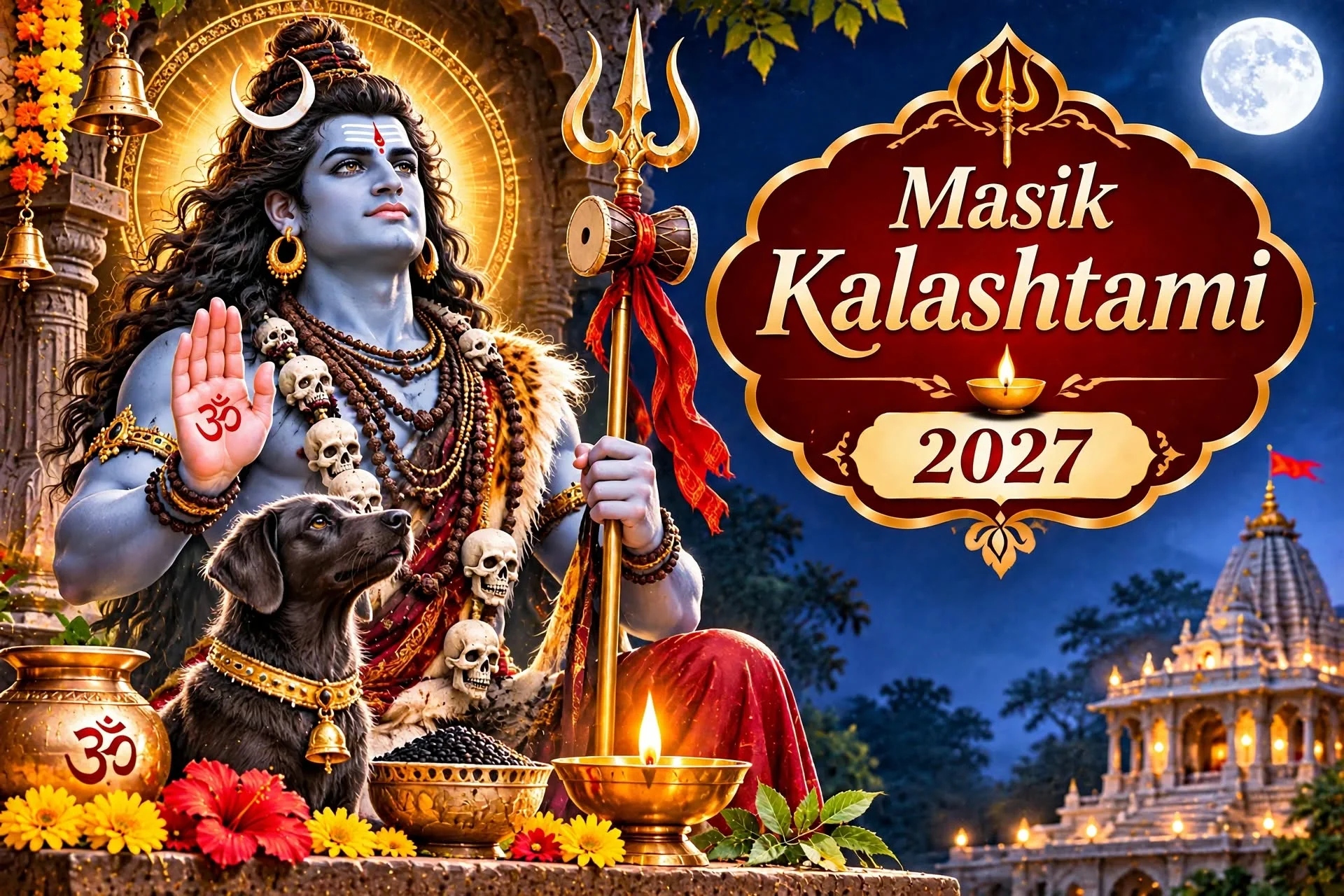
Friday, Jan 29, 2027
Masik Kalashtami
Masik Kalashtami, also known as Masik Kala Ashtami or Kala Ashtami, is a monthly Hindu observance dedicated to Lord Kala Bhairava, a fierce and protective manifestation of Lord Shiva. It is observed on Krishna Paksha Ashtami, the eighth lunar day of the waning fortnight.
View Festival Guide
Tuesday, Feb 2, 2027
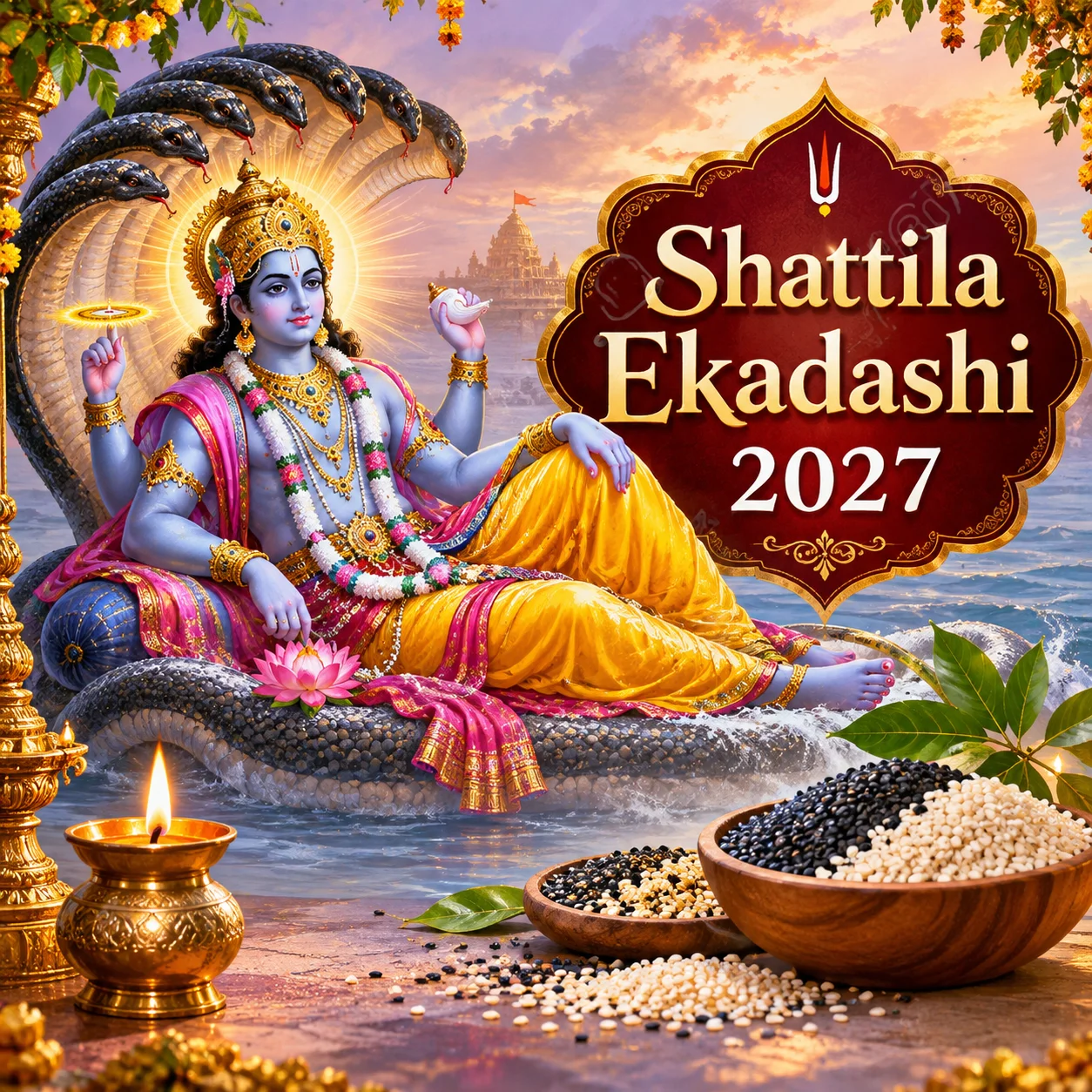
Shattila Ekadashi
Shattila Ekadashi, also known as Sat-Tila Ekadashi, is an important Hindu fasting festival dedicated to Lord Vishnu, observed on the Krishna Paksha Ekadashi (eleventh lunar day of the waning moon) during the month of Magha. The Sanskrit name Shattila is derived from two words: Shat, meaning six, and Tila, meaning sesame seeds. The festival emphasizes the spiritual importance of sesame seeds through six sacred practices associated with purification, worship, ancestral offerings, consumption, and charity.
View Festival Guide
Wednesday, Feb 3, 2027
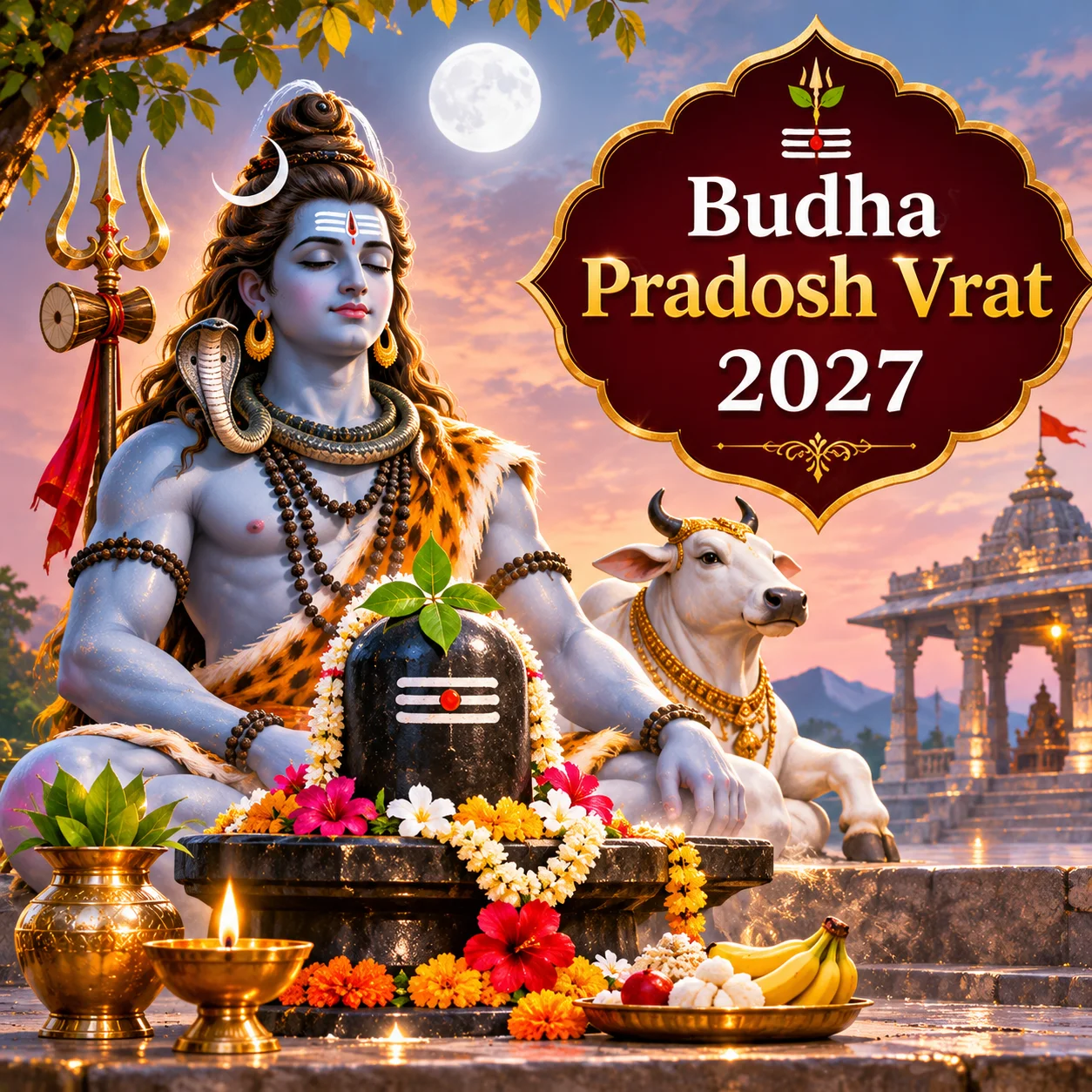
Budha Pradosh Vrat
Budha Pradosh Vrat, also known as Saumya Vara Pradosham, is a sacred bimonthly Hindu observance occurring when the Trayodashi tithi (thirteenth lunar day) coincides with a Wednesday (Budhavara) during the Pradosha Kaal twilight period.
View Festival Guide

Saturday, Feb 6, 2027
Mauni Amavas
Mauni Amavas, also known as Mauni Amavasya or Magha Amavasya, is one of the most sacred and spiritually charged new moon observances in the Hindu liturgical calendar, falling during the auspicious month of Magha (January–February).
View Festival Guide

Saturday, Feb 6, 2027
Surya Grahan
Surya Grahan (Solar Eclipse) is a momentous astronomical and spiritual phenomenon in the Hindu calendar occurring on an Amavasya (new moon day) when the Moon passes between the Sun and the Earth, momentarily obscuring the solar disc from terrestrial view.
View Festival Guide
Saturday, Feb 6, 2027
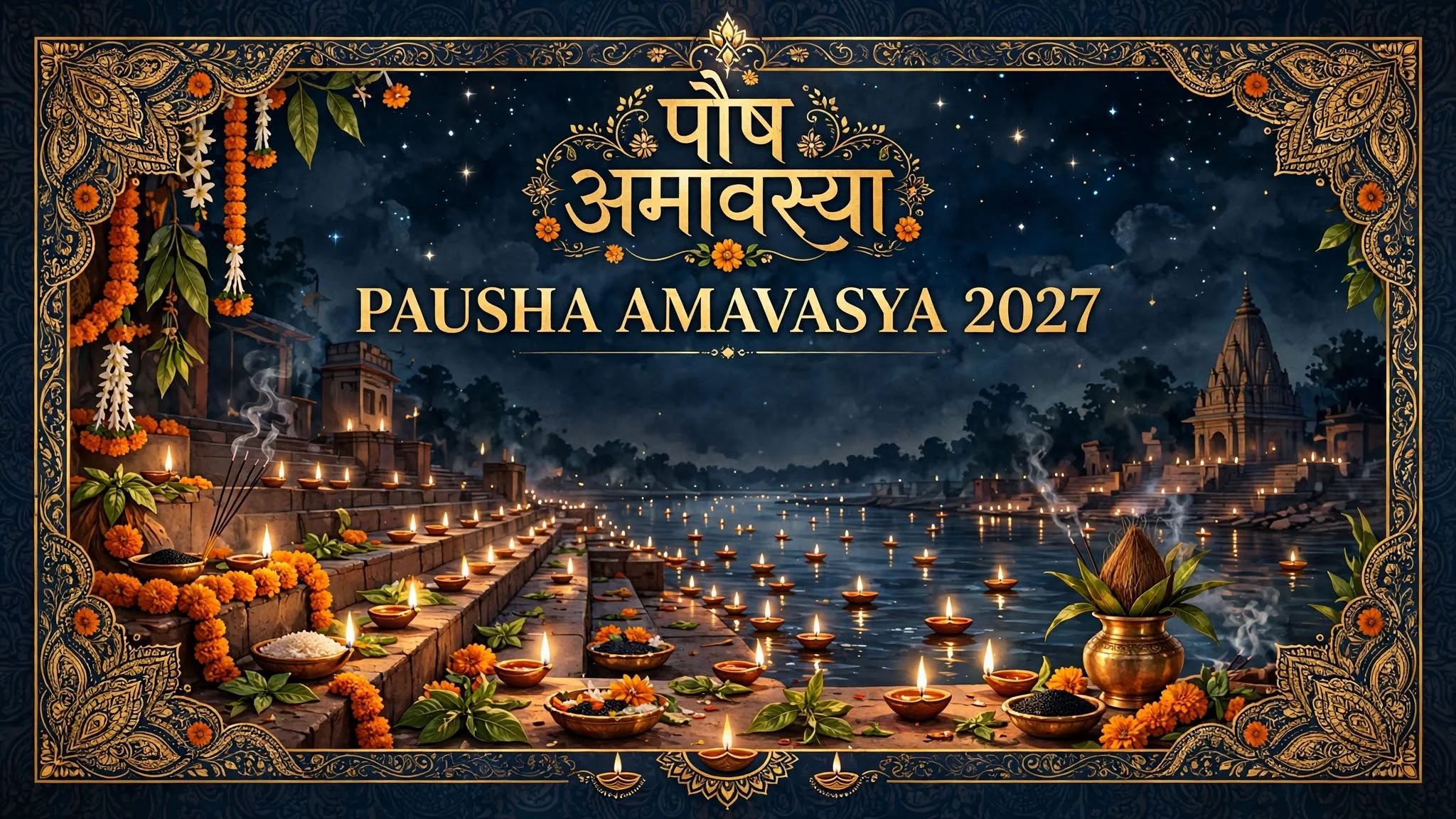
Pausha Amavasya
Pausha Amavasya is an important Hindu observance dedicated to remembering and honouring departed ancestors, known as Pitru. It falls on the Amavasya Tithi, or new-moon day, of the Hindu lunar month of Pausha. Devotees observe this day through sacred bathing, Pitru Tarpan, Shraddha, prayers, charity and acts of service. It is regarded as an appropriate occasion to express gratitude towards ancestors and seek their blessings for the wellbeing of the family.
View Festival Guide

Saturday, Feb 6, 2027
Darsha Amavasya
Darsha Amavasya is a significant new moon observance in the Hindu calendar designating the specific night when the Moon is completely invisible to the human eye, having fully merged into the conjunction of the Sun.
View Festival Guide

Sunday, Feb 7, 2027
Ishti
Ishti is a foundational Vedic ritual observance appearing prominently in Hindu Panchangs on the Pratipada tithi (the first lunar day) following either Amavasya (new moon) or Purnima (full moon), marking the prescribed performance day for the fortnightly Vedic Darsha-Purnamasa sacrifices.
View Festival Guide