





Support

Consult about
Horoscope
Wallpapers
Ringtones
Services
Company
Help
Payments


Refund if not satisfied

Support Available

Privacy Confidentiality
© 2024 GuruCool.life. All rights reserved
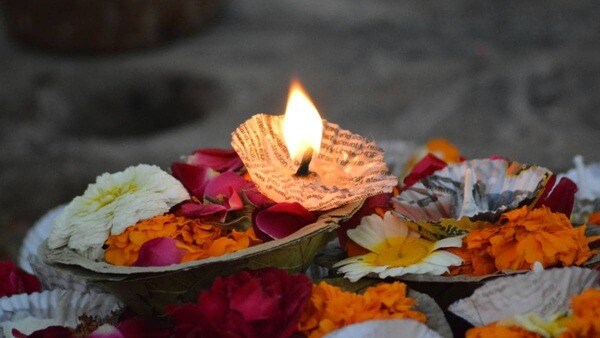
Sarva Pitru Amavasya falls on the Amavasya tithi during Pitru Paksha.
It is also commonly known as Mahalaya Amavasya.
Tarpana, Shraddha, charity, and food offerings are common practices.
In the 2026 Jaipur-region calendar, Amavasya begins on October 9 and ends on October 10
The day is especially useful for ancestral Shraddha when a family's appropriate ancestral tithi is unknown or cannot be observed separately.
Sarva Pitru Amavasya, also known as Mahalaya Amavasya or Pitru Amavasya, is one of the most important days associated with ancestor remembrance in the Hindu tradition. It occurs during Pitru Paksha, the period traditionally dedicated to honoring deceased family members and ancestors. The word 'Pitru' refers to ancestors, while 'Amavasya' refers to the new-moon day. Sarva Pitru Amavasya is especially significant because it provides an opportunity to perform ancestral rituals for family members whose specific death anniversary or tithi may not be known, or for those who could not be honored on another appropriate day during Pitru Paksha.
In Hindu thought, family lineage carries both cultural and spiritual significance. Ancestors are remembered not only as individuals who lived in the past but also as people through whom the present generation received life, traditions, values, and family heritage. Pitru rituals therefore express gratitude, remembrance, responsibility, and respect toward previous generations. The observance is especially important at the conclusion of Pitru Paksha.
Families may perform Shraddha, Tarpana, Pind Daan, or other ancestral rituals according to their regional and family traditions. These rituals are traditionally performed with the intention of offering food, water, prayers, and spiritual merit to departed ancestors. A central idea behind the observance is gratitude. People remember parents, grandparents, great-grandparents, and other departed members of their family.
In some traditions, prayers are offered collectively for ancestors whose names or individual death dates are unknown. This makes Sarva Pitru Amavasya particularly meaningful for families that were unable to perform a separate Shraddha ceremony during the preceding days. The traditional Shraddha ceremony may involve preparing simple food offerings, sesame seeds, water, rice preparations, flowers, and other items prescribed by the family tradition. A priest may guide the family through the appropriate rituals.
Tarpana, which involves offering water while remembering ancestors, is another important practice. Some families also donate food, clothes, or other necessities to people in need as an expression of charity and remembrance. The time of the ritual is important in many traditions. Shraddha is commonly performed during the Aparahna period, and specific Muhurta windows such as Kutup and Rohina may be considered particularly suitable.
Because these timings depend on the local Panchang, families should use their local location when determining the exact ritual time. Sarva Pitru Amavasya also has an emotional dimension. It gives families a structured occasion to remember people who are no longer physically present. In modern life, where generations may be geographically separated, such observances can preserve family history and cultural continuity.
The purpose of the festival is therefore broader than performing a ritual. It represents gratitude toward previous generations, remembrance of family members, respect for one's lineage, charity, and spiritual reflection. It encourages people to acknowledge that their present lives are connected to those who came before them. Many Hindu families conclude their Pitru Paksha observances on this day before beginning preparations for the festive period associated with Navratri.
In this sense, Sarva Pitru Amavasya forms a transition between a period of remembrance and a period of celebration and devotion. The day is best approached with sincerity rather than simply as a formal ceremony. Remembering ancestors, helping others, feeding people, donating according to one's ability, and maintaining a respectful attitude can all express the underlying values of the observance.
What is Sarva Pitru Amavasya?
Sarva Pitru Amavasya is a sacred Hindu festival observed with devotion and religious rituals. It holds deep spiritual significance in the Hindu lunar calendar.
When is Sarva Pitru Amavasya observed?
The exact date changes every year based on the Hindu lunar calendar. Check the Daily Panchang on GuruCool for accurate tithi and muhurat timings.
What are the main rituals of Sarva Pitru Amavasya?
Devotees observe fasts, perform puja, chant mantras, and engage in charitable activities during Sarva Pitru Amavasya. Specific rituals vary by region and family tradition.
What is the spiritual significance of Sarva Pitru Amavasya?
Sarva Pitru Amavasya holds great religious importance in Hinduism. Observing it with full devotion is believed to bring blessings, ancestral merit, and spiritual liberation.
How can I get guidance for Sarva Pitru Amavasya rituals?
You can consult expert Vedic astrologers on GuruCool for personalized guidance on performing rituals correctly as per your birth chart and family tradition.