





Support

Consult about
Horoscope
Wallpapers
Ringtones
Services
Company
Help
Payments


Refund if not satisfied

Support Available

Privacy Confidentiality
© 2024 GuruCool.life. All rights reserved
Sharad Purnima occurs on the full moon of Ashwin.
It is also known as Kojagara or Kojagari Purnima in several regions.
Lakshmi Puja is an important tradition associated with the festival.
Kheer and other milk-based foods are traditionally prepared in many communities.
Sharad Purnima, also known as Kojagara Purnima or Kojagari Purnima in several traditions, is the full-moon festival observed during the month of Ashwin. It is associated with the beauty of the autumn full moon, devotion to Goddess Lakshmi in some traditions, spiritual practices, and the celebration of abundance and prosperity. The word Sharad refers to the autumn season, while Purnima means full moon. The festival is therefore closely connected with the clear autumn night and the full moon.
In many parts of India, devotees consider this full moon particularly auspicious and spend the evening in prayer, devotional activities, and cultural traditions. One of the major traditions associated with Sharad Purnima is Kojagara Puja. The word Kojagara is connected with the question 'Who is awake? ' According to traditional belief, Goddess Lakshmi is associated with prosperity and visits those who remain spiritually awake and devoted during the night.
Devotees may stay awake, perform Lakshmi Puja, light lamps, sing devotional songs, and pray for prosperity and well-being. Food traditions are also an important part of Sharad Purnima. In several regions, milk and rice preparations such as kheer are prepared. Some communities traditionally place the prepared food under moonlight for part of the night before consuming it.
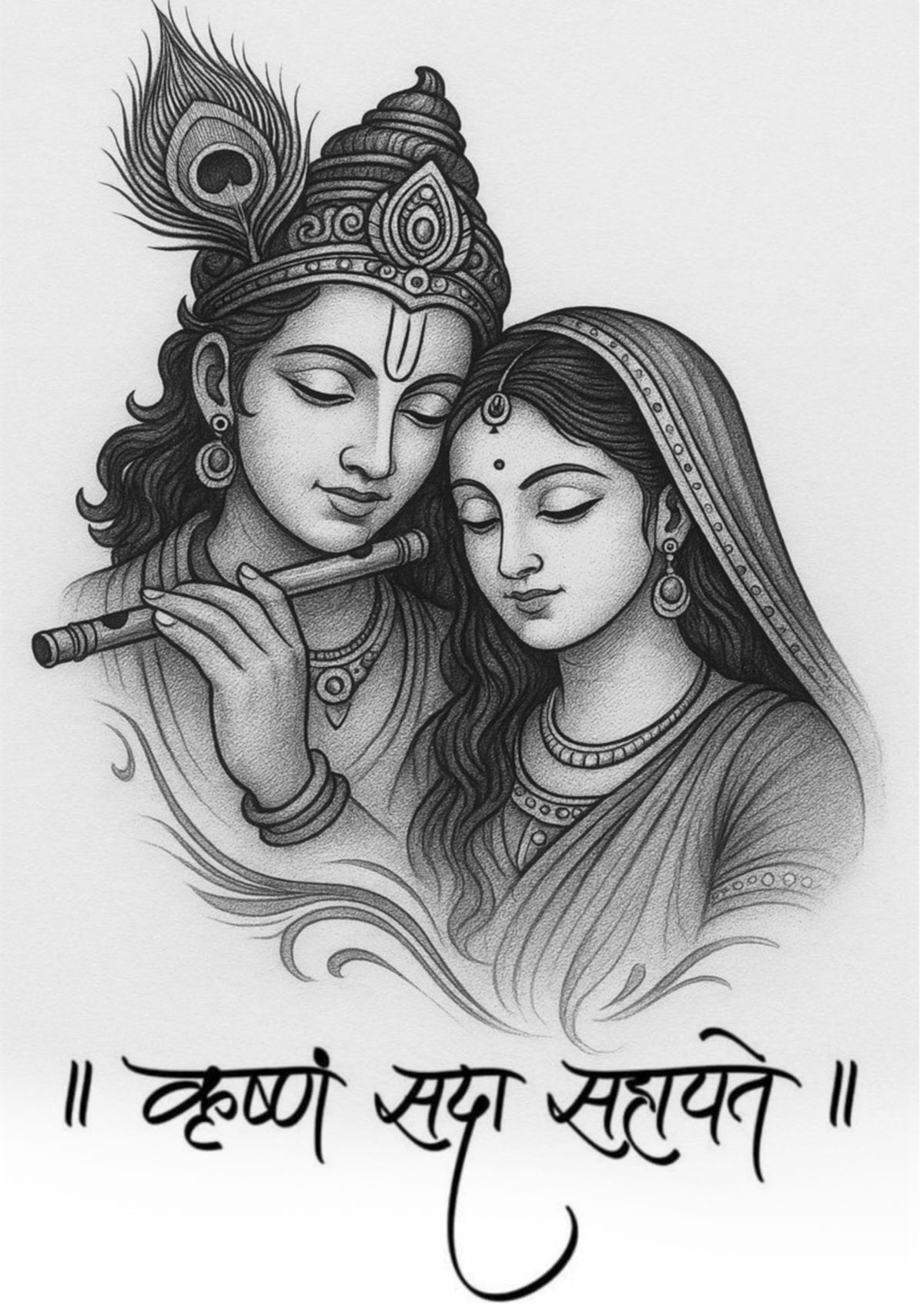
This practice has religious and cultural significance and varies considerably between regions. Sharad Purnima also has an important Vaishnava association. In devotional traditions connected with Krishna, the autumn full moon is associated with the divine Raas Lila described in Vaishnava literature. The Raas Lila represents the relationship between Krishna and his devotees and is celebrated through devotional singing, storytelling, dance, and temple traditions.
The festival is therefore interpreted in several different ways across India. Some communities emphasize Lakshmi worship and prosperity, others focus on Krishna devotion, while others simply observe the sacred full moon through fasting, prayer, meditation, and cultural traditions. Sharad Purnima is also significant because it occurs after Navratri and Dussehra. The period marks a transition from the intense Shakti-centered celebrations of Navratri toward the later Kartika season.
Devotees may clean their homes, decorate entrances, light diyas, prepare traditional sweets, perform Lakshmi Puja, and participate in devotional gatherings. Charity and feeding people are also regarded as meaningful acts. The deeper meaning of Sharad Purnima lies in the ideas of abundance, spiritual awareness, gratitude, purity, and devotion. The full moon provides a natural symbol of completeness and illumination.
Just as the moon illuminates the night, devotees may interpret the festival as an opportunity to seek greater clarity and awareness in their own lives. The Purnima tithi begins at approximately 11: 55 AM on October 25 and ends at approximately 9: 41 AM on October 26. Families may celebrate through prayers, Lakshmi worship, traditional foods, music, temple visits, and staying awake for devotional activities. However, exact rituals differ significantly according to regional traditions.
Sharad Purnima ultimately represents the beauty of the autumn full moon combined with devotion, prosperity, gratitude, and spiritual reflection. It is an important Hindu festival that connects nature, lunar symbolism, religious devotion, and community traditions.
What is Sharad Purnima?
Sharad Purnima is a sacred Hindu festival observed with devotion and religious rituals. It holds deep spiritual significance in the Hindu lunar calendar.
When is Sharad Purnima observed?
The exact date changes every year based on the Hindu lunar calendar. Check the Daily Panchang on GuruCool for accurate tithi and muhurat timings.
What are the main rituals of Sharad Purnima?
Devotees observe fasts, perform puja, chant mantras, and engage in charitable activities during Sharad Purnima. Specific rituals vary by region and family tradition.
What is the spiritual significance of Sharad Purnima?
Sharad Purnima holds great religious importance in Hinduism. Observing it with full devotion is believed to bring blessings, ancestral merit, and spiritual liberation.
How can I get guidance for Sharad Purnima rituals?
You can consult expert Vedic astrologers on GuruCool for personalized guidance on performing rituals correctly as per your birth chart and family tradition.