




Ashadha Amavasya, traditionally revered as Chhad Dahi Amavasya, Deepa Amavasya, or Hariyali Amavasya in several regional calendars, is the solemn new moon tithi concluding the Krishna Paksha of the sacred Hindu month of Ashadha. Falling at the zenith of the monsoon season, this sacred tithi marks an astrological and energetic threshold when the sun and moon align in complete celestial conjunction. In Vedic cosmology, Amavasya is presided over by Aryaman and the ancestral spirits (Pitrus), rendering this day uniquely potent for ancestral libations (Pitru Tarpana), holy river bathing, environmental reverence, and the lighting of auspicious lamps.
Ashadha Amavasya 2027: Date, Puja Timings, Rituals & Stories

Ashadha Amavasya Timings & Panchang
Important festival dates and auspicious timings
Usha Arghya (Sunrise)
05:28 am
Sandhya Arghya (Sunset)
07:23 pm
Start Date
Saturday, 3 Jul 2027
Puja Muhurat
03:23 pm – 12:06 pm
Ashadha Amavasya
Occurring during the holy ascetic period of Chaturmas—when Bhagwan Vishnu rests in cosmic meditative slumber (Yoga Nidra)—Ashadha Amavasya emphasizes deep introspective prayer, spiritual purification, and the expiation of ancestral debts (Pitri Rina). Because monsoon rains have fully arrived, rejuvenating agricultural soils, ancient traditions intertwine ancestral remembrance with the worship of sacred trees such as the Peepal (Ashvattha), Banyan (Vat), and Neem, celebrating the vital link between human life and ecological vitality.
Across Western and Southern India, Ashadha Amavasya is celebrated as Deepa Poojan (Worship of Lamps) or Bheemana Amavasya. Domestic shrines and courtyards are illuminated with brass and clay oil lamps, honoring light as the divine dispel-er of physical and spiritual darkness. Devotees observe strict fasting, perform charitable donations of umbrellas, clothes, and food to the poor, and offer sesame water oblations, seeking divine protection, familial peace, and freedom from karmic afflictions.
Why is Ashadha Amavasya Celebrated?
The observance of Ashadha Amavasya is rooted in sacred Puranic texts including the Garuda Purana, Matsya Purana, and Bhavishya Purana, establishing the indispensable moral and spiritual duty of honoring the departed forefathers.
According to the Garuda Purana, on every Amavasya, departed souls journey from the subtle astral corridors toward their earthly homes in search of water and remembrance. Because Ashadha Amavasya falls within the southern transit of the sun (Dakshinayana)—which represents the active daytime of the Pitrus—libations of pure water mixed with black sesame seeds and kusha grass offered on this day provide immense spiritual nourishment to the ancestors, resolving Pitru Dosha and blessing descendants with health, righteous progeny, and prosperity.
Additionally, the lighting of twenty-four lamps on Deepa Amavasya commemorates the triumph of inner spiritual wisdom over the darkness of ignorance, preparing the household for the auspicious festivities of the upcoming month of Shravana.
- Performing Pitru Tarpana, Shraddha, and Pinda Dana to bring peace and liberation to departed ancestors.
- Illuminating domestic altars with brass and clay lamps on Deepa Amavasya to welcome prosperity.
- Worshiping sacred trees (Peepal, Banyan, Neem) and planting saplings to honor ecological renewal.
- Observing Bheemana Amavasya in Karnataka, where women pray for the longevity of brothers and husbands.
- Distributing vital monsoon charity, including umbrellas, rain gear, food grains, and water vessels.
Puranic Origins in the Garuda Purana and the Legend of Bheemana Amavasya
The Teaching of Lord Vishnu to Garuda on Ancestral Debts
In the Garuda Purana, Lord Vishnu instructs His celestial carrier Garuda on the inescapable reality of karma and the importance of Pitri Rina. The Lord states that among all debts incurred by a human soul, the debt to one's parents and ancestors is primary, as they provided the physical body and moral lineage necessary for spiritual liberation.
Lord Vishnu explains that when descendants offer water with black sesame seeds on Ashadha Amavasya, the celestial pitrus drink the subtle essence and shower blessings of health, intelligence, and family harmony upon the household, protecting the home from malefic astral influences.
The Folk Legend of the Devoted Bride and Bheemana Amavasya
In Southern folklore documented in regional Skanda Purana recensions, an impoverished young Brahmin girl was deceitfully married to a deceased prince whose wealthy royal family sought an auspicious bride to complete his funeral rites. Left alone in a desolate crematorium beside her dead husband on Ashadha Amavasya, the courageous bride refused to despair.
Fashioning two mud lamps (symbolizing Lord Shiva and Goddess Parvati), she worshiped them throughout the stormy night with deep tears of devotion. Moved by her pure love and unshakeable chastity, Shiva and Parvati appeared, breathed life back into the dead prince, and blessed them with a hundred years of prosperous companionship. This miraculous deliverance gave birth to the Bheemana Amavasya tradition, where women prepare flour or mud lamps (Thambittu) and pray for the health and longevity of their male relatives.
Deepa Puja Tradition in Maharashtra and Gujarat
In Maharashtra and Gujarat, Ashadha Amavasya is historically celebrated as Deepa Poojan. Household elders clean, polish, and decorate all metal (brass, copper, silver) and earthen lamps in the home, placing them in an ornate rangoli altar. By invoking Agni Deva and Goddess Mahalakshmi, families pray for the dispelling of discord, poverty, and disease as the dark monsoon clouds gather overhead.
The Dissolution of Mind, The Light of Knowledge, and Ecological Duty
The Metaphysical Stillness of the New Moon
In yogic psychology, the moon represents the fluctuating human mind (Manas). On Amavasya, when the moon is completely unmanifest, mental chatter naturally subsides if harnessed through spiritual discipline. It is a portal of voidness (Shunyata) where the seeker can consciously confront past karmic impressions (Samskaras).
Rather than viewing the new moon with dread, Sanatana Dharma views it as a sacred pause—a day to honor those who have passed on, examine one's conscience, and anchor awareness in the timeless Atman.
The Symbolism of the Lamp (Deepa Tattva)
The clay or brass lamp represents the physical human body; the oil or ghee signifies devotion (Bhakti); the cotton wick symbolizes the focused mind; and the flame represents the light of spiritual knowledge (Jnana). When devotion feeds the focused mind, the radiant light of wisdom destroys the darkness of ego.
Worshiping lamps on Ashadha Amavasya reminds the seeker to remain an unextinguished beacon of truth, kindness, and virtue amidst life's storms.
Ecological Reverence and Tree Worship (Vriksha Puja)
The tradition of circumambulating Peepal and Banyan trees on Ashadha Amavasya highlights ancient Vedic ecological reverence. In the Bhagavad Gita, Lord Krishna states: 'Ashvatthah sarva-vrikshanam' (Among all trees, I am the Peepal). By honoring and planting trees on this rainy tithi, devotees celebrate the divine presence in nature, ensuring oxygen, shade, and rain for future generations.
Morning Tirtha Bathing, Pitru Tarpana, and Deepa Poojan
Morning Ablutions and Sacred Tirtha Snana
Devotees wake up during Brahma Muhurta, take a holy bath in a sacred river or clean water infused with Gangajal and black sesame seeds. Standing facing East, three handfuls of water are offered to Surya Deva, followed by chanting the Gayatri Mantra.
Those observing ancestral rituals proceed to river ghats or prepare a sacred space at home facing South to conduct the afternoon Tarpana.
Afternoon Pitru Tarpana and Feeding of Creatures
During the afternoon (Aparahna period), householders sit on a kusha grass mat, wear a kusha ring (Pavitri), and offer cold water mixed with black sesame seeds from their palms (Pitri Tirtha) to three generations of ancestors. Dedicated food portions are placed outdoors for cows, crows, dogs, and ants (Pancha Bali) to ensure cosmic harmony.
Evening Deepa Poojan and Bheemana Amavasya Rites
In the evening, all domestic oil lamps—including traditional Samai, Niranjan, and earthen diyas—are cleaned, polished, and arranged in an altar decorated with colorful rangoli. The lamps are filled with sesame oil or pure cow ghee, lit with unbleached cotton wicks, and worshiped with turmeric, kumkum, and fresh flowers.
In Karnataka, women prepare sweet dough cones (Kalasa Thambittu) filled with ghee, light them, perform aarti for their brothers and husbands, and tie a consecrated yellow sacred thread (Kankana) around their wrists for protection.
Ashadha Amavasya Puja Vidhi (Step by Step)
- 1
Brahma Muhurta Snana (Purifying Morning Bath)
Wake early before sunrise, take a sacred bath in clean water mixed with Gangajal and black sesame seeds, wearing unstitched traditional white or light-colored garments.
- 2
Surya Arghya and Gayatri Japa (Solar Oblation)
Face East at sunrise, hold pure water mixed with red sandalwood and flowers in a copper vessel, offering Arghya to Surya Deva while chanting the Gayatri Mantra.
- 3
Aparahna Pitru Tarpana (Ancestral Water Oblations)
During the afternoon, sit facing South on a kusha grass mat, wear a kusha ring (Pavitri), and offer clean water mixed with black sesame seeds three times for each departed ancestor.
- 4
Pancha Bali (Offerings to Five Creatures)
Place dedicated portions of consecrated food for cows (Go Bali), crows (Kaka Bali), dogs (Shvan Bali), ants, and traveling mendicants before partaking of any meal.
- 5
Vriksha Puja and Ropana (Worshiping and Planting Trees)
Ashadha Amavasya Puja Samagri List
Pitru Tarpana and Sacred Bathing Materials
- Fresh Kusha grass mats and kusha grass finger rings (Pavitri)
- Unpolished black sesame seeds (Kala Til) and white barley grains (Jau)
- Clean copper or brass Tarpana vessel and Gangajal
- Cooked white rice mixed with honey, milk, and ghee for Pinda offerings
Deepa Poojan and Altar Samagri
- Traditional brass lamps (Samai, Niranjan) and natural earthen clay diyas
- Pure unadulterated sesame oil (Til ka Tel) or pure cow ghee
- Clean white cotton wicks, organic Kumkum, and turmeric powder
- Fresh yellow marigold flowers, red hibiscus, and fragrant rose petals
- Natural camphor (Karpura) and fragrant guggulu incense sticks
Naivedya and Mahadana Offerings
- Sweet rice pudding (Kheer) cooked with cow milk, cardamom, and saffron
- Fresh seasonal monsoon fruits: mangoes, bananas, apples, and pomegranate
- Black rain umbrellas, earthen water pots (Ghada), and cotton dhotis for donation
- Dry grain donation kits containing wheat flour, rice, jaggery, and salt
Mantras and Prayers for Ashadha Amavasya
Ashadha Amavasya Vrat Rules and Fasting Guidelines
Dietary Code and Fasting Injunctions
Devotees observe fasting on Ashadha Amavasya until the conclusion of the afternoon Pitru Tarpana or evening Deepa Poojan. While some observe a water-only fast, householders generally partake of a single sattvic vegetarian meal in the evening. Grains consumed must be prepared without onions, garlic, mushrooms, or heavy spices, using pure rock salt (Sendha Namak).
- Total prohibition of all non-vegetarian food, alcohol, tobacco, onions, and garlic.
- Fasting is maintained until the completion of ancestral libations and evening lamp worship.
- Food must be offered to cows, crows, and the destitute before personal consumption.
Moral Discipline and Conduct
Devotees maintain truthfulness, calmness of mind, and compassionate speech throughout the day. Initiating secular milestone ceremonies like weddings or entering new homes is avoided on Amavasya, reserving all energy for ancestral gratitude and spiritual sadhana.
Dos and Don'ts of Ashadha Amavasya
Good Practices (Do's)
- Wake up during Brahma Muhurta, take a holy bath with Gangajal, and offer Arghya to Surya Deva.
- Perform Pitru Tarpana using black sesame seeds and clean water during the afternoon.
- Clean, polish, and light all brass and clay lamps in the domestic shrine in the evening.
- Plant new saplings and worship mature Peepal or Banyan trees with water and lamps.
- Feed cows, crows, dogs, and poor people before partaking of your own food.
Ashadha Amavasya Across Regions
| Region | Local Name |
|---|---|
| Maharashtra and Goa | Deepa Amavasya / Gatari Amavasya |
| Karnataka and Andhra Pradesh | Bheemana Amavasya / Gandada Gauri |
| North India (Uttar Pradesh, Rajasthan, Madhya Pradesh) | Hariyali Amavasya / Chhad Dahi Amavasya |
Ashadha Amavasya FAQs
Why is Ashadha Amavasya called Deepa Amavasya?
It is called Deepa Amavasya because on this evening, families clean, polish, and light all traditional metal and clay lamps in the household, performing a special puja to welcome divine light and dispel monsoon darkness.
What is Bheemana Amavasya celebrated in Karnataka?
Bheemana Amavasya is a traditional observance in Karnataka where women fast and worship Lord Shiva and Goddess Parvati through dough lamps (Thambittu), praying for the health, prosperity, and longevity of brothers and husbands.
Why is Pitru Tarpana performed on Ashadha Amavasya?
Ashadha Amavasya falls within Dakshinayana (the active daytime of the ancestors). Offering water libations with black sesame seeds satisfies the departed forefathers, mitigating Pitru Dosha and bringing peace to the lineage.
Upcoming Festivals
View All
Monday, Aug 2, 2027
Anvadhan
Anvadhan (अन्वाधान) is an ancient, highly revered Vedic ritual and spiritual observance in Sanatana Dharma performed on the day immediately preceding the New Moon (Amavasya) or Full Moon (Purnima). Rooted in the pristine traditions of the Shrauta and Grihya Sutras, Anvadhan literally translates to 'the solemn placing and replenishment of sacred fuel wood into the consecrated Vedic fires'. In traditional Vedic ritualism, householders (Grihasthas) and priests who maintain the sacred Agnihotra fires perform Anvadhan to prepare the sacrificial altars for the grand Darsha Yajna (New Moon sacrifice) or Paurnamasa Yajna (Full Moon sacrifice) scheduled for the following day.
View Festival Guide

Monday, Aug 2, 2027
Somavati Amavasya
Somavati Amavasya is an exceedingly rare, sacred, and astrologically exalted Hindu fasting and pilgrimage observance that occurs when the New Moon day (Amavasya tithi) coincides with a Monday (Somavara). In Vedic tradition, Monday is governed by Soma (the Moon God / Chandra Deva) and is supremely sacred to Lord Shiva, who adorns the crescent moon upon His crown as Chandrashekhara. When the quiet, contemplative energy of Amavasya merges with the gentle, nectarine cooling rays of Monday, it creates an extraordinary cosmic alignment that is lauded across Sanatana Dharma as the 'King of all Amavasyas'.
View Festival Guide

Monday, Aug 2, 2027
Darsha Amavasya
Darsha Amavasya is a significant new moon observance in the Hindu calendar designating the specific night when the Moon is completely invisible to the human eye, having fully merged into the conjunction of the Sun.
View Festival Guide

Monday, Aug 2, 2027
Surya Grahan
Surya Grahan (Solar Eclipse) is a momentous astronomical and spiritual phenomenon in the Hindu calendar occurring on an Amavasya (new moon day) when the Moon passes between the Sun and the Earth, momentarily obscuring the solar disc from terrestrial view.
View Festival Guide

Tuesday, Aug 3, 2027
Ishti
Ishti is a foundational Vedic ritual observance appearing prominently in Hindu Panchangs on the Pratipada tithi (the first lunar day) following either Amavasya (new moon) or Purnima (full moon), marking the prescribed performance day for the fortnightly Vedic Darsha-Purnamasa sacrifices.
View Festival Guide

Tuesday, Aug 3, 2027
Chandra Darshana
Chandra Darshana is a revered monthly Hindu observance dedicated to sighting, venerating, and offering oblation to the delicate waxing crescent Moon immediately following the new moon (Amavasya), typically occurring during the twilight of Shukla Paksha Pratipada or Dwitiya.
View Festival Guide
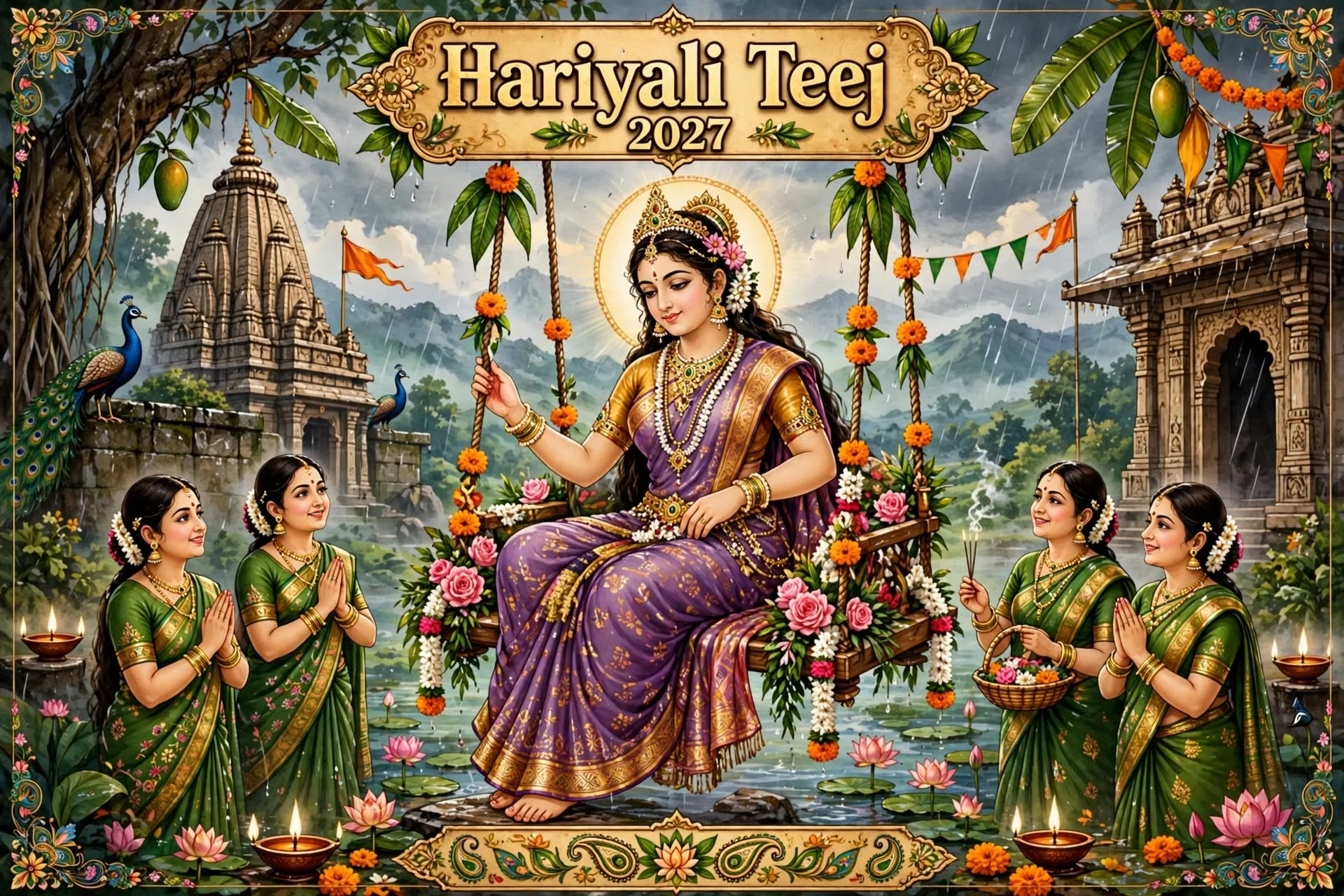
Wednesday, Aug 4, 2027
Hariyali Teej
Hariyali Teej, also renowned as Chhoti Teej or Shravana Teej, is a radiant and joyful Hindu festival celebrated on the third lunar day (Tritiya) of the Shukla Paksha (waxing phase of the moon) in the monsoon month of Shravana (falling in late July). The festival heralds the arrival of the life-giving Indian monsoon, when parched landscapes are transformed into lush green tapestries ('Hariyali'), symbolizing ecological rejuvenation, fertility, and marital harmony.
View Festival Guide
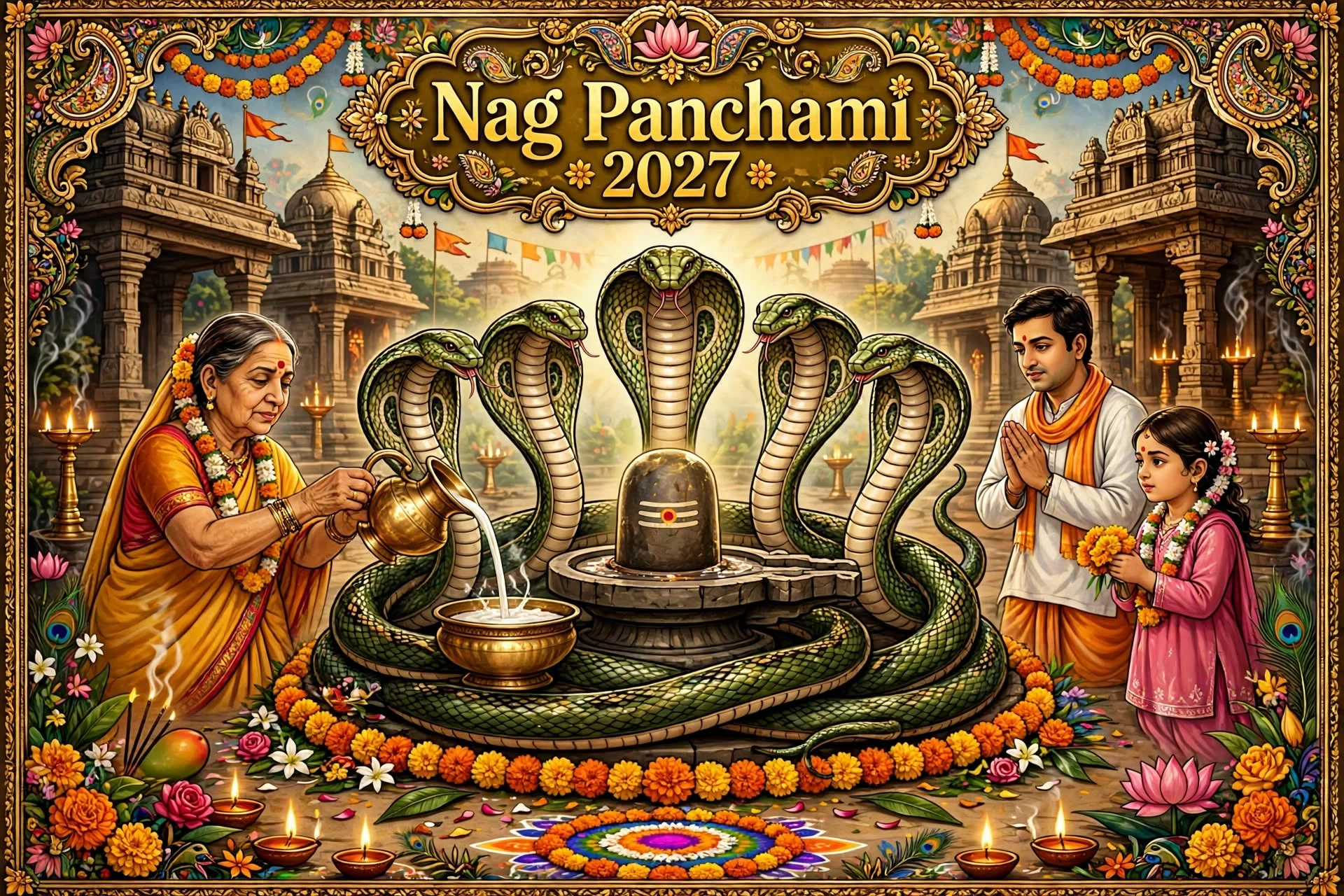
Friday, Aug 6, 2027
Nag Panchami
Nag Panchami is an ancient and profound Hindu festival dedicated to the worship of serpent deities (Nagas), observed on the fifth lunar day (Panchami) of the Shukla Paksha (waxing phase of the moon) in the holy monsoon month of Shravana (falling in late July). Revered across the Indian subcontinent since Vedic times, this sacred day acknowledges the spiritual, ecological, and cosmological significance of serpents within Sanatana Dharma.
View Festival Guide