




Apara Ekadashi, also known as Achala Ekadashi, is a sacred Hindu fasting observance dedicated to Lord Vishnu. It falls on the Ekadashi Tithi, the eleventh lunar day of Krishna Paksha in the month of Jyeshtha according to the Purnimanta calendar. In the Amanta calendar followed in several western and southern Indian regions, the same observance is associated with Vaishakha Krishna Paksha.
Apara Ekadashi 2027: Date, Puja Timings, Rituals & Stories

Apara Ekadashi Timings & Panchang
Important festival dates and auspicious timings
Usha Arghya (Sunrise)
05:40 am
Sandhya Arghya (Sunset)
06:57 pm
Start Date
Sunday, 2 May 2027
Puja Muhurat
06:54 pm – 07:52 pm
Apara Ekadashi
The Sanskrit word Apara is commonly understood as boundless, immeasurable or unlimited. The observance is associated with the belief that sincere devotion, fasting, charity and remembrance of Lord Vishnu bring great spiritual merit. Achala means firm or unwavering and is another traditional name associated with this Ekadashi.
Apara Ekadashi is described in the Ekadashi Mahatmya tradition as an observance that helps devotees seek purification from wrongdoing and progress towards spiritual liberation. Lord Krishna explains its significance to King Yudhishthira in the traditional account preserved in the Padma Purana's Uttara Khanda.
The observance is also associated with Lord Vishnu in His Trivikrama form. Trivikrama refers to the divine form of Vishnu who measured the three worlds in three strides in the Vamana incarnation. Devotees worship Vishnu, offer Tulasi leaves, flowers, fruits and incense, chant sacred names and listen to the Apara Ekadashi Vrat Katha.
A popular Katha associated with Apara Ekadashi narrates the story of King Mahidhwaja, who was murdered by his younger brother Vajradhwaja and became a restless spirit. Sage Dhaumya discovers his condition and helps him attain liberation through the spiritual merit of Apara Ekadashi. This story is widely circulated in devotional Katha traditions, although its textual attribution varies between published versions.
Devotees traditionally observe a fast, avoid grains and beans according to their chosen Ekadashi rules, worship Lord Vishnu and remain engaged in prayer and devotional activities. The fast is generally completed on Dwadashi during the prescribed Parana period, which should be determined using the local Panchang.
Why is Apara Ekadashi Celebrated?
Apara Ekadashi is observed to worship Lord Vishnu and seek spiritual purification through fasting, prayer, charity and devotional discipline. The Ekadashi Mahatmya tradition describes the spiritual merit of this observance as exceptionally significant. Lord Krishna explains to Yudhishthira that Apara Ekadashi is associated with the removal of grave wrongdoing and the attainment of religious merit.
The observance also encourages devotees to reflect on honesty, compassion, responsibility and righteous conduct. The traditional Mahidhwaja Katha illustrates the importance of helping others and sharing the merit of religious observances for the welfare of another being.
- To worship Lord Vishnu and seek His blessings through fasting and devotion.
- To observe the sacred Ekadashi Tithi of Jyeshtha Krishna Paksha.
- To cultivate truthfulness, self-control, compassion and righteous conduct.
- To seek spiritual purification and freedom from negative actions.
- To remember the divine Trivikrama form of Lord Vishnu.
- To practise charity, service and assistance to people in need.
- To listen to the Apara Ekadashi Vrat Katha and understand its moral teachings.
- To strengthen devotion through Vishnu mantra recitation, bhajans and prayers.
The spiritual benefits described in Ekadashi scriptures are traditional religious beliefs. They are not measurable guarantees of material prosperity, health or freedom from the consequences of every action.
Historical Background and Traditional Legends of Apara Ekadashi
Lord Krishna Explains the Glory of Apara Ekadashi
The traditional Apara Ekadashi Mahatmya begins with King Yudhishthira asking Lord Krishna about the Ekadashi that falls during the dark fortnight of Jyeshtha. Yudhishthira wishes to understand the name, religious importance and spiritual benefits of this sacred observance.
Lord Krishna explains that this Ekadashi is known as Apara and is associated with immeasurable religious merit. The account describes the observance as an important means of spiritual purification. It lists serious forms of wrongdoing, including false testimony, slander, dishonesty in transactions and disrespect towards one's spiritual teacher, to illustrate the importance of righteous conduct.
The traditional account compares the merit of observing Apara Ekadashi with several significant religious activities, including pilgrimages, sacred bathing and charitable offerings. These comparisons communicate the high devotional importance assigned to the observance in the Ekadashi tradition.
The Padma Purana's Uttara Khanda contains a discourse in which Lord Krishna explains the glory of Apara Ekadashi to Yudhishthira. Chapter numbering and textual arrangement can differ between editions and recensions.
The Story of King Mahidhwaja
A popular story associated with Apara Ekadashi tells of King Mahidhwaja, a righteous ruler known for his religious conduct and good administration. His younger brother Vajradhwaja was jealous of his position and reputation. Unlike Mahidhwaja, Vajradhwaja was cruel and driven by jealousy.
One night, Vajradhwaja murdered his elder brother and secretly buried his body beneath a Peepal tree in a forest. Because of his violent and untimely death, Mahidhwaja's spirit was believed to remain restless. In the traditional narrative, he became a spirit associated with the Peepal tree and troubled people who passed through the area.
The spirit's condition continued until Sage Dhaumya passed through the forest. Through his spiritual insight, the sage understood the king's history and discovered the reason for his restless existence. Moved by compassion, Dhaumya approached the spirit and helped it understand its circumstances.
Spiritual Significance of Apara Ekadashi
The Meaning of Apara
The word Apara is traditionally understood as boundless or immeasurable. The name expresses the devotional belief that the spiritual merit associated with this Ekadashi is exceptionally great. Devotees therefore observe the fast with sincerity, discipline and remembrance of Lord Vishnu.
Achala, another name associated with the observance, means firm or unwavering. It can be understood as a reminder to maintain steady faith, ethical conduct and devotion even during difficult circumstances.
Worship of Lord Vishnu
Lord Vishnu is the principal deity worshipped on Apara Ekadashi. Vishnu is revered as the preserver and protector of the universe in Hindu traditions. Devotees offer prayers, Tulasi leaves, yellow flowers, incense, lamps and fruits while chanting His sacred names.
The observance encourages devotees to turn their attention away from unnecessary distractions and towards spiritual reflection. Reading Vishnu-related scriptures and listening to devotional accounts are considered meaningful ways of spending the Ekadashi day.
Significance of Trivikrama
Trivikrama represents the cosmic manifestation of Lord Vishnu in the Vamana narrative. His three strides symbolize the divine presence extending across the three worlds. Worshipping this form on Apara Ekadashi reminds devotees of the greatness of Vishnu and the importance of surrendering ego before the divine.
The story of Vamana and King Bali also highlights humility, generosity and the importance of keeping one's promises. These qualities complement the ethical teachings associated with Apara Ekadashi.
Purification Through Devotion
The Ekadashi Mahatmya describes the observance as a means of seeking purification from wrongdoing. The emphasis is not merely on abstaining from food but also on improving one's thoughts, speech and conduct.
How to Celebrate Apara Ekadashi
Preparation on Dashami
The preparation for Apara Ekadashi begins on Dashami, the tenth lunar day preceding the fast. Devotees traditionally maintain cleanliness, follow a simple sattvic diet and avoid excessive indulgence. Some traditions recommend taking the evening meal early and avoiding heavy or unsuitable foods.
Devotees may clean the place of worship and arrange an image or idol of Lord Vishnu. Tulasi leaves, yellow flowers, fruits, incense, a lamp and other worship materials can be prepared in advance.
Morning Rituals on Ekadashi
On Ekadashi morning, devotees wake up, bathe and wear clean clothes. They remember Lord Vishnu and take a sankalpa to observe Apara Ekadashi according to their ability and family tradition.
A simple Vishnu Puja may be performed in the morning. Devotees offer water, flowers, Tulasi leaves, sandalwood paste and incense. They may chant Om Namo Bhagavate Vasudevaya or Vishnu Sahasranama.
Observing the Ekadashi Fast
Many devotees observe a fast throughout the Ekadashi day. Common fasting practices include a complete fast, a water-permitted fast, a fruit-based fast or a simple vrat meal. The chosen method depends on health, personal capacity and family tradition.
Devotees commonly avoid grains and pulses on Ekadashi. Some traditions also avoid certain vegetables and other foods. The specific food restrictions should be followed according to the observance practiced by the family.
Worship of Lord Vishnu
Devotees worship Lord Vishnu throughout the day, with particular attention to prayer and remembrance. The deity may be worshipped in the form of Vishnu, Narayana, Krishna or Trivikrama according to the family's devotional tradition.
Offer Tulasi leaves, yellow flowers, sandalwood paste, incense, a lamp and suitable fruits. Devotees may recite Vishnu Sahasranama, Vishnu mantras, Bhagavad Gita verses or other devotional prayers.
Apara Ekadashi Puja Vidhi (Step by Step)
- 1
Clean the Worship Area
Clean the home and the place of worship. Arrange an image or idol of Lord Vishnu, Narayana, Krishna or Trivikrama on a clean platform. Keep the puja materials ready.
- 2
Take a Morning Bath
Wake up early and take a bath. Wear clean clothes and prepare yourself for the observance with a calm and devotional mind.
- 3
Take the Sankalpa
Sit before Lord Vishnu and take a sincere resolution to observe Apara Ekadashi according to your capacity. Pray for devotion, self-control and the strength to follow righteous conduct.
- 4
Remember Lord Ganesha
Begin the household worship by remembering Lord Ganesha and praying for the successful completion of the puja, following the customary practice of the family.
- 5
Invoke Lord Vishnu
Meditate upon Lord Vishnu and Goddess Lakshmi. Offer prayers and remember Vishnu as the protector and preserver of the universe.
Apara Ekadashi Puja Samagri List
Deity and Worship Arrangements
Arrange the following materials for the worship of Lord Vishnu and Goddess Lakshmi.
- Idol or picture of Lord Vishnu
- Picture or idol of Goddess Lakshmi
- Image of Lord Trivikrama, if available
- Clean puja cloth
- Puja thali
- Kalash
- Clean water
- Sandalwood paste
- Roli or kumkum
- Akshat (unbroken rice)
Flowers and Sacred Offerings
These materials are commonly used for devotional offerings during Vishnu Puja.
- Fresh Tulasi leaves
- Yellow flowers
- Marigold flowers
- Lotus flowers, if available
- Fresh seasonal fruits
- Coconut
- Betel leaves, according to tradition
- Betel nuts, according to tradition
Mantras and Prayers for Apara Ekadashi
Apara Ekadashi Vrat Rules and Fasting Guidelines
Preparation on Dashami
Devotees traditionally begin preparing for Ekadashi on Dashami, the tenth lunar day. The intention is to maintain cleanliness, moderation and a disciplined routine before beginning the fast.
- Eat simple and sattvic food.
- Avoid overeating and excessive indulgence.
- Keep the place of worship clean.
- Prepare the materials needed for Vishnu Puja.
- Maintain truthful and respectful conduct.
- Follow the preparation rules of your family tradition.
Fasting on Apara Ekadashi
Fasting is a central practice of Apara Ekadashi. Different devotees observe different levels of fasting according to their capacity and tradition. A complete fast is not suitable for everyone.
- Some devotees observe a complete fast.
- Some devotees consume water and fruits.
- Some follow a fruit-based or milk-based fast.
- Some take one simple permitted vrat meal.
- Avoid grains and pulses according to the Ekadashi rules followed by your tradition.
- Do not force a strict fast if it affects your health.
Foods Commonly Avoided
Many Ekadashi traditions restrict foods considered unsuitable for the fast. Exact dietary restrictions vary between communities and household customs.
Dos and Don'ts of Apara Ekadashi
Good Practices (Do's)
- Observe Apara Ekadashi with sincere devotion to Lord Vishnu.
- Consult the local Panchang for the correct Ekadashi and Dwadashi Parana timings.
- Take a bath and wear clean clothes before worship.
- Offer Tulasi leaves, flowers, fruits and suitable naivedya.
- Chant Om Namo Bhagavate Vasudevaya.
- Read or listen to the Apara Ekadashi Vrat Katha.
Apara Ekadashi Across Regions
| Region | Local Name |
|---|---|
| North India | Apara Ekadashi / Achala Ekadashi |
| Rajasthan and Western India | Achala Ekadashi / Apara Ekadashi |
| Gujarat | Apara Ekadashi |
| Maharashtra | Apara Ekadashi |
| South India | Apara Ekadashi |
| Odisha | Apara Ekadashi |
Apara Ekadashi FAQs
What is Apara Ekadashi?
Apara Ekadashi is a Hindu fasting observance dedicated to Lord Vishnu. It falls on the Krishna Paksha Ekadashi of Jyeshtha in the Purnimanta calendar and is associated with devotion, fasting, charity and spiritual purification.
What is another name for Apara Ekadashi?
Apara Ekadashi is also known as Achala Ekadashi. Achala means firm or unwavering, while Apara is commonly understood as boundless or immeasurable.
When is Apara Ekadashi observed?
Apara Ekadashi is observed on the eleventh lunar day of Krishna Paksha in Jyeshtha according to the Purnimanta calendar. In the Amanta calendar, it falls in Vaishakha Krishna Paksha.
Upcoming Festivals
View All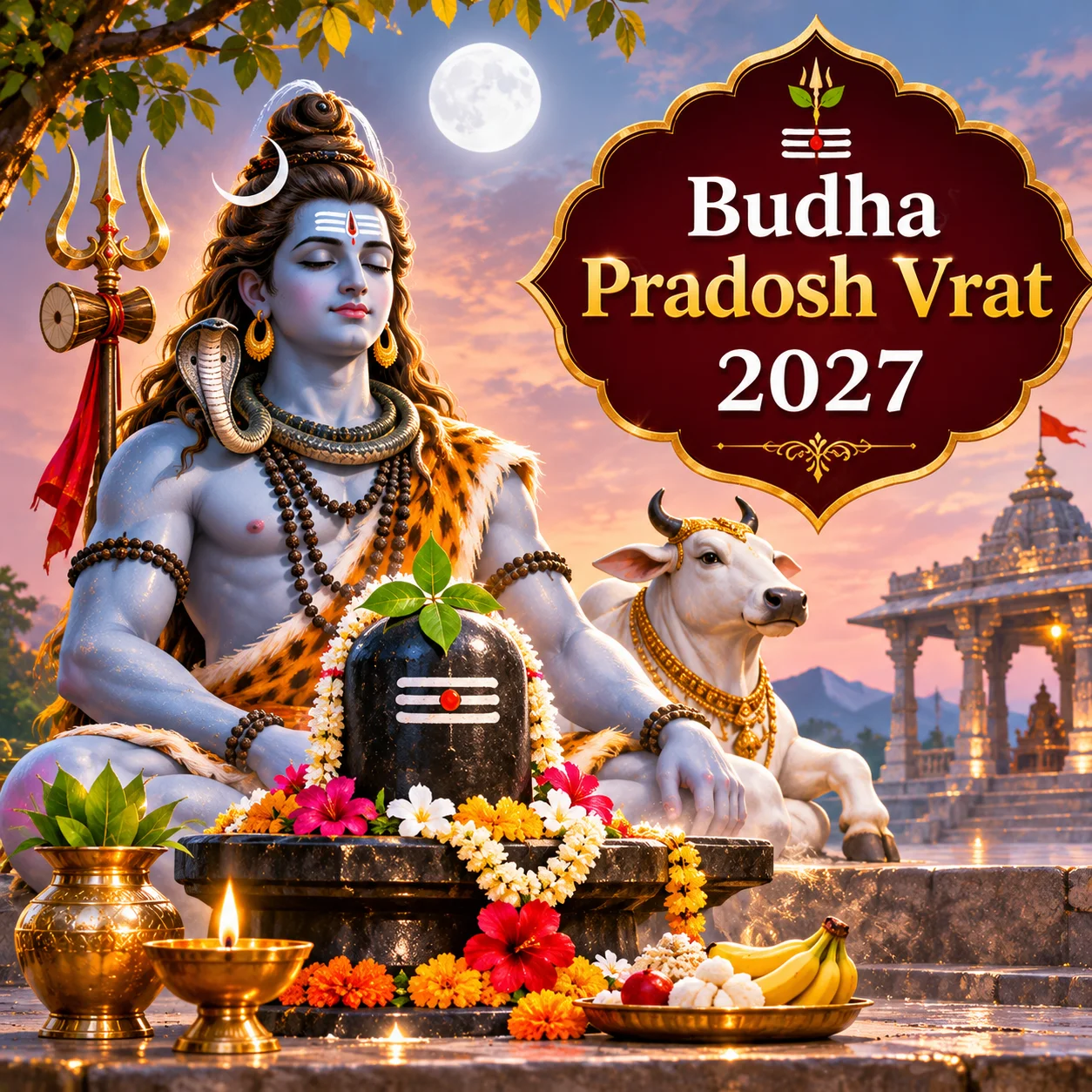
Wednesday, Jun 2, 2027
Budha Pradosh Vrat
Budha Pradosh Vrat, also known as Saumya Vara Pradosham, is a sacred bimonthly Hindu observance occurring when the Trayodashi tithi (thirteenth lunar day) coincides with a Wednesday (Budhavara) during the Pradosha Kaal twilight period.
View Festival Guide
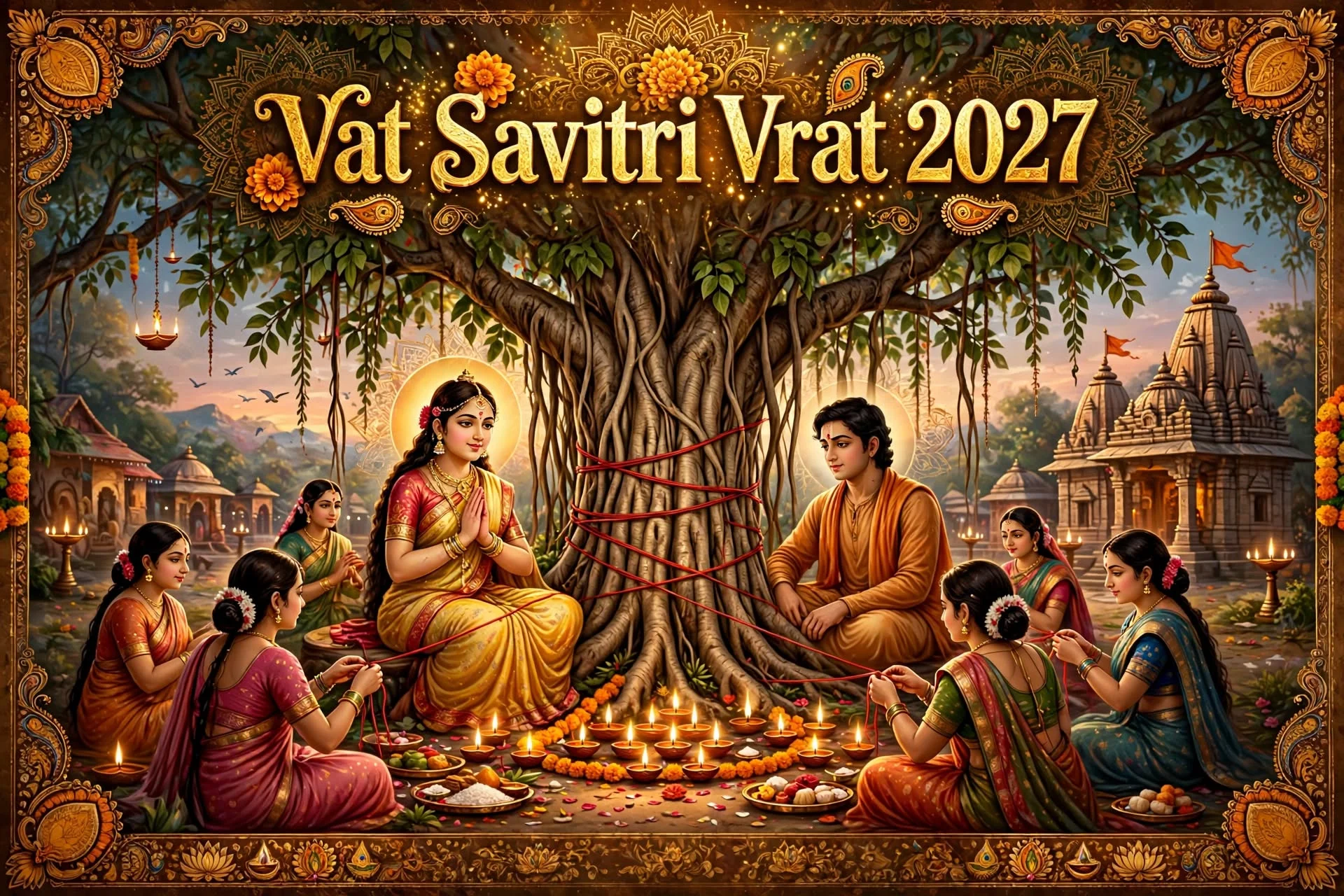
Friday, Jun 4, 2027
Vat Savitri Vrat
Vat Savitri Vrat is an important Hindu observance dedicated to the devotion, courage and determination of Savitri, the legendary wife of Satyavan. The festival is traditionally observed by married women who pray for their husband's long life, good health, prosperity and the well-being of their family.
View Festival Guide

Friday, Jun 4, 2027
Darsha Amavasya
Darsha Amavasya is a significant new moon observance in the Hindu calendar designating the specific night when the Moon is completely invisible to the human eye, having fully merged into the conjunction of the Sun.
View Festival Guide

Friday, Jun 4, 2027
Anvadhan
Anvadhan (अन्वाधान) is an ancient, highly revered Vedic ritual and spiritual observance in Sanatana Dharma performed on the day immediately preceding the New Moon (Amavasya) or Full Moon (Purnima). Rooted in the pristine traditions of the Shrauta and Grihya Sutras, Anvadhan literally translates to 'the solemn placing and replenishment of sacred fuel wood into the consecrated Vedic fires'. In traditional Vedic ritualism, householders (Grihasthas) and priests who maintain the sacred Agnihotra fires perform Anvadhan to prepare the sacrificial altars for the grand Darsha Yajna (New Moon sacrifice) or Paurnamasa Yajna (Full Moon sacrifice) scheduled for the following day.
View Festival Guide

Friday, Jun 4, 2027
Vaishakha Amavasya
Vaishakha Amavasya is the new moon day observed during the Hindu month of Vaishakha according to the Amanta lunar calendar. It is considered an important day for worship, spiritual purification, remembrance of ancestors, charity, and religious observances. In the Purnimanta calendar, the same new moon is generally known as Jyeshtha Amavasya. The difference in naming arises from the two lunar calendar systems and does not indicate two separate new moons.
View Festival Guide
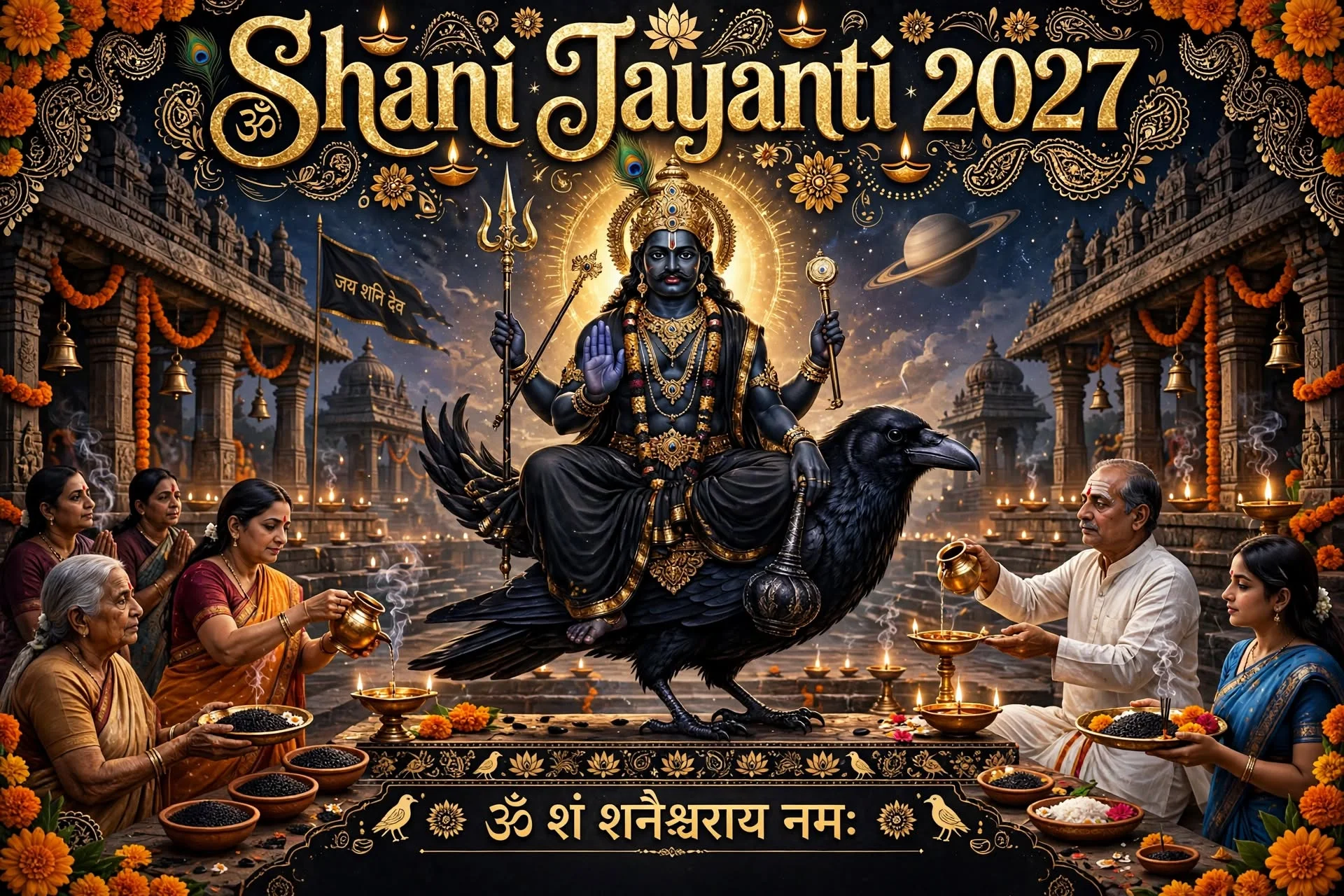
Friday, Jun 4, 2027
Shani Jayanti
Shani Jayanti, also known as Shani Janma Jayanti or Shani Amavasya, is an important Hindu observance dedicated to Lord Shani, the deity associated with the planet Saturn and one of the nine Navagrahas. Devotees observe this sacred day as the birth anniversary of Shani Dev, the son of Lord Surya and Goddess Chhaya. It is traditionally celebrated on Jyeshtha Amavasya, the new moon day in the Hindu month of Jyeshtha according to the Purnimanta calendar system.
View Festival Guide

Saturday, Jun 5, 2027
Chandra Darshana
Chandra Darshana is a revered monthly Hindu observance dedicated to sighting, venerating, and offering oblation to the delicate waxing crescent Moon immediately following the new moon (Amavasya), typically occurring during the twilight of Shukla Paksha Pratipada or Dwitiya.
View Festival Guide

Saturday, Jun 5, 2027
Ishti
Ishti is a foundational Vedic ritual observance appearing prominently in Hindu Panchangs on the Pratipada tithi (the first lunar day) following either Amavasya (new moon) or Purnima (full moon), marking the prescribed performance day for the fortnightly Vedic Darsha-Purnamasa sacrifices.
View Festival Guide