




Vaishakha Amavasya is the new moon day observed during the Hindu month of Vaishakha according to the Amanta lunar calendar. It is considered an important day for worship, spiritual purification, remembrance of ancestors, charity, and religious observances. In the Purnimanta calendar, the same new moon is generally known as Jyeshtha Amavasya. The difference in naming arises from the two lunar calendar systems and does not indicate two separate new moons.
Vaishakha Amavasya 2027: Date, Puja Timings, Rituals & Stories

Vaishakha Amavasya Timings & Panchang
Important festival dates and auspicious timings
Usha Arghya (Sunrise)
05:38 am
Sandhya Arghya (Sunset)
06:59 pm
Start Date
Wednesday, 5 May 2027
Puja Muhurat
07:31 pm – 06:17 pm
Vaishakha Amavasya
Amavasya, or the new moon tithi, holds special significance in Hindu traditions associated with Pitru worship. Vaishakha Amavasya is traditionally regarded as an auspicious occasion for performing Pitru Tarpan, Shraddha, prayers for departed ancestors, and charitable activities. Devotees offer water and sesame seeds to their ancestors and remember their family lineage with gratitude and reverence.
The month of Vaishakha is particularly associated with holy bathing, charity, worship of Lord Vishnu, and acts of compassion. The Skanda Purana's Vaishakha Mahatmya describes the spiritual importance of bathing, charitable gifts, religious worship, and listening to sacred stories during this month. Water-related charity, such as providing drinking water to travellers and people in need, is especially encouraged in traditional observances.
On Vaishakha Amavasya, devotees may take a ritual bath in a sacred river, pond, or at home, according to their circumstances. They perform prayers, offer water to the Sun, remember their ancestors, and donate food, water, clothes, grains, and other necessities. Some families also observe fasting and worship Lord Vishnu, Lord Shiva, or their family deity.
The observance teaches gratitude towards ancestors, compassion towards living beings, self-discipline, and generosity. It encourages devotees to remember their roots, fulfil their religious responsibilities, and use the occasion to perform acts of service. Even simple practices such as offering drinking water to someone in need, feeding hungry people, and praying sincerely are meaningful expressions of the day's spiritual values.
Why is Vaishakha Amavasya Celebrated?
Vaishakha Amavasya is observed to honour ancestors, perform traditional Pitru rituals, undertake spiritual purification, and practise charity. Amavasya is considered an important tithi for remembering departed family members and expressing gratitude for their contributions to the family lineage. The religious observance also reflects the importance of Vaishakha month, which is praised in Hindu scriptures for bathing, charity, worship, and righteous conduct.
- To perform Pitru Tarpan and offer prayers to departed ancestors.
- To remember one's family lineage and express gratitude towards previous generations.
- To perform Shraddha and other ancestral rites according to family tradition.
- To take a sacred bath and engage in spiritual purification.
- To worship Lord Vishnu and other deities according to personal and regional traditions.
- To donate water, food, grains, clothes, and other necessities to people in need.
- To provide drinking water to travellers and people during the summer season.
- To practise self-discipline, compassion, humility, and generosity.
- To listen to religious stories, recite sacred names, and perform acts of devotion.
Vaishakha Amavasya is not associated with one universally prescribed birth story or a single compulsory puja procedure. Its observance brings together the broader significance of Amavasya for Pitru worship and the traditional importance of Vaishakha month for holy bathing, charity, and devotion.
History and Religious Background of Vaishakha Amavasya
The Significance of Amavasya in Hindu Tradition
Amavasya is the final tithi of the Krishna Paksha, when the Moon approaches conjunction with the Sun and is generally not visible in the night sky. In Hindu religious traditions, this lunar day is associated with spiritual reflection, ancestral remembrance, religious observances, and acts of charity.
Several Hindu traditions consider Amavasya particularly suitable for Pitru Tarpan and Shraddha. These rites express gratitude and reverence towards departed ancestors. Water offerings, sesame seeds, prayers, and food offerings are performed according to the prescribed family tradition and the guidance of knowledgeable priests.
The religious importance of Amavasya is discussed across different Hindu ritual traditions. The Dharmasindhu, in its discussion of Amavasya observances, identifies Chaitra and Vaishakha Amavasyas as especially significant for Pitru worship, Shraddha, Pinda offerings, Brahmana Bhojana, and charity.
The Religious Importance of Vaishakha Month
Vaishakha is regarded as a spiritually important month in Hindu religious literature. The Vaishakha Mahatmya section of the Skanda Purana describes the month as especially suitable for holy bathing, charitable donations, religious worship, penance, and listening to sacred stories.
The text explains that devotees should undertake religious activities during Vaishakha with devotion and sincerity. Bathing in sacred water, offering food, giving donations, worshipping Lord Vishnu, and helping people in need are among the practices praised in this tradition.
The importance of Vaishakha is also reflected in the Padma Purana, which describes religious practices involving morning bathing, remembrance of Lord Vishnu, and charitable observances during this month. These teachings provide the broader religious background for the observance of Vaishakha Amavasya.
Connection with Pitru Worship
Pitru worship is an important part of Hindu ancestral traditions. Pitras refers to departed ancestors who are remembered through prayers, offerings, and religious rites. These practices are based on the belief that remembering one's ancestors with gratitude is a sacred responsibility.
Spiritual Significance of Vaishakha Amavasya
Gratitude Towards Ancestors
The central spiritual significance of Vaishakha Amavasya is remembrance of ancestors. Hindu traditions place importance on expressing gratitude towards previous generations who contributed to the family's existence, values, and continuity.
Through Tarpan, Shraddha, prayers, and charitable activities, devotees remember their departed family members and seek their blessings. These practices encourage humility and remind individuals that their lives are connected to the efforts and sacrifices of earlier generations.
Purification Through Sacred Bathing
Holy bathing is traditionally associated with purification of the body and mind. The Vaishakha Mahatmya of the Skanda Purana repeatedly praises bathing during this month and connects it with religious discipline and devotion.
A ritual bath on Vaishakha Amavasya is an opportunity to begin the day with purity, prayer, and a calm state of mind. Devotees who cannot visit a sacred river may bathe at home and perform their prayers according to their circumstances.
The Importance of Dana
Dana, or charitable giving, is one of the important spiritual practices associated with Vaishakha. Giving drinking water, food, clothing, grains, and useful necessities is encouraged in traditional religious literature.
The act of giving helps reduce selfishness and develops compassion. It reminds devotees that religious observance should also benefit society and provide support to people experiencing hardship.
Devotion to Lord Vishnu
Vaishakha is closely associated with the worship of Lord Vishnu, who is also known as Madhava and Madhusudana. The Vaishakha Mahatmya of the Skanda Purana describes the importance of worshipping Hari during this month.
How Vaishakha Amavasya Is Celebrated
Early Morning Bath
Devotees generally begin Vaishakha Amavasya with an early morning bath. Some prefer bathing in a sacred river, pond, or pilgrimage location, while others perform their regular bath at home.
After bathing, devotees wear clean clothes and prepare for prayers. They may remember Lord Vishnu, offer water to the Sun, and take a sankalpa to perform the day's religious activities with sincerity.
Pitru Tarpan and Ancestral Prayers
Pitru Tarpan is one of the most important observances associated with Amavasya. Devotees offer water to their ancestors while remembering their family lineage and reciting appropriate mantras according to their tradition.
Black sesame seeds are commonly used in traditional Tarpan practices. Some families perform the ritual near a river or other sacred water body, while others perform it at home under the guidance of a knowledgeable priest.
The exact procedure depends on the family's religious tradition, the lineage-specific rites, and the guidance followed for Shraddha and Tarpan. Devotees should not assume that one simplified procedure replaces every traditional ancestral rite.
Shraddha and Pinda Offerings
Some families perform Shraddha on Vaishakha Amavasya for the peace and remembrance of departed ancestors. Depending on the family tradition, this may include Pinda offerings, water libations, prayers, and food donations.
Brahmana Bhojana and donations may also be included in certain traditional Shraddha procedures. Families should follow their established ritual practices or consult a qualified priest regarding the appropriate procedure.
Worship of Lord Vishnu
Lord Vishnu is worshipped by many devotees during Vaishakha month. On Amavasya, devotees may offer water, flowers, Tulsi leaves, incense, fruits, and a lamp to an image or representation of Lord Vishnu.
Vaishakha Amavasya Puja Vidhi (Step by Step)
- 1
Wake Up Early and Take a Bath
Wake up early and take a bath before beginning the day's religious observances. Devotees may bathe in a sacred river or other recognised water body if accessible. Otherwise, a bath at home followed by sincere prayer is appropriate.
- 2
Wear Clean Clothes and Take a Sankalpa
Wear clean clothes and sit in a peaceful place. Take a sankalpa to observe Vaishakha Amavasya with devotion, remember departed ancestors, and perform charitable activities according to your capacity.
- 3
Offer Arghya to Surya Dev
Offer clean water to Surya Dev in the morning using a suitable vessel. Recite a Surya prayer or silently express gratitude for the light and energy that sustain life.
- 4
Prepare for Pitru Tarpan
Arrange clean water, black sesame seeds, and a suitable vessel for Tarpan. Follow the directions of your family tradition or a knowledgeable priest for the correct procedure and ancestral names.
- 5
Perform Pitru Tarpan
Vaishakha Amavasya Puja Samagri List
Items for Morning Purification
- Clean water
- Clean bathing clothes
- Copper or other suitable water vessel
- A clean towel
- Flowers for prayer
Pitru Tarpan and Shraddha Materials
- Clean water
- Black sesame seeds
- Kusha grass, where prescribed by tradition
- A suitable Tarpan vessel
- Cooked rice for Pinda offerings, where prescribed
- Barley or other prescribed materials according to family tradition
- Flowers
- Clean cloth
- Materials required for the family's traditional Shraddha procedure
Not every item is required for every form of Tarpan or Shraddha. The exact materials depend on the ritual being performed and the family's prescribed tradition.
Lord Vishnu Puja Materials
- Image or idol of Lord Vishnu
- Tulsi leaves
Mantras and Prayers for Vaishakha Amavasya
Vaishakha Amavasya Vrat Rules and Fasting Guidelines
Preparation for the Observance
Devotees who choose to observe a Vaishakha Amavasya vrat generally begin the day with an early morning bath and a sincere sankalpa. The observance may include prayers to Lord Vishnu, remembrance of ancestors, and charitable activities.
- Wake up early and take a bath.
- Wear clean clothes.
- Prepare a clean place for worship.
- Take a sankalpa according to your family tradition.
- Remember departed ancestors with gratitude.
- Plan charitable activities according to your capacity.
Fasting Practices
Some devotees observe a fast on Vaishakha Amavasya, while others perform prayers and charity without fasting. There is no single fasting method followed by every region or family. Devotees may choose a complete fast, a fruit-based fast, or a simple vegetarian diet according to their tradition and health.
- Follow the fasting method prescribed by your family tradition.
- Some devotees avoid grains or certain foods during the observance.
- Maintain adequate hydration, especially during the hot Vaishakha season.
- Avoid alcohol and non-vegetarian food if excluded by your fasting tradition.
- Break the fast according to your customary practice and personal health requirements.
Pitru Tarpan and Ancestral Remembrance
Dos and Don'ts of Vaishakha Amavasya
Good Practices (Do's)
- Begin the day with an early bath and sincere prayers.
- Remember departed ancestors with gratitude and respect.
- Perform Pitru Tarpan according to your family tradition.
- Perform Shraddha and Pinda offerings where prescribed.
- Worship Lord Vishnu and recite suitable devotional prayers.
- Offer water to Surya Dev as part of your morning worship.
Vaishakha Amavasya Across Regions
| Region | Local Name |
|---|---|
| North India | Vaishakha Amavasya or Jyeshtha Amavasya |
| Rajasthan | Vaishakha Amavasya |
| Uttar Pradesh | Vaishakha Amavasya |
| Madhya Pradesh | Vaishakha Amavasya |
| Maharashtra | Vaishakha Amavasya |
| Gujarat | Vaishakha Amavasya |
| Tamil Nadu | Vaikasi Amavasai |
| Karnataka | Vaishakha Amavasya |
| Andhra Pradesh and Telangana | Vaishakha Amavasya |
Vaishakha Amavasya FAQs
What is Vaishakha Amavasya?
Vaishakha Amavasya is the new moon day observed during the month of Vaishakha according to the Amanta Hindu lunar calendar. It is associated with Pitru Tarpan, ancestral remembrance, holy bathing, charity, and religious worship.
When is Vaishakha Amavasya observed?
Vaishakha Amavasya is observed on the Amavasya tithi of the Vaishakha month. The exact Gregorian date changes every year and should be determined using the relevant regional Panchang and location.
Why is Vaishakha Amavasya important?
The day is important for remembering ancestors, performing Pitru Tarpan and Shraddha according to family tradition, taking a holy bath, worshipping deities, and performing charity. It also reflects the broader religious importance of the month of Vaishakha.
Upcoming Festivals
View All
Friday, Jun 4, 2027
Anvadhan
Anvadhan (अन्वाधान) is an ancient, highly revered Vedic ritual and spiritual observance in Sanatana Dharma performed on the day immediately preceding the New Moon (Amavasya) or Full Moon (Purnima). Rooted in the pristine traditions of the Shrauta and Grihya Sutras, Anvadhan literally translates to 'the solemn placing and replenishment of sacred fuel wood into the consecrated Vedic fires'. In traditional Vedic ritualism, householders (Grihasthas) and priests who maintain the sacred Agnihotra fires perform Anvadhan to prepare the sacrificial altars for the grand Darsha Yajna (New Moon sacrifice) or Paurnamasa Yajna (Full Moon sacrifice) scheduled for the following day.
View Festival Guide
Friday, Jun 4, 2027
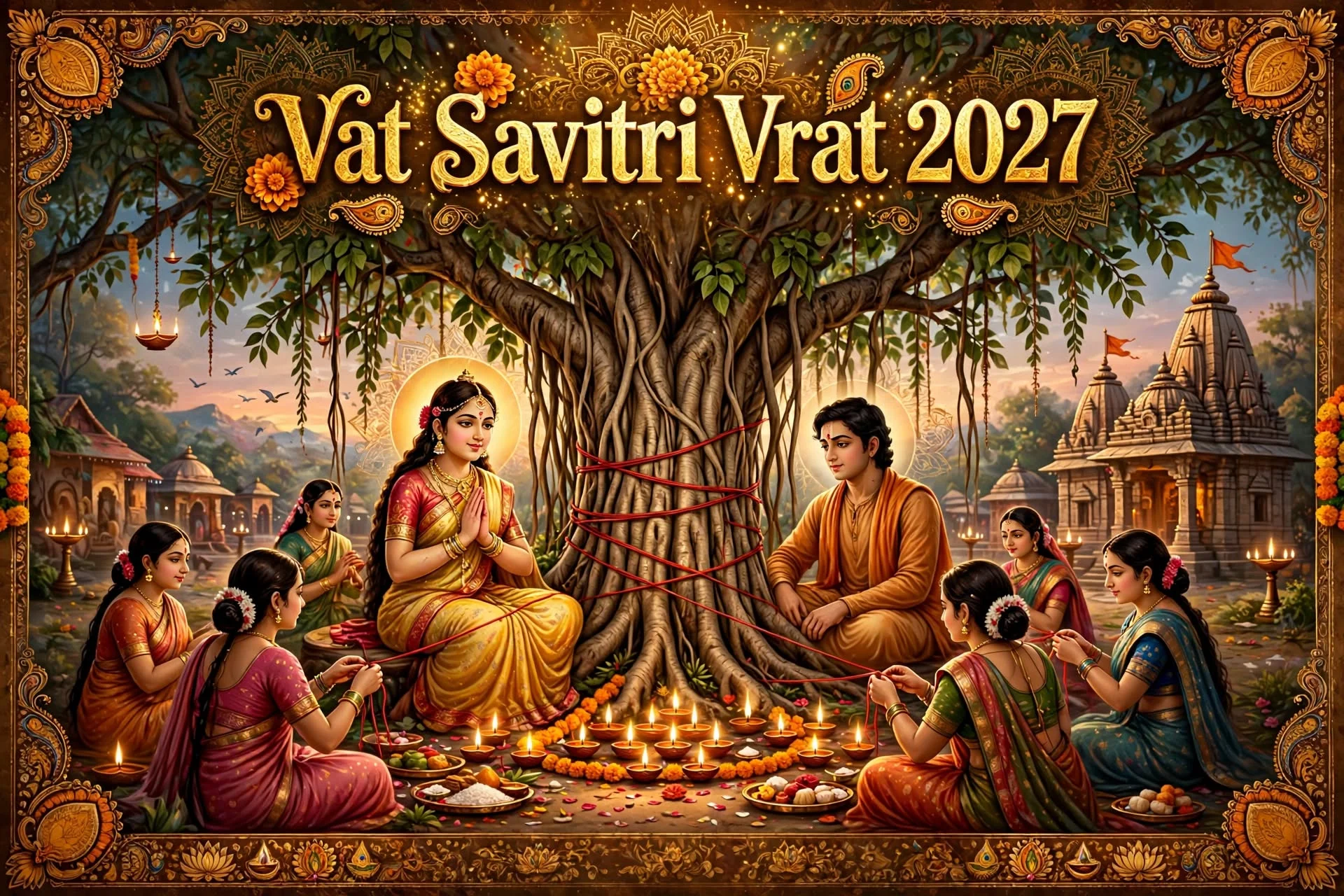
Vat Savitri Vrat
Vat Savitri Vrat is an important Hindu observance dedicated to the devotion, courage and determination of Savitri, the legendary wife of Satyavan. The festival is traditionally observed by married women who pray for their husband's long life, good health, prosperity and the well-being of their family.
View Festival Guide

Friday, Jun 4, 2027
Darsha Amavasya
Darsha Amavasya is a significant new moon observance in the Hindu calendar designating the specific night when the Moon is completely invisible to the human eye, having fully merged into the conjunction of the Sun.
View Festival Guide
Friday, Jun 4, 2027
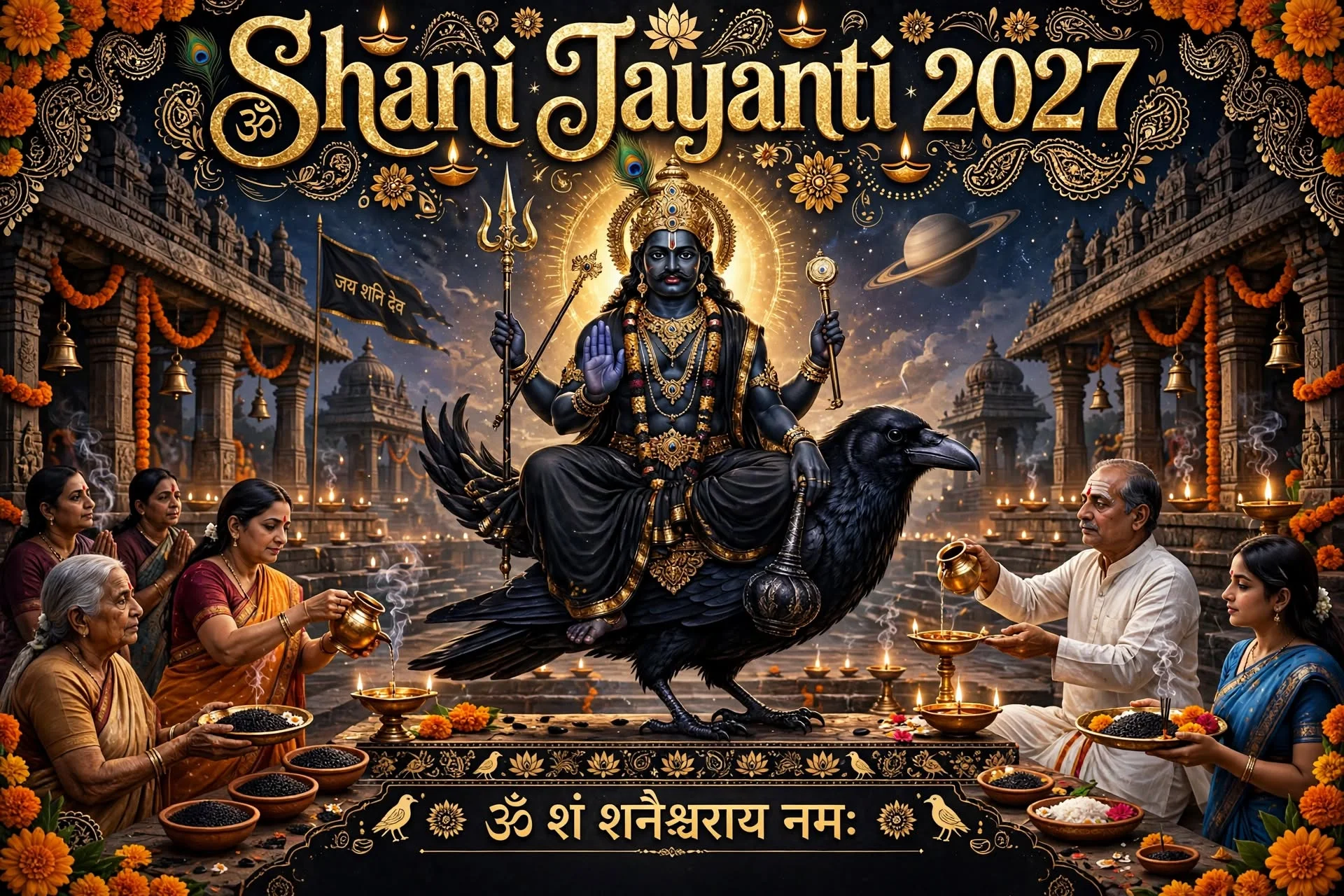
Shani Jayanti
Shani Jayanti, also known as Shani Janma Jayanti or Shani Amavasya, is an important Hindu observance dedicated to Lord Shani, the deity associated with the planet Saturn and one of the nine Navagrahas. Devotees observe this sacred day as the birth anniversary of Shani Dev, the son of Lord Surya and Goddess Chhaya. It is traditionally celebrated on Jyeshtha Amavasya, the new moon day in the Hindu month of Jyeshtha according to the Purnimanta calendar system.
View Festival Guide

Saturday, Jun 5, 2027
Ishti
Ishti is a foundational Vedic ritual observance appearing prominently in Hindu Panchangs on the Pratipada tithi (the first lunar day) following either Amavasya (new moon) or Purnima (full moon), marking the prescribed performance day for the fortnightly Vedic Darsha-Purnamasa sacrifices.
View Festival Guide

Saturday, Jun 5, 2027
Chandra Darshana
Chandra Darshana is a revered monthly Hindu observance dedicated to sighting, venerating, and offering oblation to the delicate waxing crescent Moon immediately following the new moon (Amavasya), typically occurring during the twilight of Shukla Paksha Pratipada or Dwitiya.
View Festival Guide

Sunday, Jun 13, 2027
Ganga Dussehra
Ganga Dussehra, also known as Ganga Dashami, Gangavataran and Gangā Daśaharā, is an important Hindu festival dedicated to Goddess Ganga. It commemorates the sacred descent of the River Ganga from the celestial realms to the earthly world. The festival is observed on Jyeshtha Shukla Dashami, the tenth day of the waxing phase of the Moon in the Hindu month of Jyeshtha.
View Festival Guide
Monday, Jun 14, 2027
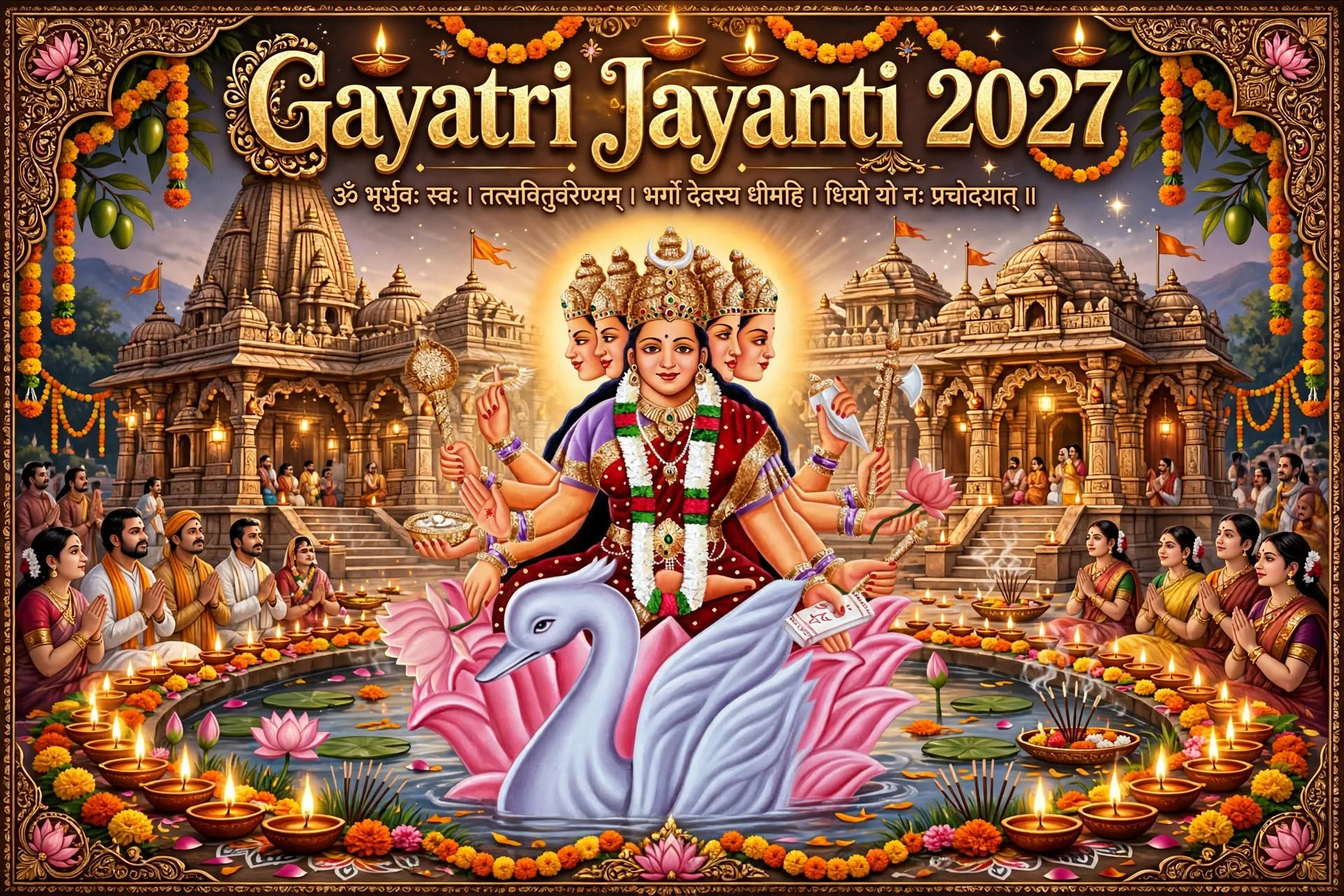
Gayatri Jayanti
Gayatri Jayanti is a sacred Hindu festival dedicated to Goddess Gayatri, revered as Ved Mata, the Mother of the Vedas. She represents divine wisdom, spiritual illumination, purity and the power of sacred knowledge. Devotees worship her as the personification of the Gayatri Mantra, one of the most revered prayers in the Vedic tradition.
View Festival Guide