




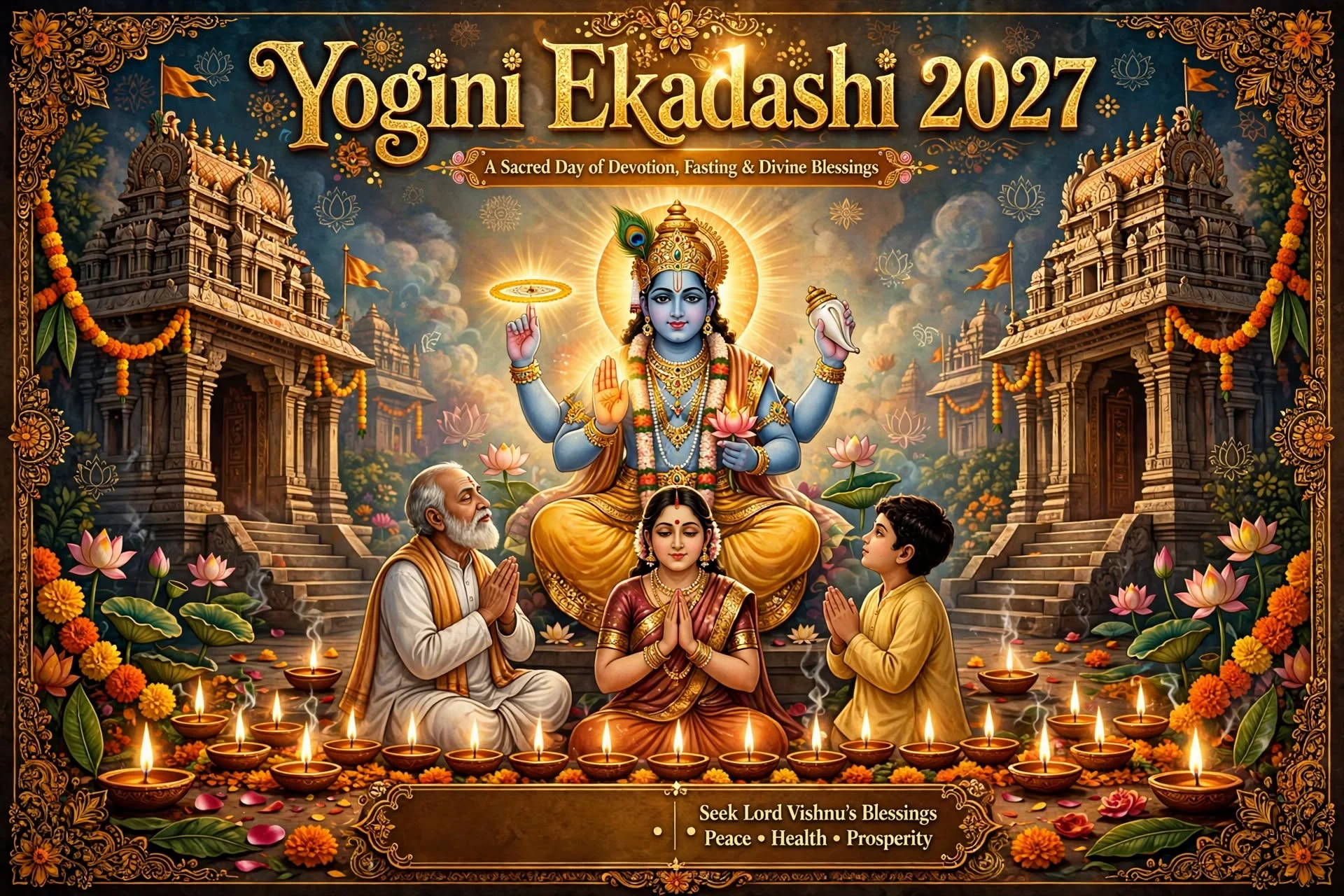
Yogini Ekadashi is an important Hindu fasting observance dedicated to Lord Vishnu. It falls on the Ekadashi tithi, the eleventh lunar day of the Krishna Paksha of Ashadha month according to the Purnimanta calendar. In the Amanta calendar, the same observance is known as Jyeshtha Krishna Ekadashi. It occurs between Nirjala Ekadashi and Devshayani Ekadashi in the annual cycle of Ekadashi observances.
Yogini Ekadashi 2027: Date, Puja Timings, Rituals & Stories
Yogini Ekadashi Timings & Panchang
Important festival dates and auspicious timings
Usha Arghya (Sunrise)
05:24 am
Sandhya Arghya (Sunset)
07:14 pm
Start Date
Tuesday, 1 Jun 2027
Puja Muhurat
10:02 am – 09:40 am
Yogini Ekadashi
The word Yogini is associated with spiritual discipline, devotion and the divine power that helps devotees overcome worldly difficulties. Yogini Ekadashi is traditionally observed to seek forgiveness for past mistakes, freedom from negative actions, good health, prosperity and spiritual purification. Devotees believe that sincere observance of this vrata helps them develop self-control and strengthen their devotion to Lord Vishnu.
The principal Vrat Katha of Yogini Ekadashi narrates the story of Hemamali, a Yaksha who served Kubera, the lord of wealth. Hemamali was responsible for collecting flowers for Kubera's daily worship of Lord Shiva. One day, he neglected his duty because he remained with his wife, Vishalakshi, and failed to deliver the flowers at the appointed time. Angered by this negligence, Kubera cursed him with separation from his wife and a severe skin disease.
After suffering on earth, Hemamali encountered Sage Markandeya in the Himalayas. The sage listened to his story and advised him to observe Yogini Ekadashi. Hemamali followed the instructions with devotion, and according to the traditional account, he was freed from the curse and regained his original form.
The story teaches the importance of responsibility, discipline, honesty and devotion. It also highlights the traditional belief that sincere religious observance can help a person seek forgiveness and move towards spiritual improvement.
On this day, devotees worship Lord Vishnu, observe a fast, recite Vishnu mantras, read or listen to the Yogini Ekadashi Vrat Katha and practise charity. Many devotees avoid grains and beans, while others observe a stricter fast according to their sampradaya and family tradition. The fast is traditionally concluded on Dwadashi during the prescribed Parana period.
Why is Yogini Ekadashi Celebrated?
Yogini Ekadashi is observed to worship Lord Vishnu and seek spiritual purification, forgiveness for past mistakes and freedom from difficulties. According to the traditional Ekadashi Mahatmya, observing this vrata with devotion destroys accumulated sins and helps devotees progress towards liberation.
The observance is particularly associated with the story of Hemamali, whose life changed after receiving guidance from Sage Markandeya. His story reminds devotees that neglecting responsibilities can have consequences, while honesty, repentance, discipline and sincere devotion can guide a person towards spiritual renewal.
- To worship Lord Vishnu and seek his divine blessings.
- To seek forgiveness for past mistakes and negative actions.
- To develop self-discipline, devotion and control over the senses.
- To pray for good health, happiness and family well-being.
- To seek relief from difficulties and negative circumstances.
- To remember the spiritual lesson of Hemamali and Sage Markandeya.
- To practise fasting, prayer, meditation and devotional recitation.
- To develop compassion through food donations and charitable activities.
- To cultivate righteous conduct and responsibility in daily life.
- To seek spiritual purification and progress towards moksha.
History and Origin of Yogini Ekadashi
The traditional history of Yogini Ekadashi is described in the Padma Purana, Uttara Khanda, in the chapter dedicated to the glory of this Ekadashi. The narrative is presented as a conversation between Lord Krishna and King Yudhishthira. Yudhishthira asks Lord Krishna about the Ekadashi that falls during the Krishna Paksha of Ashadha month, its name and its spiritual significance.
Lord Krishna identifies this observance as Yogini Ekadashi and explains its importance through the story of Hemamali, a Yaksha who served Kubera in Alakapuri. The narrative describes how negligence in performing a religious responsibility led to a curse and how Sage Markandeya advised Hemamali to observe Yogini Ekadashi for spiritual relief.
King Kubera and His Servant Hemamali
According to the traditional account, Kubera ruled over Alakapuri and was devoted to Lord Shiva. He regularly worshipped Shiva and maintained religious discipline in his daily activities.
Kubera employed a Yaksha named Hemamali, whose responsibility was to collect fresh flowers from Lake Manasarovar and bring them for the King's daily worship of Lord Shiva. Hemamali performed this duty regularly and was expected to deliver the flowers at the appointed time.
Hemamali was married to a beautiful woman named Vishalakshi. He loved his wife deeply, but his attachment to domestic enjoyment eventually caused him to neglect an important responsibility.
Hemamali Neglects His Duty
One day, Hemamali collected flowers from Lake Manasarovar as usual. However, instead of immediately taking them to Kubera, he returned home and spent time with his wife, Vishalakshi.
He became so absorbed in his personal enjoyment that he lost track of time. Meanwhile, Kubera was waiting for the flowers because he needed them for his scheduled worship of Lord Shiva.
When the appointed time passed and Hemamali did not arrive, Kubera became concerned and asked his attendants to find out why the flowers had not been delivered.
Spiritual Significance of Yogini Ekadashi
Yogini Ekadashi is considered a spiritually significant day for devotees of Lord Vishnu. It is traditionally associated with purification, repentance, discipline and freedom from the negative consequences of past actions. Devotees observe the vrata to strengthen their connection with the divine and develop a more disciplined way of life.
The traditional Ekadashi Mahatmya describes the merit of this observance as exceptionally powerful. It compares the spiritual merit of observing Yogini Ekadashi with the merit of feeding eighty-eight thousand Brahmins. This comparison expresses the high religious importance attributed to the vrata in traditional texts.
Worship of Lord Vishnu
Lord Vishnu is worshipped as the preserver and protector of the universe. Devotees observe Yogini Ekadashi to seek his blessings for peace, prosperity, protection and spiritual progress.
Worship on this day generally includes offering flowers, Tulsi leaves, fruits, incense and a lamp. Devotees chant Vishnu mantras, recite sacred texts and remember the divine qualities of the Lord.
Purification Through Devotion
Yogini Ekadashi is traditionally believed to help devotees seek purification from past mistakes and negative actions. The vrata encourages people to acknowledge their shortcomings and make a sincere effort to follow a righteous path.
The story of Hemamali illustrates the spiritual importance of repentance and disciplined conduct. His transformation after observing the vrata represents the possibility of spiritual renewal through faith and devotion.
Importance of Self-Control
Fasting on Ekadashi is traditionally regarded as a practice of controlling the senses and redirecting attention towards spiritual activities. Devotees avoid certain foods, limit unnecessary distractions and dedicate more time to prayer and meditation.
How Yogini Ekadashi Is Celebrated
Yogini Ekadashi is observed through fasting, worship of Lord Vishnu, mantra recitation, devotional reading and charity. Devotees prepare for the vrata on Dashami, observe the fast on Ekadashi and conclude it on Dwadashi during the prescribed Parana period.
The exact fasting method differs among Vaishnava traditions, regional communities and households. Some devotees observe a complete fast, while others consume fruits, milk or permitted fasting foods. Avoiding grains and beans is a common practice.
Preparation on Dashami
Preparations for Yogini Ekadashi generally begin on Dashami, the tenth lunar day. Devotees clean their homes and worship areas, arrange puja materials and prepare themselves mentally for the upcoming fast.
Many traditions recommend eating a simple, sattvic meal on Dashami and avoiding excessive food or indulgence. Devotees may also begin reducing distractions and focusing on prayer.
Morning Rituals on Ekadashi
On Ekadashi, devotees wake up early, bathe and wear clean clothes. They clean the puja area and arrange an image or idol of Lord Vishnu or Lord Krishna.
After preparing the worship space, devotees take a sankalpa to observe the Yogini Ekadashi vrata with devotion. They pray for spiritual purification, forgiveness and the strength to follow a righteous path.
Observing the Ekadashi Fast
Devotees observe fasting throughout Ekadashi according to their capacity and religious tradition. Some observe Nirjala fasting without food or water, while others follow a fruit-based or partial fast.
Many devotees avoid rice, wheat, pulses, beans and ordinary grains. Foods such as fruits, milk, nuts and specific fasting preparations may be consumed where permitted by the family's tradition.
Yogini Ekadashi Puja Vidhi (Step by Step)
- 1
Prepare on Dashami
On the tenth lunar day, clean the home and puja area. Arrange the required worship materials and prepare mentally for the fast. Many traditions recommend eating a simple sattvic meal and avoiding excessive indulgence.
- 2
Wake Up Early and Take a Bath
Wake up early on Yogini Ekadashi and take a bath. Wear clean clothes and prepare the worship area. Begin the day with a prayer to Lord Vishnu.
- 3
Take the Vrat Sankalpa
Sit before an image or idol of Lord Vishnu or Lord Krishna. Take a sincere sankalpa to observe Yogini Ekadashi with devotion and pray for forgiveness, spiritual purification and the strength to follow dharma.
- 4
Arrange the Vishnu Puja
Place the image or idol of Lord Vishnu on a clean platform. Arrange flowers, Tulsi leaves, sandalwood paste, incense, a lamp, fruits and suitable naivedya. Keep the puja materials clean and organised.
- 5
Invoke Lord Vishnu
Yogini Ekadashi Puja Samagri List
Lord Vishnu Worship Essentials
- Image or idol of Lord Vishnu or Lord Krishna
- Clean puja platform or chowki
- Yellow or clean devotional cloth
- Flowers and flower garland
- Tulsi leaves collected beforehand
- Akshata (unbroken rice grains)
- Sandalwood paste
- Kumkum or roli, where customary
- Incense sticks
- Cotton wicks
- Ghee or oil for the lamp
- Camphor, if used in the family tradition
Offerings for Lord Vishnu
Prepare simple vegetarian offerings for Lord Vishnu. The naivedya should follow the household's Ekadashi dietary tradition and should not contain prohibited grains or ingredients.
- Seasonal fruits
- Bananas
- Coconut
- Milk
- Panchamrit, according to tradition
- Dry fruits
- Mishri
Mantras and Prayers for Yogini Ekadashi
Yogini Ekadashi Vrat Rules and Fasting Guidelines
Preparation Before Ekadashi
The preparation for Yogini Ekadashi generally begins on Dashami. Devotees prepare their worship area, arrange the necessary materials and follow a simple diet before beginning the fast.
- Clean the home and puja area.
- Arrange the image or idol of Lord Vishnu.
- Prepare flowers, Tulsi leaves and other puja materials in advance.
- Eat a simple sattvic meal according to family tradition.
- Avoid excessive food and unnecessary indulgence.
- Prepare mentally for the Ekadashi observance.
Rules for Observing the Ekadashi Fast
Devotees observe the fast on Ekadashi according to their health, capacity and religious tradition. Some follow a complete fast, while others observe a partial or fruit-based fast. Vaishnava traditions may prescribe additional rules.
- Wake up early and take a bath.
- Take a sankalpa to observe Yogini Ekadashi.
- Worship Lord Vishnu with devotion.
- Avoid grains and beans according to the chosen Ekadashi tradition.
- Some traditions also avoid rice, lentils and certain vegetables.
- Observe a complete, water-based or fruit-based fast according to one's capacity.
- Spend time in prayer, meditation and devotional reading.
Dos and Don'ts of Yogini Ekadashi
Good Practices (Do's)
- Wake up early and take a bath before beginning the observance.
- Take a sincere sankalpa to observe Yogini Ekadashi.
- Worship Lord Vishnu or Lord Krishna with devotion.
- Offer flowers, fruits and Tulsi leaves according to family tradition.
- Chant Om Namo Bhagavate Vasudevaya.
- Read or listen to the Yogini Ekadashi Vrat Katha.
Yogini Ekadashi Across Regions
| Region | Local Name |
|---|---|
| North India | Yogini Ekadashi |
| Rajasthan | Yogini Ekadashi |
| Gujarat | Yogini Ekadashi |
| Maharashtra | Yogini Ekadashi |
| Uttar Pradesh | Yogini Ekadashi |
| Bihar | Yogini Ekadashi |
| Madhya Pradesh | Yogini Ekadashi |
| South India | Yogini Ekadashi |
| Karnataka | Yogini Ekadashi |
| Andhra Pradesh and Telangana | Yogini Ekadashi |
| West Bengal | Yogini Ekadashi |
Yogini Ekadashi FAQs
What is Yogini Ekadashi?
Yogini Ekadashi is a Hindu fasting observance dedicated to Lord Vishnu. It falls on Krishna Paksha Ekadashi of Ashadha month in the Purnimanta calendar and Jyeshtha month in the Amanta calendar. Devotees observe fasting, perform Vishnu puja and recite the Hemamali Vrat Katha.
When is Yogini Ekadashi observed?
Yogini Ekadashi is observed on the eleventh lunar day of the Krishna Paksha of Ashadha month according to the Purnimanta calendar. In the Amanta calendar, the same day falls in Jyeshtha Krishna Paksha. Its Gregorian date changes every year.
Which deity is worshipped on Yogini Ekadashi?
Lord Vishnu is the principal deity worshipped on Yogini Ekadashi. Devotees may worship Lord Vishnu or Lord Krishna through fasting, prayer, Tulsi offerings and mantra recitation.
Upcoming Festivals
View All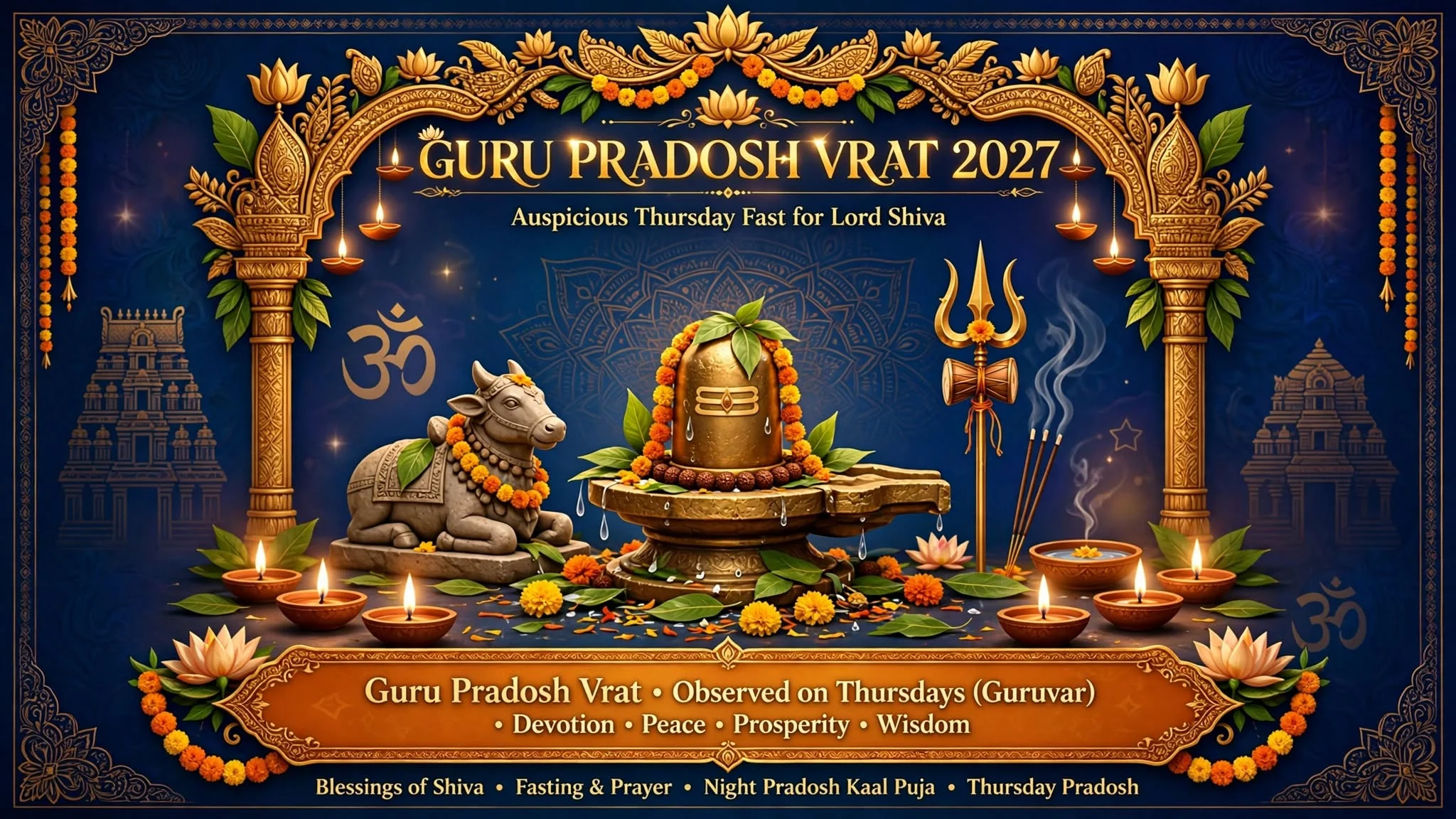
Thursday, Jul 1, 2027
Guru Pradosh Vrat
Guru Pradosh Vrat, also known as Guruvara Pradosham or Brihaspati Pradosham, is a sacred bimonthly Hindu fasting observance occurring when the Trayodashi tithi (thirteenth lunar day) coincides with a Thursday (Guruvara) during the twilight Pradosha Kaal period.
View Festival Guide

Saturday, Jul 3, 2027
Darsha Amavasya
Darsha Amavasya is a significant new moon observance in the Hindu calendar designating the specific night when the Moon is completely invisible to the human eye, having fully merged into the conjunction of the Sun.
View Festival Guide

Saturday, Jul 3, 2027
Anvadhan
Anvadhan (अन्वाधान) is an ancient, highly revered Vedic ritual and spiritual observance in Sanatana Dharma performed on the day immediately preceding the New Moon (Amavasya) or Full Moon (Purnima). Rooted in the pristine traditions of the Shrauta and Grihya Sutras, Anvadhan literally translates to 'the solemn placing and replenishment of sacred fuel wood into the consecrated Vedic fires'. In traditional Vedic ritualism, householders (Grihasthas) and priests who maintain the sacred Agnihotra fires perform Anvadhan to prepare the sacrificial altars for the grand Darsha Yajna (New Moon sacrifice) or Paurnamasa Yajna (Full Moon sacrifice) scheduled for the following day.
View Festival Guide
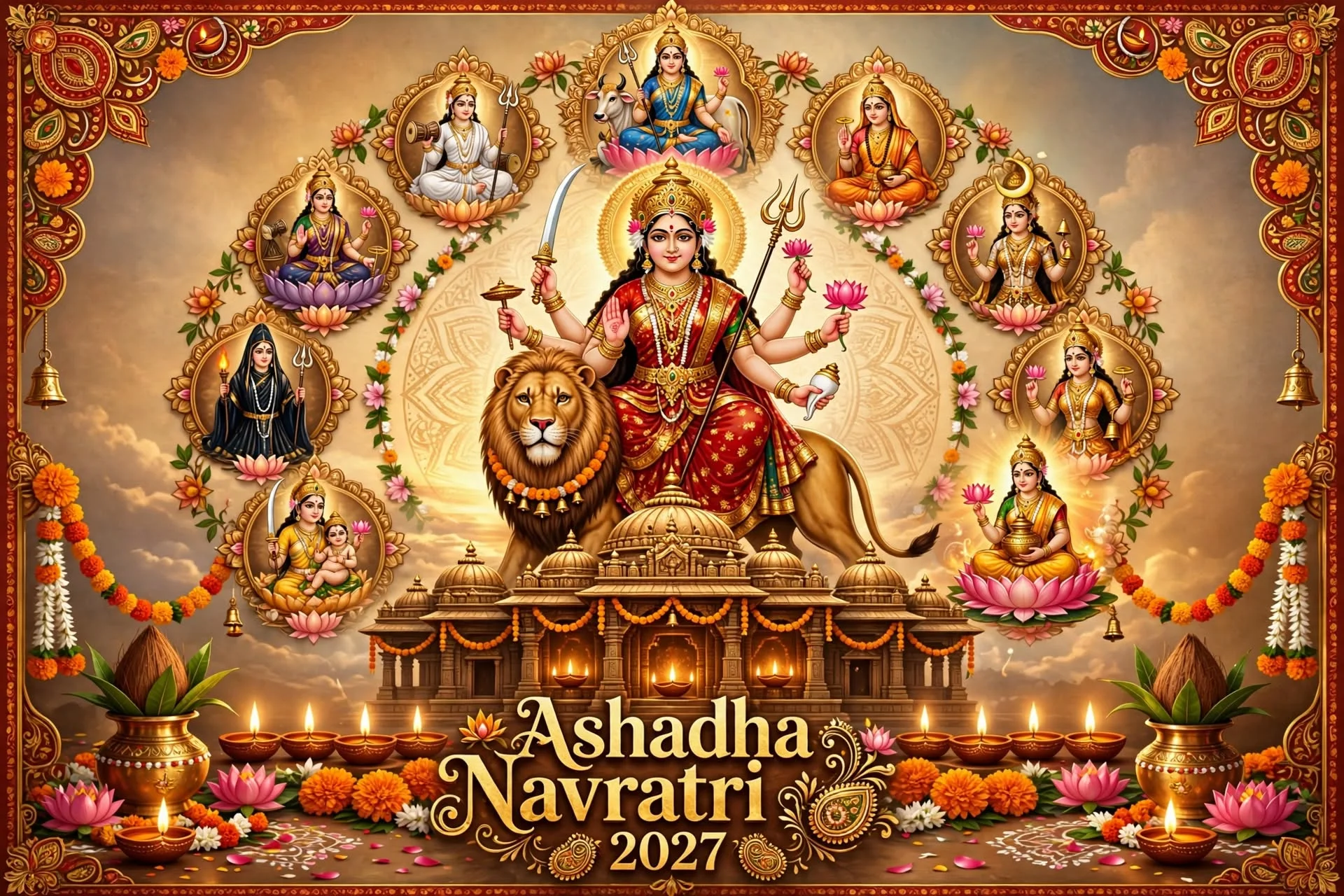
Sunday, Jul 4, 2027
Ashadha Navratri
Ashadha Navratri, prominently revered across Shakta and Tantric traditions as Ashadha Gupta Navratri or Varahi Navratri, is a sacred nine-night festival commencing on the Pratipada (first lunar day) and culminating on the Navami (ninth lunar day) of the Shukla Paksha in the Hindu lunar month of Ashadha (occurring in July). While Sharad Navratri (autumn) and Chaitra Navratri (spring) are widely celebrated as public socio-cultural festivals, the two secret or 'Gupta' Navratris—observed in the months of Magha and Ashadha—are esoteric, contemplative periods primarily dedicated to intensive Shakta Sadhana, internal Kundalini awakening, and deep Tantric communion with the Supreme Divine Mother.
View Festival Guide

Sunday, Jul 4, 2027
Ishti
Ishti is a foundational Vedic ritual observance appearing prominently in Hindu Panchangs on the Pratipada tithi (the first lunar day) following either Amavasya (new moon) or Purnima (full moon), marking the prescribed performance day for the fortnightly Vedic Darsha-Purnamasa sacrifices.
View Festival Guide
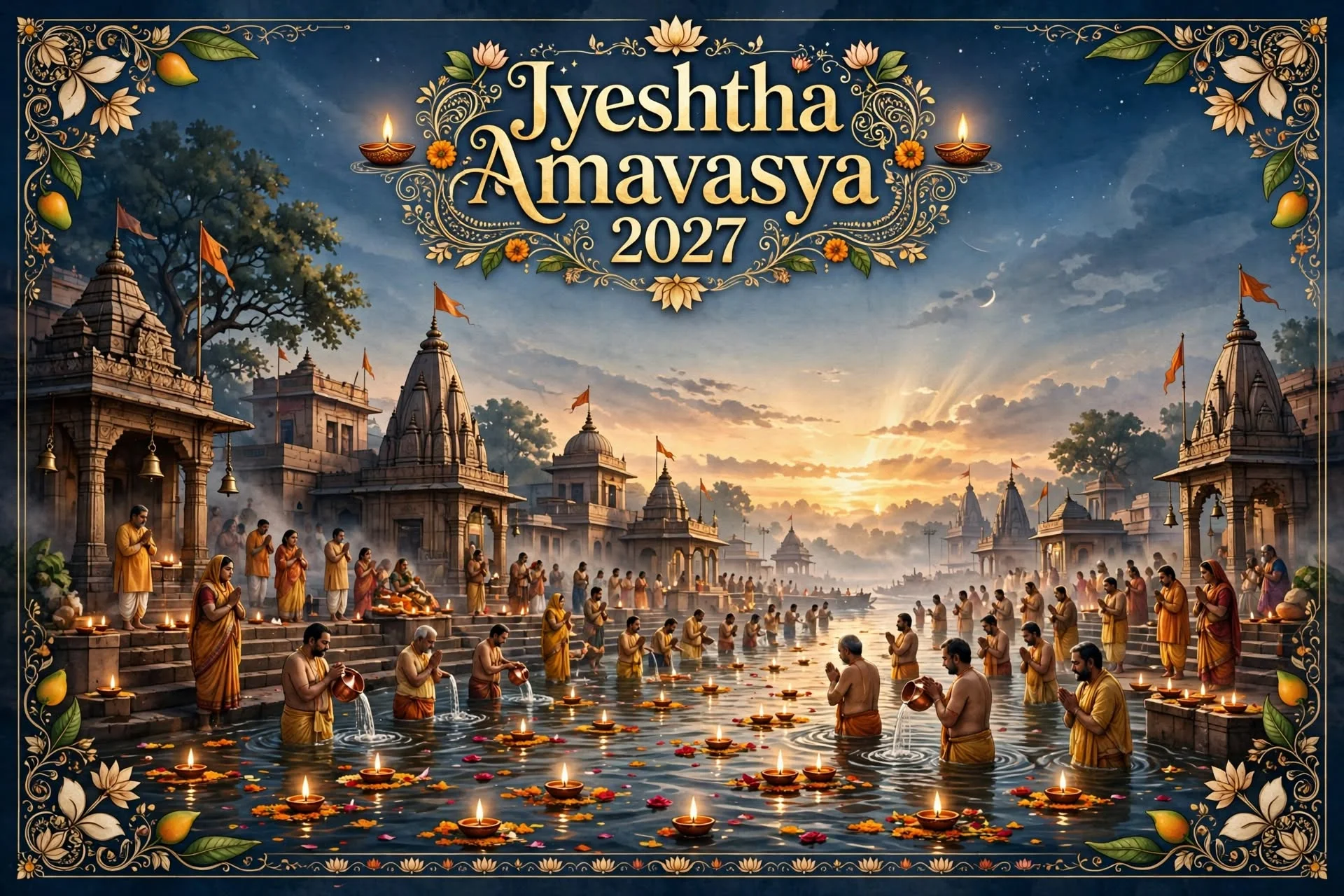
Sunday, Jul 4, 2027
Jyeshtha Amavasya
Jyeshtha Amavasya is the sacred new moon tithi that marks the culmination of the Krishna Paksha in the Hindu lunar month of Jyeshtha according to the Amavasyanta calendar, transitioning into the sacred monsoon month of Ashadha in the Gregorian calendar month of July. In Hindu cosmology, Amavasya is governed by the Pitrus (ancestral souls) and Aryaman, the presiding solar deity of ancestral realms. As the sun and moon align in perfect celestial conjunction, cosmic spiritual energies become inward-flowing, rendering this day uniquely potent for ancestral veneration, planetary purification, and austere introspective sadhana.
View Festival Guide

Monday, Jul 5, 2027
Chandra Darshana
Chandra Darshana is a revered monthly Hindu observance dedicated to sighting, venerating, and offering oblation to the delicate waxing crescent Moon immediately following the new moon (Amavasya), typically occurring during the twilight of Shukla Paksha Pratipada or Dwitiya.
View Festival Guide
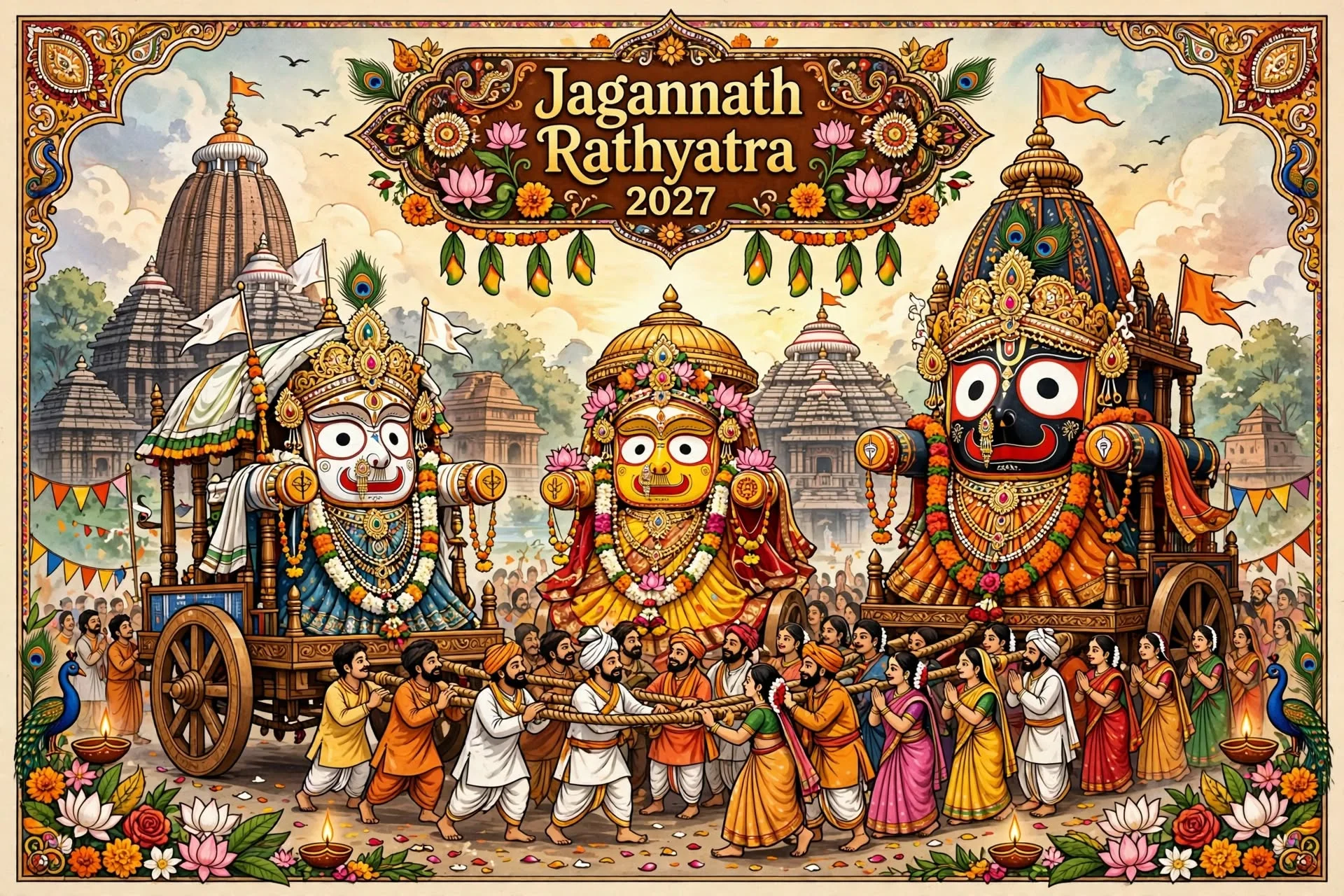
Monday, Jul 5, 2027
Jagannath Rathyatra
Jagannath Rathyatra, celebrated with cosmic majesty on the Dwitiya tithi (second lunar day) of Shukla Paksha in the Hindu month of Ashadha (occurring in July), is one of the most ancient, grandest, and spiritually celebrated chariot festivals on earth. Originating from the sacred coastal city of Puri (Srikshetra / Jagannath Puri) in Odisha, this monumental nine-day event marks the celestial journey of Bhagwan Jagannath—the Lord of the Universe and an affectionate manifestation of Lord Sri Krishna—accompanied by His elder brother Lord Balabhadra (Balarama) and His younger sister Devi Subhadra, from their magnificent 12th-century shrine (Srimandir) to their ancestral garden abode at the Gundicha Temple, situated three kilometers away.
View Festival Guide