




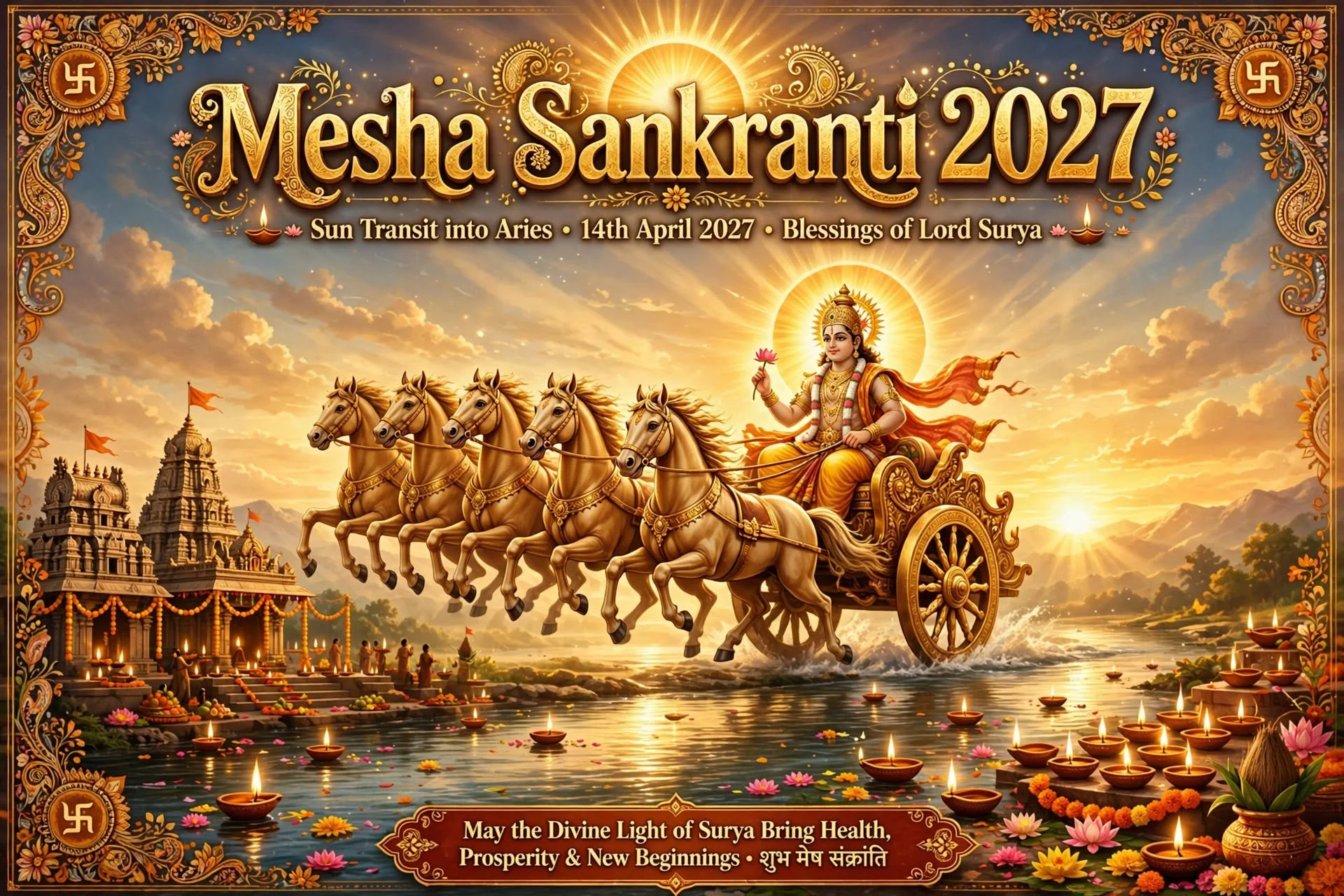
Mesha Sankranti marks the majestic astronomical ingress of Lord Surya (the Sun God) into Mesha Rashi (the zodiac sign of Aries), the first constellation of the sidereal zodiac. Occurring typically in mid-April, this celestial event represents the cardinal beginning of the solar calendar year in Sanatana Dharma. In Vedic astrology, Aries is the exalted sign (Uccha Rashi) of the Sun, wherein the solar deity radiates his supreme life-giving warmth, vigor, and spiritual illumination upon the earth.
Mesha Sankranti 2027: Date, Puja Timings, Rituals & Stories
Mesha Sankranti Timings & Panchang
Important festival dates and auspicious timings
Usha Arghya (Sunrise)
05:57 am
Sandhya Arghya (Sunset)
06:46 pm
Start Date
Wednesday, 14 Apr 2027
Puja Muhurat
05:29 pm – 03:24 pm
Mesha Sankranti
The religious sanctity of Mesha Sankranti is extensively expounded in ancient scriptures, including the Matsya Purana, Surya Purana, and Narada Purana. The solar transition creates a highly potent spiritual window known as the Punya Kala (meritorious period). Engaging in ritual baths in sacred rivers such as the Ganga, Yamuna, Godavari, and Kaveri during this transition is believed to wash away negative karmic impressions, ward off chronic physical afflictions, and rejuvenate the physical body with divine prana.
Devotees observe Mesha Sankranti by offering Arghya to the rising Sun, performing ancestral rites (Tarpan and Shraddha), and practicing specific seasonal charity. The tradition of donating earthen pitchers filled with cool drinking water (Jala Kumbha), roasted barley flour (Sattu), handheld fans (Pankha), umbrellas, and fresh seasonal fruits to spiritual seekers and the impoverished is observed nationwide to alleviate the summer heat and earn inexhaustible spiritual merit.
Why is Mesha Sankranti Celebrated?
Mesha Sankranti is celebrated to honor the Sun God's entry into his sign of highest exaltation (Aries), inaugurating the sidereal solar year. It serves as a vital astronomical and agrarian milestone, celebrating the ripening and harvesting of winter crops, expressing gratitude to solar energy for sustaining life, and aligning human consciousness with the cosmic laws of nature.
- Solar Exaltation: Commemorates Surya Dev entering Mesha Rashi, radiating peak vitality, health, and spiritual power across creation.
- Sanctifying River Dips: Bathing in holy confluences during the Punya Kala cleanses bodily toxins and dissolves accumulated karmic sins.
- Charity of Summer Essentials: Distributing water pitchers, sattu, melons, and hand fans brings immense merit and relieves physical distress.
- Ancestral Gratitude: Performing Tarpan on this transition pacifies departed ancestors and secures divine blessings for family prosperity.
Cosmic Transit & Scriptural Lore of Surya's Ingress
The Celestial Chariot of Surya Entering Aries
According to the Surya Purana, the Sun God rides a glorious golden chariot drawn by seven celestial horses (representing the seven colors of light and the seven Vedic meters), steered by the charioteer Aruna. When his chariot traverses into the sign of Aries, the cosmic balance of day and night reaches a sacred juncture, infusing the earth with creative warmth.
Vedic astronomers designated this sidereal ingress as the head of the cosmic Kala Purusha (Time Personified), decreeing that the dawn of Mesha Sankranti must be inaugurated with sacred mantras, Vedic homams, and generous acts of selfless charity.
The Legend of King Shibi and the Gift of Water
Ancient Puranic legends recount how virtuous monarchs such as King Shibi and Harishchandra observed Mesha Sankranti by establishing free water stations (Prapas) across their kingdoms. It is recorded that offering cool water to parched travelers and animals on this day equals the merit of performing an Ashvamedha Yajna.
The Matsya Purana declares that donating an earthen pitcher filled with scented water, gold, and sesame seeds on Mesha Sankranti satisfies both deities and ancestors for a hundred years, shielding the giver from planetary adversities.
Source: Surya Purana & Matsya Purana
Metaphysical & Astrological Depth of Mesha Sankranti
Awakening of the Inner Solar Fire (Agni)
In Vedic philosophy, the Sun is the visible manifestation of the Divine (Pratyaksha Devata) and the significator of the individual soul (Atma Karaka). In Aries, a cardinal fire sign ruled by Mars, the Sun's radiance stimulates the internal digestive fire (Jatharagni) and the spiritual flame of intellect (Buddhi).
Meditating on the Sun on Mesha Sankranti dispels lethargy, awakens supreme willpower, and cleanses the subtle energy channels (Pingala Nadi), inspiring the seeker to pursue righteous action (Dharma) with radiant confidence.
The Philosophy of Seasonal Charity (Sattu & Water Daan)
The customary consumption and donation of roasted gram flour (Sattu) mixed with cooling herbs on Mesha Sankranti reflects profound Ayurvedic wisdom. As atmospheric temperatures soar, sattu provides instant cooling, hydration, and sustained nourishment.
Donating earthen water pots and hand fans reinforces the Vedic virtue of compassion (Daya), reminding householders that spiritual elevation is achieved through selfless service to suffering beings during harsh climatic seasons.
Rituals & Festive Traditions of Mesha Sankranti
Punya Snan, Surya Arghya, and Ancestral Tarpan
Devotees rise before dawn and travel to revered rivers such as the Ganga, Yamuna, or holy pilgrimage ponds. After a purifying bath during the designated Punya Kala, worshippers face east and offer Arghya to the rising Sun with water mixed with red sandalwood, red flowers, and unbroken rice in a copper vessel.
Following solar worship, ancestral Tarpan is performed using water, black sesame seeds, and sacred Kusha grass, seeking blessings for lineage continuity and domestic harmony.
Sattu Samarpana, Kumbha Daan, and Community Feasts
Devotees worship Lord Vishnu and Surya Dev with yellow flowers and incense, offering a special naivedya of roasted gram flour (Sattu), jaggery, raw mango, and fresh melons. Earthen pots filled with water and covered with small bowls of sattu are consecrated and donated to Brahmins and seekers.
Families gather to consume refreshing sattu drinks, cucumber, and seasonal fruits, celebrating the arrival of the harvest season with joy, community camaraderie, and charitable giving.
Mesha Sankranti Puja Vidhi (Step by Step)
- 1
Brahma Muhurta Punya Snana
Awaken during Brahma Muhurta and take a purifying bath in a sacred river or bathe at home with water infused with Gangajal and red flowers.
- 2
Surya Arghya Samarpana
Fill a pure copper vessel with clean water, red sandalwood paste, red hibiscus flowers, and Akshata, offering it to the rising Sun while chanting the Gayatri Mantra.
- 3
Mesha Sankranti Sankalpa
Hold water, Akshata, and Kusha grass in your right hand, face east, and recite the formal Sankalpa declaring the vow of solar worship and charity.
- 4
Altar & Peetha Sthapana
Cover a clean wooden chauki with vibrant red or saffron silk cloth, place an idol or image of Lord Surya and Lord Narayana, and sanctify the space.
- 5
Kumbha Sthapana
Establish a clean earthen pitcher filled with cool scented drinking water, adorned with swastika markings in kumkum and draped with red cloth.
Mesha Sankranti Puja Samagri List
Altar & Solar Worship Materials
Sacred articles required to establish the solar altar and offer ceremonial Arghya.
- Pure copper Arghya patra (vessel) and Gangajal
- Idol or framed representation of Lord Surya and Lord Narayana
- Red or saffron silk altar cloth and clean wooden chauki
- Red sandalwood paste (Rakta Chandan), Kumkum, and unbroken rice (Akshata)
- Pure cow-ghee lamp, long cotton wicks, and aromatic camphor
Floral & Botanical Offerings
Sacred blossoms and plant offerings beloved by Lord Surya.
- Fresh red hibiscus (Gudhal) flowers and red rose petals
- Yellow marigold garlands and sacred Tulsi leaves for Lord Vishnu
- Kusha grass ring (Pavitri) and clean Kusha mats for meditation
- Aromatic dhoop sticks (Sandalwood and Guggul)
Sattu, Fruits & Charitable Donation Items
Traditional food offerings and seasonal cooling items to donate on Sankranti.
- Fresh roasted barley or gram flour (Sattu) and organic crushed jaggery
- Earthen water pitchers (Ghadhas / Kumbhas) with lids
Mantras and Prayers for Mesha Sankranti
Mesha Sankranti Vrat Rules and Fasting Guidelines
Observance Guidelines for Mesha Sankranti
Specific spiritual rules and charitable disciplines to observe during the solar transit.
- Punya Kala Timing: Perform snana, japa, and charity during the prescribed astronomical Punya Kala window of the transit.
- Surya Dhyana: Chant solar mantras during sunrise and avoid sleeping during the auspicious daylight hours.
- Seasonal Dietary Discipline: Partake in sattu, cool drinking water, and seasonal fruits; avoid hot, overly spicy, and heavy foods.
- Water Charity: Establish public drinking water stations or place water bowls for birds and animals to earn lasting spiritual merit.
Dos and Don'ts of Mesha Sankranti
Good Practices (Do's)
- Wake early, bathe in holy river water or Gangajal, and offer Arghya to the Sun God in a copper vessel.
- Recite the sacred Aditya Hridaya Stotra and Surya Gayatri Mantra.
- Donate earthen pitchers filled with water, sattu, handheld fans, and melons to the needy.
- Place bowls of clean water on terraces and outside homes for birds and thirsty animals.
Things to Avoid (Don'ts)
Mesha Sankranti Across Regions
| Region | Local Name |
|---|---|
| Northern India & Bihar | Satuani / Mesha Sankranti |
| Odisha | Pana Sankranti / Maha Vishuba Sankranti |
| Bengal & Assam | Poila Boishakh / Rongali Bihu |
Mesha Sankranti FAQs
What is Mesha Sankranti?
Mesha Sankranti is the astronomical transit of the Sun into the zodiac sign of Aries (Mesha Rashi), marking the beginning of the Hindu solar calendar year.
Why is Aries considered special for the Sun in Vedic astrology?
Aries is the sign of exaltation (Uccha Rashi) for the Sun, where his rays radiate maximum vitality, health, strength, and spiritual power.
What items are traditionally donated on Mesha Sankranti?
Earthen water pots filled with cool water, roasted gram flour (Sattu), hand fans, umbrellas, seasonal fruits (melons and mangoes), and clothes are donated.
Upcoming Festivals
View All
Wednesday, Apr 14, 2027
Solar New Year
The Solar New Year (Maha Vishuba Sankranti or Mesha Sankranti) marks the grand beginning of the sidereal solar calendar across diverse states and cultures of India. Celebrated when the Sun God (Surya Bhagavan) enters Mesha Rashi (the zodiac sign of Aries) in mid-April, this pan-Indian festival is celebrated under glorious regional names: Puthandu in Tamil Nadu, Vishu in Kerala, Pohela Boishakh in Bengal, Pana Sankranti in Odisha, Bohag Bihu in Assam, and Baisakhi in Punjab.
View Festival Guide
Thursday, Apr 15, 2027
Rama Navami
Rama Navami is one of the most sublime and universally revered festivals in Sanatana Dharma, celebrating the auspicious appearance (Janmotsav) of Maryada Purushottam Lord Sri Rama—the seventh incarnation of Lord Vishnu. Falling on the ninth day of the waxing moon (Shukla Paksha Navami) in the sacred month of Chaitra, it marks the grand culmination of the nine-day Chaitra Navratri festival. Born at high noon during the sacred Abhijit Muhurta in the ancient holy city of Ayodhya, Lord Rama incarnated to restore righteousness, establish exemplary moral standards (Dharma), and vanquish demonic forces across the earth.
View Festival Guide
Thursday, Apr 15, 2027
Swaminarayan Jayanti
Swaminarayan Jayanti marks the auspicious birth anniversary of Bhagwan Swaminarayan (1781–1830 CE), the founder of the Swaminarayan Sampradaya and revered as a supreme divine manifestation in modern Sanatana Dharma. Celebrated on the ninth lunar day of the bright fortnight (Shukla Paksha Navami) in the month of Chaitra, this holy observance coincides precisely with Rama Navami. Manifesting at the sacred hour of 10:10 PM in the village of Chhapaiya near Ayodhya, Bhagwan Swaminarayan descended to establish moral rectitude, spiritual purity, social reform, and unconditional devotion to God.
View Festival Guide
Saturday, Apr 17, 2027
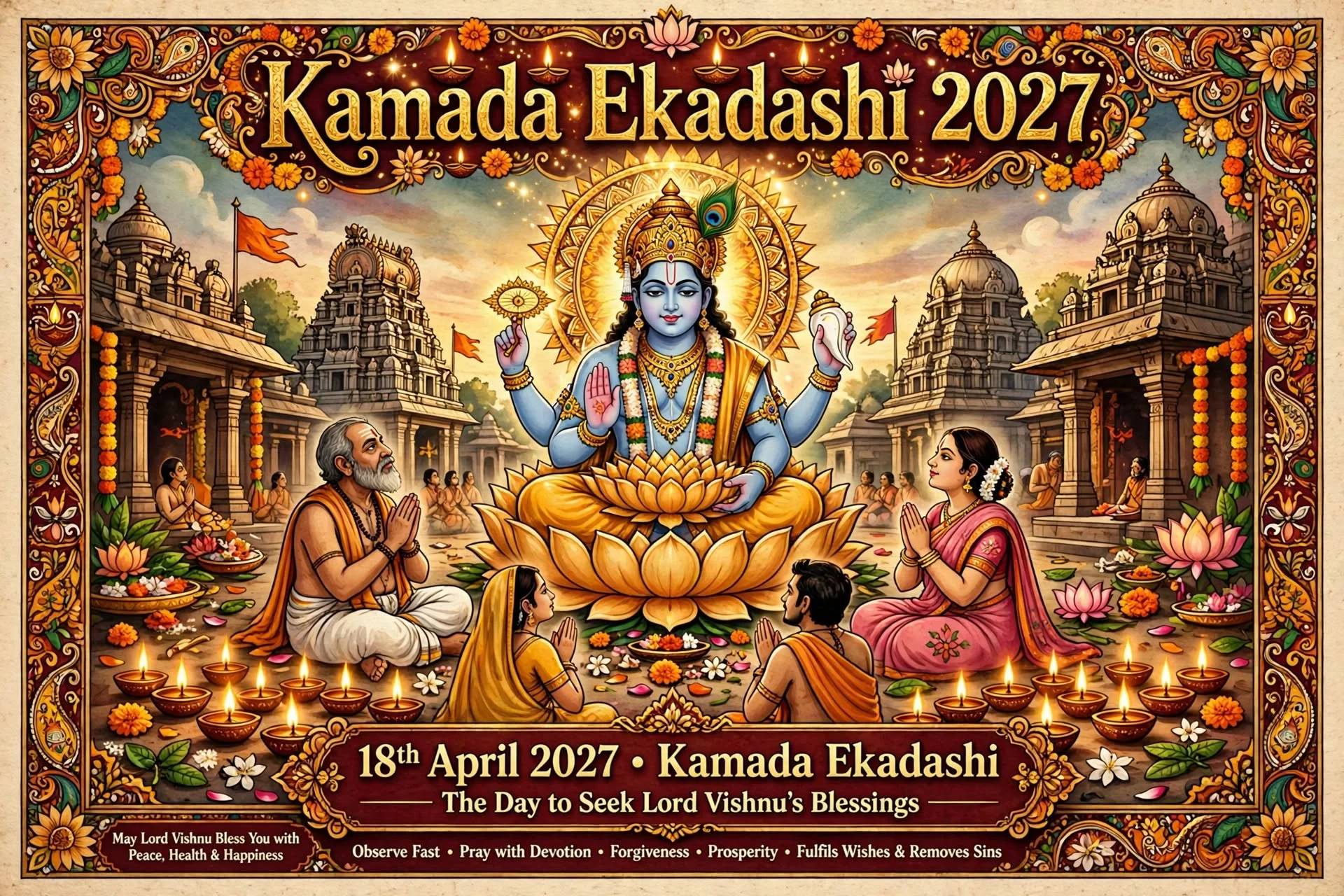
Kamada Ekadashi
Kamada Ekadashi holds a uniquely exalted position in the Hindu spiritual calendar as the very first Ekadashi of the new Hindu lunar year. Falling on the eleventh day of the waxing moon (Shukla Paksha Ekadashi) in the sacred month of Chaitra, this divine observance is celebrated as the supreme fulfiller of all righteous desires. The Sanskrit word 'Kamada' literally signifies 'the granter of cherished aspirations' (Kama meaning desire, and Da meaning giver), possessing the extraordinary spiritual power to dissolve the deepest karmic stains and liberate souls from severe curses.
View Festival Guide
Sunday, Apr 18, 2027
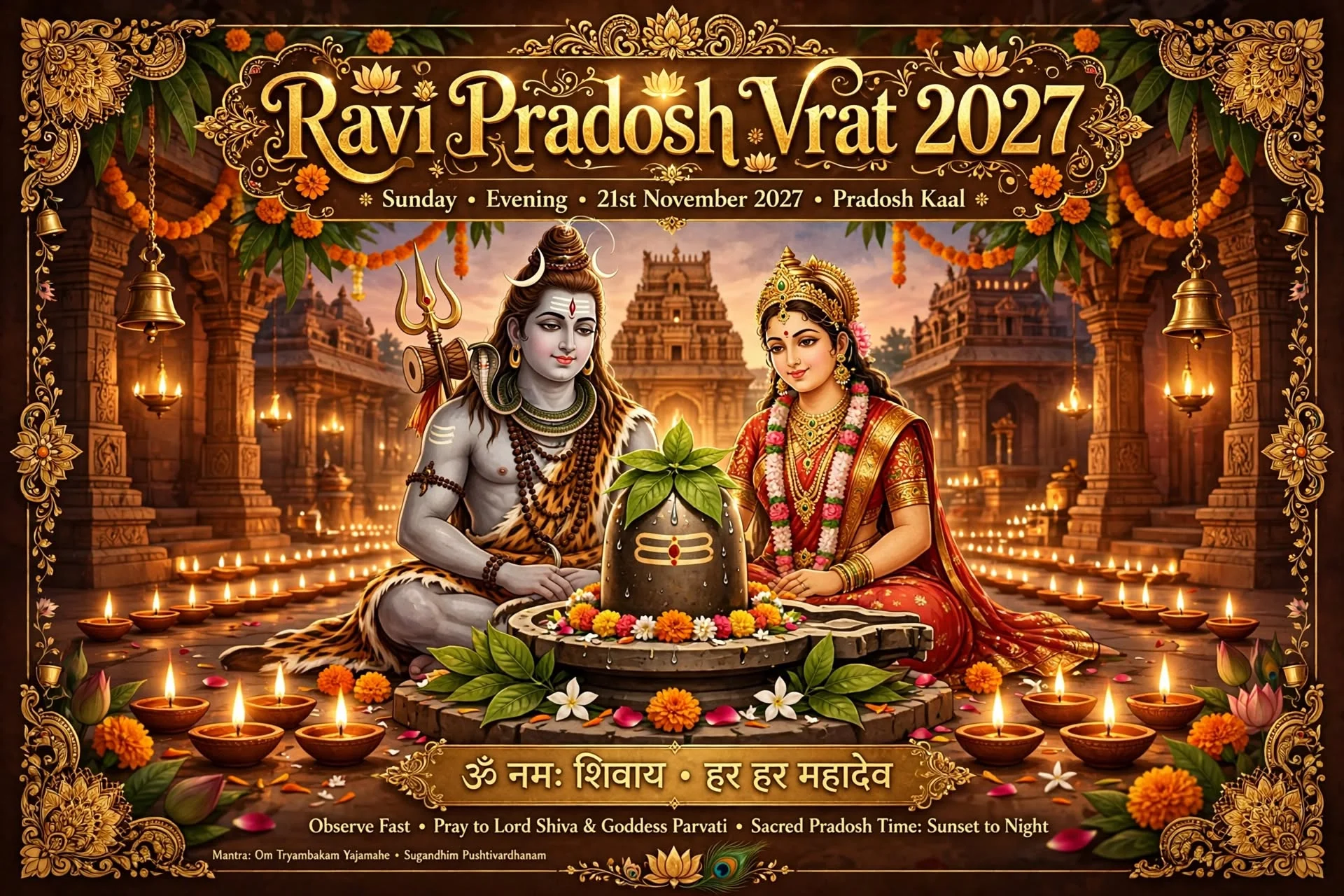
Ravi Pradosh Vrat
Ravi Pradosh Vrat is an exceptionally sacred fasting day observed on the thirteenth lunar day (Trayodashi) that coincides with a Sunday (Ravivara). Dedicated to Lord Shiva, the cosmic dissolver of sorrow, this bimonthly vow unites the healing radiance of Surya Bhagavan with the boundless compassion of Mahadeva. Observed during the twilight Sandhya period, it is believed to banish physical ailments, clear karmic obstructions, and bestow vitality and longevity.
View Festival Guide
Tuesday, Apr 20, 2027
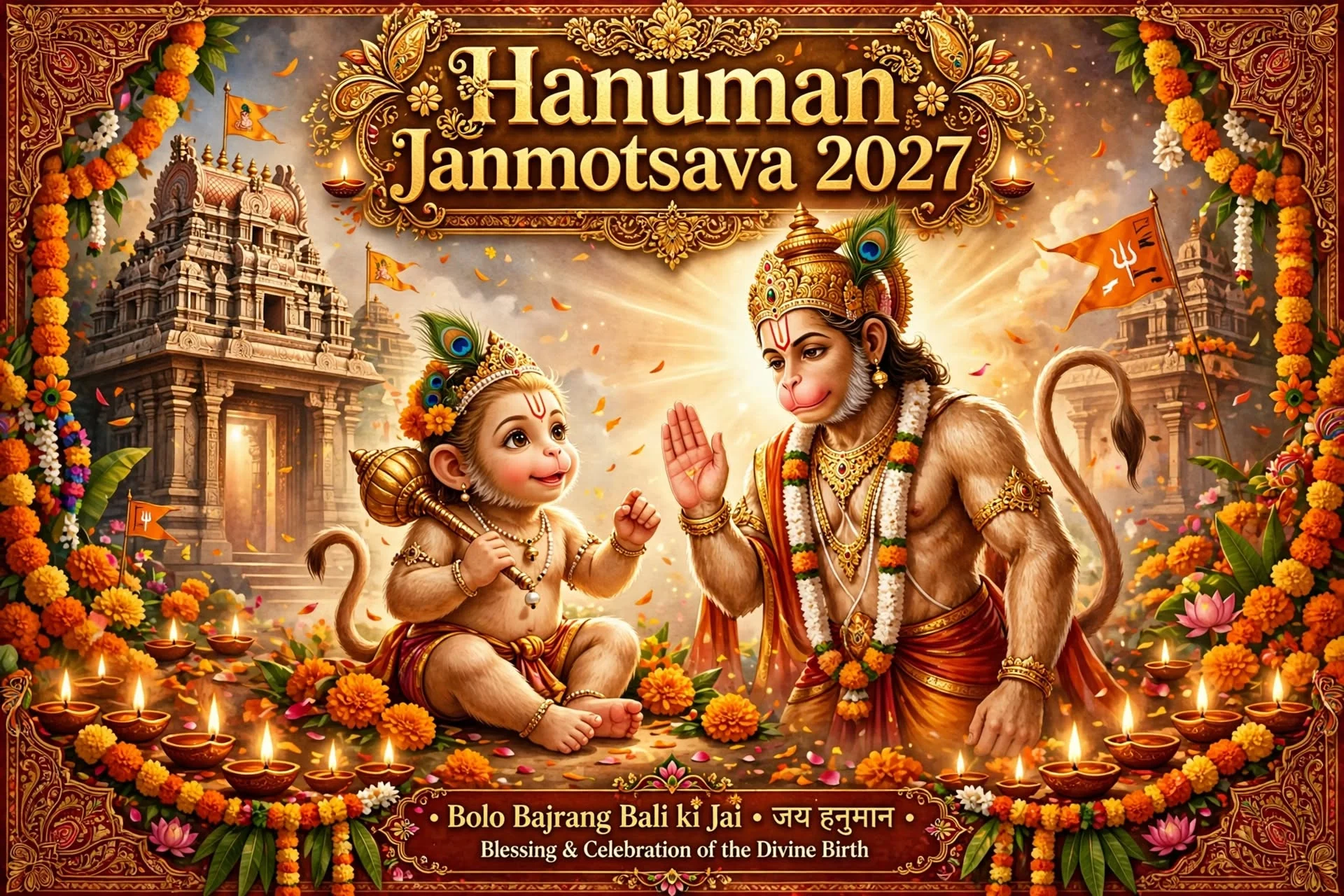
Hanuman Janmotsava
Hanuman Janmotsava marks the glorious birth celebration of Sri Hanuman, the immortal Rudra avatar of Lord Shiva and the supreme paragon of unalloyed devotion (Dasa Bhakti) to Lord Sri Rama. Celebrated with profound reverence on the full moon day (Purnima) of the sacred month of Chaitra, this divine occasion honors the eternal presence of Bajrangbali on earth. Traditional Vedic scholars and Vaishnava acharyas specifically designate this holy day as 'Janmotsava' (the celebration of birth) rather than 'Jayanti', because Sri Hanuman is one of the seven sacred Chiranjivis (deathless immortals) who eternally resides on earth wherever the holy name of Rama is chanted.
View Festival Guide

Tuesday, Apr 20, 2027
Anvadhan
Anvadhan (अन्वाधान) is an ancient, highly revered Vedic ritual and spiritual observance in Sanatana Dharma performed on the day immediately preceding the New Moon (Amavasya) or Full Moon (Purnima). Rooted in the pristine traditions of the Shrauta and Grihya Sutras, Anvadhan literally translates to 'the solemn placing and replenishment of sacred fuel wood into the consecrated Vedic fires'. In traditional Vedic ritualism, householders (Grihasthas) and priests who maintain the sacred Agnihotra fires perform Anvadhan to prepare the sacrificial altars for the grand Darsha Yajna (New Moon sacrifice) or Paurnamasa Yajna (Full Moon sacrifice) scheduled for the following day.
View Festival Guide
Tuesday, Apr 20, 2027
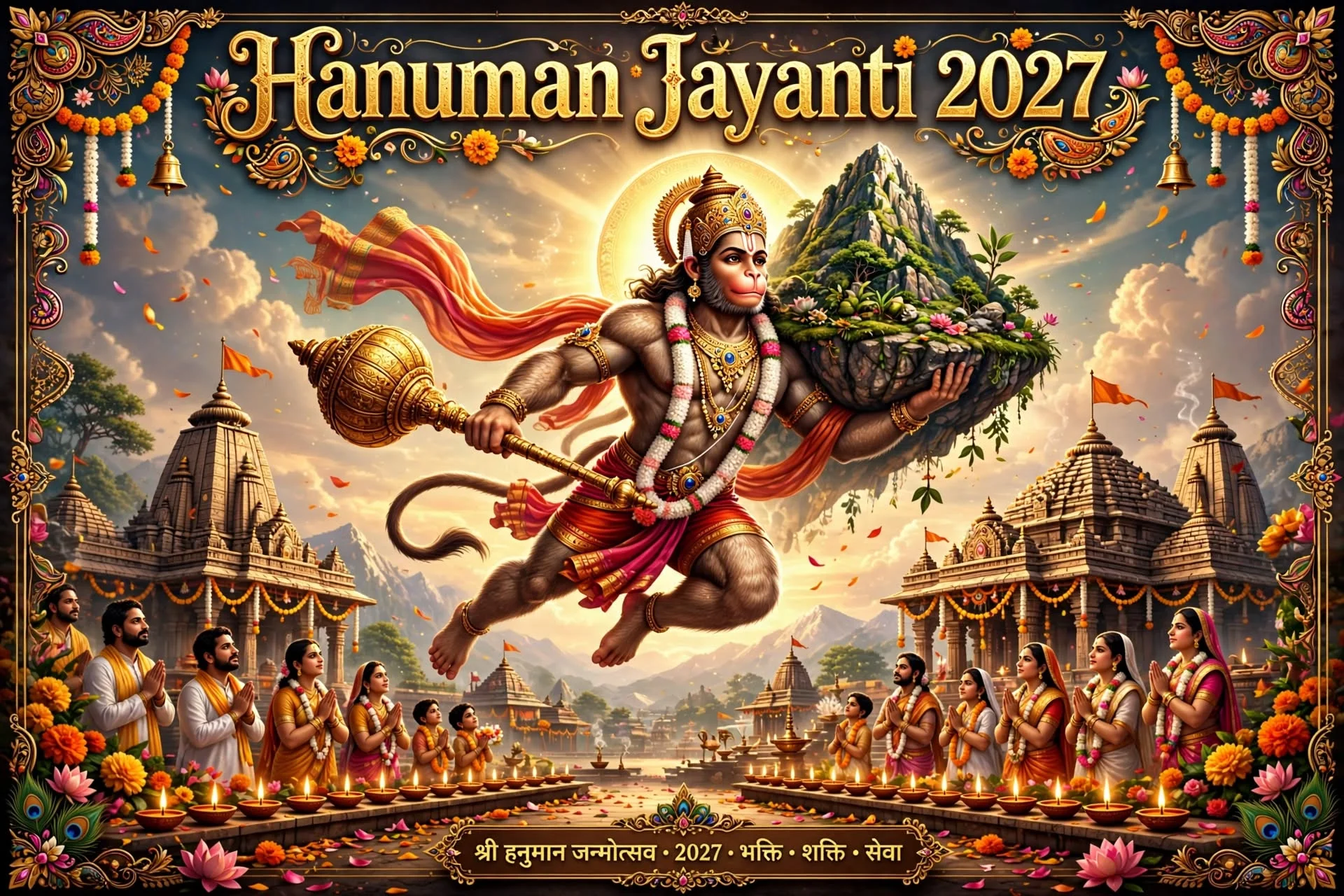
Hanuman Jayanti
Hanuman Jayanti marks the glorious appearance anniversary of Sri Hanuman, the Rudra avatar of Lord Shiva, the foremost servant of Lord Sri Rama, and the eternal epitome of selfless devotion (Seva), valor, and spiritual strength. Celebrated on the full moon day (Purnima) of the sacred month of Chaitra, this auspicious festival commemorates the auspicious moment when Lord Hanuman manifested on earth to assist Lord Rama in vanquishing the forces of evil and establishing the eternal kingdom of righteousness (Dharma).
View Festival Guide