




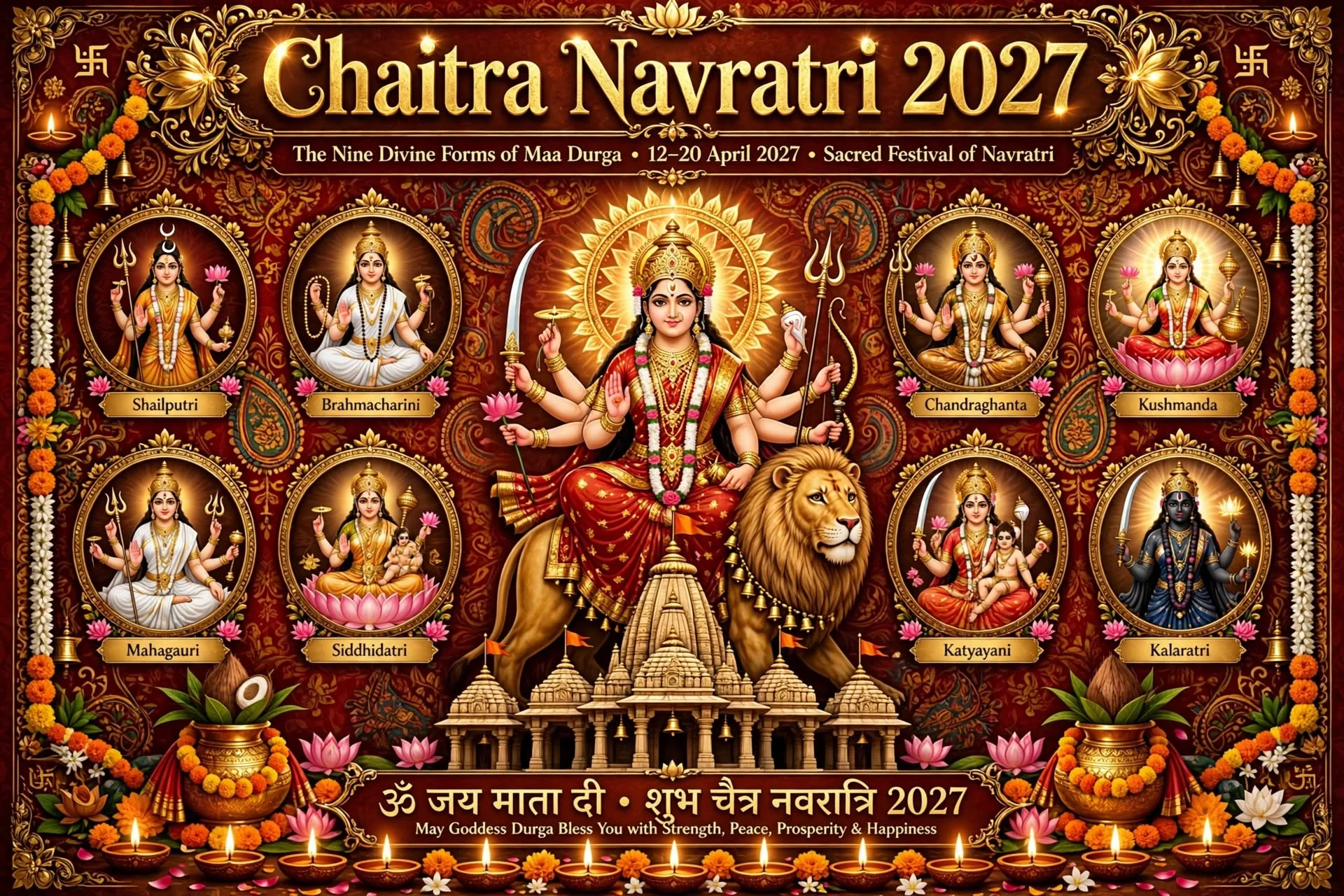
Chaitra Navratri, also reverently known as Vasanta Navratri, is a sacred nine-night festival dedicated to the worship of Goddess Durga and her nine supreme manifestations (Navadurga). Commencing on the first day of the bright fortnight (Shukla Paksha Pratipada) in the month of Chaitra, it coincides with the advent of the Hindu New Year and culminates on Rama Navami, the appearance day of Lord Rama. Celebrated during the vibrant transition into spring, it signifies spiritual rejuvenation, maternal cosmic protection, and the triumph of divine righteousness.
Chaitra Navratri 2027: Date, Puja Timings, Rituals & Stories
Chaitra Navratri Timings & Panchang
Important festival dates and auspicious timings
Usha Arghya (Sunrise)
06:05 am
Sandhya Arghya (Sunset)
06:42 pm
Start Date
Wednesday, 7 Apr 2027
Puja Muhurat
05:21 am – 04:28 am
Chaitra Navratri
The profound scriptural authority of Chaitra Navratri is enshrined in the Devi Bhagavata Purana, Markandeya Purana (specifically the sacred Devi Mahatmya or Durga Saptashati), and Kalika Purana. These texts expound how the primordial cosmic power (Adishakti Mahamaya) assumes nine unique forms across nine nights: Shailaputri, Brahmacharini, Chandraghanta, Kushmanda, Skandamata, Katyayani, Kalaratri, Mahagauri, and Siddhidatri. Each form represents a distinct facet of spiritual ascent, empowering the devotee to conquer inner vices and attain supreme self-realization.
The festival commences with the ceremonial Ghatasthapana (consecration of the holy water vessel) and sowing of barley seeds (Jowar/Khetri), alongside the lighting of the perpetual lamp (Akhand Jyoti). Devotees observe rigorous fasting, engage in daily recitations of the Durga Saptashati, chant sacred mantras, and conclude the festival with the worship of nine young pre-pubescent girls (Kanya Puja), revering them as living embodiments of the Divine Mother.
Why is Chaitra Navratri Celebrated?
Chaitra Navratri is celebrated to honor the primordial feminine energy of the cosmos (Shakti) that sustains, protects, and rejuvenates creation. It marks the seasonal transition into spring (Vasanta Ritu), providing a nine-day window for intensive spiritual discipline, bodily detoxification through fasting, and invoking divine protection against negative influences.
- Worship of Navadurga: Consecrates nine consecutive nights to worship the nine distinct forms of Goddess Durga for spiritual empowerment.
- Concurrence with Hindu New Year: Begins simultaneously with Vikram Samvat, filling the opening days of the year with maternal divine blessings.
- Preparation for Rama Navami: Prepares devotees through nine days of ascetic devotion for the celebrated birth anniversary of Lord Rama on Navami.
- Internal Detoxification: Fasting on sattvic phalahari diet purifies physical tissues and balances bodily humors during the seasonal shift.
Cosmic Genesis & Scriptural Lore of Vasanta Navratri
The Awakening of Adishakti by Lord Brahma
According to the Devi Bhagavata Purana, prior to undertaking the complex manifestation of the universe, Lord Brahma performed severe penance during the springtime Chaitra month to propitiate Supreme Goddess Mahamaya. Gratified by his devotion, Adishakti emerged as the dynamic kinetic force, enabling Brahma to create, Vishnu to preserve, and Shiva to withdraw the cosmos.
Because the universe received its foundational impulse of order and life during this period, the springtime Navratri has been observed since Satyayuga as the preeminent period for worshipping the Divine Mother.
Lord Rama's Chaitra Vrata and Birth on Navami
Puranic chronicles also recount that in Treta Yuga, King Dasharatha performed the sacred Putrakameshti Yajna during this period under the guidance of Sage Rishyasringa. On the culminating ninth day (Chaitra Shukla Navami), the Supreme Lord manifested as Sri Rama in Ayodhya to establish righteousness.
Furthermore, spiritual traditions hold that Lord Rama worshipped Mother Bhavani during Chaitra Navratri to receive divine weapons and blessings for the protection of hermits and sages from demonic harassment.
Source: Devi Bhagavata Purana & Markandeya Purana
The Spiritual Ascent Through the Nine Forms of Durga
The Kundalini Journey and the Navadurga
In esoteric Yogic philosophy, the nine nights of Navratri represent the systematic awakening of the dormant Kundalini Shakti through the seven chakras. Worshipping Shailaputri awakens devotion at the Muladhara chakra, moving through Brahmacharini (Svadhisthana), Chandraghanta (Manipura), Kushmanda (Anahata), Skandamata (Vishuddha), Katyayani (Ajna), and culminating in Mahagauri and Siddhidatri at the Sahasrara chakra.
This inner progression mirrors the soul's liberation from primal animalistic instincts (Tamas) into dynamic spiritual pursuit (Rajas), reaching serene transcendent wisdom (Sattva).
The Mysticism of the Ghatasthapana and Khetri
The sacred earthen pot (Kalash) symbolizes the universe and the physical body, while the holy water inside represents the cosmic consciousness. Sowing barley seeds (Jowar) on the earthen base represents the fertile matrix of Mother Earth and the renewal of life.
The lush green growth of barley sprouts over the nine days is regarded as a divine omen of bountiful prosperity, agricultural abundance, and spiritual fruition for the upcoming year.
Ritual Calendar & Observance Discipline for Navratri
Ghatasthapana, Akhand Jyoti, and Daily Fasting
On Pratipada morning, devotees clean their altar, establish the sacred Kalash during the prescribed Shubh Muhurta, sow barley seeds in an earthen pot, and ignite the Akhand Jyoti (perpetual lamp) that burns continuously for nine days and nights.
Devotees observe a strict phalahari fast, abstaining from grains, lentils, onion, garlic, and non-vegetarian food. The daily routine consists of chanting the Navarna Mantra, reading one or more chapters of the Durga Saptashati, and offering fragrant flowers and red clothes to the specific Devi form of the day.
Maha Ashtami, Kanya Puja, and Rama Navami
On the eighth day (Maha Ashtami) and ninth day (Maha Navami), elaborate worship of Goddess Mahagauri and Siddhidatri is conducted. The sacred rite of Kanya Puja (Kanjak) is performed, where nine young girls (symbolizing the nine Durgas) and one young boy (symbolizing Batuk Bhairava) are invited.
Their feet are washed with milk and water, vermilion tilak is applied, and they are lovingly served a traditional feast of Halwa, Puri, and black chickpeas (Kala Chana), followed by gifts and seeking their divine blessings.
Chaitra Navratri Puja Vidhi (Step by Step)
- 1
Pratah Snan & Altar Cleansing
Wake during Brahma Muhurta, take a purifying bath with Gangajal, cleanse the worship room, and spread a pristine red silk cloth over the altar.
- 2
Khetri (Barley) Sowing
Fill a broad earthen tray with clean sanctified soil, sprinkle unbroken barley (Jowar) seeds, and moisten gently with holy water.
- 3
Kalash Sthapana (Ghatasthapana)
Place a copper or bronze Kalash filled with holy water, betel nut, silver coin, and sacred herbs in the center of the barley tray.
- 4
Pallava & Coconut Installation
Arrange five or seven fresh mango leaves around the rim of the Kalash and place an unblemished coconut wrapped in a red Chunri and Moli on top.
- 5
Akhand Deepa Prajvalan
Kindle a brass lamp filled with pure cow ghee or sesame oil, making a solemn vow to maintain the flame uninterrupted for the nine sacred days.
Chaitra Navratri Puja Samagri List
Ghatasthapana & Sanctum Materials
Sacred articles required to establish the holy Kalash, sow barley seeds, and light the perpetual lamp.
- Idol or framed picture of Goddess Durga and Navadurga yantra
- Broad earthen pot (Khetri bowl) and clean garden soil
- Unbroken barley seeds (Jau / Jowar) and pure Gangajal
- Copper or brass Kalash, raw coconut, and 5-7 fresh mango leaves
- Red cloth (Chunri), sacred red thread (Moli), and brass Akhand Jyoti lamp
Shodashopachara Worship Offerings
Traditional botanical offerings, cosmetics, and fragrances beloved by the Divine Mother.
- Fresh red hibiscus (Gudhal) flowers, red rose petals, and lotus blossoms
- Roli (Kumkum), Haldi, Chandan, and unbroken rice (Akshata)
- Complete Shringar set (bangles, bindi, mehndi, kajal, mirror, comb)
- Pure cow ghee, sesame oil, long cotton wicks, and pure camphor
- Aromatic dhoop sticks, Guggul, and Loban for daily incense offering
Naivedya & Kanya Puja Items
Food offerings for daily fasting and ingredients for the celebratory Kanya Puja feast.
- Fresh seasonal fruits (pomegranates, apples, bananas), dry fruits, and mishri
Mantras and Prayers for Chaitra Navratri
Chaitra Navratri Vrat Rules and Fasting Guidelines
Strict Fasting & Conduct Rules for Navratri
Adherence to self-restraint and scriptural discipline is paramount during the sacred nine nights.
- Sattvic Diet: Grains, wheat, rice, pulses, table salt, onion, garlic, and meat are completely prohibited. Consume only Sendha Namak (rock salt) and phalahari items.
- Brahmacharya: Maintain strict physical and mental celibacy, avoiding anger, gossip, and falsehood.
- Akhand Jyoti Care: If lighting an Akhand Jyoti, ensure the house is never left empty and the lamp is regularly replenished with ghee.
- Grooming Restrictions: Avoid cutting hair, shaving, trimming nails, or stitching leather during the nine-day vow.
Dos and Don'ts of Chaitra Navratri
Good Practices (Do's)
- Wake early, perform Ghatasthapana during the auspicious Muhurta, and sow barley seeds.
- Chant the Navarna Mantra and read the sacred Durga Saptashati daily.
- Maintain a pure sattvic diet using only rock salt (Sendha Namak) and fruits.
- Honor young girls through Kanya Puja and seek their divine blessings.
Things to Avoid (Don'ts)
Chaitra Navratri Across Regions
| Region | Local Name |
|---|---|
| Northern India | Chaitra Navratri |
| Western India (Gujarat & Maharashtra) | Vasanta Navratri |
| Eastern India (Bengal & Assam) | Basanti Puja |
Chaitra Navratri FAQs
What is Chaitra Navratri?
Chaitra Navratri (Vasanta Navratri) is a nine-day Hindu festival celebrated in the month of Chaitra, dedicated to the worship of Goddess Durga in her nine forms.
How is Chaitra Navratri different from Sharad Navratri?
Chaitra Navratri occurs in spring (March-April) and culminates in Rama Navami, whereas Sharad Navratri occurs in autumn (September-October) and culminates in Vijayadashami.
What is Ghatasthapana?
Ghatasthapana is the sacred ritual of establishing a holy water pot (Kalash) and sowing barley seeds on the first day of Navratri to invoke Goddess Durga's presence.
Upcoming Festivals
View All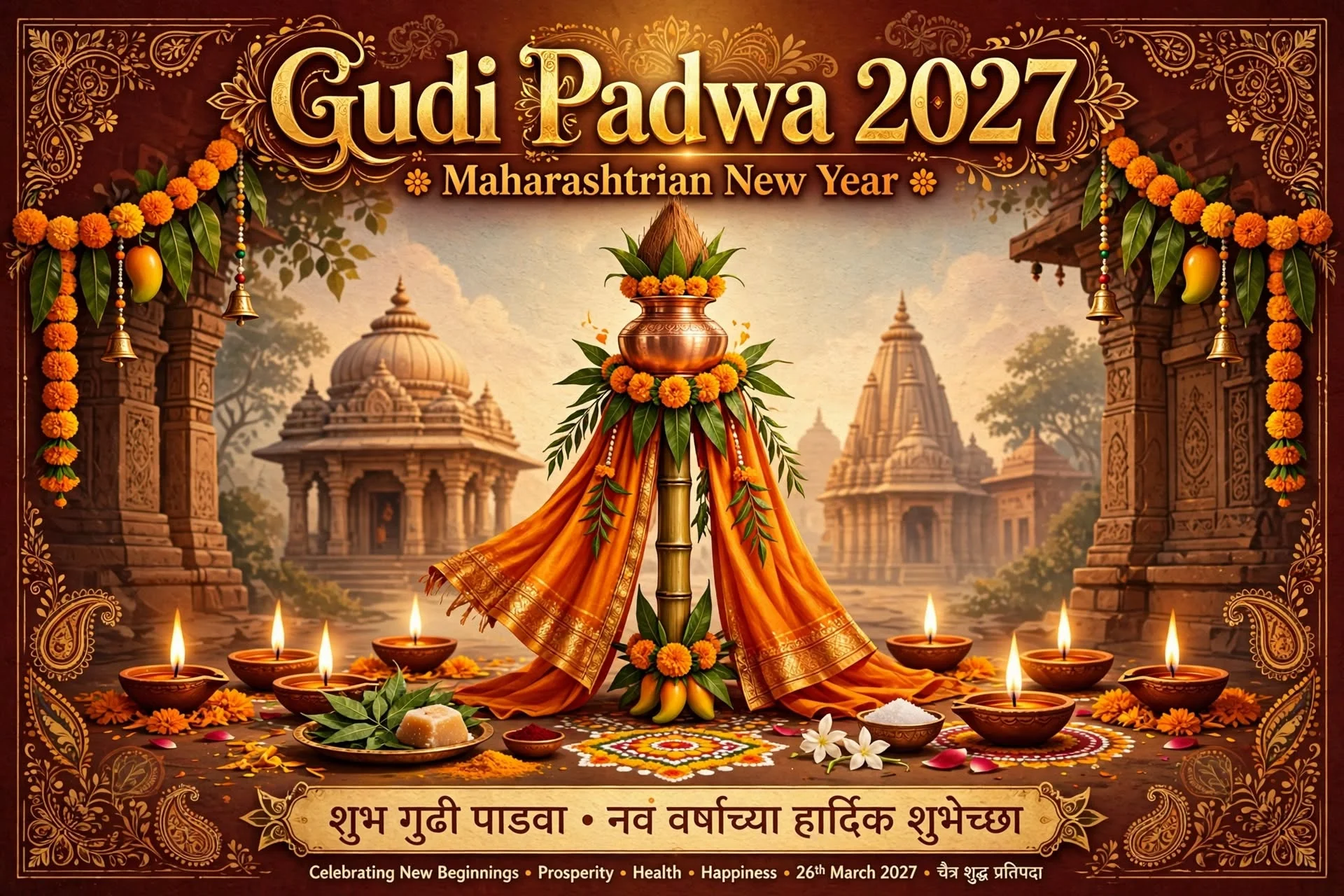
Wednesday, Apr 7, 2027
Gudi Padwa
Gudi Padwa marks the grand celebration of the Marathi and Konkani New Year, observed on the first day of the bright fortnight (Shukla Paksha Pratipada) in the sacred month of Chaitra. Celebrated with tremendous cultural pride and spiritual fervor across Maharashtra, Goa, and adjoining regions, this vibrant festival heralds the arrival of spring (Vasanta Ritu) and commemorates the cosmic dawn of creation initiated by Lord Brahma.
View Festival Guide

Wednesday, Apr 7, 2027
Ishti
Ishti is a foundational Vedic ritual observance appearing prominently in Hindu Panchangs on the Pratipada tithi (the first lunar day) following either Amavasya (new moon) or Purnima (full moon), marking the prescribed performance day for the fortnightly Vedic Darsha-Purnamasa sacrifices.
View Festival Guide
Wednesday, Apr 7, 2027
Ugadi
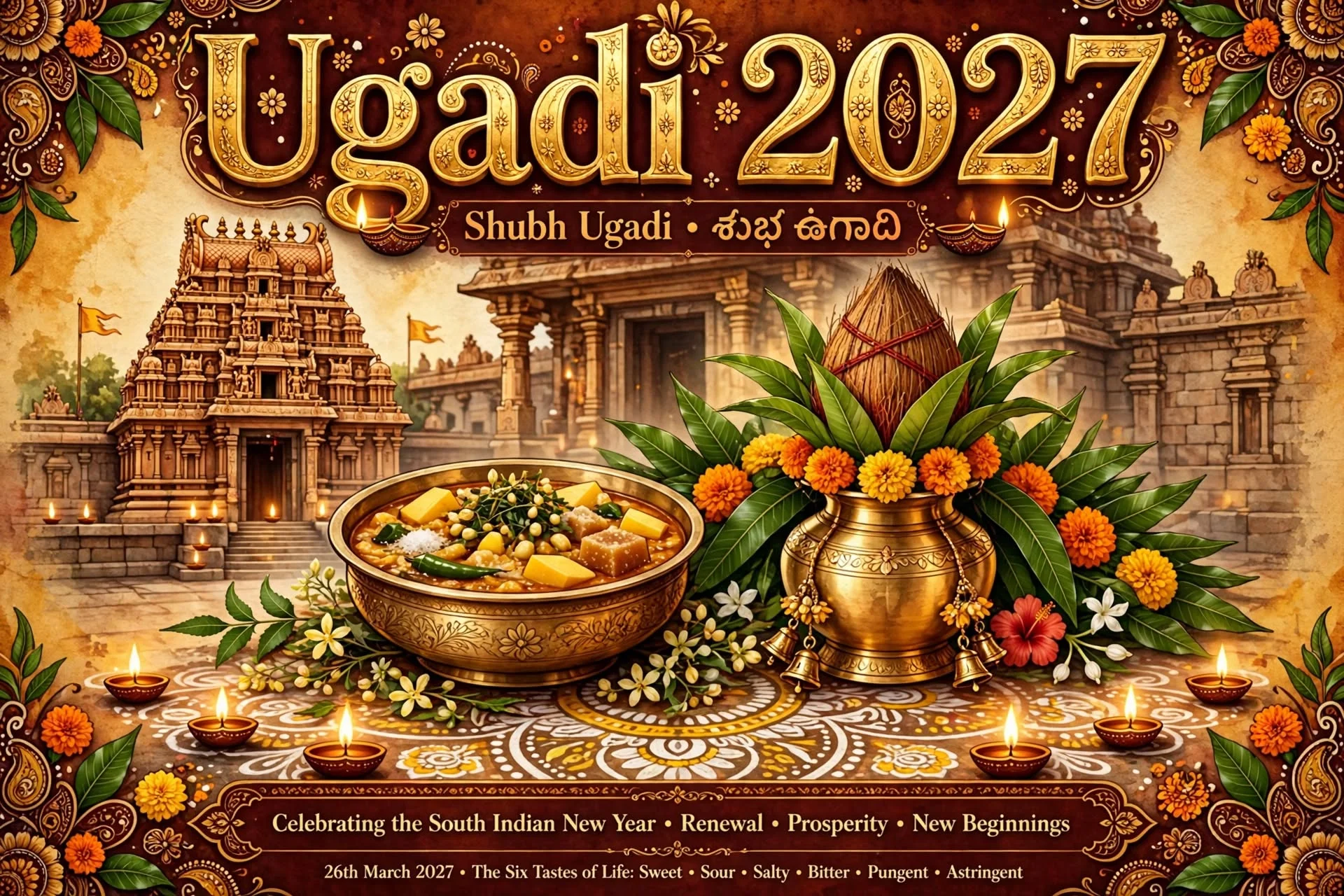
Ugadi, derived from the Sanskrit terms 'Yuga' (era) and 'Aadi' (beginning), marks the glorious commencement of the New Year for the people of Andhra Pradesh, Telangana, and Karnataka. Celebrated on the first day of the waxing moon (Shukla Paksha Pratipada) in the sacred month of Chaitra, it heralds the advent of the new astronomical cycle, the arrival of the rejuvenating spring season (Vasanta Ritu), and the eternal rhythm of cosmic creation inaugurated by Lord Brahma.
View Festival Guide
Wednesday, Apr 7, 2027
Nutan Varsh Prarambha
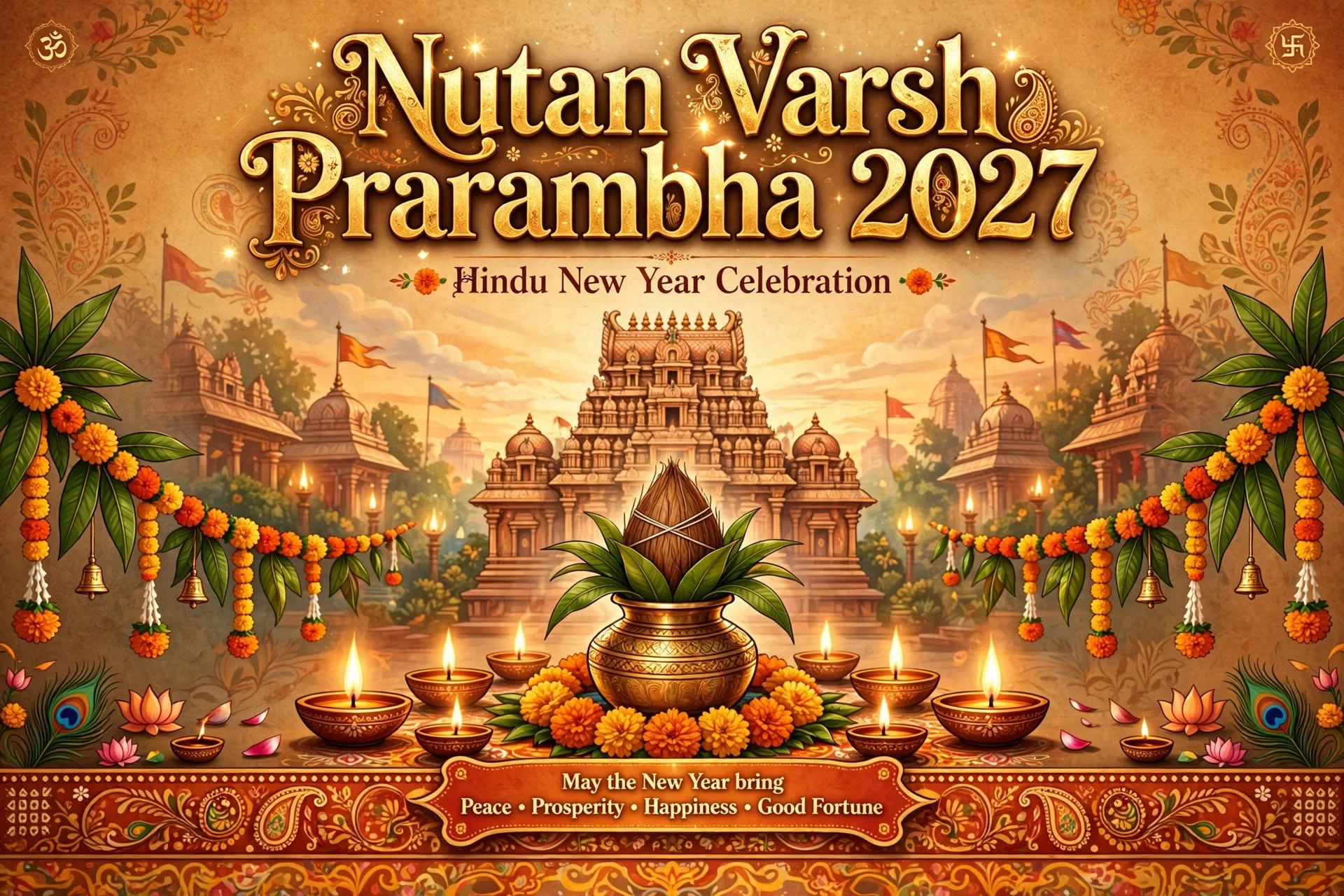
Nutan Varsh Prarambha marks the glorious beginning of the Hindu New Year on the first day of the waxing moon (Shukla Paksha Pratipada) in the month of Chaitra. Celebrated across India under diverse regional names such as Ugadi, Gudi Padwa, and Cheti Chand, this sacred dawn signifies not merely a calendar shift, but the cosmic anniversary of creation itself. According to Vedic tradition, it was on this radiant morning that Lord Brahma initiated the cosmic cycle of time, creation, and mortal existence.
View Festival Guide

Thursday, Apr 8, 2027
Chandra Darshana
Chandra Darshana is a revered monthly Hindu observance dedicated to sighting, venerating, and offering oblation to the delicate waxing crescent Moon immediately following the new moon (Amavasya), typically occurring during the twilight of Shukla Paksha Pratipada or Dwitiya.
View Festival Guide
Friday, Apr 9, 2027
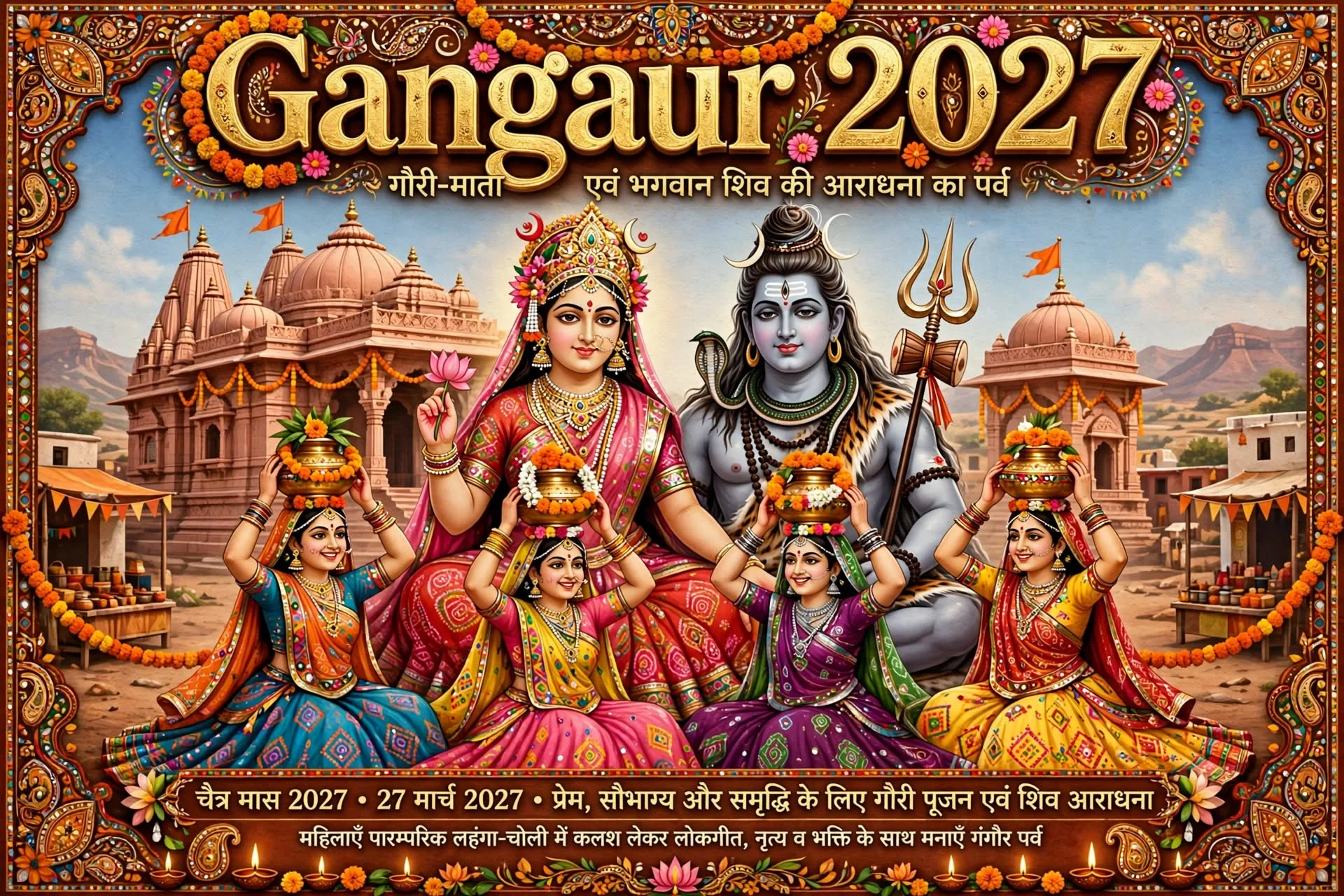
Gangaur (Gauri Tritiya)
Gangaur is one of the most vibrant, emotionally poignant, and culturally majestic festivals of Rajasthan, celebrated also with great enthusiasm in parts of Gujarat, Madhya Pradesh (Malwa), and Haryana. The word 'Gangaur' is a compound of 'Gana' (a title of Lord Shiva) and 'Gaur' (Goddess Gauri or Parvati). Commencing immediately following Holika Dahan on the first day of Chaitra Krishna Paksha, this elaborate celebration spans eighteen days, reaching its glorious zenith on the third day of Chaitra Shukla Paksha (Tritiya).
View Festival Guide
Friday, Apr 9, 2027
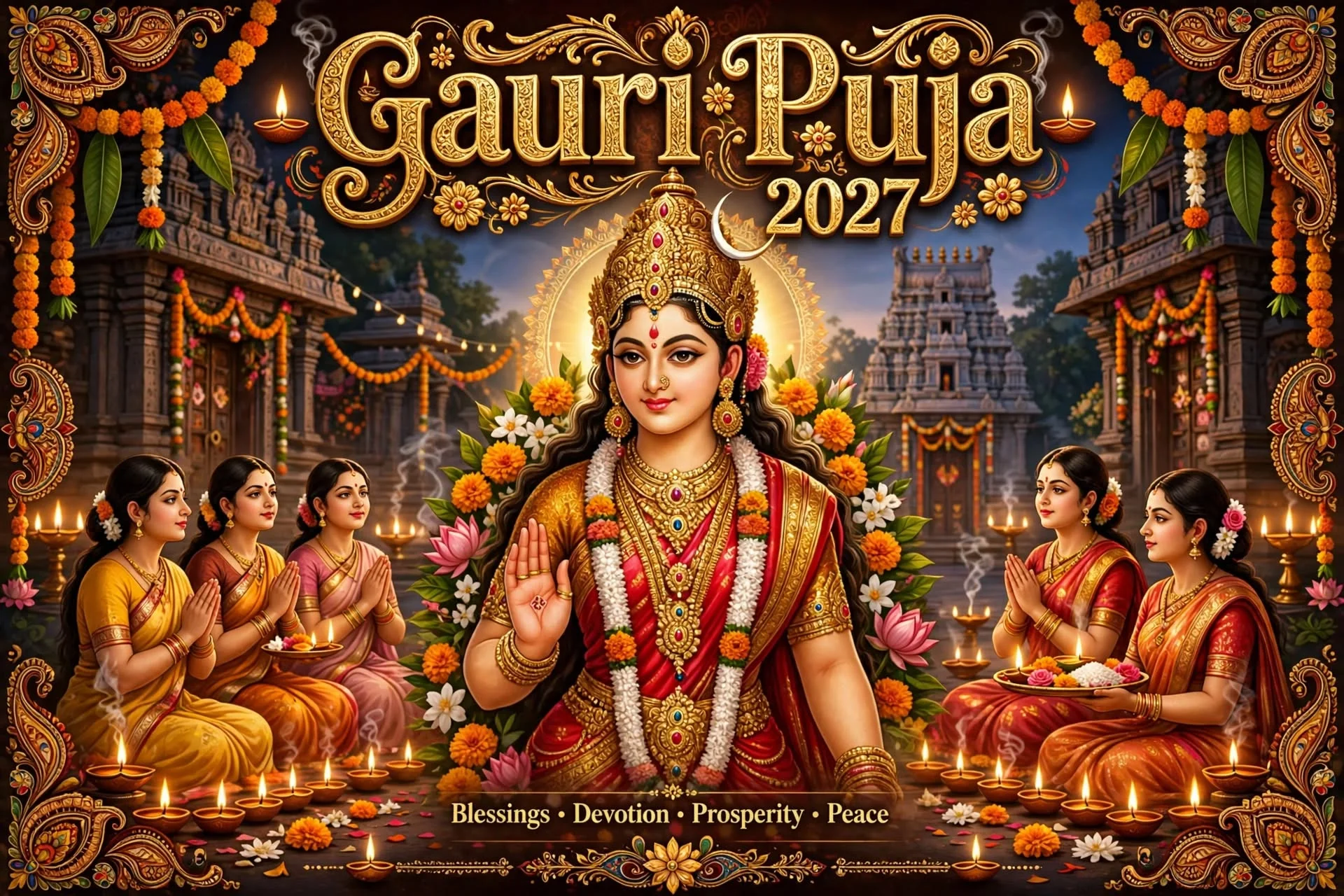
Gauri Puja
Gauri Puja, celebrated with profound devotion on the third day of the waxing moon (Shukla Paksha Tritiya) in the sacred month of Chaitra, is a revered festival dedicated to Goddess Gauri, the compassionate and radiant consort of Lord Shiva. Also celebrated as Sowbhagya Tritiya or Gauri Tritiya during the vibrant spring season of Chaitra Navratri, this sacred day invokes the maternal benevolence of the Divine Mother to bestow marital longevity, domestic harmony, and boundless prosperity.
View Festival Guide
Friday, Apr 9, 2027
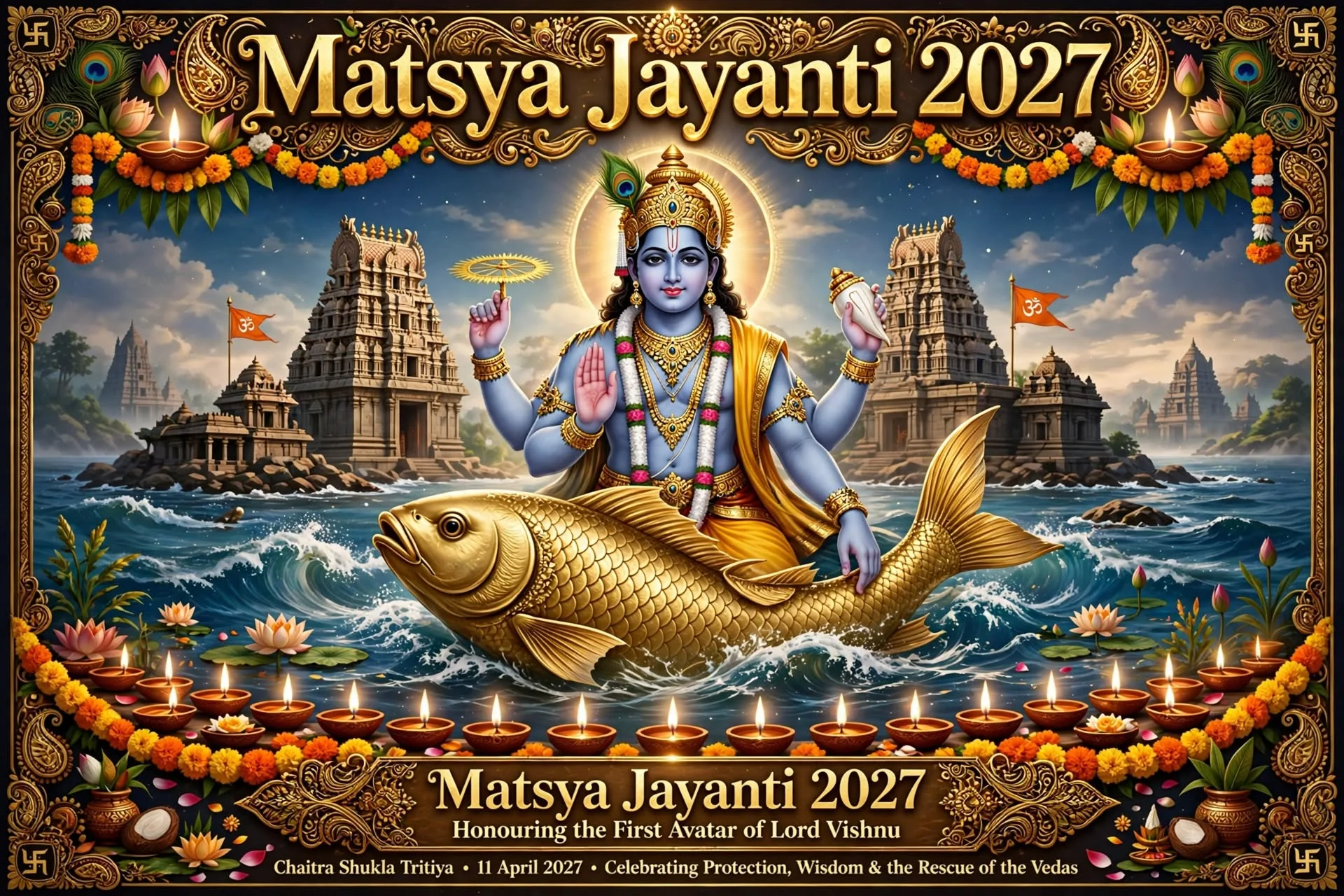
Matsya Jayanti
Matsya Jayanti commemorates the auspicious appearance day of Lord Vishnu in his foundational first incarnation—the Matsya Avatar (the divine horned fish). Celebrated on the third lunar day of the bright fortnight (Shukla Paksha Tritiya) in the sacred month of Chaitra, this holy observance honors the cosmic savior who rescued the sacred Vedas, safeguarded the progenitors of humanity, and preserved the seeds of all living organisms during the catastrophic cosmic deluge (Pralaya).
View Festival Guide