




Nutan Varsh Prarambha marks the glorious beginning of the Hindu New Year on the first day of the waxing moon (Shukla Paksha Pratipada) in the month of Chaitra. Celebrated across India under diverse regional names such as Ugadi, Gudi Padwa, and Cheti Chand, this sacred dawn signifies not merely a calendar shift, but the cosmic anniversary of creation itself. According to Vedic tradition, it was on this radiant morning that Lord Brahma initiated the cosmic cycle of time, creation, and mortal existence.
Nutan Varsh Prarambha 2027: Date, Puja Timings, Rituals & Stories
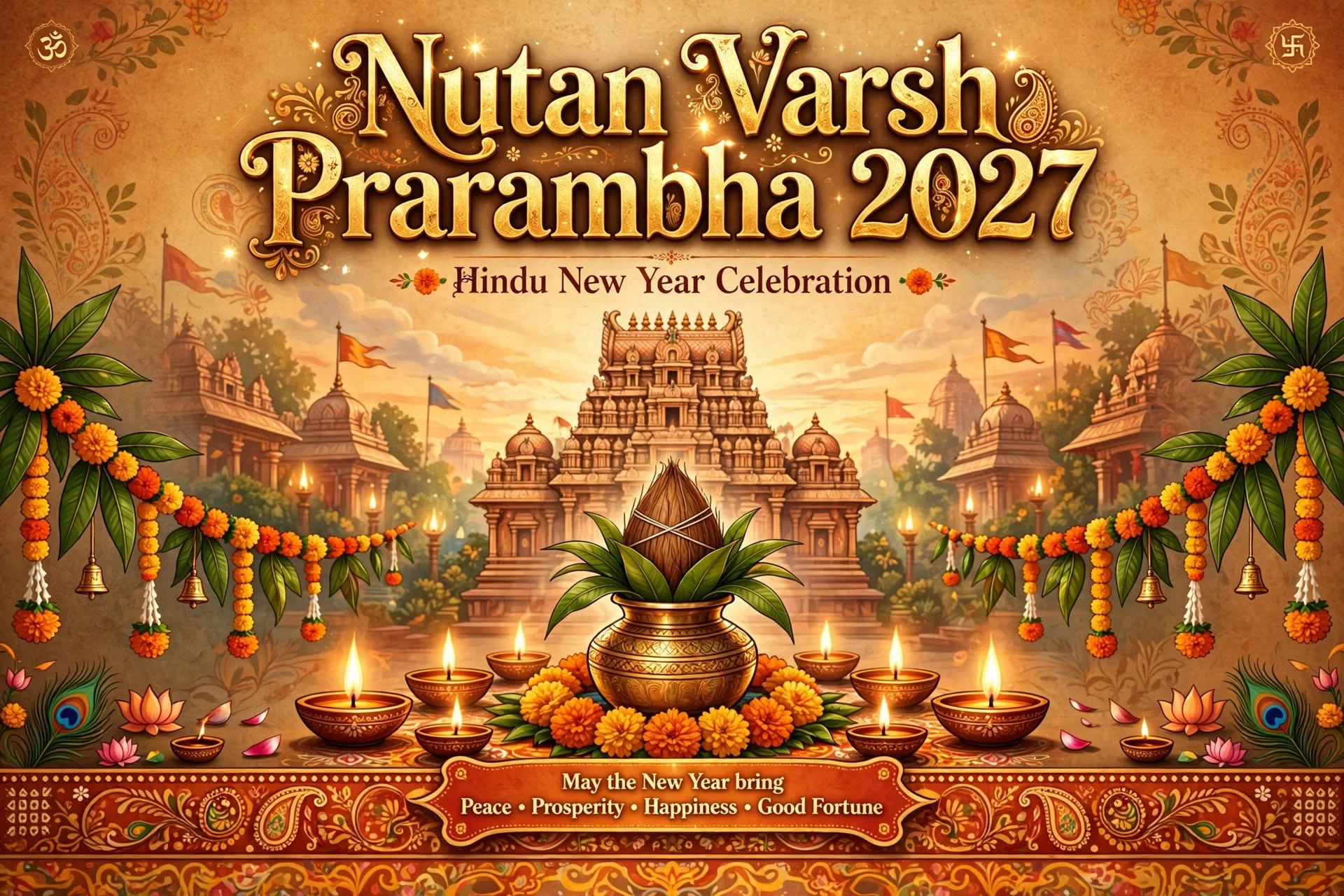
Nutan Varsh Prarambha Timings & Panchang
Important festival dates and auspicious timings
Usha Arghya (Sunrise)
06:05 am
Sandhya Arghya (Sunset)
06:42 pm
Start Date
Wednesday, 7 Apr 2027
Puja Muhurat
05:21 am – 04:28 am
Nutan Varsh Prarambha
The historical and astronomical foundations of Nutan Varsh Prarambha are deeply intertwined with Indian heritage. It marks the commencement of the celebrated Vikram Samvat, established by the legendary Emperor Vikramaditya of Ujjain in 57 BCE to commemorate righteousness, valor, and the flourishing of classical arts and sciences. On this day, astrologers and scholars gather in public assemblies for Panchanga Shravana, reading the planetary configurations, rainfall predictions, and societal forecasts for the incoming Samvatsara.
Spiritually, the day heralds the arrival of the rejuvenating spring season (Vasanta Ritu) and inaugurates the auspicious nine-day festival of Chaitra Navratri. Families welcome the new year by raising festive flags (Gudi or Dhwaja) outside their doorways, decorating courtyards with colorful rangoli patterns, and partaking in sacred herbal preparations made of bitter neem and sweet jaggery, symbolizing wisdom, equanimity, and the harmonious acceptance of life's diverse experiences.
Why is Nutan Varsh Prarambha Celebrated?
Nutan Varsh Prarambha is celebrated to commemorate the inception of cosmic time by Lord Brahma, celebrate the victory of dharma over adharma, and welcome the rejuvenating cycle of nature in spring. Families gather in festive joy to align their personal lives with the cosmic rhythms of the new Samvatsara, seeking divine blessings for wisdom, health, and bountiful harvests.
- Cosmic Creation Day: Honors the dawn when Lord Brahma commenced the creation of the universe and set the planets in motion.
- Establishment of Vikram Samvat: Marks the legendary calendar era founded by King Vikramaditya in 57 BCE celebrating justice and victory.
- Commencement of Chaitra Navratri: Inaugurates the sacred nine-day worship of Goddess Durga in her nine divine forms.
- Embracing Life's Equanimity: Partaking in the neem-jaggery prasad instills emotional balance and resilience to face life's sorrows and joys.
Cosmic Genesis & The Founding of Vikram Samvat
Lord Brahma and the Creation of the Universe
The sacred Brahma Purana records that at the very sunrise of Chaitra Shukla Pratipada, Lord Brahma began the manifestation of the cosmos. Having been commissioned by the Supreme Being, Brahma created the celestial spheres, the solar system, time divisions (Kala), seasons (Ritus), and all living species.
Because this day marks the birthday of cosmic time itself, Vedic rishis designated it as the first day of the year, instructing mankind to celebrate the dawn with thanksgiving, oil baths, prayer flags, and charity.
The Valor of King Vikramaditya and the Royal Era
In historical times, the legendary ruler of Ujjain, Emperor Vikramaditya, liberated the Indian subcontinent from the oppressive reign of the Saka invaders. To mark this triumph of righteousness, scholarship, and benevolent governance, he instituted the Vikram Samvat in 57 BCE.
Ever since, communities across northern, western, and central India calculate their religious calendars, agricultural seasons, and civic festivals from this victorious Pratipada.
Source: Brahma Purana & Bhavishya Purana
Spiritual Metaphor of Renewal and Seasonal Harmony
The Awakening of Vasanta Ritu and Biological Renewal
Chaitra marks the transition from cold winter into blossoming spring (Vasanta). Trees sprout fresh tender leaves, flowers bloom, and mango trees fragrance the air. In Ayurveda, this seasonal shift necessitates internal detoxification and lifestyle balance.
The tradition of consuming fresh neem leaves combined with jaggery on this day purifies the bloodstream, strengthens immunity against summer ailments, and balances bodily doshas, aligning spiritual observance with physiological well-being.
Panchanga Shravana and Cosmic Awareness
Listening to the Panchanga (almanac) reading on the new year's morning connects the individual to the five cosmic limbs of time: Tithi (lunar day), Vara (day of week), Nakshatra (asterism), Yoga (soli-lunar combination), and Karana (half-lunar day).
Understanding the planetary ruler and minister of the year instills humility, mindfulness, and preparedness for natural cycles, guiding righteous societal conduct.
Festive Traditions & Ritual Practice for Nutan Varsh
Mangala Snan, Toran, and Dhwaja Arohana
The celebration begins before sunrise with Abhyanga snana (oil massage followed by a fragrant warm bath). Homes are cleansed and main entrances adorned with green mango leaves and bright marigold torans.
A victory flag (Dhwaja or Gudi) made of bright silk cloth, fresh neem sprigs, flower garlands, and an upturned copper or silver vessel is hoisted prominently at the doorway to welcome prosperity and dispel negative vibrations.
Neem-Jaggery Prasad and Panchanga Assembly
Before taking any cooked meal, family members partake in the sacred mixture of bitter neem flowers/leaves and sweet jaggery, praying for equanimity and good health.
In the afternoon or evening, families gather at local temples or community halls to listen to learned astrologers read the Panchanga predictions, concluding with festive feasts of Puran Poli, Shrikhand, or Sweet Pongal.
Nutan Varsh Prarambha Puja Vidhi (Step by Step)
- 1
Mangala Snan & Taila Abhyanga
Wake before sunrise, massage the body with fragrant sesame or mustard oil (Abhyanga), and take a purifying ceremonial bath infused with neem leaves and Gangajal.
- 2
Toran & Rangoli Sthapana
Adorn the main house entrance with fresh green mango leaves and marigold torans, and draw vibrant traditional rangoli motifs in the courtyard.
- 3
Sankalpa for New Samvatsara
Hold water, unbroken akshata, and flowers in hand, facing east, and recite the traditional Sankalpa welcoming the new Samvatsara for health, wisdom, and peace.
- 4
Lord Brahma & Surya Puja
Invoke Lord Brahma, the creator of the universe, offering white flowers, chandan, and sweet offerings, followed by Arghya to Lord Surya.
- 5
Dhwaja / Gudi Arohana
Erect a victory flag (Dhwaja) or Gudi draped in silk cloth with neem sprigs, mango leaves, sugar garland, and an upturned silver or copper pot at the entrance.
Nutan Varsh Prarambha Puja Samagri List
Sanctum Decoration & Dhwaja Materials
Decorative and symbolic items needed to hoist the auspicious new year flag and adorn the home.
- Fresh mango leaves (Amra Patra) and marigold flower garlands
- Bamboo pole, bright silk cloth, neem sprigs, and sugar crystal garland (Gathi)
- Upturned copper or silver pot (Kalash/Lota) for the Dhwaja
- Colored rangoli powders and turmeric-kumkum for doorway decorations
Altar & Worship Offerings
Essential materials for honoring Lord Brahma, Lord Surya, and Goddess Durga.
- Brass or copper Kalash, coconut, betel nuts, and Gangajal
- Sandalwood paste (Chandan), Kumkum, Haldi, and unbroken rice (Akshata)
- Pure cow-ghee lamps, cotton wicks, and aromatic camphor
- Fresh red and yellow flowers, dhoop sticks, and new Hindu Panchanga
Sacred Prasad & Festive Feast Ingredients
Ingredients for the six-taste herbal prasad and celebratory delicacies.
- Fresh tender neem leaves/flowers, organic jaggery, raw mango pieces, and black pepper
- Ingredients for Puran Poli (chana dal, jaggery, wheat flour, cardamom, ghee)
Mantras and Prayers for Nutan Varsh Prarambha
Nutan Varsh Prarambha Vrat Rules and Fasting Guidelines
Observance Guidelines for Hindu New Year
Starting the new year with noble conduct, harmony, and gratitude sets the auspicious tone for the entire year.
- Early Awakening: Rise during Brahma Muhurta, cleanse the house thoroughly, and hoist the auspicious victory flag.
- Neem-Jaggery Consumption: Partake in the mixture of bitter neem and sweet jaggery before consuming any other food.
- Panchanga Listening: Attend or read the Panchanga Shravana to become mindful of the cosmic alignments of the new year.
- Benevolent Speech: Practice gentleness, generosity, forgiveness, and avoid anger, complaints, or negative speech.
Dos and Don'ts of Nutan Varsh Prarambha
Good Practices (Do's)
- Wake early, apply oil bath, and clean the household thoroughly.
- Decorate the entrance with mango leaves, marigold flowers, and vibrant rangoli.
- Consume the bitter-sweet neem and jaggery mixture as sacred prasad.
- Listen to the Panchanga Shravana and seek blessings from parents and elders.
Things to Avoid (Don'ts)
Nutan Varsh Prarambha Across Regions
| Region | Local Name |
|---|---|
| Maharashtra & Goa | Gudi Padwa |
| Andhra Pradesh, Telangana & Karnataka | Ugadi |
| Sindhi Community | Cheti Chand |
Nutan Varsh Prarambha FAQs
What is Nutan Varsh Prarambha?
It is the start of the Hindu New Year according to the lunar calendar, celebrated on Chaitra Shukla Pratipada, marking the beginning of the new Vikram Samvat.
Why is the Hindu New Year celebrated on Chaitra Shukla Pratipada?
According to the Brahma Purana, Lord Brahma began the creation of the cosmos, planets, and living beings at sunrise on this very sacred day.
What is the symbolic meaning of eating neem and jaggery on this day?
The bitter neem and sweet jaggery symbolize life's dualities (sorrows and joys), reminding individuals to accept both experiences with equanimity and gratitude.
Upcoming Festivals
View All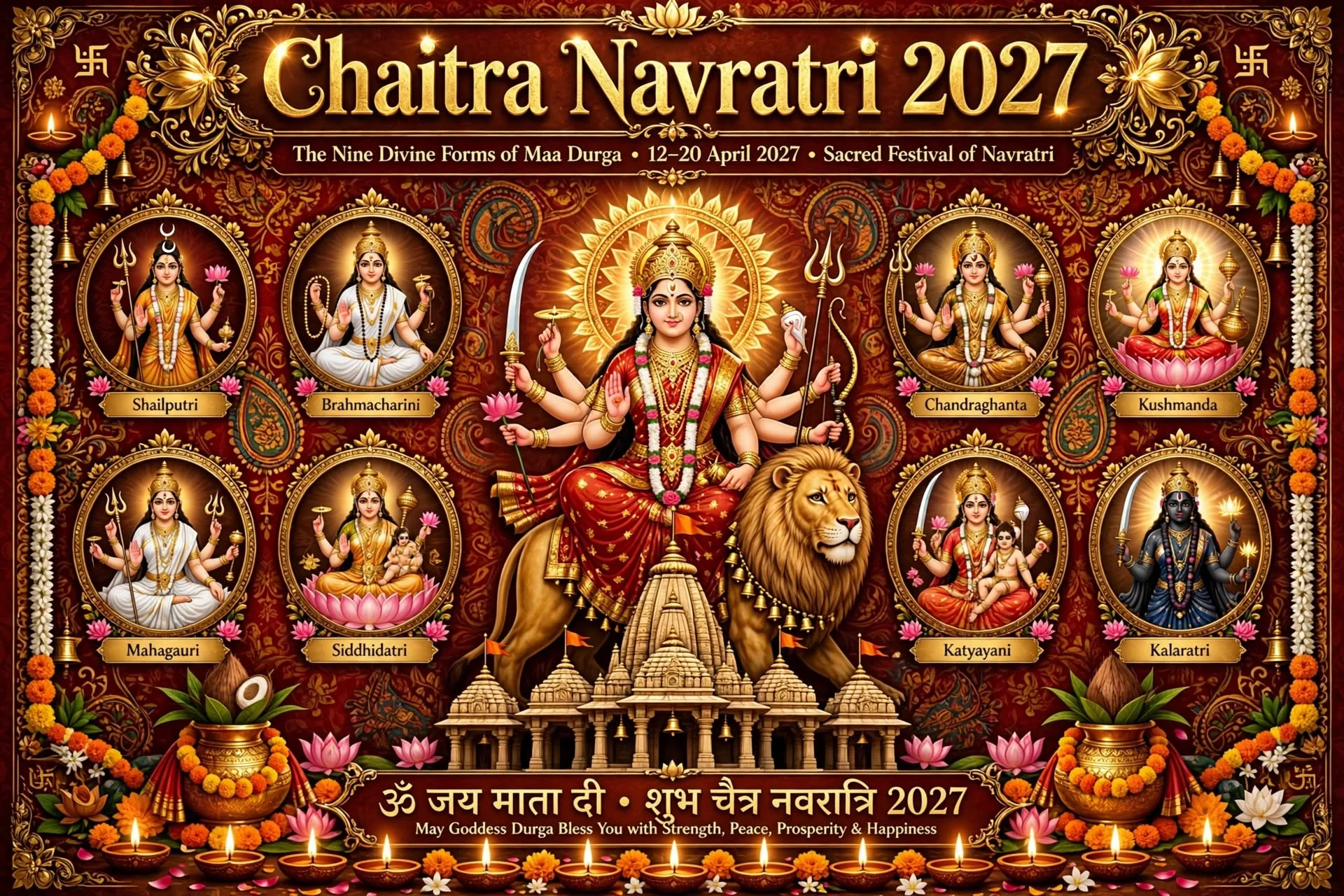
Wednesday, Apr 7, 2027
Chaitra Navratri
Chaitra Navratri, also reverently known as Vasanta Navratri, is a sacred nine-night festival dedicated to the worship of Goddess Durga and her nine supreme manifestations (Navadurga). Commencing on the first day of the bright fortnight (Shukla Paksha Pratipada) in the month of Chaitra, it coincides with the advent of the Hindu New Year and culminates on Rama Navami, the appearance day of Lord Rama. Celebrated during the vibrant transition into spring, it signifies spiritual rejuvenation, maternal cosmic protection, and the triumph of divine righteousness.
View Festival Guide

Wednesday, Apr 7, 2027
Ishti
Ishti is a foundational Vedic ritual observance appearing prominently in Hindu Panchangs on the Pratipada tithi (the first lunar day) following either Amavasya (new moon) or Purnima (full moon), marking the prescribed performance day for the fortnightly Vedic Darsha-Purnamasa sacrifices.
View Festival Guide
Wednesday, Apr 7, 2027
Gudi Padwa
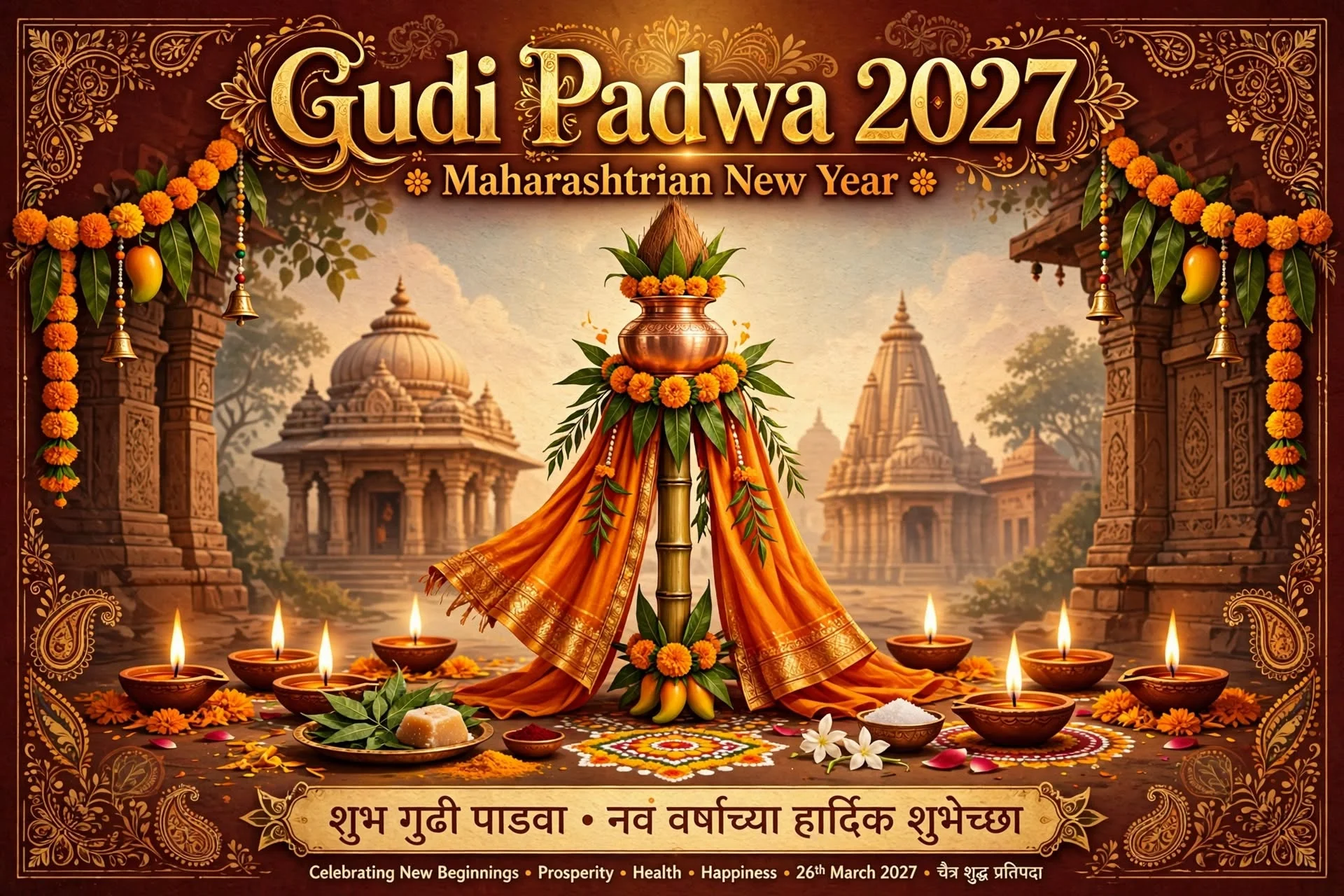
Gudi Padwa marks the grand celebration of the Marathi and Konkani New Year, observed on the first day of the bright fortnight (Shukla Paksha Pratipada) in the sacred month of Chaitra. Celebrated with tremendous cultural pride and spiritual fervor across Maharashtra, Goa, and adjoining regions, this vibrant festival heralds the arrival of spring (Vasanta Ritu) and commemorates the cosmic dawn of creation initiated by Lord Brahma.
View Festival Guide
Wednesday, Apr 7, 2027
Ugadi
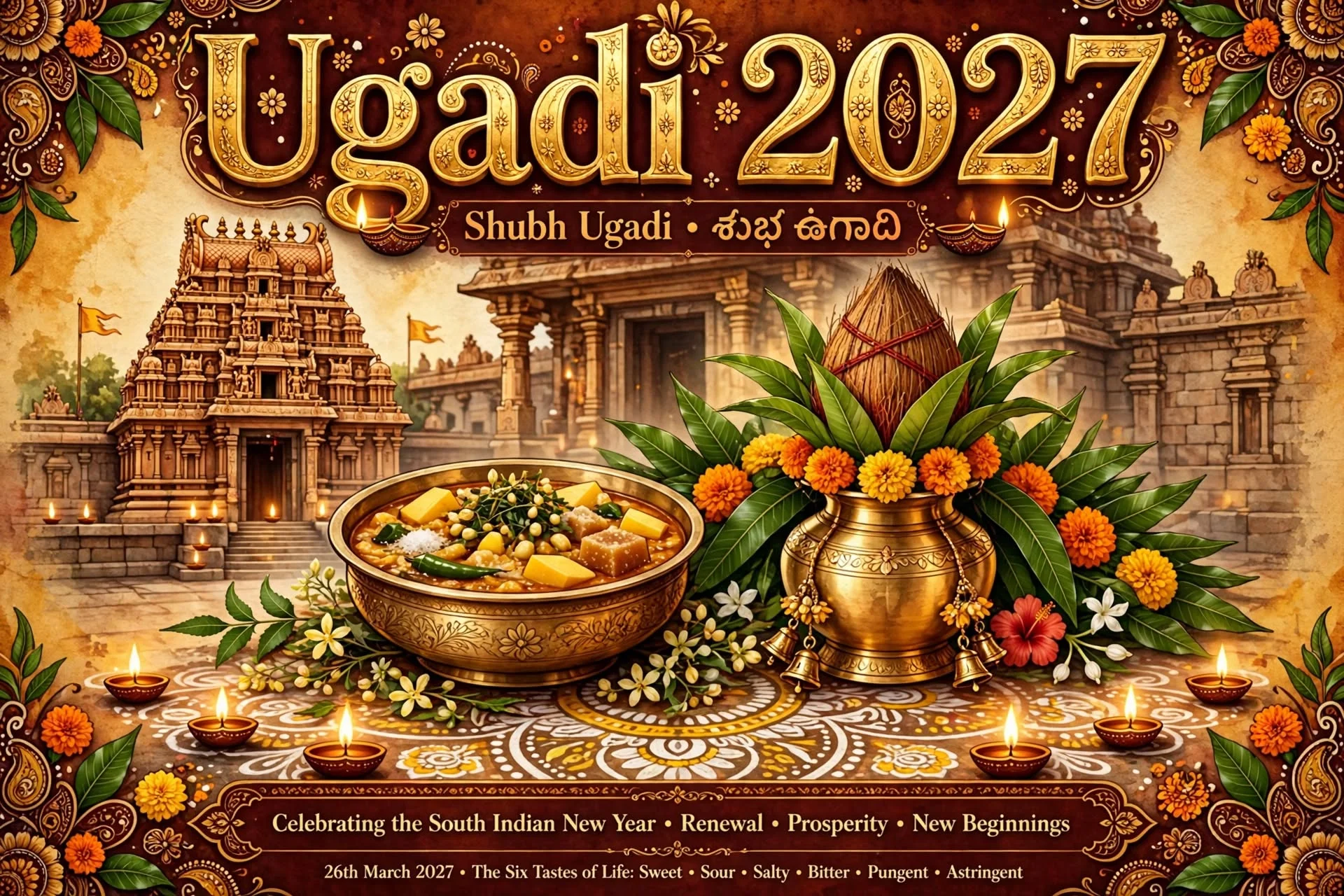
Ugadi, derived from the Sanskrit terms 'Yuga' (era) and 'Aadi' (beginning), marks the glorious commencement of the New Year for the people of Andhra Pradesh, Telangana, and Karnataka. Celebrated on the first day of the waxing moon (Shukla Paksha Pratipada) in the sacred month of Chaitra, it heralds the advent of the new astronomical cycle, the arrival of the rejuvenating spring season (Vasanta Ritu), and the eternal rhythm of cosmic creation inaugurated by Lord Brahma.
View Festival Guide
Thursday, Apr 8, 2027
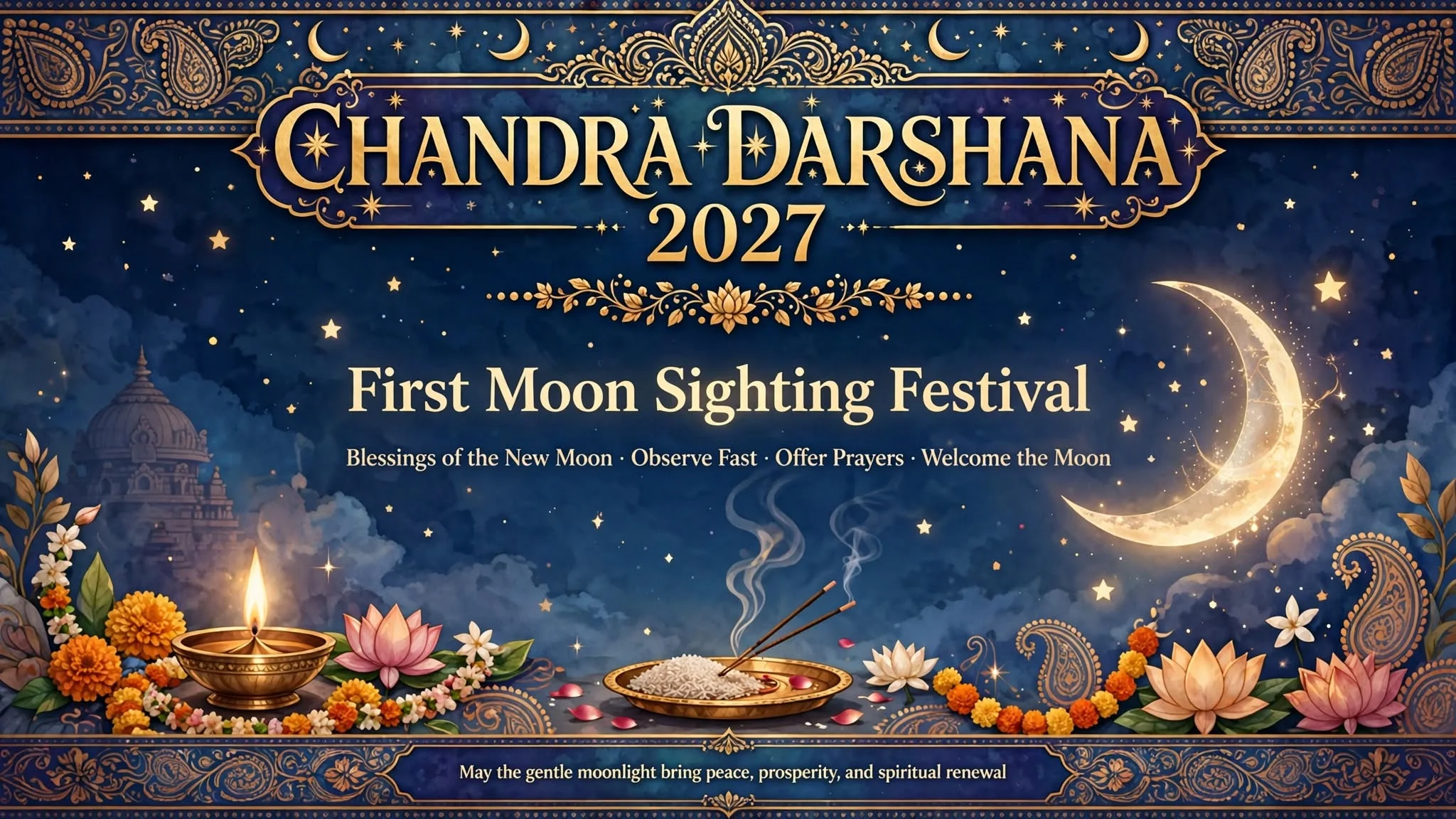
Chandra Darshana
Chandra Darshana is a revered monthly Hindu observance dedicated to sighting, venerating, and offering oblation to the delicate waxing crescent Moon immediately following the new moon (Amavasya), typically occurring during the twilight of Shukla Paksha Pratipada or Dwitiya.
View Festival Guide
Friday, Apr 9, 2027
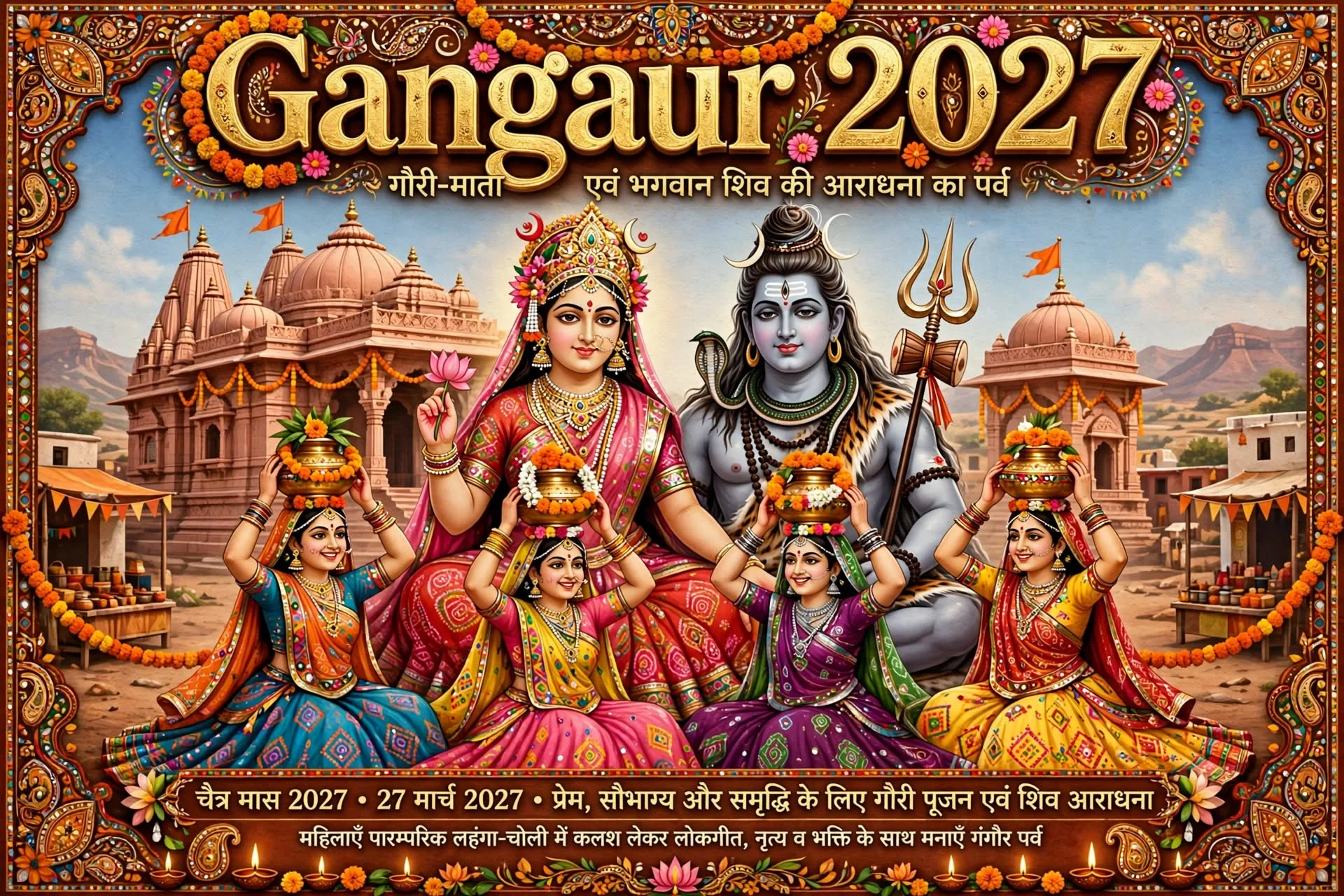
Gangaur (Gauri Tritiya)
Gangaur is one of the most vibrant, emotionally poignant, and culturally majestic festivals of Rajasthan, celebrated also with great enthusiasm in parts of Gujarat, Madhya Pradesh (Malwa), and Haryana. The word 'Gangaur' is a compound of 'Gana' (a title of Lord Shiva) and 'Gaur' (Goddess Gauri or Parvati). Commencing immediately following Holika Dahan on the first day of Chaitra Krishna Paksha, this elaborate celebration spans eighteen days, reaching its glorious zenith on the third day of Chaitra Shukla Paksha (Tritiya).
View Festival Guide
Friday, Apr 9, 2027
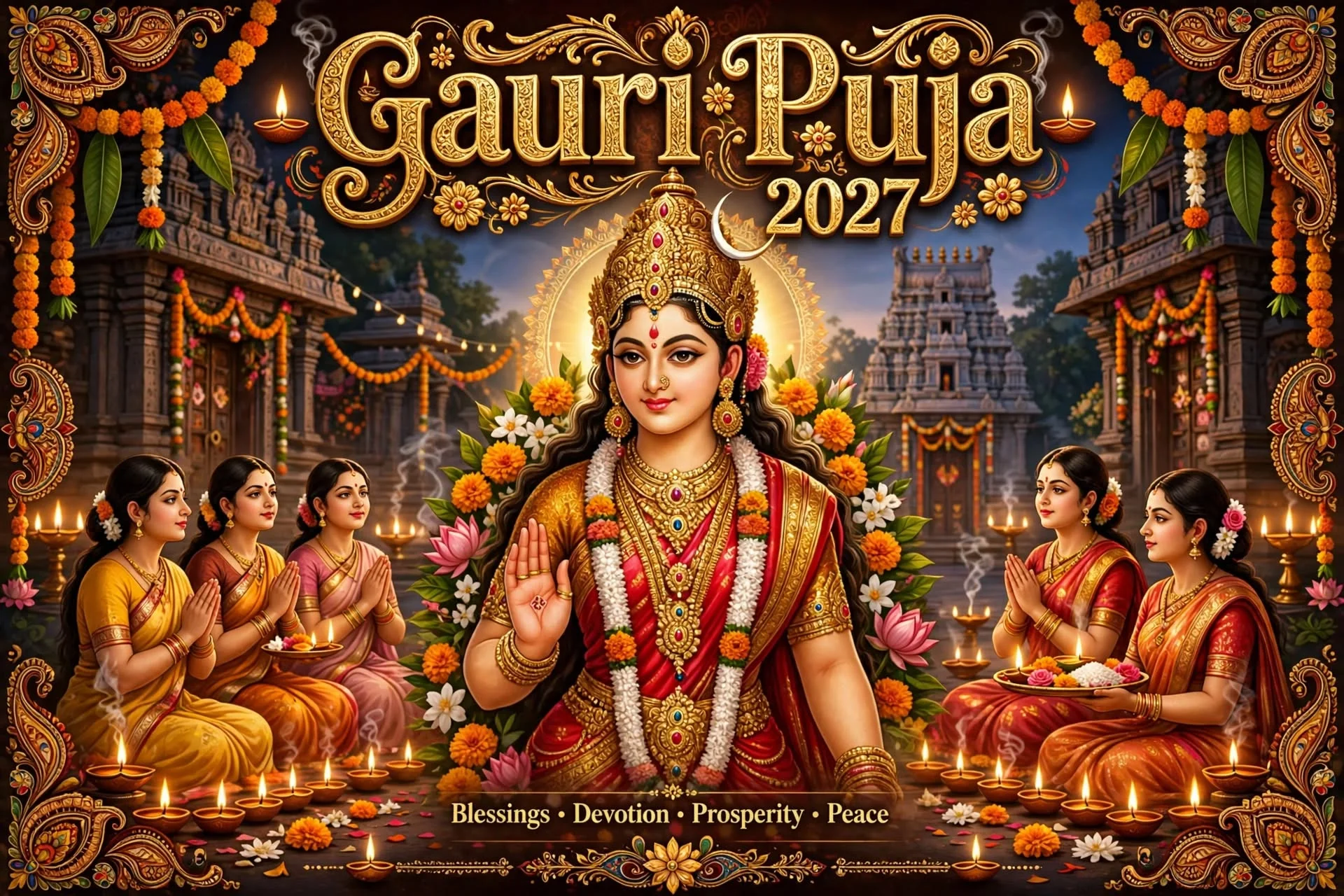
Gauri Puja
Gauri Puja, celebrated with profound devotion on the third day of the waxing moon (Shukla Paksha Tritiya) in the sacred month of Chaitra, is a revered festival dedicated to Goddess Gauri, the compassionate and radiant consort of Lord Shiva. Also celebrated as Sowbhagya Tritiya or Gauri Tritiya during the vibrant spring season of Chaitra Navratri, this sacred day invokes the maternal benevolence of the Divine Mother to bestow marital longevity, domestic harmony, and boundless prosperity.
View Festival Guide
Friday, Apr 9, 2027
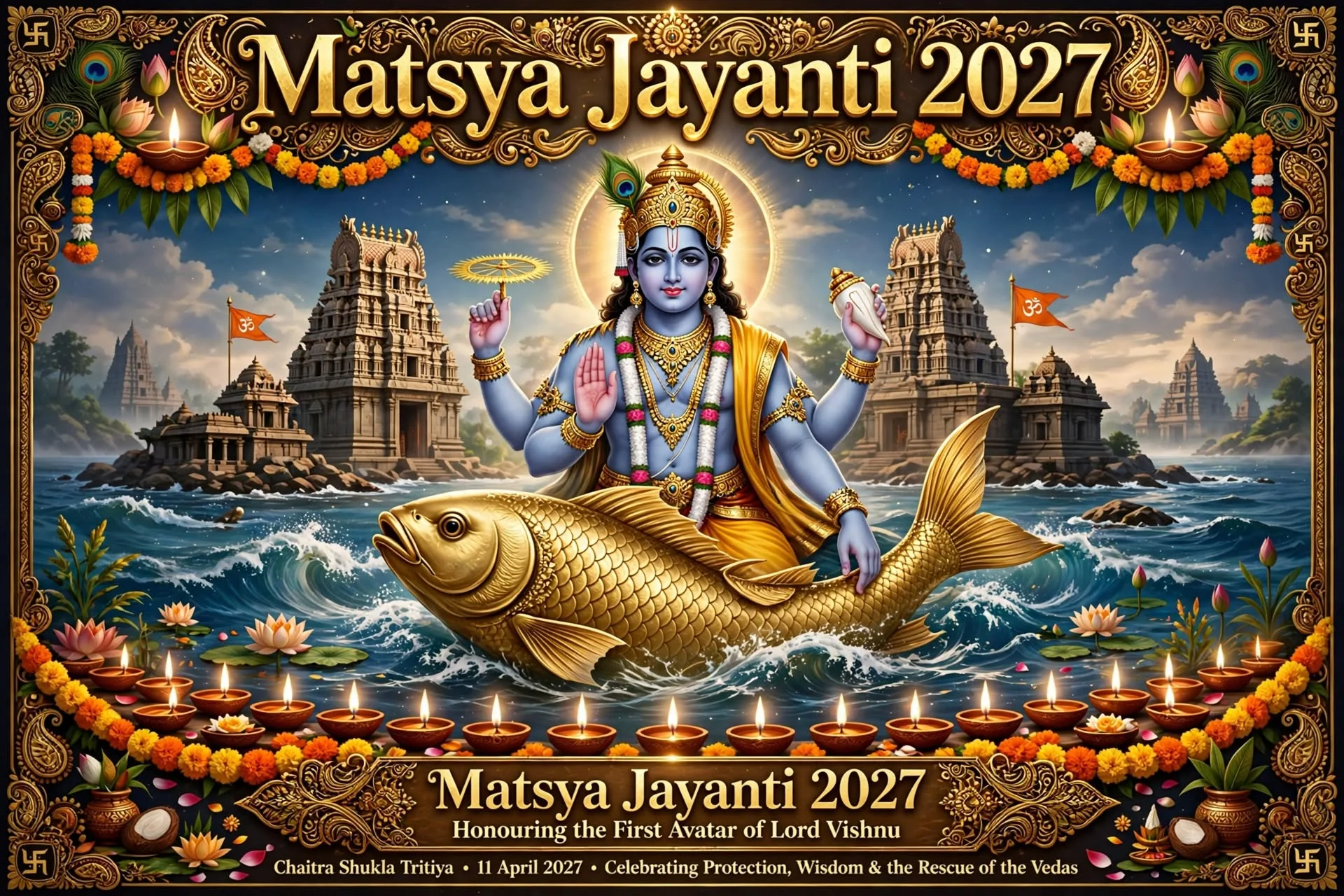
Matsya Jayanti
Matsya Jayanti commemorates the auspicious appearance day of Lord Vishnu in his foundational first incarnation—the Matsya Avatar (the divine horned fish). Celebrated on the third lunar day of the bright fortnight (Shukla Paksha Tritiya) in the sacred month of Chaitra, this holy observance honors the cosmic savior who rescued the sacred Vedas, safeguarded the progenitors of humanity, and preserved the seeds of all living organisms during the catastrophic cosmic deluge (Pralaya).
View Festival Guide