




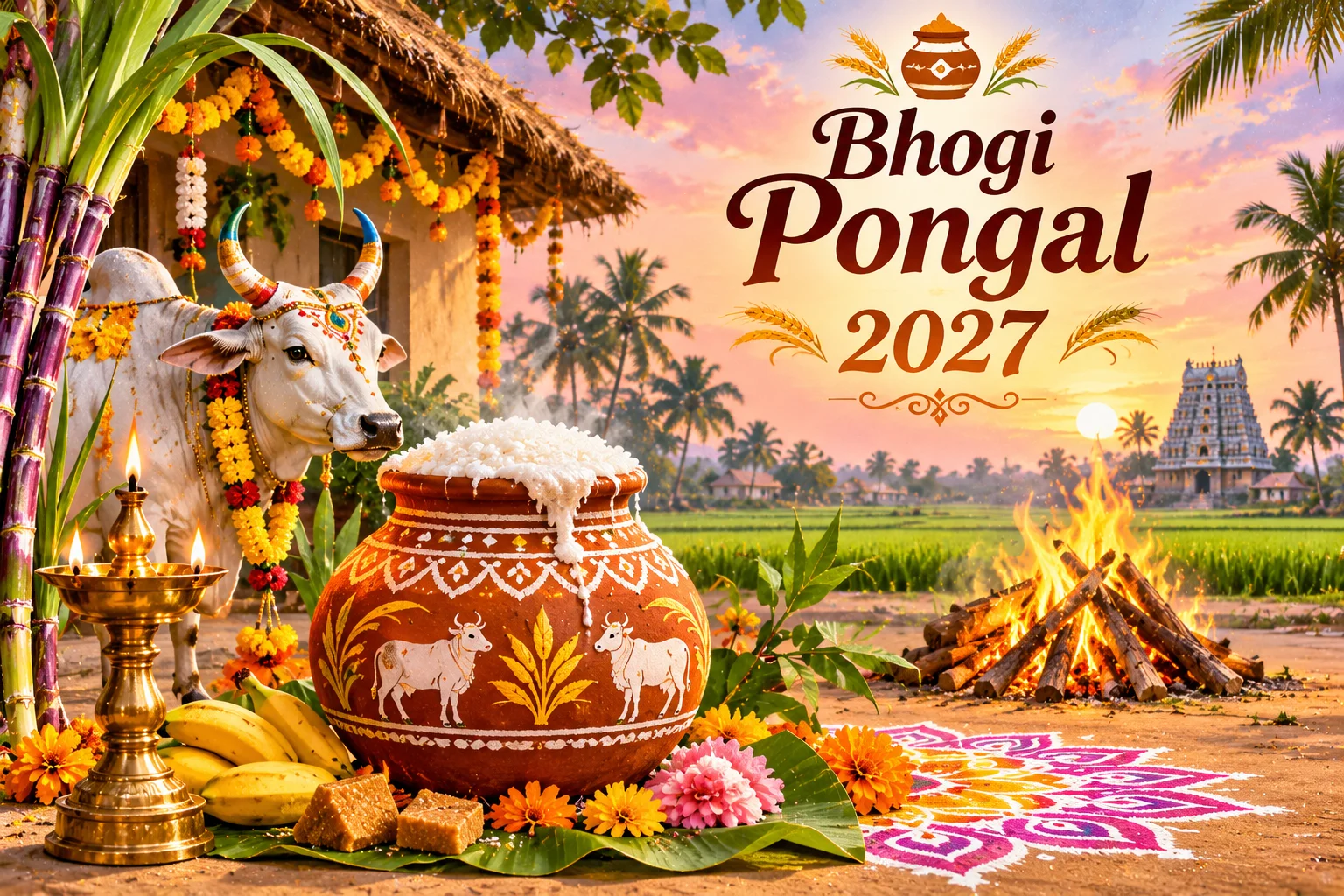
Bhogi Pongal, also known as Bhogi Pandigai or Bhogi, is the first day of the traditional four-day Pongal harvest festival celebrated mainly in Tamil Nadu and by Tamil communities across the world. It marks the final day of the Tamil month of Margazhi and welcomes the beginning of the auspicious month of Thai. The festival represents renewal, gratitude, prosperity and the transition from the old to the new.
Bhogi Pongal 2027: Date, Puja Timings, Rituals & Stories
Bhogi Pongal Timings & Panchang
Important festival dates and auspicious timings
Usha Arghya (Sunrise)
07:15 am
Sandhya Arghya (Sunset)
05:45 pm
Start Date
Thursday, 14 Jan 2027
Puja Muhurat
01:02 pm – 01:58 pm
Bhogi Pongal
Bhogi is traditionally associated with Lord Indra, the deity of rain, clouds and thunderstorms. Agricultural communities offer prayers in gratitude for rainfall and the natural resources that support farming. Rain is essential for cultivation, and the observance recognises the important role of nature in sustaining life and providing a successful harvest.
One of the most recognised customs of Bhogi is Bhogi Mantalu, the traditional bonfire lit in the early morning. The fire symbolises the removal of old habits, negativity and unwanted things, making space for new beginnings. Families traditionally clean their homes, remove unused belongings, decorate their entrances with Kolam and prepare for the main Pongal celebration.
The Tamil expression 'Pazhayana Kazhithalum Puthiyana Puguthalum' expresses the central idea of Bhogi: letting go of the old and welcoming the new. This principle is reflected in household cleaning, traditional decorations, prayers and community celebrations.
Bhogi is also celebrated in Andhra Pradesh and Telangana as an important part of the Sankranti festival. Regional customs include Bhogi Mantalu, Bhogi Pallu for children, traditional food preparations, decorated homes and community gatherings. Although the celebrations differ across regions, the common theme is renewal, gratitude and the beginning of a prosperous agricultural season.
Bhogi encourages people to appreciate farmers, rainfall, nature and the resources that sustain everyday life. It is a reminder to remove negative habits, maintain cleanliness, respect the environment and welcome new opportunities with optimism and gratitude.
Why is Bhogi Pongal Celebrated?
Bhogi Pongal is celebrated to mark the transition from the Tamil month of Margazhi to Thai and to welcome the beginning of the harvest festival. It is traditionally associated with Lord Indra, the deity of rain and clouds. Agricultural communities express gratitude for rainfall and pray for favourable natural conditions that support cultivation and prosperity.
The festival also represents renewal and the removal of unwanted things. Cleaning homes, clearing unused belongings and lighting the traditional Bhogi bonfire symbolise leaving behind the past and preparing for a fresh beginning. Devotees and families use the occasion to welcome happiness, good fortune and positive changes into their lives.
Bhogi is the opening day of the Pongal celebrations. It prepares households for Thai Pongal, when the Sun God is worshipped and freshly harvested rice is cooked as an offering. The following celebrations honour cattle and encourage family gatherings, reflecting the close relationship between agriculture, nature, animals and human communities.
- To welcome the beginning of the Tamil month of Thai.
- To express gratitude to Lord Indra for rainfall and agricultural prosperity.
- To celebrate the beginning of the traditional Pongal harvest festival.
- To remove unwanted belongings and welcome positive changes.
- To symbolise the destruction of negativity and harmful habits.
- To prepare homes for the upcoming harvest celebrations.
- To recognise the contribution of farmers and agricultural communities.
- To encourage gratitude towards nature and natural resources.
- To promote family unity, community participation and cultural traditions.
History and Traditional Background of Bhogi Pongal
Bhogi and the ancient agricultural tradition
Bhogi is rooted in the agricultural and seasonal traditions of South India. Farming communities have long depended on rainfall, fertile soil, sunlight and healthy livestock for cultivation. The harvest season therefore became an important occasion for expressing gratitude to the natural forces that support agricultural life.
The observance of Bhogi reflects this relationship between people and nature. As the final day of Margazhi, it marks the transition towards Thai, a month associated with new agricultural and social beginnings. Families prepare their homes, organise household activities and welcome the upcoming harvest celebrations.
The festival also reflects the importance of community participation in traditional farming life. Families and neighbours come together to clean homes, prepare decorations, share food and participate in seasonal celebrations.
The traditional association with Lord Indra
In Hindu tradition, Lord Indra is associated with rain, clouds, thunder and the forces that bring water to the earth. Since rainfall is essential for agriculture, farming communities traditionally honoured Indra and expressed gratitude for the rains that support their crops.
Bhogi is associated with this tradition of acknowledging the importance of rainfall. Devotees offer prayers for favourable weather, agricultural prosperity and the wellbeing of their families. This connection gives the festival a strong relationship with farming, seasonal change and the natural environment.
The worship of Indra during Bhogi is a traditional regional practice. The precise rituals and their interpretation may vary between communities and households.
The meaning of Bhogi Mantalu
Bhogi Mantalu refers to the traditional bonfire lit during the early morning of Bhogi. In many communities, people gather around the fire as a symbolic act of leaving behind unwanted things and welcoming a new beginning.
Spiritual Significance of Bhogi Pongal
Renewal and new beginnings
The central spiritual message of Bhogi is renewal. The removal of old and unwanted belongings symbolises the decision to leave behind negative habits, unnecessary attachments and thoughts that prevent personal growth.
The beginning of Thai represents a fresh chapter. Devotees use this occasion to reflect on their actions, develop positive intentions and welcome opportunities for spiritual and personal progress.
Gratitude towards nature
Bhogi reminds people of their dependence on nature. Rainfall, fertile soil, sunlight, plants and animals are essential for agricultural production and human survival.
The traditional association with Lord Indra reflects gratitude for rain and favourable natural conditions. The festival encourages people to recognise the value of natural resources and use them responsibly.
The symbolic meaning of Bhogi Mantalu
The traditional bonfire represents the removal of negativity and the beginning of a fresh phase of life. Devotees may understand the fire as a symbol of purification, transformation and the destruction of unwanted tendencies.
The spiritual meaning of the fire can also be understood internally. Anger, jealousy, pride, greed and harmful habits are negative qualities that people should strive to overcome through awareness and self-discipline.
Worship of Lord Indra
Lord Indra is traditionally associated with rainfall, clouds and agricultural prosperity. Bhogi's connection with Indra reflects the importance of rain in sustaining crops and supporting rural communities.
Prayers associated with rain and prosperity express gratitude for nature's contribution to human life. They also encourage respect for the natural cycles that make agriculture possible.
How to Celebrate Bhogi Pongal
Clean and prepare the home
Begin the preparations by cleaning the house, organising household belongings and removing unwanted items. Families traditionally prepare their homes for the Pongal celebrations by cleaning entrances, courtyards and living spaces.
Items that are still usable may be donated, while recyclable materials should be disposed of responsibly. This preparation symbolises leaving behind the old and welcoming a fresh beginning.
Decorate the entrance with Kolam
Decorate the entrance with traditional Kolam designs using rice flour or suitable natural materials. Kolam represents auspiciousness, hospitality and the welcoming of prosperity.
Families may decorate doorways with mango leaves, flowers and other traditional decorations according to their regional customs.
Perform Bhogi Mantalu
In communities where the bonfire tradition is followed, a small and controlled Bhogi fire may be lit in a safe outdoor location using clean, untreated and permitted natural materials. Families may gather around it as a symbolic expression of renewal.
Do not burn plastic, rubber, tyres, painted wood, electronic waste or household rubbish. Avoid open burning where prohibited or unsafe. The spiritual meaning of Bhogi can be maintained through symbolic rituals without producing harmful smoke.
Offer prayers to Lord Indra
Devotees may offer prayers to Lord Indra, expressing gratitude for rainfall and the natural conditions that support agriculture. A simple prayer may include flowers, water, incense and a lamp according to family tradition.
Some households also remember the Sun God and other natural forces as part of the wider Pongal celebrations.
Bhogi Pongal Puja Vidhi (Step by Step)
- 1
Wake Up Early
Wake up early in the morning and prepare for the festival. Maintain personal cleanliness and begin the day with a positive and devotional mindset.
- 2
Clean the Home
Clean the house, courtyard and entrance. Organise household belongings and remove unused items. Donate usable belongings and dispose of waste responsibly.
- 3
Decorate the Entrance
Draw traditional Kolam patterns at the entrance using rice flour or suitable natural materials. Decorate the doorway with mango leaves, flowers or other customary decorations.
- 4
Prepare the Puja Area
Clean the home shrine and arrange a suitable place for worship. Keep clean water, flowers, incense, a diya and other traditional puja materials ready.
- 5
Take a Sankalp
Sit peacefully before the chosen deity and take a personal Sankalp to observe Bhogi with gratitude and devotion. Pray for family wellbeing, prosperity and favourable conditions for agriculture.
Bhogi Pongal Puja Samagri List
Basic Puja Materials
- Image or idol of Lord Indra, where worshipped
- Image of the chosen family deity
- Clean puja platform
- Puja thali
- Clean water
- Kalash
- Flowers
- Akshat
- Sandalwood paste
- Kumkum
- Turmeric
Lighting and Prayer Materials
- Ghee or oil diya
- Cotton wicks
- Incense sticks
- Camphor
- Aarti plate
- Bell
- Matchbox
Bhogi Mantalu Materials
- Small quantities of clean, dry and untreated natural wood, where permitted
- Suitable fire-safe outdoor location
Mantras and Prayers for Bhogi Pongal
Bhogi Pongal Vrat Rules and Fasting Guidelines
Maintain Cleanliness
Cleaning the home is an important Bhogi tradition. Organise household belongings, remove unwanted materials and prepare the entrance for festive decorations.
Observe the Day with Gratitude
Remember the importance of rainfall, farmers, soil, sunlight and animals in agricultural life. Offer prayers according to family tradition and maintain a spirit of gratitude.
Perform Safe Bhogi Mantalu
If a bonfire is part of the local tradition, perform it only in a safe and permitted location. Use clean and untreated natural materials in limited quantities. Never burn plastic, rubber, tyres, electronic waste, painted materials or household rubbish.
Traditional Worship
Families may offer prayers to Lord Indra and their chosen deity according to their household customs. Worship can include a lamp, incense, flowers, water and suitable food offerings.
Food and Festive Preparations
Prepare traditional food and sweets according to regional customs. Arrange the ingredients for Thai Pongal and keep the cooking area clean.
Respect Regional Traditions
Bhogi customs differ between Tamil Nadu, Andhra Pradesh and Telangana. Follow local family practices for Bhogi Mantalu, Bhogi Pallu, prayers and food preparation.
Promote Environmental Responsibility
The festival represents gratitude towards nature. Avoid activities that create unnecessary air pollution. Donate usable belongings, reuse materials and recycle waste instead of burning them.
Dos and Don'ts of Bhogi Pongal
Good Practices (Do's)
- Clean and organise the home before the celebrations.
- Decorate the entrance with traditional Kolam.
- Offer prayers to Lord Indra according to family tradition.
- Express gratitude towards nature and agricultural workers.
- Wear clean or new clothes as a symbol of renewal.
- Prepare traditional food and sweets.
Bhogi Pongal Across Regions
| Region | Local Name |
|---|---|
| Tamil Nadu | Bhogi Pandigai |
| Andhra Pradesh | Bhogi |
| Telangana | Bhogi |
| Karnataka | Bhogi |
| Puducherry | Bhogi |
| Sri Lanka | Bhogi |
| Malaysia | Bhogi |
| Singapore | Bhogi |
| Other Tamil Communities | Bhogi Pandigai |
Bhogi Pongal FAQs
What is Bhogi Pongal?
Bhogi Pongal is the first day of the traditional four-day Pongal harvest festival. It is associated with cleaning homes, removing unwanted belongings, welcoming new beginnings and expressing gratitude for rainfall and agricultural prosperity.
Which deity is worshipped on Bhogi?
Bhogi is traditionally associated with Lord Indra, the deity of rain and clouds. Some families also offer prayers to their chosen household deity and other forms of the divine.
What is the meaning of Bhogi?
Bhogi is associated with enjoyment, prosperity and the welcoming of a new beginning. In its cultural context, the festival symbolises removing the old and welcoming the new.
Upcoming Festivals
View All
Thursday, Jan 14, 2027
Lohri
Lohri is a popular winter folk festival celebrated with great enthusiasm in Punjab and other parts of northern India. It is especially associated with the Punjabi community and is observed by people of different religious backgrounds as a celebration of warmth, harvest, family, and community life.
View Festival Guide
Friday, Jan 15, 2027
Pongal
Pongal is one of the most important traditional harvest festivals of Tamil Nadu. Celebrated with devotion and enthusiasm by Tamil communities in India and around the world, it is a festival of thanksgiving dedicated to the Sun, Mother Nature, agricultural abundance, and the cattle that support farming.
View Festival Guide
Friday, Jan 15, 2027
Makar Sankranti (Uttarayana / Pongal)
Makar Sankranti is one of the most widely celebrated Hindu festivals in India. It marks the transition of the Sun into Makara Rashi, the zodiac sign of Capricorn, according to the traditional sidereal solar calendar. The word Sankranti refers to the movement of the Sun from one zodiac sign to another, while Makara refers to Capricorn.
View Festival Guide
Saturday, Jan 16, 2027
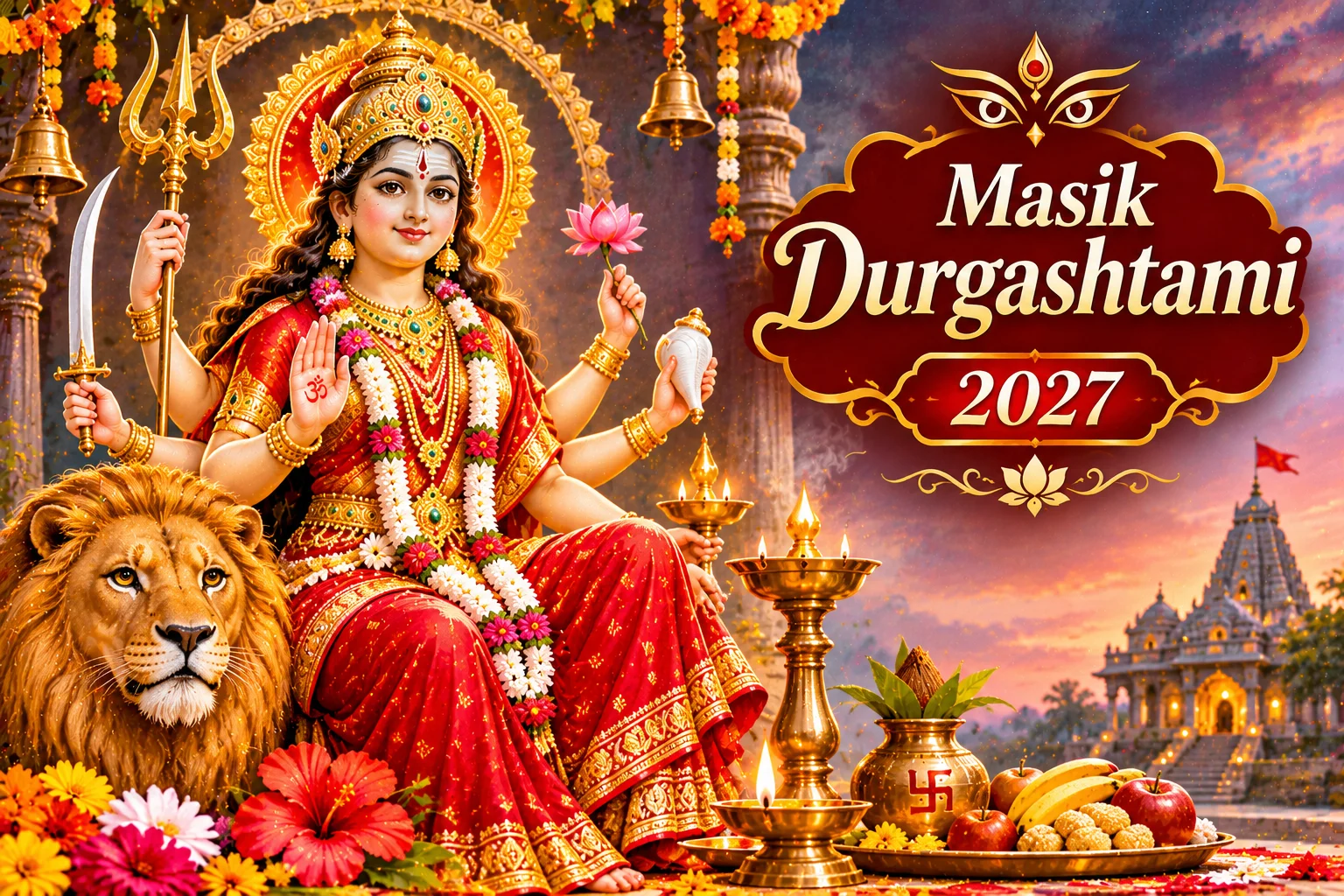
Masik Durgashtami
Masik Durgashtami, also known as Maas Durgashtami or Monthly Durga Ashtami, is a Hindu monthly vrata dedicated to Goddess Durga. It is observed on the Ashtami Tithi, the eighth lunar day of Shukla Paksha, during every Hindu lunar month.
View Festival Guide
Saturday, Jan 16, 2027
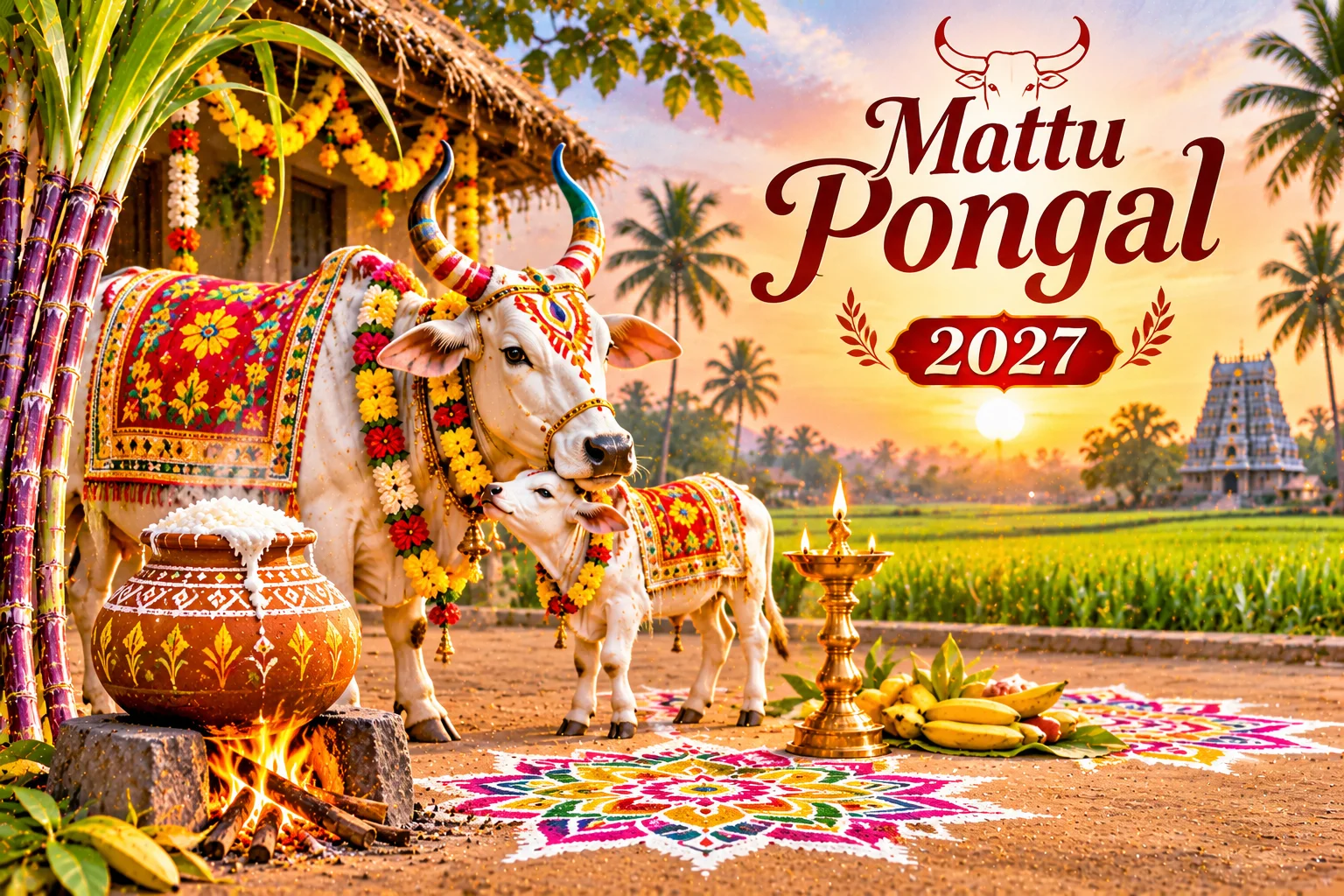
Mattu Pongal
Mattu Pongal is the third day of the traditional four-day Pongal harvest festival celebrated primarily in Tamil Nadu. The word Mattu means cattle in Tamil, and the day is dedicated to honouring cows, bulls, oxen, and other cattle for their valuable contribution to agriculture and rural life.
View Festival Guide
Sunday, Jan 17, 2027
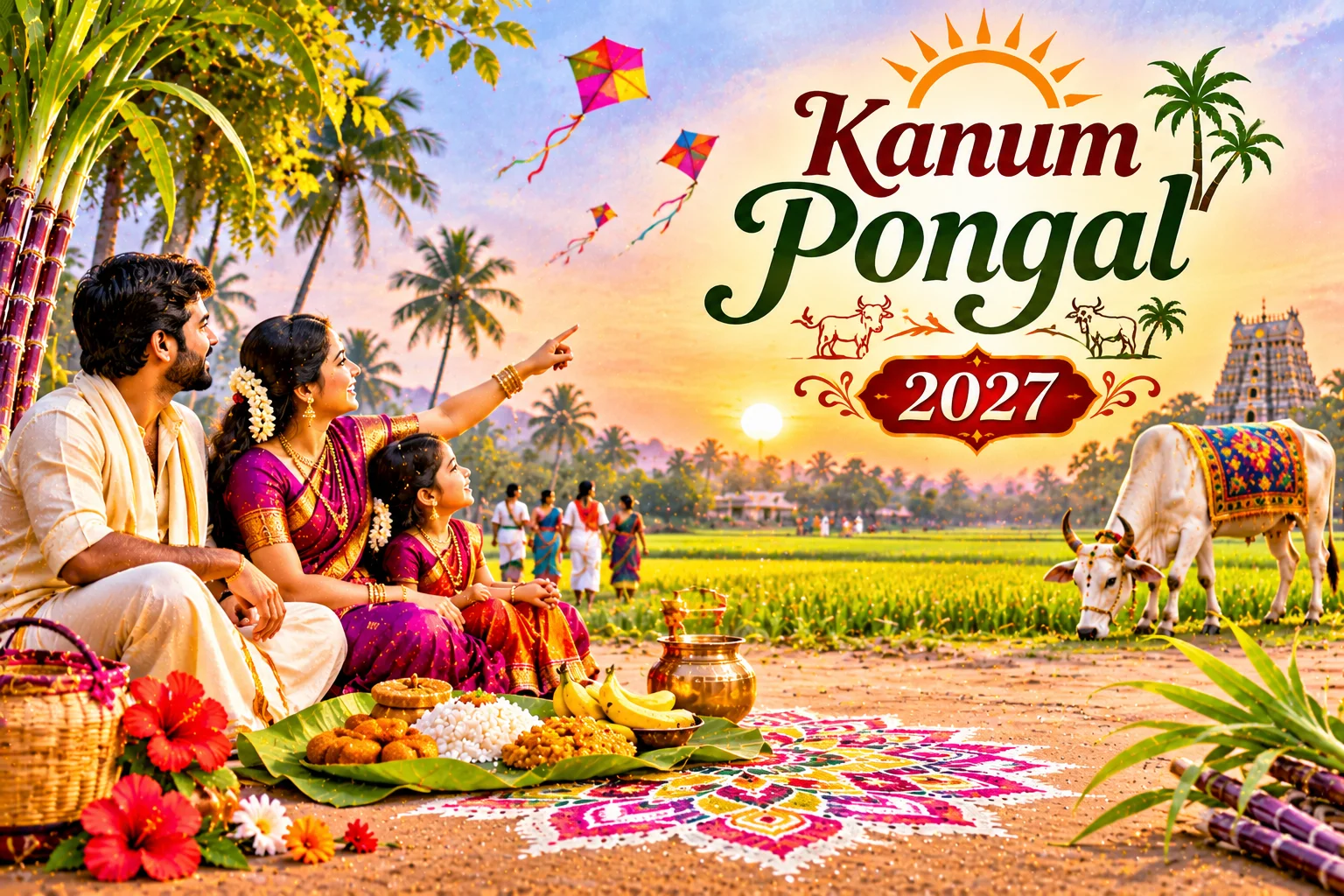
Kanum Pongal
Kanum Pongal, also known as Kaanum Pongal or Kannum Pongal, is the fourth and final day of the traditional four-day Tamil Pongal harvest festival. It is primarily associated with family reunions, visiting relatives, receiving blessings from elders, community gatherings, and spending time with loved ones.
View Festival Guide
Monday, Jan 18, 2027
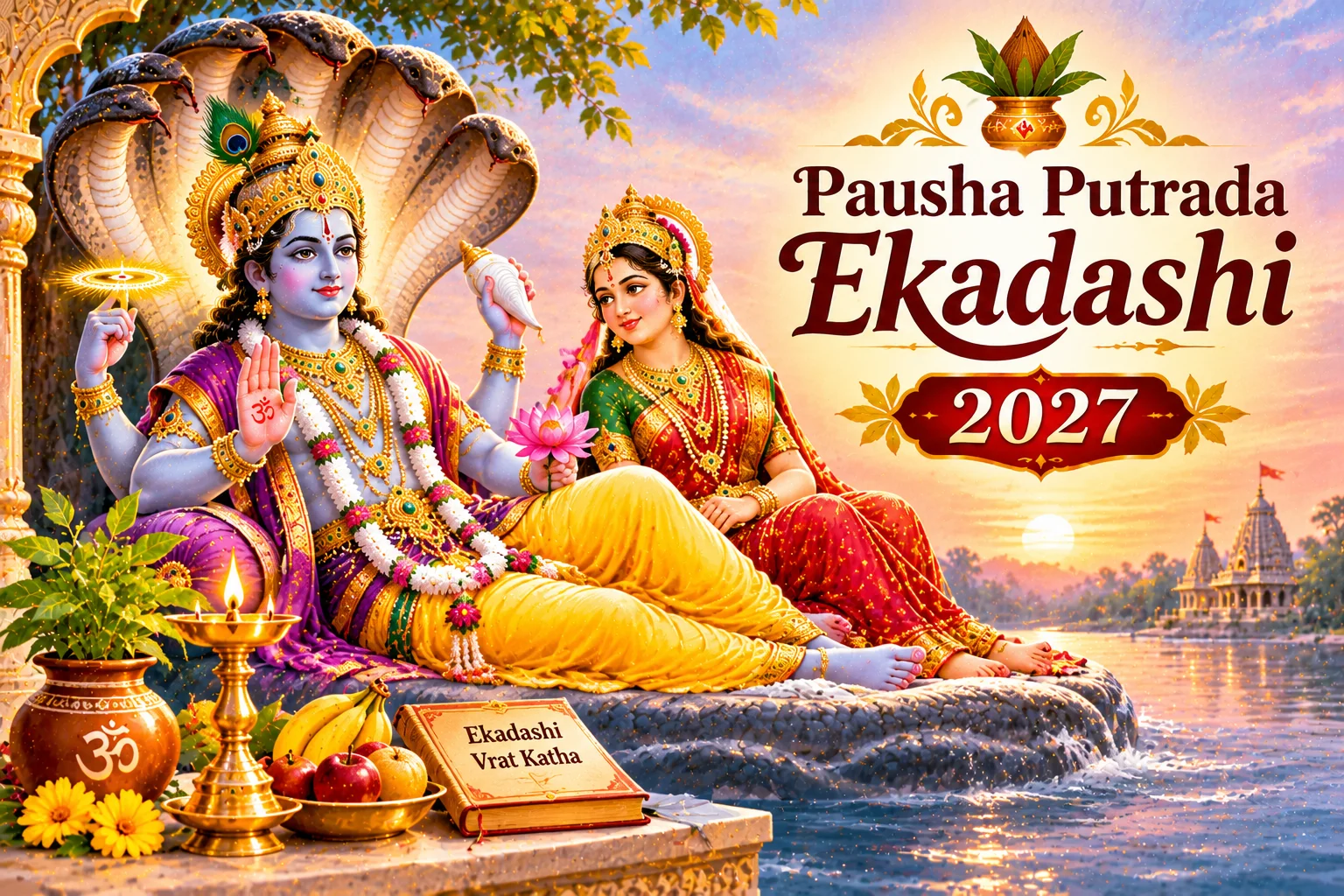
Pausha Putrada Ekadashi
Pausha Putrada Ekadashi is a sacred Hindu fasting day observed on the Ekadashi, or eleventh lunar day, of the Shukla Paksha (waxing fortnight) in the Hindu month of Pausha. It is dedicated to Lord Vishnu and is traditionally associated with prayers for children, family well-being, prosperity, and spiritual blessings.
View Festival Guide
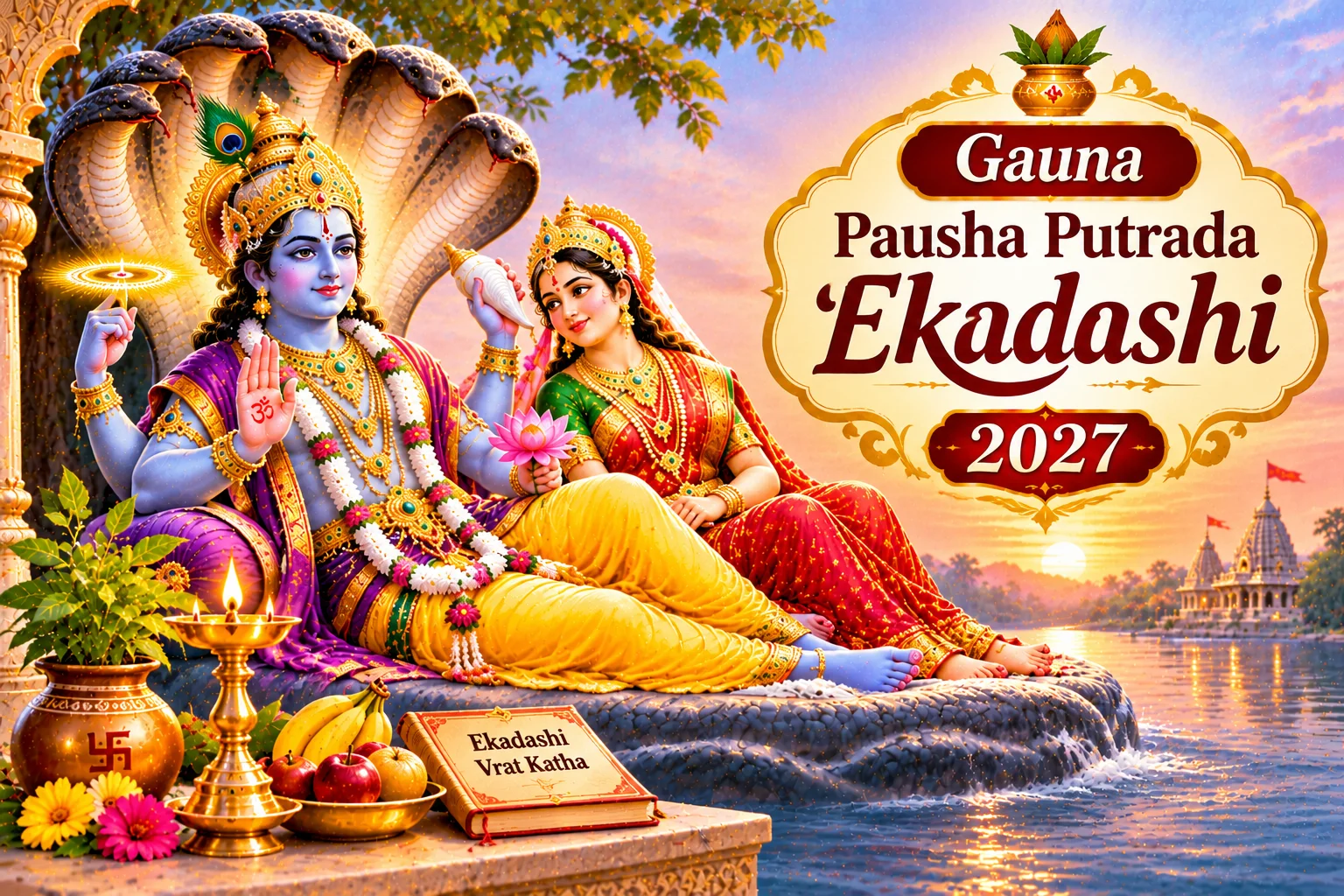
Tuesday, Jan 19, 2027
Gauna Pausha Putrada Ekadashi
Gauna Pausha Putrada Ekadashi is the alternate Vaishnava observance of Pausha Putrada Ekadashi, the sacred Ekadashi occurring during the Shukla Paksha of the Hindu month of Pausha. It is dedicated to Lord Vishnu and is traditionally associated with prayers for children, family happiness, prosperity, and spiritual well-being.
View Festival Guide