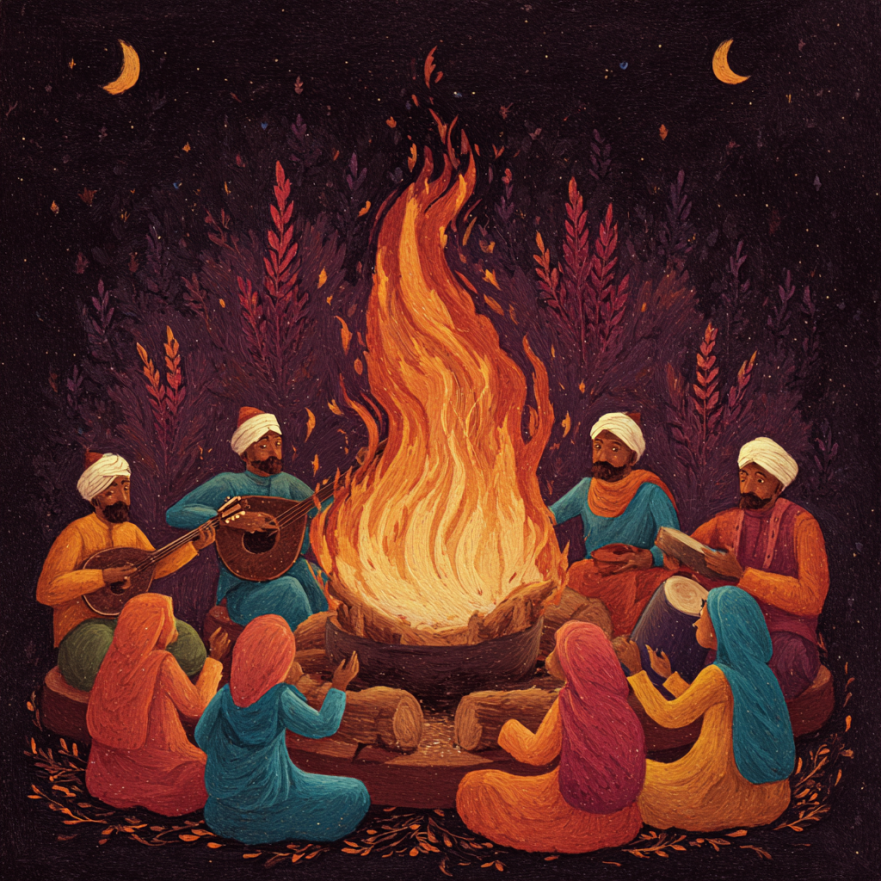
Lohri is a popular winter folk festival celebrated with great enthusiasm in Punjab and other parts of northern India. It is especially associated with the Punjabi community and is observed by people of different religious backgrounds as a celebration of warmth, harvest, family, and community life.
Lohri 2027: Date, Puja Timings, Rituals & Stories
Lohri Timings & Panchang
Important festival dates and auspicious timings
Usha Arghya (Sunrise)
07:15 am
Sandhya Arghya (Sunset)
05:45 pm
Start Date
Thursday, 14 Jan 2027
Puja Muhurat
01:02 pm – 01:58 pm
Lohri
The festival marks the end of the coldest part of winter and celebrates the gradual return of longer days as the Sun continues its northward journey. It is closely connected with the agricultural cycle, particularly the harvesting season of sugarcane and the growth of Rabi crops.
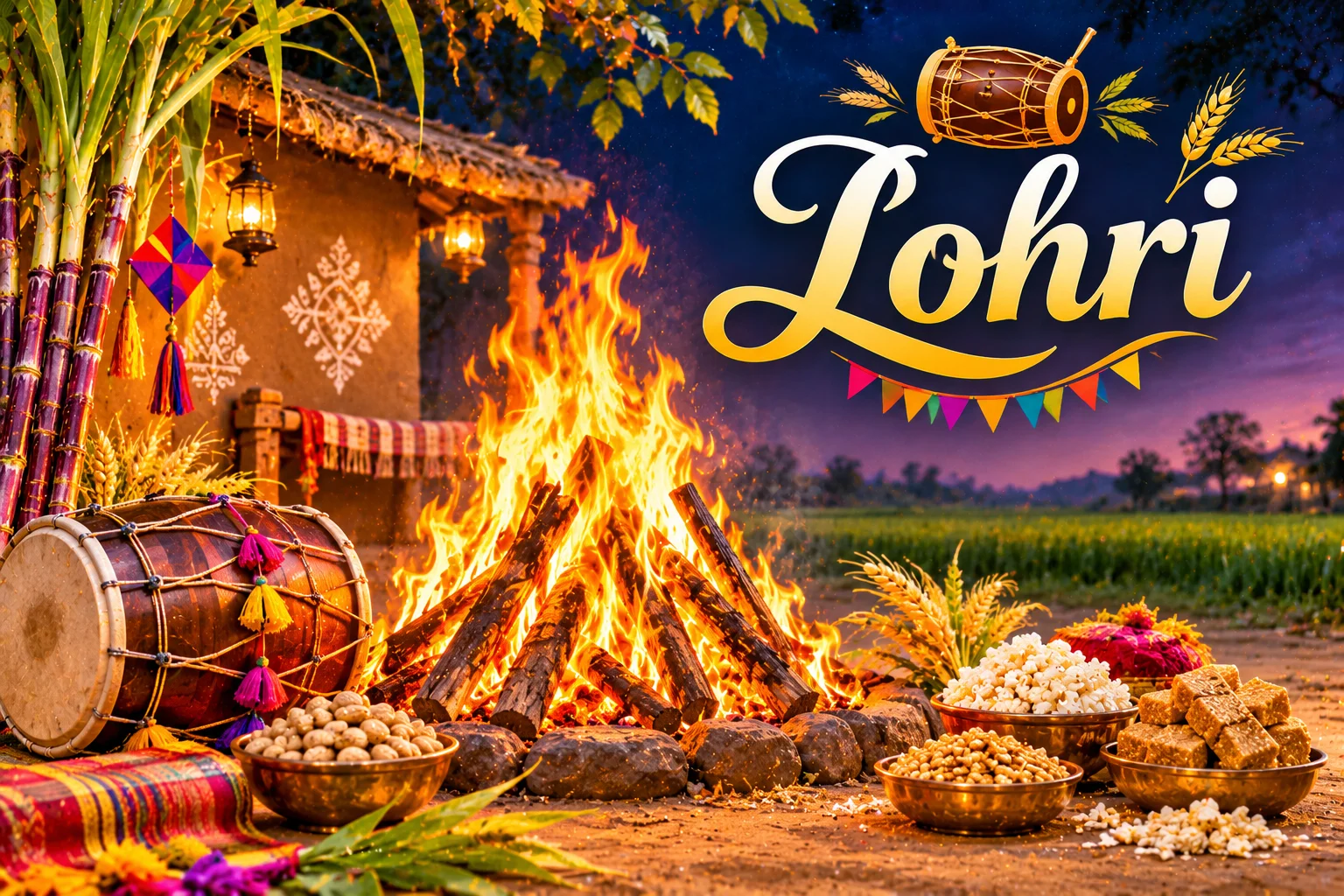
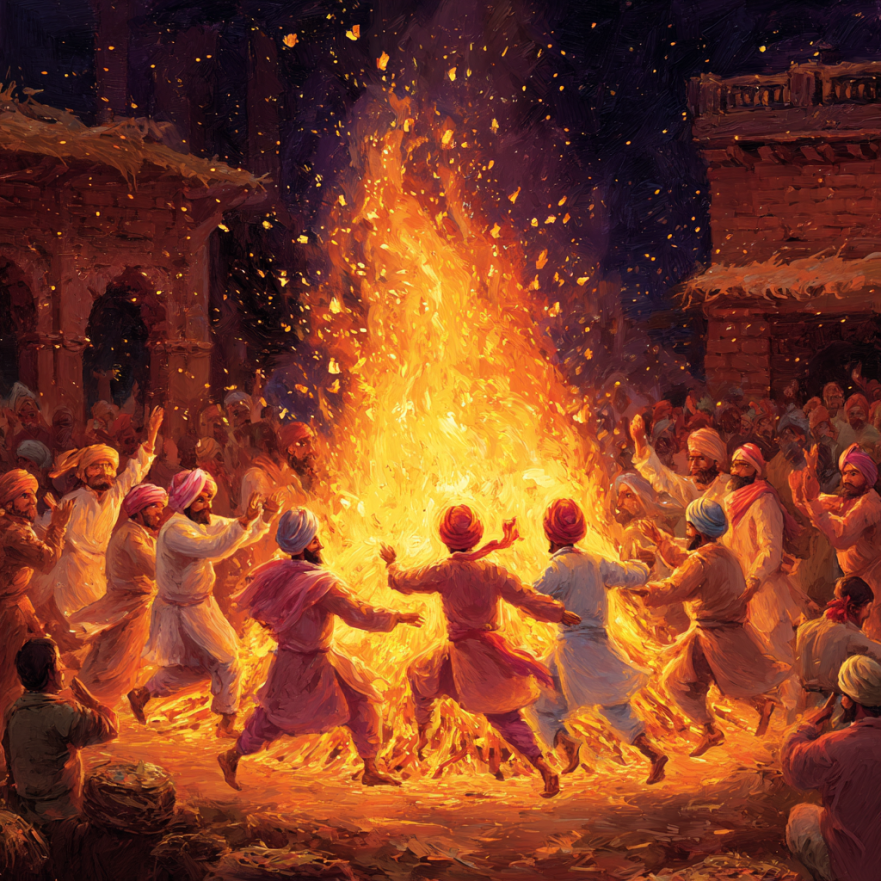
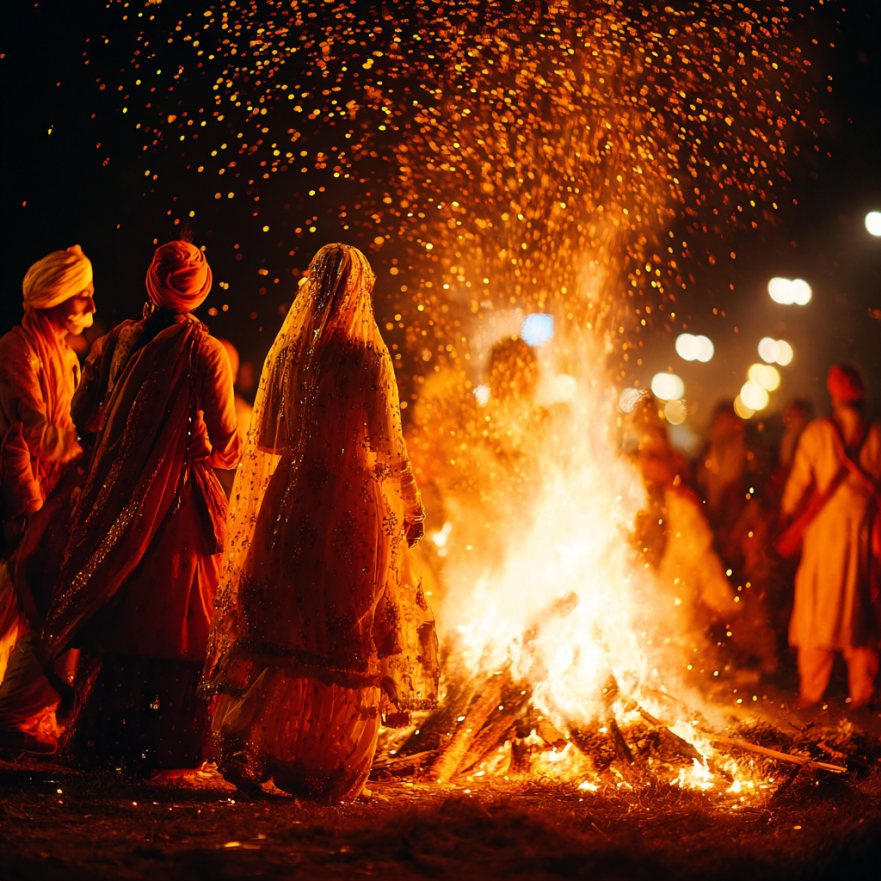
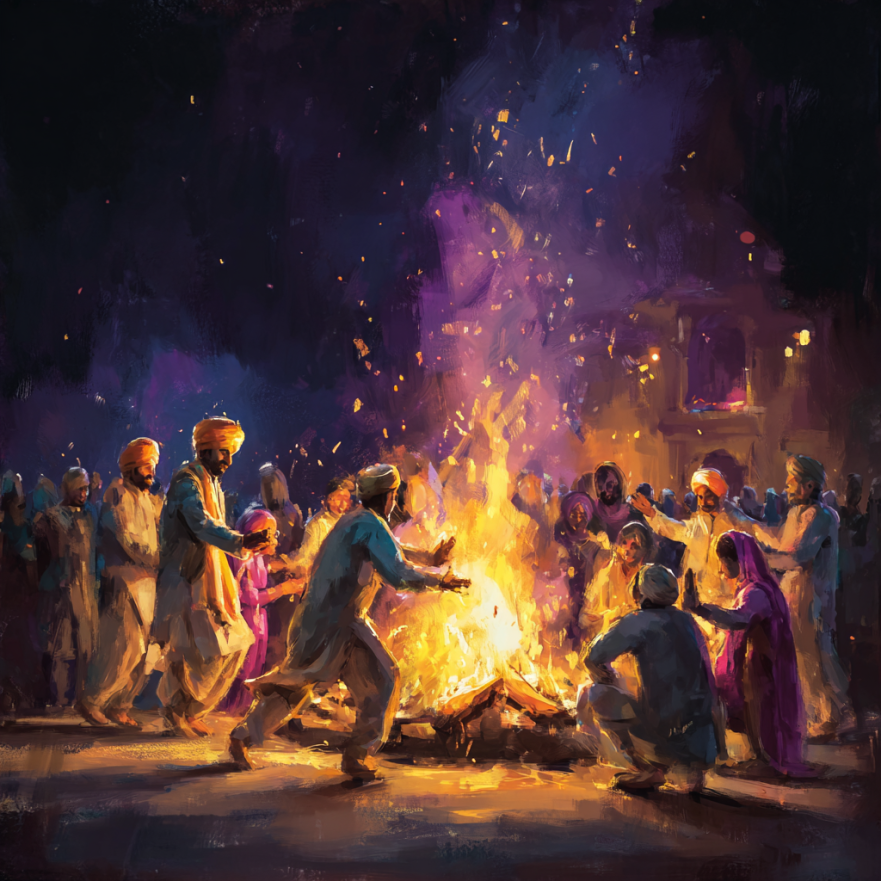
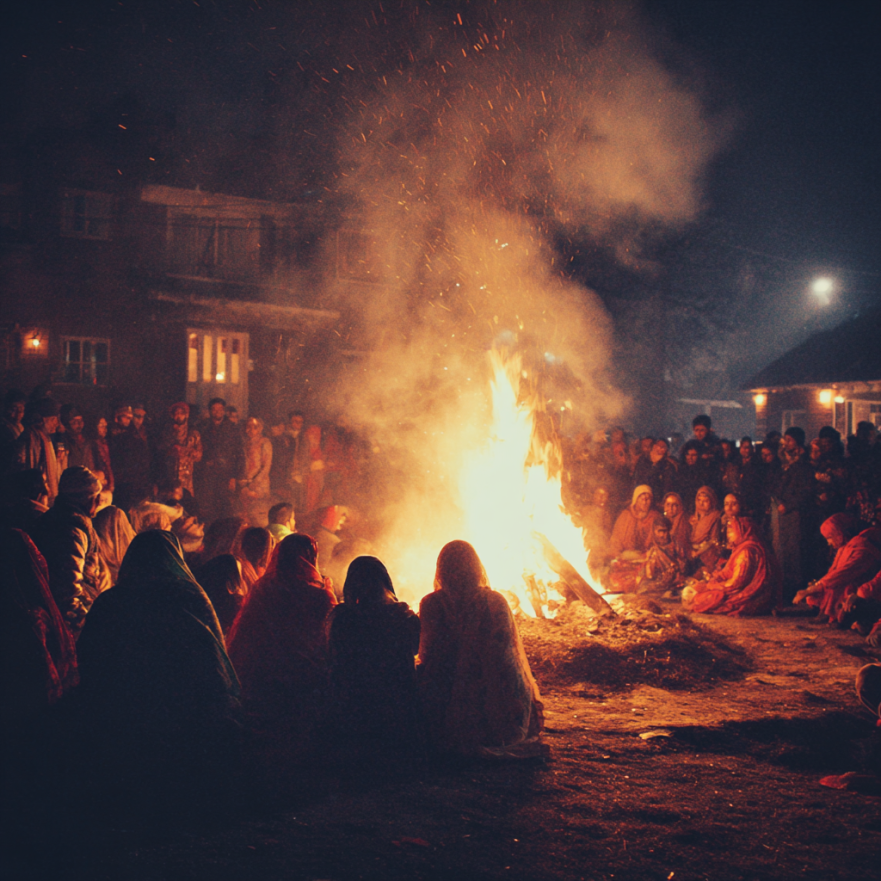
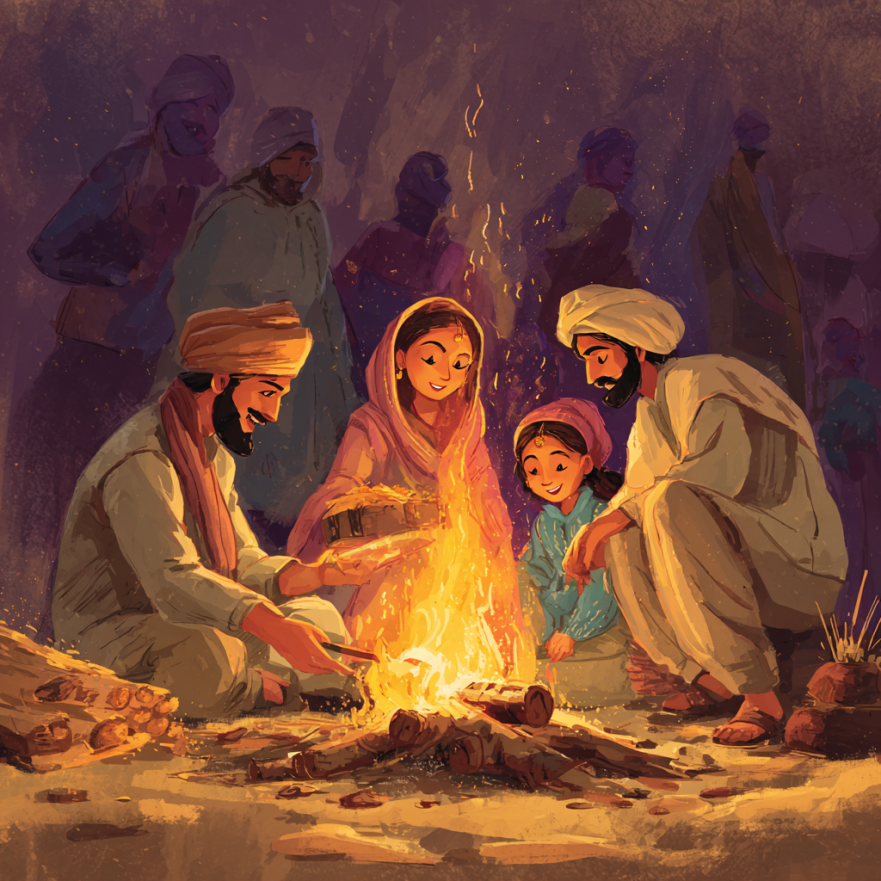
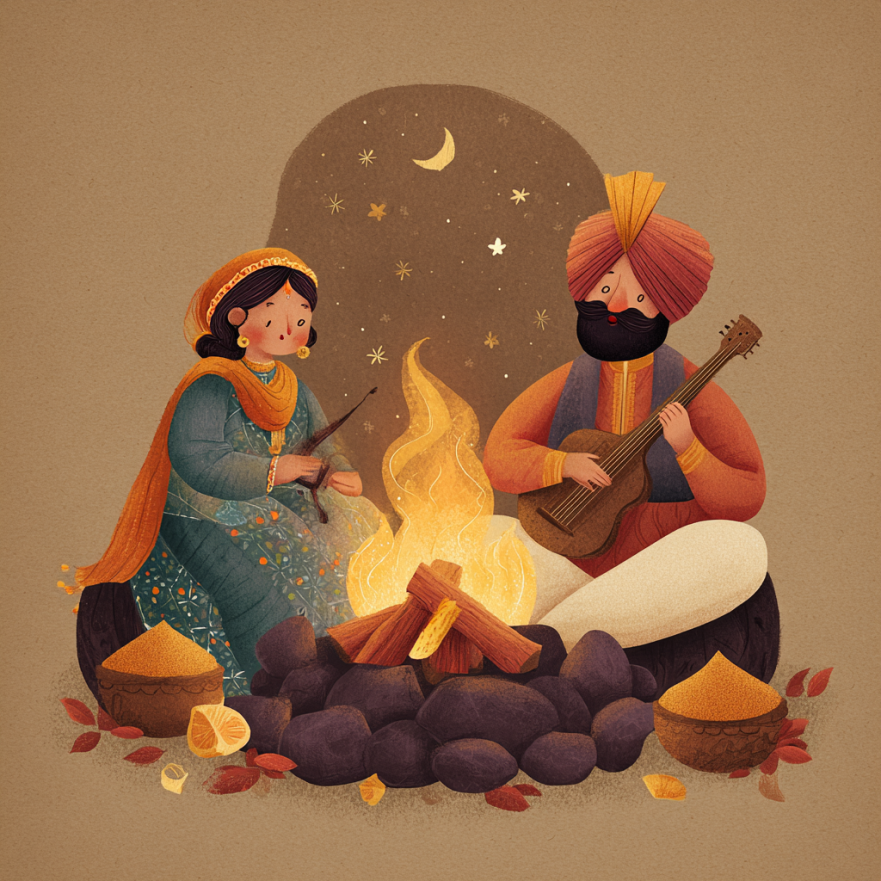
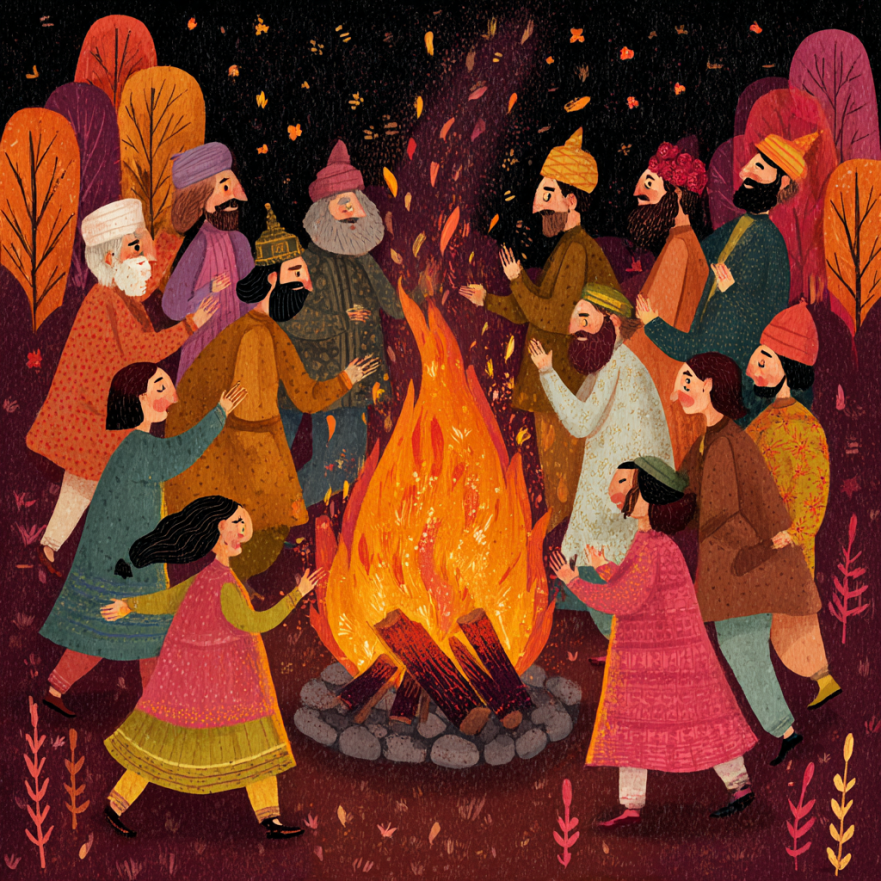
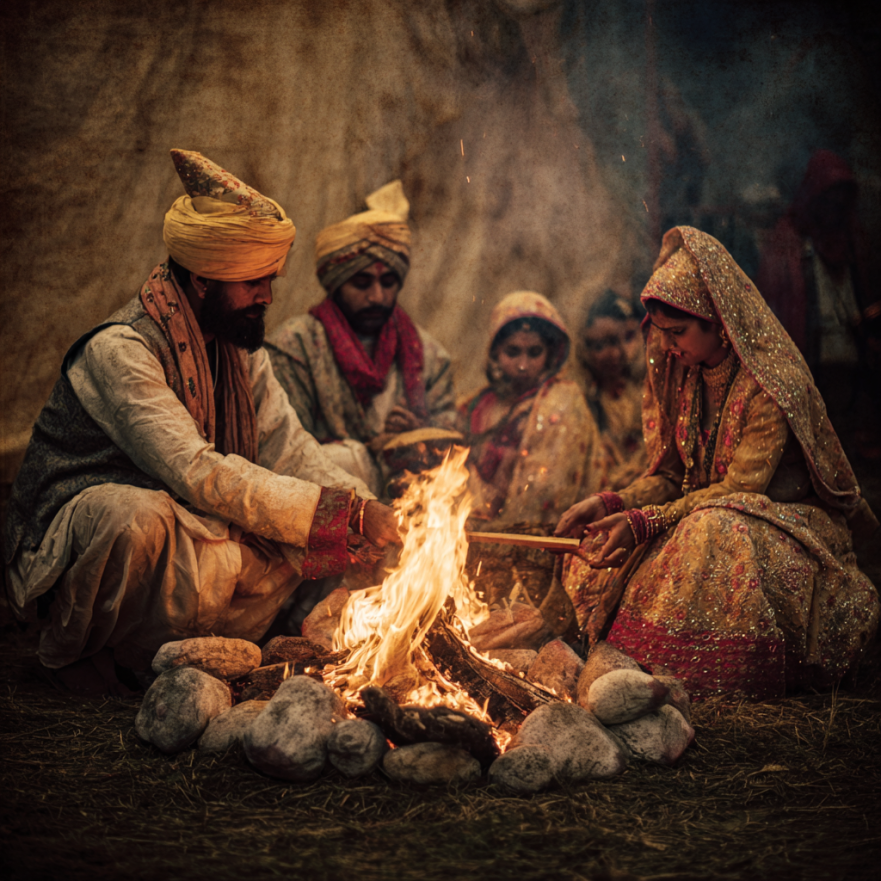
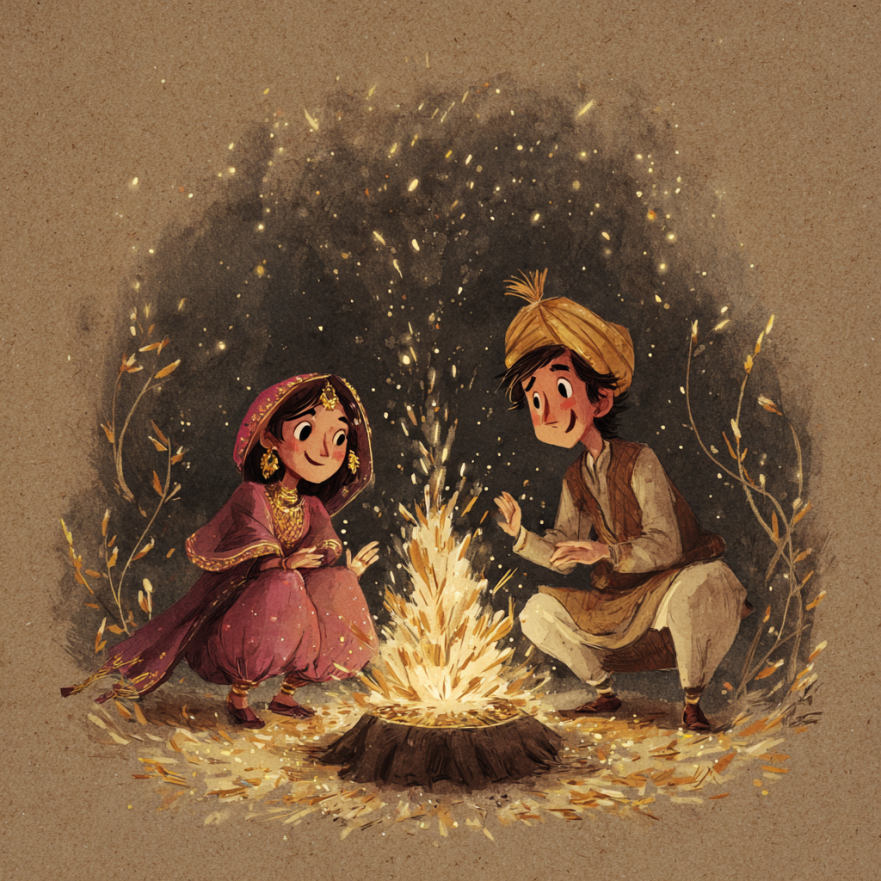
The most distinctive feature of Lohri is the traditional bonfire around which families, friends, and neighbours gather in the evening. People offer sesame seeds, jaggery, peanuts, popcorn, and other seasonal foods to the fire while singing folk songs, dancing, and sharing festive meals.
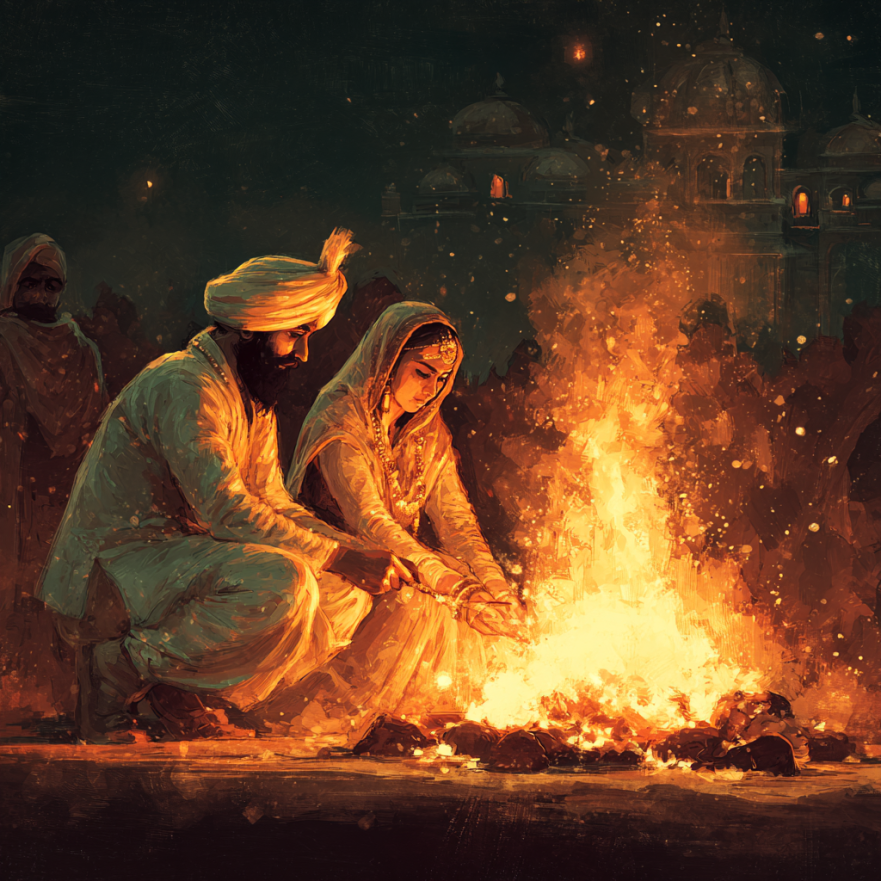
Lohri is also associated with the legendary Punjabi folk hero Dulla Bhatti, whose stories of courage, generosity, and protection of vulnerable people are remembered through traditional songs. The festival is considered particularly special for families celebrating a newborn child's first Lohri or a newly married couple's first Lohri.
Beyond its agricultural significance, Lohri represents gratitude for nature's gifts, hope for prosperity, the warmth of relationships, and the importance of sharing happiness with the community.
Why is Lohri Celebrated?
Lohri is primarily celebrated as a winter harvest festival and a thanksgiving occasion. It brings together agricultural traditions, seasonal changes, Punjabi folklore, and community celebrations. The festival provides an opportunity to express gratitude for agricultural produce, pray for prosperity, and welcome the gradual transition towards warmer days.
- To celebrate the winter harvest: Lohri is associated with the Rabi agricultural season and the harvesting of crops such as sugarcane. It is a time for farmers and agricultural communities to appreciate their hard work and the blessings of nature.
- To welcome longer days: The festival is traditionally associated with the end of the coldest period of winter and the gradual increase in daylight following the winter solstice.
- To express gratitude to nature: The bonfire and traditional offerings represent thanksgiving for sunlight, warmth, agricultural abundance, and the resources that sustain life.
- To honour the traditions of Punjab: Lohri preserves Punjabi folk songs, dances, food traditions, and stories that have been passed down through generations.
- To pray for prosperity and well-being: Families gather around the bonfire and offer seasonal foods while wishing for happiness, good health, successful harvests, and peace.
- To celebrate important family milestones: A child's first Lohri and a newly married couple's first Lohri are often celebrated with special enthusiasm, blessings, gifts, and family gatherings.
- To strengthen community relationships: Neighbours and relatives come together, exchange sweets, sing traditional songs, and share meals, reinforcing the spirit of togetherness.
History and Origins of Lohri
An Ancient Winter and Agricultural Tradition
Lohri is a traditional Punjabi folk festival whose exact historical origin is difficult to establish. Its customs are closely connected with the agricultural lifestyle, seasonal changes, and community celebrations of the Punjab region.
Historically, winter was an important period in the agricultural calendar. Farmers cultivated Rabi crops, prepared their fields, and depended on seasonal weather for successful agricultural production. The arrival of the midwinter period provided an occasion to celebrate the progress of crops and express gratitude for nature's support.
The traditional bonfire became the central feature of the celebration. During cold winter evenings, families and villagers gathered around the fire for warmth, companionship, songs, and food. Over generations, these seasonal gatherings developed into the distinctive Lohri celebrations known today.
Connection with the Sun and Seasonal Change
Lohri is traditionally associated with the winter solstice and the gradual return of longer days. The Sun holds an important place in agricultural societies because sunlight supports crop growth, warmth, and the natural rhythms of life.
The bonfire is commonly understood as a symbol of warmth, light, and gratitude. Many traditional songs express respect for the Sun and acknowledge the importance of sunlight during the cold winter season.
The festival is observed around the transition between the Punjabi month of Poh and Magh. Its celebrations are closely associated with the period preceding Maghi and Makar Sankranti, which are important seasonal observances in northern India.
The Legend of Dulla Bhatti
One of the most popular stories associated with Lohri is the legend of Dulla Bhatti, a celebrated figure in Punjabi folklore. He is traditionally remembered as a brave and generous man who lived during the reign of the Mughal emperor Akbar.
Spiritual Significance of Lohri
Reverence for the Sun
The Sun is essential for life, agriculture, warmth, and the changing seasons. Lohri is traditionally connected with the Sun's northward journey and the gradual increase in daylight after the winter solstice.
The festival provides an opportunity to express gratitude for sunlight and its role in supporting crops and living beings. The warmth of the bonfire is often understood as a reminder of the Sun's life-sustaining energy.
Symbolism of the Sacred Fire
Fire is an important symbol in many Indian religious and cultural traditions. In Lohri celebrations, the bonfire represents warmth, light, vitality, and the shared blessings of nature.
Offerings of sesame seeds, jaggery, peanuts, popcorn, and other seasonal foods express thanksgiving and the hope for abundance. The act of gathering around the fire also symbolises unity, friendship, and the strength of community relationships.
Some families regard the bonfire as an occasion to remember Agni and offer prayers for happiness, prosperity, and protection. The specific religious interpretation depends on family and regional customs.
Gratitude for Agricultural Abundance
Lohri reflects the close relationship between human life and agriculture. The festival celebrates the effort of farmers, the fertility of the land, and the importance of seasonal crops.
The traditional foods associated with Lohri are closely connected with the agricultural produce available during winter. Sharing these foods expresses gratitude for the harvest and encourages generosity towards family members, neighbours, and those in need.
Renewal and Hope
The transition from the coldest part of winter towards longer and gradually warmer days gives Lohri a symbolic meaning of renewal. The bonfire represents light overcoming darkness and warmth replacing cold.
How Lohri Is Celebrated
Lohri celebrations generally begin with preparations during the day and reach their main point in the evening when the community gathers around a bonfire. Although customs vary between families and regions, the following activities are commonly associated with the festival.
1. Preparing for the Festival
- Families clean and decorate their homes and courtyards in preparation for the celebration.
- People arrange traditional foods such as rewri, gajak, peanuts, popcorn, sesame seeds, and jaggery.
- In some neighbourhoods, children visit nearby houses singing Lohri folk songs and collecting sweets, snacks, or contributions for the celebration.
- Families prepare suitable natural fuel and arrange a safe outdoor location for the evening bonfire.
2. Lighting the Lohri Bonfire
The bonfire is generally lit in the evening, often around sunset or after darkness begins. Families and neighbours gather around it to welcome the seasonal festival.
The fire represents warmth, light, gratitude, and the agricultural blessings of the season. In some households, elders lead the traditional offerings and prayers.
3. Offering Seasonal Foods
People offer small quantities of traditional foods to the bonfire. Common offerings include sesame seeds, jaggery, peanuts, popcorn, rewri, and puffed rice.
These foods are associated with winter and the agricultural produce of the region. The offerings symbolise thanksgiving and wishes for abundance, good health, and prosperity.
4. Performing Parikrama
Lohri Puja Vidhi (Step by Step)
- 1
Clean and Prepare the Celebration Area
Clean the courtyard or designated outdoor area where the Lohri bonfire will be arranged. Select a safe, open location away from buildings, vehicles, electrical wires, dry vegetation, and other combustible materials.
- 2
Arrange Traditional Lohri Offerings
Prepare small quantities of sesame seeds, jaggery, peanuts, popcorn, rewri, and puffed rice. Keep the offerings in a clean plate or traditional Lohri thali.
- 3
Prepare the Bonfire
Arrange dry, untreated wood or other appropriate clean natural fuel in a stable fire arrangement. Ensure that the bonfire is prepared by an adult and that water or suitable fire-extinguishing equipment is available nearby.
- 4
Light the Bonfire
Light the bonfire in the evening using a safe method. Family members and guests gather at a comfortable distance and welcome the festival with traditional songs and prayers.
- 5
Offer Seasonal Foods
Lohri Puja Samagri List
Traditional Lohri Offerings
- Sesame seeds (Til)
- Jaggery (Gur)
- Rewri
- Gajak
- Roasted peanuts (Moongfali)
- Popcorn
- Puffed rice (Murmura)
- Sugarcane pieces
- Roasted corn
- Seasonal dry fruits
Bonfire Arrangements
- Dry and untreated firewood
- Suitable fire-starting materials
- A designated fire-safe outdoor area
- Water or appropriate fire-extinguishing equipment
- A metal container for handling ash after the fire has cooled
Traditional Lohri Thali
- A clean plate or traditional thali
- Small bowls for sesame seeds and jaggery
- Peanuts and popcorn
- Rewri and gajak
Mantras and Prayers for Lohri
Lohri Vrat Rules and Fasting Guidelines
Fasting on Lohri
Lohri is primarily a folk and harvest festival rather than a festival with a universally prescribed fasting tradition. There is no single compulsory Lohri vrat followed by all communities.
Some individuals may choose to observe a personal fast or follow family-specific devotional practices. Such observances depend on household beliefs and should not be confused with a mandatory Lohri fasting rule.
Traditional Observances
- Participate in the bonfire celebration with respect and gratitude.
- Offer traditional seasonal foods according to family customs.
- Share sweets and food with relatives, neighbours, and people in need.
- Remember the importance of agriculture, nature, and community relationships.
- Offer prayers or personal wishes for health, happiness, and prosperity.
- Respect the cultural traditions and regional practices associated with the festival.
Food and Personal Discipline
People who are fasting or following a particular dietary discipline may follow their own family or religious guidelines. Others celebrate by enjoying traditional Lohri foods and festive meals.
Dos and Don'ts of Lohri
Good Practices (Do's)
- Celebrate Lohri with gratitude for nature, agricultural abundance, and the changing seasons.
- Use clean, dry, untreated wood for the traditional bonfire.
- Keep the bonfire in a safe, open location and maintain a reasonable distance from the flames.
- Keep water or appropriate fire-extinguishing equipment available.
- Offer traditional seasonal foods such as sesame seeds, jaggery, peanuts, popcorn, rewri, and gajak according to family customs.
Lohri Across Regions
| Region | Local Name |
|---|---|
| Punjab | Lohri |
| Haryana | Lohri |
| Himachal Pradesh | Lohri |
| Jammu | Lohri |
| Delhi | Lohri |
| Uttar Pradesh | Lohri |
| Rajasthan | Lohri |
| Punjabi Diaspora | Lohri |
Lohri FAQs
What is Lohri?
Lohri is a popular Punjabi winter folk and harvest festival celebrated with bonfires, traditional songs, dancing, and seasonal foods. It is associated with the end of the coldest part of winter, agricultural prosperity, and the gradual return of longer days.
Why is Lohri celebrated?
Lohri is celebrated to express gratitude for the winter harvest, welcome seasonal change, honour the importance of sunlight and warmth, and bring families and communities together. It is also an occasion to preserve Punjabi folk traditions.
Which communities celebrate Lohri?
Lohri is celebrated primarily by Punjabi communities, including Sikhs and Hindus, as well as people from other backgrounds who participate in the region's cultural traditions. It is widely observed in Punjab, Haryana, Himachal Pradesh, Jammu, Delhi, and Punjabi communities around the world.
Upcoming Festivals
View All
Thursday, Jan 14, 2027
Bhogi Pongal
Bhogi Pongal, also known as Bhogi Pandigai or Bhogi, is the first day of the traditional four-day Pongal harvest festival celebrated mainly in Tamil Nadu and by Tamil communities across the world. It marks the final day of the Tamil month of Margazhi and welcomes the beginning of the auspicious month of Thai. The festival represents renewal, gratitude, prosperity and the transition from the old to the new.
View Festival Guide
Friday, Jan 15, 2027
Pongal
Pongal is one of the most important traditional harvest festivals of Tamil Nadu. Celebrated with devotion and enthusiasm by Tamil communities in India and around the world, it is a festival of thanksgiving dedicated to the Sun, Mother Nature, agricultural abundance, and the cattle that support farming.
View Festival Guide
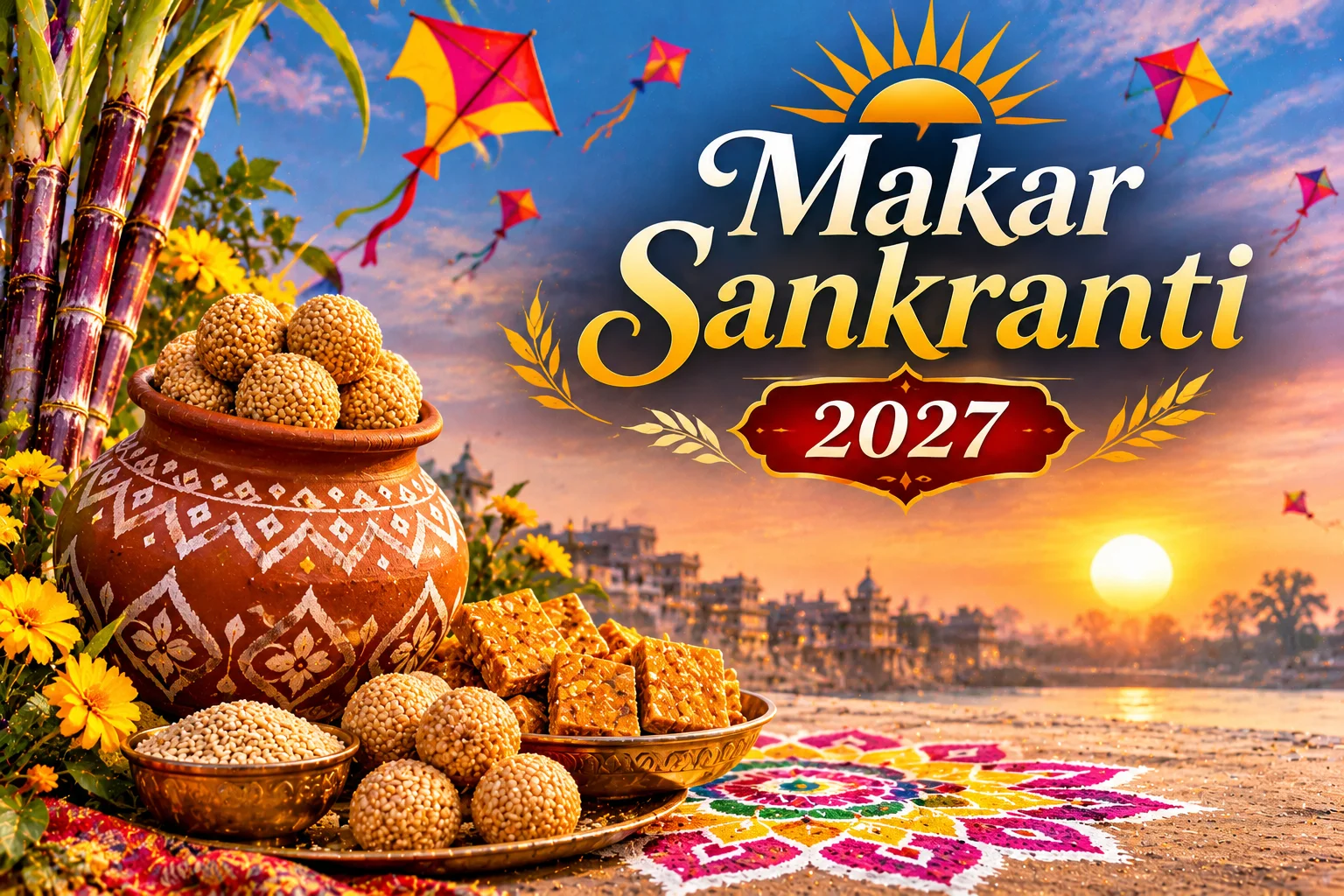
Friday, Jan 15, 2027
Makar Sankranti (Uttarayana / Pongal)
Makar Sankranti is one of the most widely celebrated Hindu festivals in India. It marks the transition of the Sun into Makara Rashi, the zodiac sign of Capricorn, according to the traditional sidereal solar calendar. The word Sankranti refers to the movement of the Sun from one zodiac sign to another, while Makara refers to Capricorn.
View Festival Guide
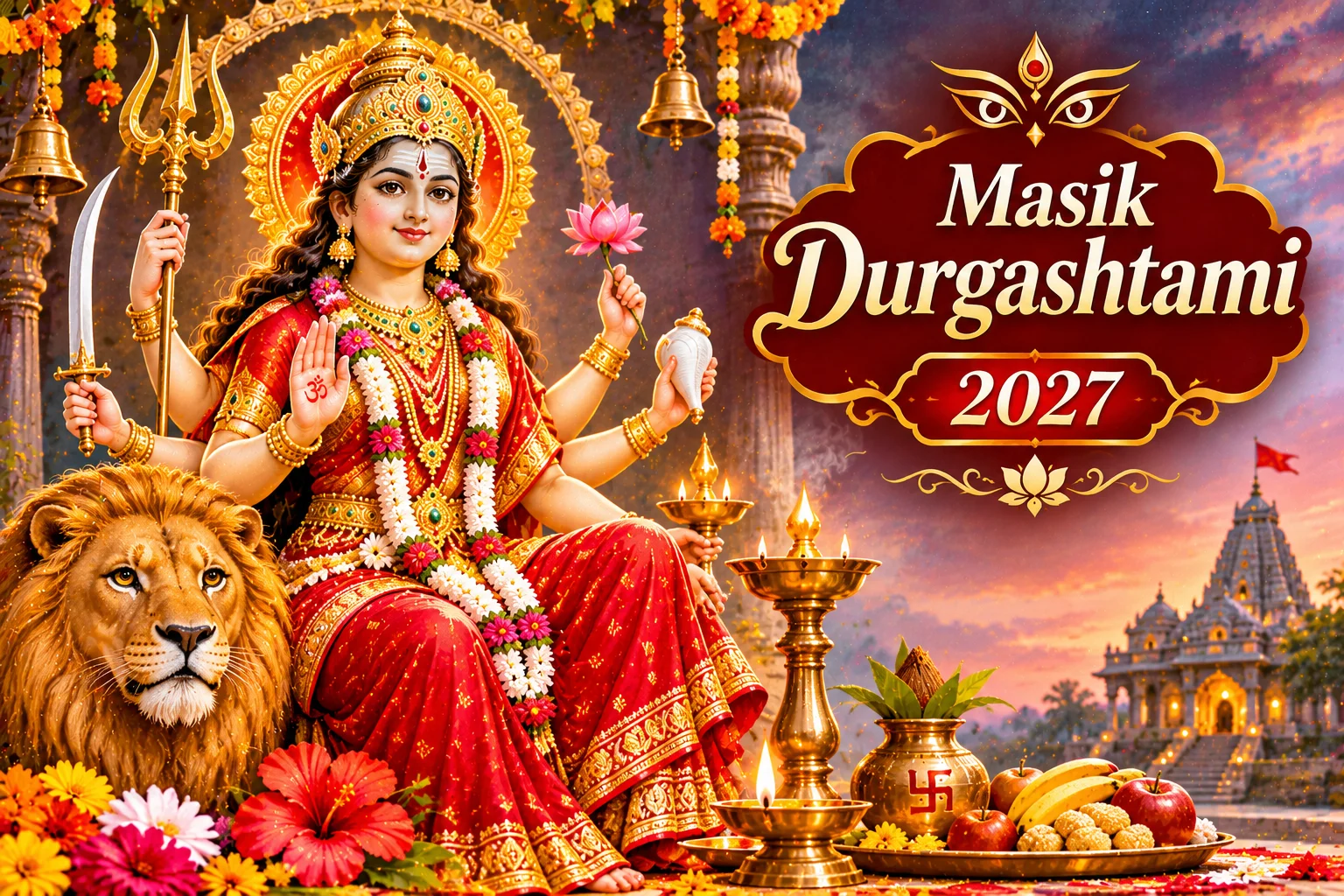
Saturday, Jan 16, 2027
Masik Durgashtami
Masik Durgashtami, also known as Maas Durgashtami or Monthly Durga Ashtami, is a Hindu monthly vrata dedicated to Goddess Durga. It is observed on the Ashtami Tithi, the eighth lunar day of Shukla Paksha, during every Hindu lunar month.
View Festival Guide
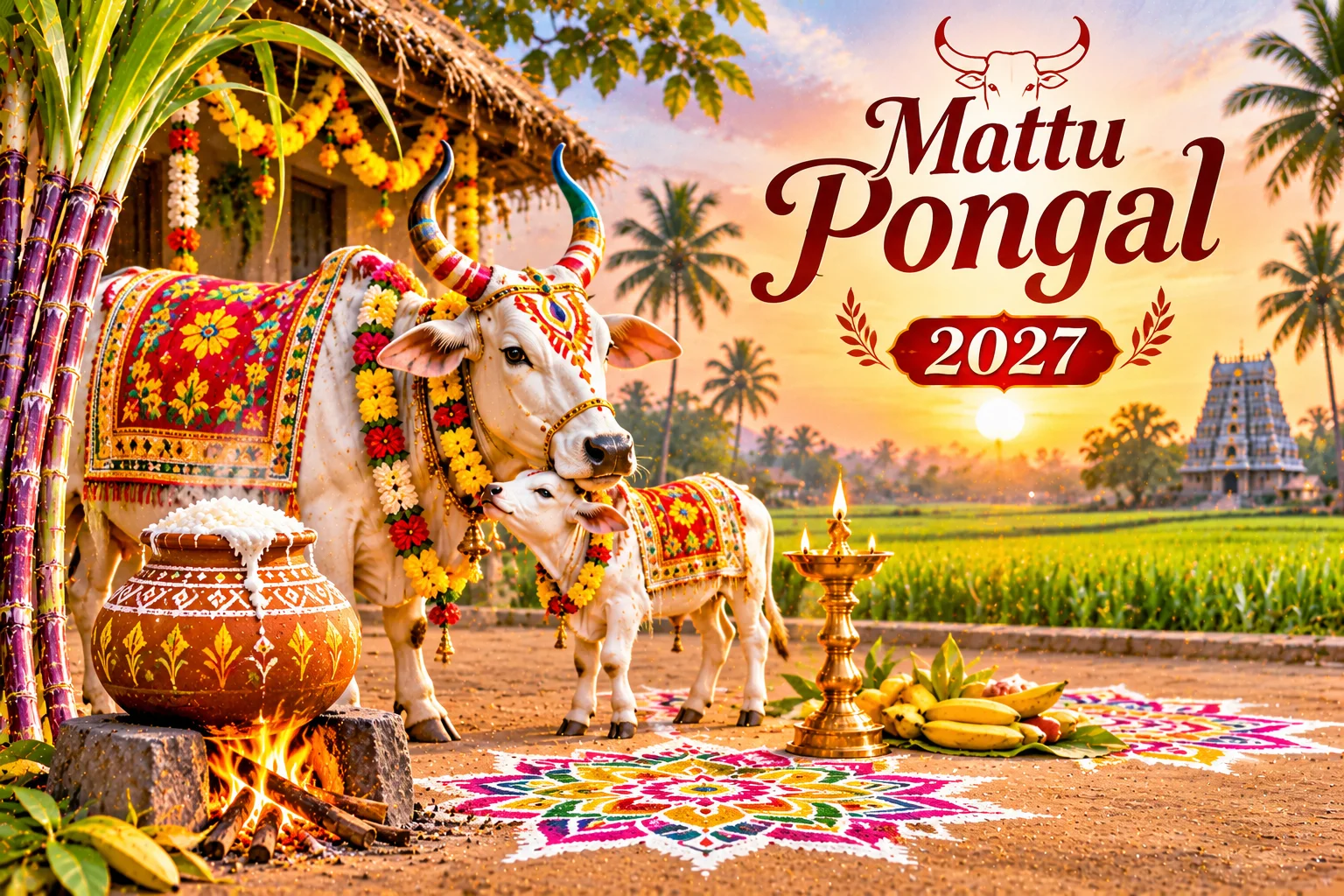
Saturday, Jan 16, 2027
Mattu Pongal
Mattu Pongal is the third day of the traditional four-day Pongal harvest festival celebrated primarily in Tamil Nadu. The word Mattu means cattle in Tamil, and the day is dedicated to honouring cows, bulls, oxen, and other cattle for their valuable contribution to agriculture and rural life.
View Festival Guide
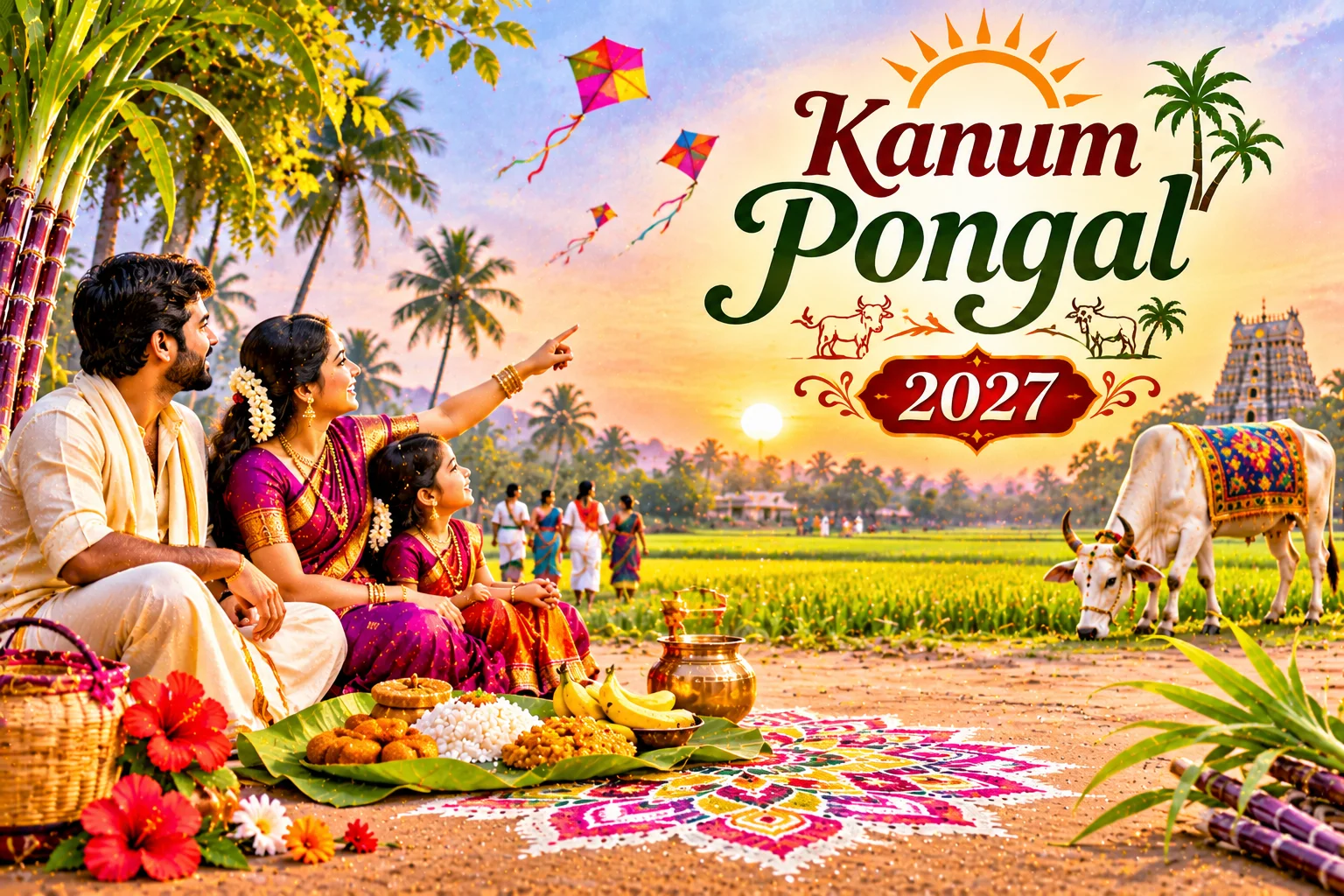
Sunday, Jan 17, 2027
Kanum Pongal
Kanum Pongal, also known as Kaanum Pongal or Kannum Pongal, is the fourth and final day of the traditional four-day Tamil Pongal harvest festival. It is primarily associated with family reunions, visiting relatives, receiving blessings from elders, community gatherings, and spending time with loved ones.
View Festival Guide
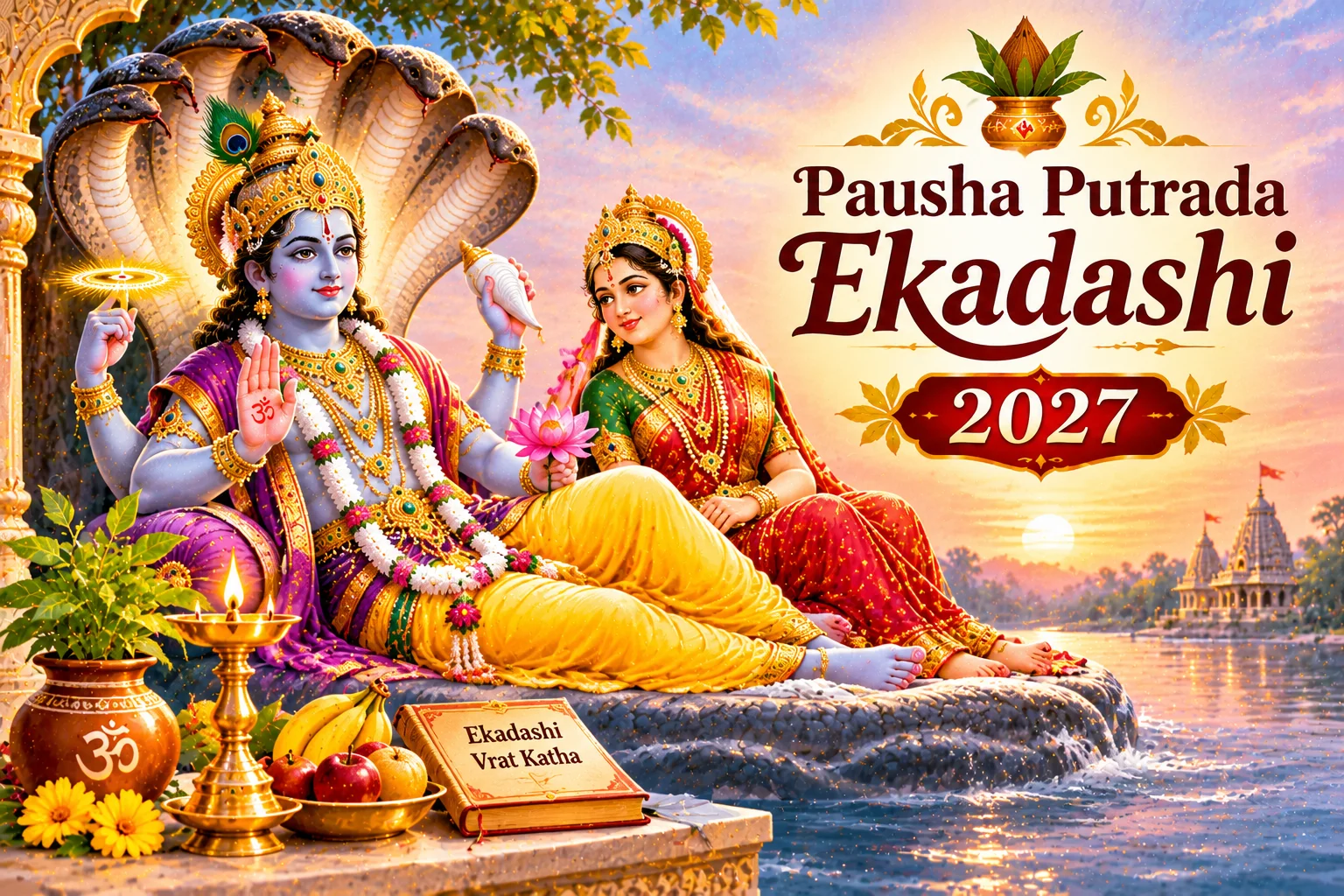
Monday, Jan 18, 2027
Pausha Putrada Ekadashi
Pausha Putrada Ekadashi is a sacred Hindu fasting day observed on the Ekadashi, or eleventh lunar day, of the Shukla Paksha (waxing fortnight) in the Hindu month of Pausha. It is dedicated to Lord Vishnu and is traditionally associated with prayers for children, family well-being, prosperity, and spiritual blessings.
View Festival Guide
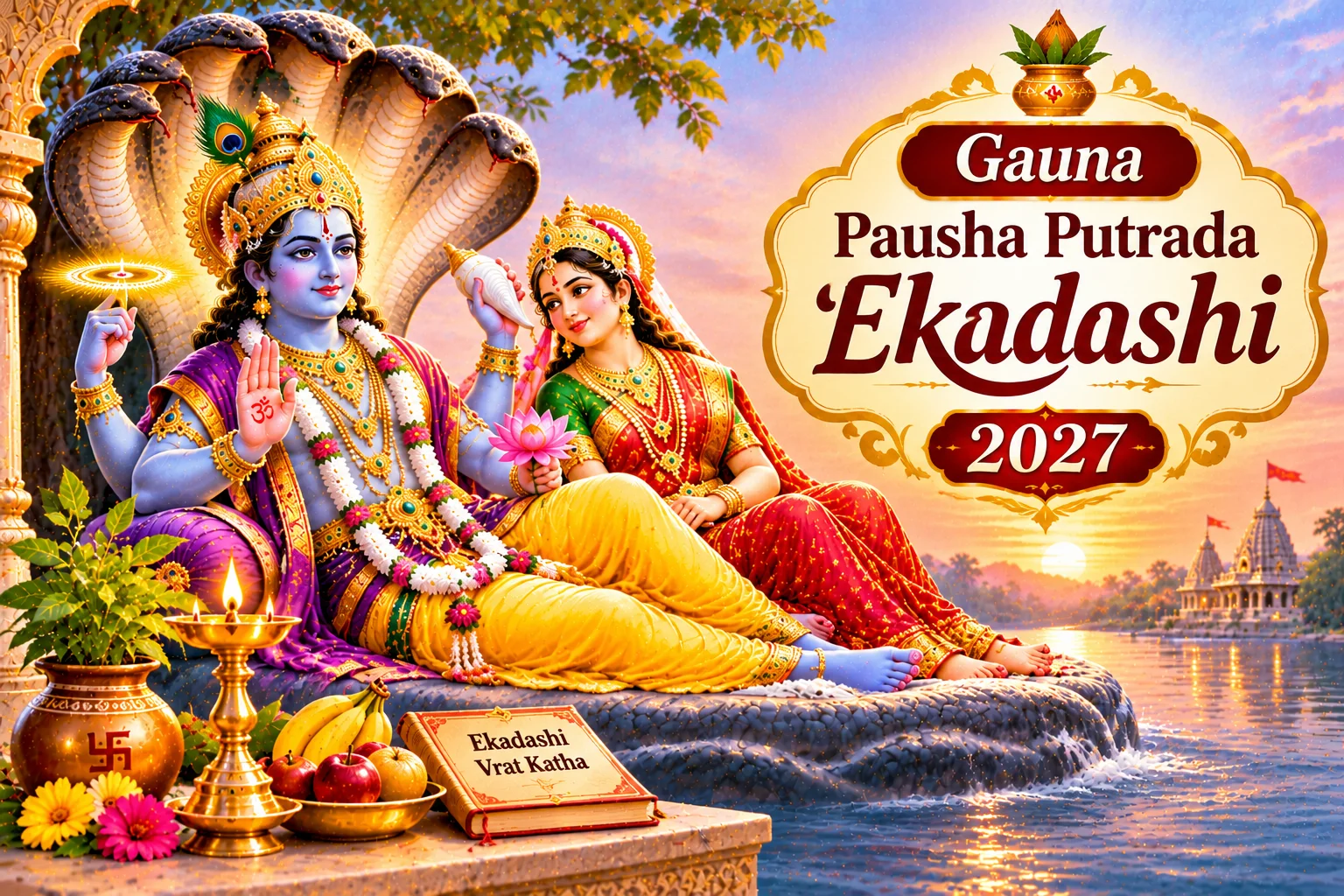
Tuesday, Jan 19, 2027
Gauna Pausha Putrada Ekadashi
Gauna Pausha Putrada Ekadashi is the alternate Vaishnava observance of Pausha Putrada Ekadashi, the sacred Ekadashi occurring during the Shukla Paksha of the Hindu month of Pausha. It is dedicated to Lord Vishnu and is traditionally associated with prayers for children, family happiness, prosperity, and spiritual well-being.
View Festival Guide
Wallpapers
317
320
341
320
323
300
321
367
310
385
336
390
365
354
387
310
336
388
345
374