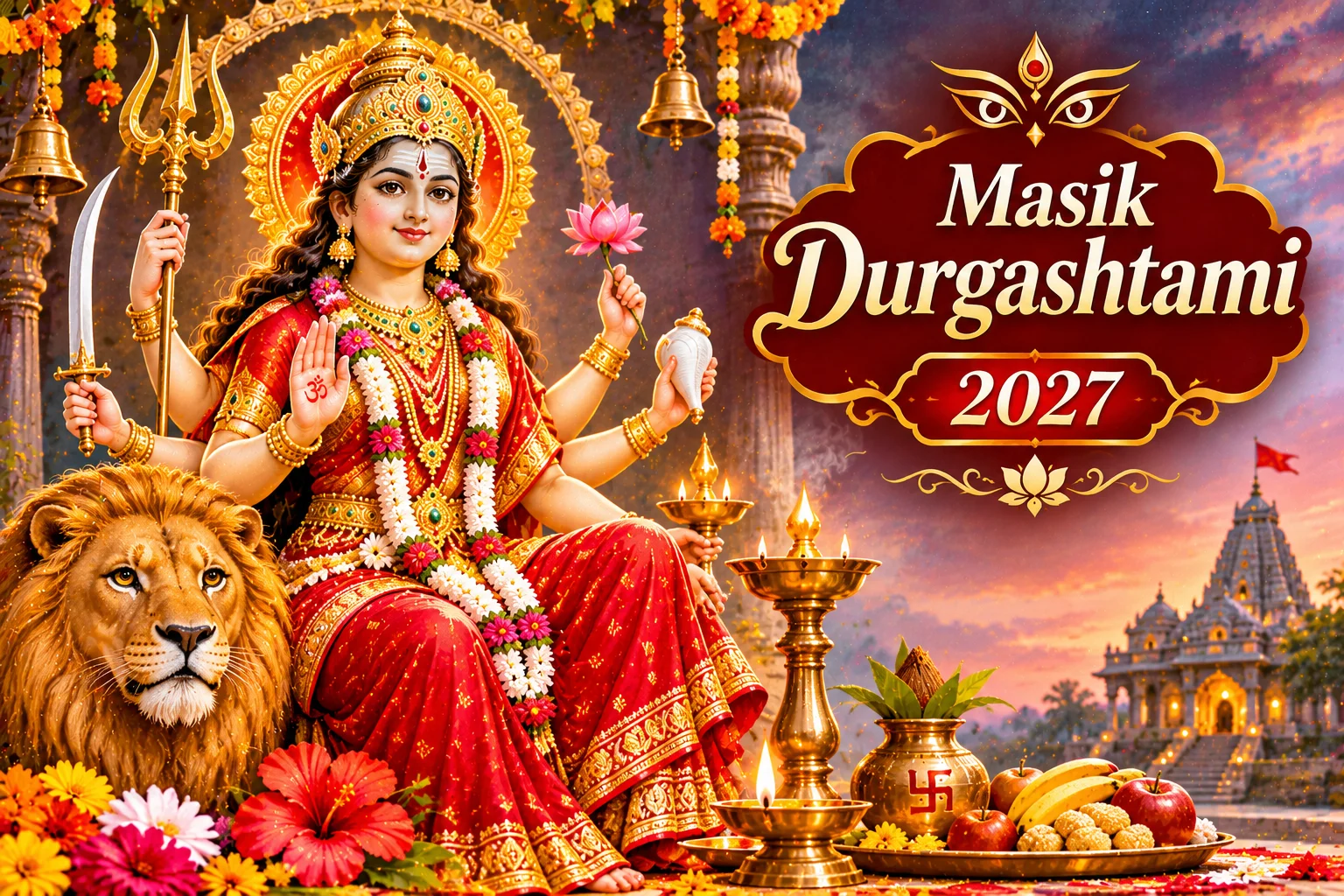
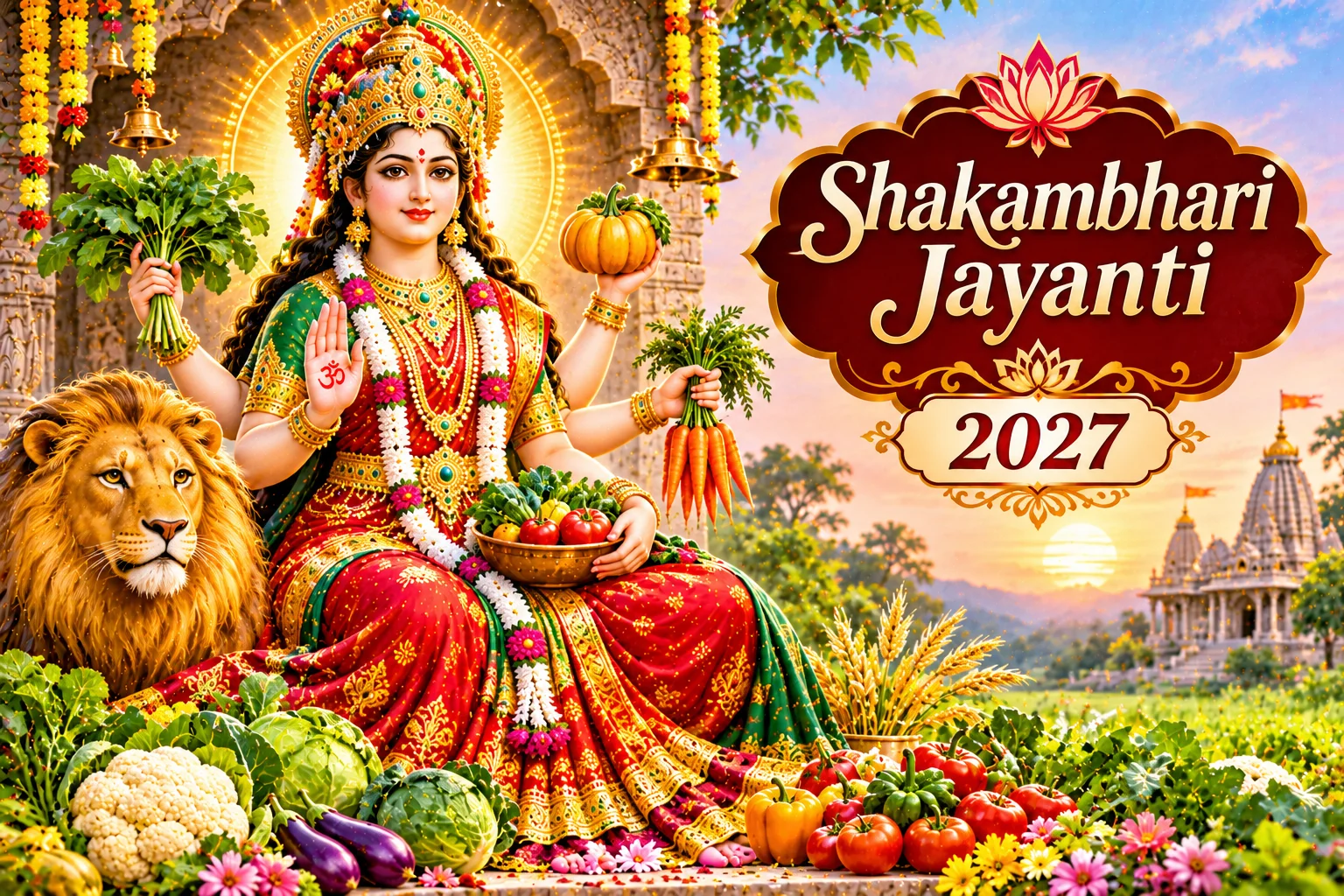
Masik Durgashtami, also known as Maas Durgashtami or Monthly Durga Ashtami, is a Hindu monthly vrata dedicated to Goddess Durga. It is observed on the Ashtami Tithi, the eighth lunar day of Shukla Paksha, during every Hindu lunar month.
The word Masik means monthly, while Durgashtami refers to the eighth lunar day dedicated to the worship of Goddess Durga. This observance provides devotees with a regular opportunity to worship the Divine Mother and seek her blessings for courage, protection, strength, prosperity, and spiritual well-being.
Goddess Durga represents Shakti, the divine feminine power that protects the universe and destroys negative forces. She is worshipped as the embodiment of strength, compassion, courage, righteousness, and the victory of good over evil.
On Masik Durgashtami, devotees traditionally wake up early, take a ritual bath, clean their puja area, and worship Maa Durga with red flowers, kumkum, fruits, sweets, incense, and a lit diya. Many devotees observe a fast and spend the day reciting Durga mantras, Durga Chalisa, Devi Kavach, or passages from the Durga Saptashati.
The monthly observance is distinct from Maha Durgashtami, which is celebrated during Chaitra Navratri and Sharad Navratri. Although the monthly and Navratri observances share the same connection with Shukla Paksha Ashtami, the scale and regional customs of the celebrations may differ.
Masik Durgashtami encourages devotees to develop inner strength, overcome fear, maintain discipline, and cultivate devotion. It reminds people that divine strength is accompanied by compassion, righteousness, patience, and the courage to stand against injustice.
Why is Masik Durgashtami Celebrated?
Masik Durgashtami is celebrated to worship Goddess Durga and honour the divine feminine energy known as Shakti. Devotees believe that sincere prayers and devotional practices on Shukla Paksha Ashtami help them develop courage, overcome difficulties, and seek the protection and blessings of the Divine Mother.
The observance also provides a monthly opportunity for spiritual discipline through fasting, prayer, mantra chanting, reading sacred texts, and charitable activities.
To worship Goddess Durga: The primary purpose is to offer devotion to Maa Durga, the divine mother who represents strength, protection, compassion, and righteousness.
To seek divine protection: Devotees pray for protection from difficulties, fear, harmful influences, and negative circumstances.
To develop courage and inner strength: Worshipping Durga symbolises the power to face challenges, overcome obstacles, and remain firm in the path of righteousness.
To honour Shakti: The observance recognises the divine feminine energy that sustains, protects, and transforms the universe.
To remove negativity: Devotees pray for freedom from negative thoughts, destructive habits, fear, anger, and harmful tendencies.
To seek family well-being: Families worship Maa Durga for peace, good health, harmony, prosperity, and the welfare of loved ones.
To practise self-discipline: Fasting, prayer, and devotional activities encourage control over desires, patience, concentration, and spiritual discipline.
To receive spiritual guidance: Reciting Durga Saptashati, Durga Chalisa, and Devi mantras helps devotees deepen their understanding of divine strength and devotion.
To strengthen faith: Observing the vrata every month provides a regular opportunity to reconnect with the Divine Mother and maintain a devotional routine.
History and Origins of Masik Durgashtami
The Ancient Tradition of Shakti Worship
The worship of Shakti has a significant place in Hindu religious traditions. Shakti represents the divine feminine power responsible for creation, preservation, and transformation. Goddess Durga is one of the principal manifestations of this supreme divine energy.
The traditions of Goddess worship developed through Vedic, Puranic, and Tantric streams of Hindu spirituality. The Divine Mother is revered in many forms, including Durga, Parvati, Kali, Lakshmi, Saraswati, and the various manifestations of the Navadurga.
Durga is especially associated with protection, courage, the destruction of evil, and the restoration of dharma. Her worship reflects the belief that divine power protects the righteous and removes forces that disturb cosmic and social harmony.
Masik Durgashtami continues this tradition by providing a monthly occasion for devotees to honour Goddess Durga on Shukla Paksha Ashtami.
The Significance of Ashtami Tithi
Ashtami is the eighth Tithi of a lunar fortnight. Every Hindu lunar month contains a Shukla Paksha Ashtami and a Krishna Paksha Ashtami.
Masik Durgashtami specifically refers to the Ashtami occurring during Shukla Paksha, the bright fortnight that begins after Amavasya and progresses towards Purnima.
Shukla Paksha is traditionally associated with increasing lunar illumination. In devotional traditions, the Ashtami Tithi of this fortnight is considered an important occasion for worshipping Goddess Durga and invoking Shakti.
The monthly observance ensures that devotees can worship the Divine Mother throughout the year rather than limiting their devotion to the major Navratri festivals.
The Legend of Goddess Durga and Mahishasura
One of the most important stories associated with Goddess Durga is her battle against the demon Mahishasura. The story is narrated in the Devi Mahatmya, which forms part of the Markandeya Purana.
Spiritual Significance of Masik Durgashtami
Worship of Adi Shakti
Masik Durgashtami is dedicated to the worship of Shakti, the supreme divine feminine energy. Goddess Durga represents the power that creates, protects, and transforms the universe.
The Divine Mother is worshipped as a source of courage, wisdom, compassion, and protection. Her many forms express different aspects of divine strength and the ability to overcome destructive forces.
Through monthly worship, devotees seek to develop devotion and recognise the presence of divine energy in all aspects of life.
Victory of Good Over Evil
The story of Goddess Durga defeating Mahishasura is a central symbol of the victory of righteousness over evil.
Mahishasura represents arrogance, uncontrolled desires, ignorance, and destructive tendencies. Goddess Durga represents divine wisdom, courage, discipline, and the strength required to overcome such forces.
Masik Durgashtami reminds devotees that negative qualities can be overcome through faith, self-control, righteous action, and spiritual awareness.
Protection and Fearlessness
Goddess Durga is traditionally worshipped as a protective mother who safeguards her devotees from difficulties and harmful influences.
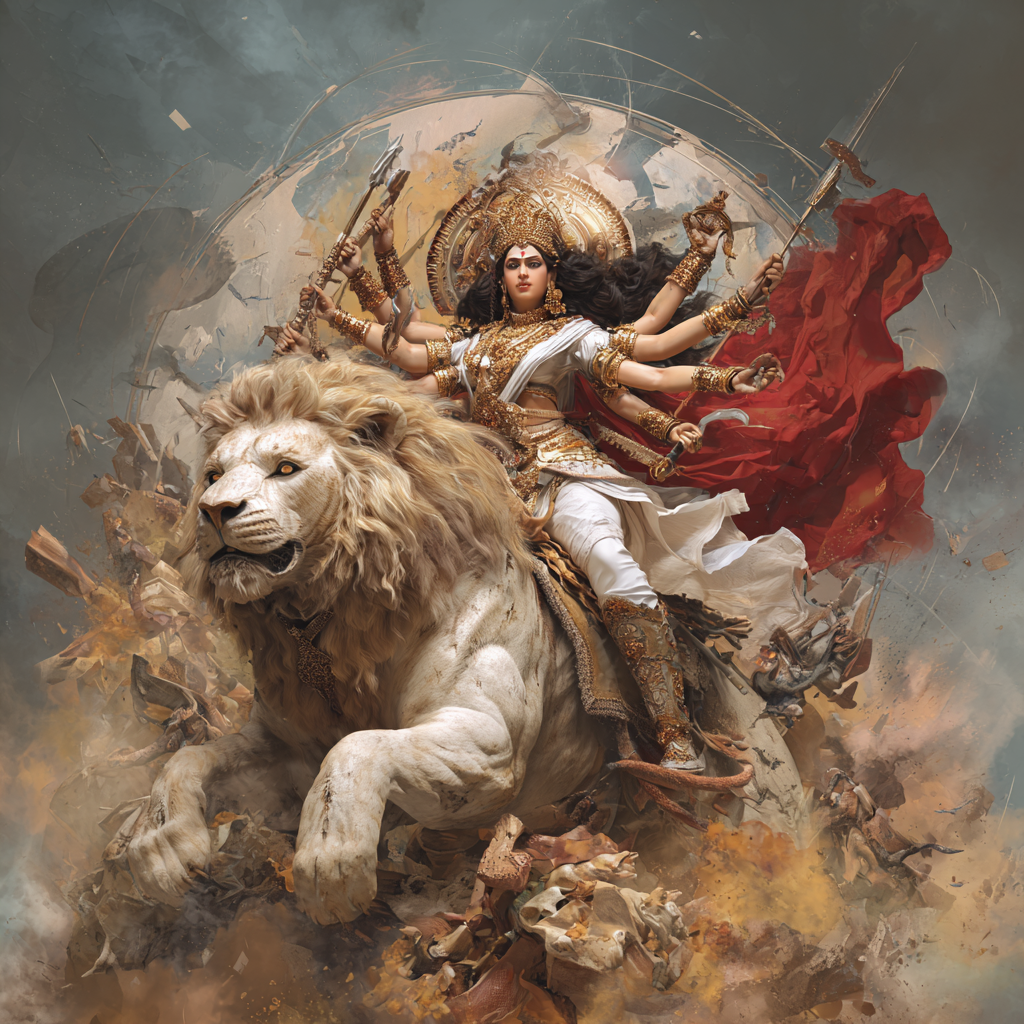
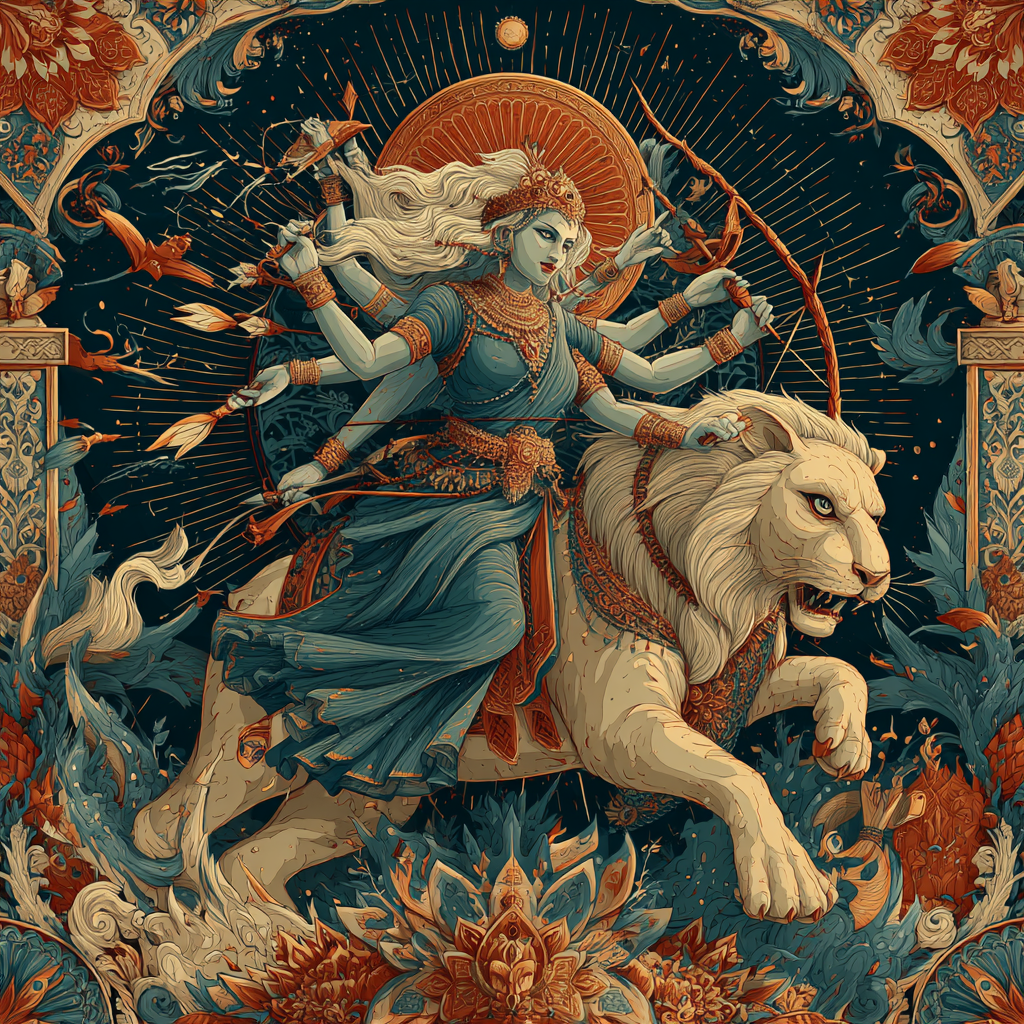
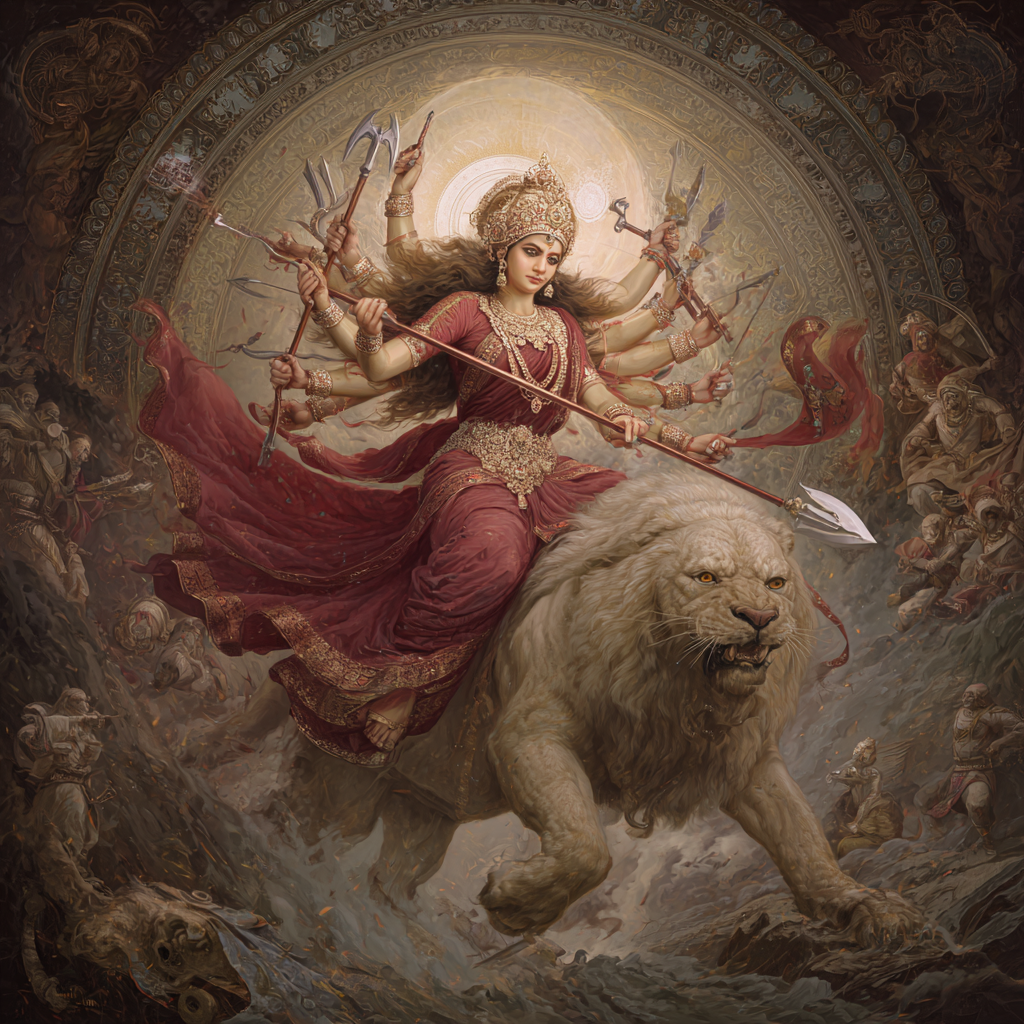
Her image carrying divine weapons symbolises the strength to confront challenges and protect what is righteous. Her compassionate expression reminds devotees that divine power is also a source of comfort and reassurance.
Devotees pray for fearlessness, confidence, mental strength, and the ability to face difficult situations with patience and determination.
Importance of Shukla Paksha Ashtami
How Masik Durgashtami Is Celebrated
Masik Durgashtami is generally celebrated through household puja, fasting, mantra chanting, devotional reading, and charity. The exact rituals vary according to family traditions and regional customs. The main focus is sincere worship of Goddess Durga.
1. Wake Up Early and Take a Holy Bath
Devotees traditionally wake up early and complete their morning routine.
A ritual bath is taken as a symbol of physical and spiritual cleanliness.
Clean clothes are worn, and many devotees prefer red, yellow, orange, or other auspicious colours.
The home and puja area are cleaned before beginning the worship.
2. Prepare the Durga Puja Area
A clean platform or altar is prepared for Goddess Durga. An image or idol of Maa Durga is placed on a clean cloth, traditionally red in many households.
The puja area may be decorated with flowers, a diya, incense, and traditional decorations. Devotees arrange kumkum, akshat, fruits, sweets, and other offerings before beginning the puja.
3. Take a Sankalpa
Before beginning the worship, devotees may take a sankalpa, or devotional resolve, to observe Masik Durgashtami with sincerity.
The devotee mentally expresses the intention to worship Goddess Durga and seek her blessings for courage, protection, good health, family well-being, and spiritual progress.
A simple personal prayer is sufficient for household worship. Formal Sanskrit sankalpa procedures may vary according to family and priestly traditions.
4. Perform Kalasha Sthapana if Practised
Masik Durgashtami Puja Vidhi (Step by Step)
1
Clean the House and Puja Area
Clean the home and prepare a peaceful place for worship. Place a clean cloth, preferably red according to household tradition, on the puja platform and arrange an image or idol of Goddess Durga.
2
Take a Ritual Bath
Wake up early and take a bath. Wear clean clothes and prepare the puja materials with a peaceful and devotional mindset.
3
Arrange the Puja Samagri
Keep flowers, kumkum, sandalwood paste, akshat, fruits, coconut, incense, a diya, ghee, sweets, and clean water ready. Arrange all the offerings on a clean puja plate.
4
Take a Sankalpa
Sit before Goddess Durga and take a devotional resolve to observe Masik Durgashtami. Pray for courage, protection, health, prosperity, and spiritual progress.
5
Perform Kalasha Sthapana if Desired
If followed in your household tradition, establish a kalasha using a clean vessel filled with water. Decorate it with mango leaves, a coconut, and other traditional items. This step is optional for simple monthly worship.
Masik Durgashtami Puja Samagri List
Main Durga Puja Samagri
Image or idol of Goddess Durga
Clean red puja cloth
Flowers, especially red flowers or hibiscus
Kumkum
Sandalwood paste
Akshat (unbroken rice grains)
Fresh fruits
Coconut
Betel leaves
Betel nuts
Clean water
Puja plate
Small water vessel
Diya and Aarti Samagri
Diya
Cotton wicks
Ghee or suitable diya oil
Incense sticks
Camphor
Aarti plate
Small bell
Flowers for aarti
Kalasha Sthapana Samagri
Mantras and Prayers for Masik Durgashtami
Durga Beej Mantra
ॐ दुं दुर्गायै नमः॥
Om Dum Durgayai Namah.
Simple Meaning: Salutations to Goddess Durga, the divine mother who protects her devotees, removes fear, and grants courage and strength.
Navarna Mantra
ॐ ऐं ह्रीं क्लीं चामुण्डायै विच्चे॥
Om Aim Hreem Kleem Chamundayai Vichche.
A sacred mantra associated with the Divine Mother in her Chamunda form. Its traditional interpretation invokes divine wisdom, Shakti, protection, and the destruction of negative forces.
Masik Durgashtami Vrat Rules and Fasting Guidelines
Observing the Masik Durgashtami Vrat
Masik Durgashtami is traditionally observed through fasting and worship of Goddess Durga. Devotees may choose a complete fast, a partial fast, or a fruit-based fast according to their health, personal capacity, and family tradition.
There is no single fasting method that is compulsory for every devotee. The central purpose is devotion, self-discipline, purity of intention, and remembrance of the Divine Mother.
Traditional Fasting Practices
Begin the day with a ritual bath and prayers to Goddess Durga.
Take a devotional resolve to observe the vrata sincerely.
Some devotees consume only fruits, milk, and permitted vrat foods.
Some devotees observe a partial fast and eat a satvik meal.
Avoid non-vegetarian food according to the traditional observance.
Many households avoid onion and garlic during the vrata.
Drink sufficient water if the chosen fasting method permits it.
Break the fast according to family tradition after completing the prescribed worship.
Spiritual Discipline During the Vrat
Maintain a peaceful and devotional mindset.
Recite Durga mantras or read devotional texts.
Avoid unnecessary arguments, anger, and harmful speech.
Dos and Don'ts of Masik Durgashtami
Good Practices (Do's)
Begin the observance with a clean body, peaceful mind, and sincere devotion.
Worship Goddess Durga with flowers, kumkum, incense, and a lit diya.
Offer red flowers or hibiscus according to household tradition.
Recite Durga mantras, Durga Chalisa, or devotional prayers.
Read or listen to Durga Saptashati if possible.
Observe fasting according to personal health and family tradition.
Masik Durgashtami Across Regions
Region
Local Name
North India
Masik Durgashtami
Uttar Pradesh
Maas Durgashtami
Rajasthan
Masik Durgashtami
Gujarat
Durga Ashtami
Maharashtra
Masik Durga Ashtami
West Bengal
Durga Ashtami
Bihar
Masik Durgashtami
Madhya Pradesh
Masik Durga Ashtami
Himachal Pradesh
Durga Ashtami
Jammu and Kashmir
Masik Durgashtami
South India
Durga Ashtami
Tamil Nadu
Durga Ashtami
Masik Durgashtami FAQs
What is Masik Durgashtami?
Masik Durgashtami is a monthly Hindu vrata dedicated to Goddess Durga. It is observed on Shukla Paksha Ashtami, the eighth lunar day of the waxing fortnight, in every Hindu lunar month. Devotees worship Maa Durga, observe fasting according to their capacity, and recite devotional prayers.
Why is Masik Durgashtami celebrated?
Masik Durgashtami is celebrated to honour Goddess Durga and seek her blessings for courage, protection, good health, prosperity, and spiritual growth. It is also an opportunity to practise fasting, mantra chanting, charity, and devotion.
When does Masik Durgashtami occur?
Masik Durgashtami occurs every month on the Ashtami Tithi of Shukla Paksha. Its Gregorian date changes according to the Hindu lunar calendar, so devotees should consult their regional Panchang for the correct observance.
Choose your favorite wallpaper for your phone and laptop and download it for free.
319
341
324
366
314
394
385
390
351
646
417
395
367
366
613
1.5K
645
955
478
599
To practise charity and compassion: Donating food, helping those in need, and respecting all living beings reflect the compassionate nature of Goddess Durga.
According to the traditional account, Mahishasura received a powerful boon that made him extremely difficult for the gods to defeat. Empowered by his strength, he began troubling the celestial beings and disturbing the balance of the universe.
Unable to defeat him individually, the gods united their divine energies. From their combined radiance emerged Goddess Durga, the supreme warrior form of the Divine Mother.
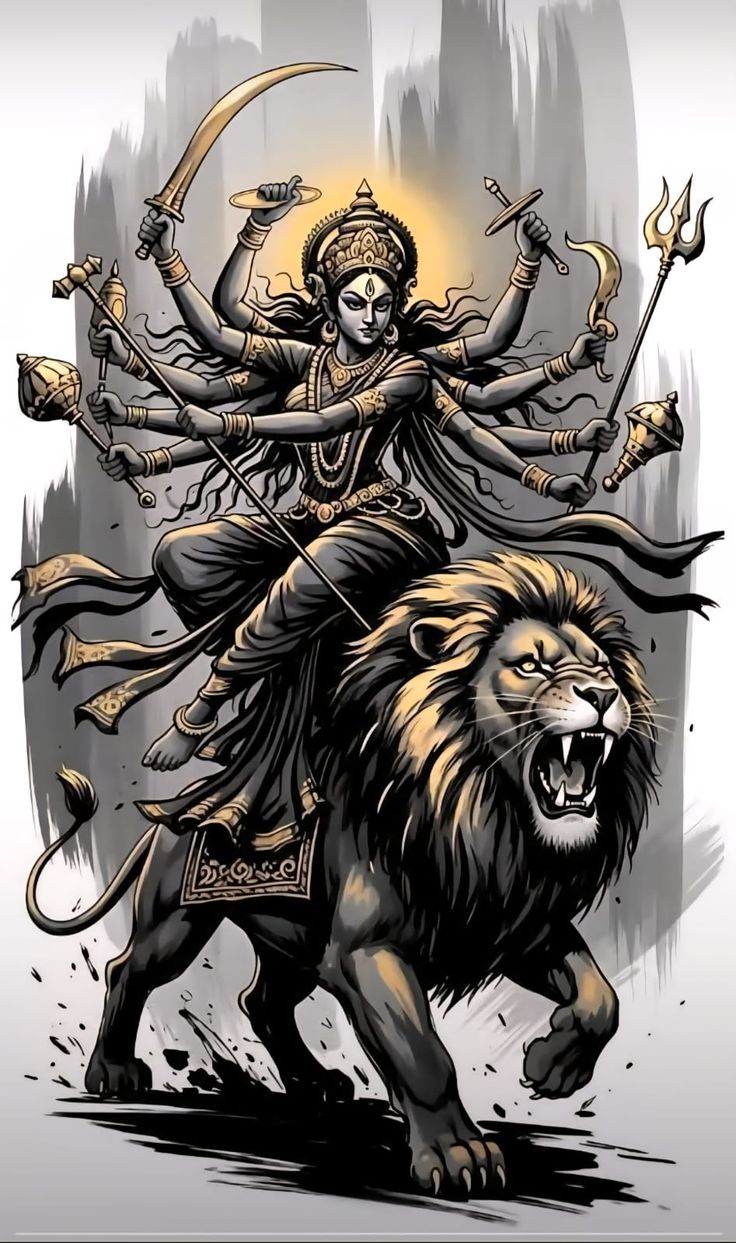
The gods offered her their divine weapons, including the trident, discus, sword, bow, and other instruments of protection. Seated upon a lion, Durga confronted Mahishasura and fought a fierce battle against him.
After a prolonged struggle, Goddess Durga defeated Mahishasura and restored balance to the universe. This victory represents the triumph of righteousness over arrogance, ignorance, injustice, and destructive forces.
The story is central to the worship of Durga and provides the spiritual foundation for many Durga-related observances. Masik Durgashtami allows devotees to remember this divine power and seek the strength to overcome difficulties in their own lives.
The Legend of Goddess Durga and Shumbha-Nishumbha
Another important account of the Divine Mother's power appears in the Devi Mahatmya through the story of the demons Shumbha and Nishumbha.
According to the narrative, Shumbha and Nishumbha became powerful and began challenging the authority of the gods. They sought to control the celestial world and disturb the established order.
Goddess Durga manifested her divine power to confront the demons. Different forms of the Divine Mother appeared during the battle, demonstrating that Shakti could assume many forms to protect the universe.
Through her divine strength, Durga defeated the destructive forces represented by Shumbha and Nishumbha. The story symbolises the destruction of pride, greed, arrogance, and the misuse of power.
Devotees remember these stories during Durga worship as reminders that truth, courage, and divine strength ultimately overcome injustice.
The Relationship Between Masik Durgashtami and Navratri
Masik Durgashtami is observed on Shukla Paksha Ashtami during every lunar month. It is part of the regular monthly tradition of worshipping Goddess Durga.
The Ashtami observed during Chaitra Navratri and Sharad Navratri is particularly significant and is commonly known as Maha Ashtami or Durga Ashtami. These occasions are associated with more elaborate worship, regional celebrations, and special devotional practices.
During Navratri, the worship of the Goddess may include the Navadurga forms, elaborate puja arrangements, special offerings, and Kanya Puja according to regional traditions.
Monthly Durgashtami is generally observed through simpler household worship, fasting, mantra chanting, and prayers. However, devotees may perform more elaborate rituals according to their family traditions.
The Tradition of Durga Vrata
Fasting and devotional worship are important parts of the Masik Durgashtami tradition. Devotees may observe a complete fast, a partial fast, or a fruit-based fast depending on their health, capacity, and family customs.
During the observance, devotees worship Goddess Durga, offer flowers and fruits, light a diya, recite sacred prayers, and listen to or read accounts of the Divine Mother's victories.
Some devotees also perform Kanya Puja, in which young girls are respectfully honoured as manifestations of the Divine Mother. This practice is especially prominent during Navratri, although some households include it in their monthly Durgashtami observance.
The vrata emphasises devotion, discipline, purity of intention, compassion, and the cultivation of positive qualities.
The Continuing Importance of Masik Durgashtami
Masik Durgashtami remains an important devotional observance for devotees of Goddess Durga. It allows families and individuals to maintain a regular connection with Shakti through prayer and worship.
Temples may organise special Durga puja, devotional singing, recitation of sacred texts, and distribution of prasad. At home, devotees generally follow simple rituals according to their family traditions.
The observance continues to preserve the spiritual teachings associated with Goddess Durga, particularly courage, protection, compassion, righteousness, and the victory of good over evil.
Masik Durgashtami falls on the eighth lunar day of Shukla Paksha. This Tithi is traditionally regarded as an important occasion for Shakti worship.
The waxing fortnight represents increasing lunar illumination and is symbolically associated with growth and positive development in many Hindu traditions.
Observing Durga Puja on Ashtami allows devotees to maintain a regular devotional connection with the Divine Mother throughout the lunar year.
Spiritual Purification Through Fasting
Fasting is a traditional part of Masik Durgashtami for many devotees. It encourages self-discipline, control over desires, and greater concentration on prayer.
A vrata is not limited to avoiding food. It also involves maintaining purity of thought, speaking truthfully, avoiding harmful behaviour, and practising compassion.
The spiritual purpose of fasting is to strengthen devotion and self-control rather than to cause physical hardship.
The Significance of Red Flowers
Red flowers, especially hibiscus, are commonly offered to Goddess Durga during worship. Red is traditionally associated with Shakti, courage, energy, and auspiciousness.
Offering flowers symbolises respect, surrender, and devotion. The act also reminds devotees to cultivate purity of intention and positive qualities.
The Importance of Mantra Chanting
Reciting Durga mantras and sacred hymns is an important part of the observance. Devotees commonly chant Om Dum Durgayai Namah and the Navarna Mantra according to their devotional tradition.
The repetition of divine names helps focus the mind, strengthen faith, and create a disciplined atmosphere for worship.
Reading Durga Saptashati, Durga Chalisa, Devi Kavach, and other devotional texts allows devotees to reflect on the qualities and victories of the Divine Mother.
Kanya Puja and Respect for the Divine Feminine
Kanya Puja is a devotional practice in which young girls are honoured as symbolic manifestations of the Divine Mother. It expresses respect for feminine power, purity, dignity, and the nurturing nature of Shakti.
During the ritual, girls may be welcomed respectfully, offered food, and given small gifts according to family tradition.
Kanya Puja is especially prominent during Chaitra and Sharad Navratri. Some families also perform it on monthly Durgashtami, but it is not compulsory for every household.
Compassion, Charity, and Service
The worship of Goddess Durga encourages devotees to practise compassion and help people who are in need.
Donating food, supporting vulnerable families, feeding the hungry, and respecting all living beings are meaningful ways to express devotion.
The protective nature of the Divine Mother reminds devotees that spiritual strength should be used to support others and stand against injustice.
Inner Transformation and Self-Confidence
Masik Durgashtami is also an opportunity for personal reflection and inner transformation.
Devotees may use the observance to recognise negative habits, overcome fear, develop discipline, and cultivate qualities such as courage, patience, honesty, and compassion.
The deeper message of Durga worship is that true strength is not merely physical power. It is the ability to remain truthful, protect others, overcome harmful tendencies, and follow the path of dharma.
Some devotees establish a kalasha as part of their Durga Puja. A clean vessel is filled with water and decorated according to household tradition.
Mango leaves, a coconut, flowers, and sacred threads may be used. The kalasha symbolises auspiciousness and the presence of divine blessings.
Kalasha Sthapana is optional for a simple monthly household Durgashtami puja and is not required in every tradition.
5. Offer Prayers to Goddess Durga
Devotees offer flowers, kumkum, sandalwood paste, akshat, incense, and a lit diya to Maa Durga.
Red hibiscus and other fresh flowers are commonly used. Fruits, coconut, sweets, and other vegetarian preparations may be offered as bhog.
Prayers are offered for protection, courage, prosperity, health, and the well-being of the family.
6. Chant Durga Mantras
Mantra chanting is an important devotional practice on Masik Durgashtami. Devotees may chant Om Dum Durgayai Namah or the Navarna Mantra according to their tradition.
Some devotees repeat the chosen mantra 11, 21, or 108 times. The number of repetitions depends on personal practice and is not a universal compulsory rule.
The Durga Chalisa, Durga Ashtottara Shatanamavali, or other devotional prayers may also be recited.
7. Read Durga Saptashati or Durga Chalisa
Devotees may read or listen to the Durga Saptashati, also known as Devi Mahatmya or Chandi Path, which narrates the victories and divine manifestations of Goddess Durga.
Those who prefer a shorter devotional practice may recite the Durga Chalisa, Devi Kavach, Argala Stotram, or other prayers associated with the Divine Mother.
Reading sacred texts helps devotees reflect on the importance of courage, devotion, righteousness, and divine protection.
8. Observe the Durgashtami Vrat
Many devotees observe a fast during Masik Durgashtami. Depending on personal capacity and family tradition, the fast may involve avoiding regular meals, consuming fruits and milk, or following a satvik vrat diet.
Some devotees observe a stricter fast, while others choose a partial fast for health-related or personal reasons.
The emphasis should remain on devotion, discipline, and purity of intention rather than physical hardship.
9. Prepare and Offer Bhog
Devotees prepare traditional vegetarian offerings such as fruits, coconut, kheer, halwa, puri, sweets, and other satvik foods.
The prepared bhog is offered to Goddess Durga with prayers before being distributed as prasad.
Specific offerings vary by region and household tradition.
10. Perform Evening Aarti
In the evening, devotees light a diya and perform aarti for Maa Durga. Traditional aartis such as Jai Ambe Gauri may be sung.
Family members may participate in the prayer and conclude the worship by offering flowers and seeking the blessings of the Divine Mother.
11. Perform Kanya Puja if Followed
Some families perform Kanya Puja by respectfully inviting young girls and honouring them as symbolic manifestations of the Goddess.
The girls may be offered a traditional meal, sweets, fruits, and small gifts. Their blessings are received with respect.
Kanya Puja is especially associated with Navratri Ashtami and Navami. During monthly Durgashtami, it remains an optional family or regional practice.
12. Donate Food and Help Those in Need
Charity is a meaningful part of Durga worship. Devotees may donate food, clothes, grains, or other necessities to people in need.
Feeding the hungry, supporting vulnerable families, and helping others reflect the compassionate and protective nature of the Divine Mother.
6
Light the Diya and Incense
Light a ghee or oil diya and incense sticks before the Goddess. Offer a prayer for peace, purity, and the removal of negative thoughts.
7
Offer Flowers and Kumkum
Offer red flowers, especially hibiscus if available, along with kumkum, sandalwood paste, and akshat. These offerings express devotion and reverence towards Maa Durga.
8
Offer Fruits and Bhog
Offer fruits, coconut, sweets, kheer, halwa, or other vegetarian preparations according to family tradition. Place the offerings before the Goddess with a prayerful intention.
9
Chant Durga Mantras
Recite Om Dum Durgayai Namah or the Navarna Mantra. Devotees may repeat the mantra 11, 21, or 108 times according to their devotional practice.
10
Read Durga Chalisa or Durga Saptashati
Read or listen to the Durga Chalisa, Durga Saptashati, Devi Mahatmya, or another devotional text associated with Goddess Durga. Reflect on the Divine Mother's courage and victory over evil.
11
Perform Durga Aarti
Perform aarti using a lit diya and sing a traditional Durga aarti such as Jai Ambe Gauri. Offer prayers for family well-being, protection, and prosperity.
12
Perform Kanya Puja if Practised
Families who follow this custom may invite young girls, honour them respectfully, and offer food, sweets, and small gifts. Kanya Puja is optional during monthly Durgashtami.
13
Perform Daan and Charity
Donate food, grains, clothes, or other useful necessities to people in need. Helping others is a meaningful expression of devotion and compassion.
14
Distribute Prasad and Conclude the Puja
Distribute the offered food as prasad among family members. Conclude with a prayer to Goddess Durga for courage, wisdom, peace, and the strength to follow the path of righteousness.
Simple Meaning: Salutations to the Divine Mother who is the most auspicious among all auspicious beings, who fulfils righteous aspirations, and who offers refuge to those who seek her protection.
Ya Devi Sarvabhuteshu
या देवी सर्वभूतेषु शक्तिरूपेण संस्थिता। नमस्तस्यै नमस्तस्यै नमस्तस्यै नमो नमः॥
Ya Devi Sarvabhuteshu Shaktirupena Samsthita, Namastasyai Namastasyai Namastasyai Namo Namah.
Simple Meaning: Repeated salutations to the Goddess who exists in all living beings in the form of divine power.
Sarve Bhavantu Sukhinah Sarve Santu Niramayah, Sarve Bhadrani Pashyantu Ma Kashchid Duhkhabhag Bhavet.
Simple Meaning: May everyone be happy, may everyone be free from illness, may everyone experience goodness, and may no one suffer. This universal prayer expresses the spirit of compassion and well-being.
Practise honesty, patience, compassion, and self-control.
Avoid intentionally harming any living being.
Help people in need and perform charitable activities.
Spend time in prayer, meditation, and spiritual reflection.
Foods Commonly Preferred During Fasting
Fresh fruits
Milk
Curd
Dry fruits
Sabudana preparations
Makhana
Potatoes
Sweet potatoes
Kuttu preparations where permitted
Singhara flour preparations where permitted
Vrat-friendly sweets
Kanya Puja and Charity
Some families perform Kanya Puja during Durgashtami. Young girls are respectfully welcomed and offered food, sweets, and gifts as symbolic representations of the Divine Mother. This practice is particularly prominent during Navratri and is optional during monthly Durgashtami.
Donate food and essential items to people in need.
Offer meals to children or vulnerable families.
Share fruits, sweets, or prasad with others.
Respect women and girls and treat everyone with dignity.
Perform charity without expecting recognition or reward.
Health and Personal Considerations
Fasting should be adapted to individual health and physical capacity. People who are ill, pregnant, elderly, taking regular medication, or otherwise unable to fast should not undertake restrictive fasting without appropriate medical guidance. Devotion and sincere prayer do not require physical hardship.
Maintain a satvik diet if following a vrat.
Practise patience, truthfulness, compassion, and self-discipline.
Offer fruits, coconut, sweets, and vegetarian bhog to the Goddess.
Perform aarti and distribute prasad among family members.
Perform Kanya Puja if it is part of your family tradition.
Donate food, clothes, or essential items to people in need.
Respect women and girls and recognise the dignity of every person.
Pray for the well-being of family members and all living beings.
Things to Avoid (Don'ts)
Do not assume that every devotee must observe a strict or waterless fast.
Do not force anyone to fast against their health or personal circumstances.
Avoid non-vegetarian food if following the traditional satvik observance.
Avoid onion and garlic if required by your household's vrat tradition.
Do not engage in unnecessary arguments, anger, or harmful speech.
Do not intentionally harm animals or other living beings.
Do not treat fasting as more important than sincere devotion and good conduct.
Do not waste food or prasad.
Do not perform Kanya Puja without the consent and respectful participation of children and their guardians.
Do not force a particular ritual or regional custom on other devotees.
Do not make unsupported claims about guaranteed material benefits from a particular ritual.
Do not neglect health, hydration, or necessary medication while fasting.
Karnataka
Durga Ashtami
Nepal
Durga Ashtami
Which deity is worshipped on Masik Durgashtami?
Goddess Durga, the Divine Mother and embodiment of Shakti, is the principal deity worshipped on Masik Durgashtami. Devotees seek her blessings for protection, courage, strength, and well-being.
Is Masik Durgashtami observed every month?
Yes. Masik Durgashtami is observed on Shukla Paksha Ashtami during every Hindu lunar month. If an additional lunar month occurs, an additional Shukla Paksha Ashtami may also be observed according to the applicable calendar.
What is the difference between Masik Durgashtami and Maha Durgashtami?
Masik Durgashtami is the monthly observance of Shukla Paksha Ashtami. Maha Durgashtami, also known as Maha Ashtami, is the particularly important Ashtami during Chaitra or Sharad Navratri. Maha Ashtami is generally celebrated with more elaborate rituals and regional festivities.
What is the significance of Shukla Paksha Ashtami?
Shukla Paksha Ashtami is traditionally considered an important day for worshipping Goddess Durga and invoking Shakti. It is associated with devotion, divine protection, courage, and the victory of righteousness over negative forces.
Which colour is associated with Masik Durgashtami?
Red is commonly associated with Goddess Durga because it symbolises Shakti, energy, courage, and auspiciousness. Many devotees use red clothes, flowers, and decorations during worship, although other colours may be used according to family tradition.
Which flowers should be offered to Goddess Durga?
Red flowers, especially hibiscus, are commonly offered to Goddess Durga. Devotees may also offer roses, marigolds, and other fresh flowers according to availability and household customs.
Which mantra should be chanted on Masik Durgashtami?
A commonly recited mantra is Om Dum Durgayai Namah. Devotees may also chant the Navarna Mantra, Om Aim Hreem Kleem Chamundayai Vichche, and the Sarva Mangala Mangalye prayer according to their devotional tradition.
How many times should the Durga mantra be chanted?
Many devotees chant their chosen Durga mantra 11, 21, or 108 times. The number of repetitions depends on personal practice and tradition; sincere devotion and concentration are more important than a compulsory count.
Is fasting compulsory on Masik Durgashtami?
Fasting is a traditional practice but is not compulsory for every devotee. People may observe a complete fast, partial fast, or fruit-based fast according to their health and family customs. Sincere worship and good conduct are central to the observance.
What foods can be eaten during Masik Durgashtami vrat?
Depending on family tradition, devotees may consume fruits, milk, curd, dry fruits, sabudana, makhana, potatoes, sweet potatoes, and preparations made using vrat-friendly flours. The permitted foods vary according to regional and household customs.
Can water be consumed during the Durgashtami fast?
Yes. Many devotees observe a partial or fruit-based fast that permits water. Some follow stricter fasting traditions, but fasting should always be adapted to personal health and physical capacity.
Can Masik Durgashtami puja be performed at home?
Yes. Devotees can perform simple Masik Durgashtami worship at home by cleaning the puja area, placing an image of Goddess Durga, offering flowers and fruits, lighting a diya, chanting mantras, and performing aarti.
Is Kanya Puja necessary on every Masik Durgashtami?
No. Kanya Puja is not compulsory on every monthly Durgashtami. It is especially associated with Maha Ashtami and Navami during Navratri. Some families also perform it on monthly Durgashtami according to their traditions.
Can Durga Saptashati be recited on Masik Durgashtami?
Yes. Devotees may read or listen to the Durga Saptashati, also known as Devi Mahatmya or Chandi Path, as part of their worship. Those who prefer shorter prayers may recite Durga Chalisa or other devotional hymns.
What bhog is offered to Goddess Durga?
Common offerings include fruits, coconut, kheer, halwa, puri, sweets, milk, and dry fruits. The exact bhog varies according to regional customs and family traditions.
Why are red flowers offered to Maa Durga?
Red flowers symbolise Shakti, divine energy, courage, and auspiciousness. Offering them expresses devotion and reverence towards Goddess Durga.
What is the benefit of observing Masik Durgashtami?
Devotees believe that observing Masik Durgashtami with sincere devotion encourages courage, discipline, spiritual awareness, and faith in the protection of Goddess Durga. It also provides a regular opportunity to practise prayer, self-control, and charity.
Can women observe Masik Durgashtami vrat?
Yes. Women and men may both observe Masik Durgashtami according to their beliefs and family traditions. Fasting and worship should be adapted to individual health and circumstances.
What should be done after completing the Durgashtami puja?
After puja, devotees perform aarti, offer prayers, distribute prasad, and may donate food or other necessities to people in need. The fast is concluded according to the family's chosen observance.
Is Masik Durgashtami the same as Durga Ashtami during Navratri?
Both observances fall on Shukla Paksha Ashtami and are dedicated to Goddess Durga. However, Masik Durgashtami is the monthly observance, whereas Durga Ashtami during Navratri is a major annual celebration with more elaborate regional rituals.
Can Masik Durgashtami be observed during Adhika Maas?
Yes. When an additional lunar month occurs, its Shukla Paksha Ashtami may also be observed as an additional monthly Durgashtami according to the relevant Panchang and family tradition.
What is the spiritual message of Masik Durgashtami?
The spiritual message of Masik Durgashtami is to develop courage, overcome negative tendencies, protect righteousness, practise compassion, and maintain faith in the Divine Mother. It reminds devotees that true strength should be guided by wisdom and kindness.
What is the origin of Masik Durgashtami?
Masik Durgashtami is rooted in the broader Hindu tradition of Shakti worship and the association of Shukla Paksha Ashtami with Goddess Durga. It provides a monthly occasion to honour the Divine Mother through fasting, puja, mantra chanting, and devotional reading.
Which Hindu scripture describes the victory of Goddess Durga over Mahishasura?
The story of Goddess Durga defeating Mahishasura is narrated in the Devi Mahatmya, which forms part of the Markandeya Purana. The text describes the emergence of the Goddess through the combined divine energies of the gods and her victory over the demon.
Who was Mahishasura?
Mahishasura was a powerful demon in Hindu mythology who could assume the form of a buffalo. According to the Devi Mahatmya, he challenged the gods and disturbed the cosmic order. Goddess Durga defeated him and restored balance to the universe.
Why was Goddess Durga created?
According to the Devi Mahatmya, Goddess Durga emerged from the combined divine energies of the gods when they were unable to defeat Mahishasura. She was manifested to overcome the demon and restore righteousness and cosmic balance.
What is the story of Shumbha and Nishumbha?
Shumbha and Nishumbha were powerful demons who challenged the gods and sought to control the celestial world. Goddess Durga and her divine manifestations confronted them and defeated their forces. The story represents the destruction of arrogance, greed, and destructive power.
Why is Goddess Durga worshipped on Ashtami?
Shukla Paksha Ashtami is traditionally considered an important Tithi for Shakti worship. Devotees use this monthly occasion to honour Goddess Durga and remember her divine power, protection, and victory over evil.
What is the difference between Krishna Paksha Ashtami and Shukla Paksha Ashtami for Durga worship?
A lunar month has two Ashtami Tithis: one during Shukla Paksha and another during Krishna Paksha. Masik Durgashtami specifically refers to Shukla Paksha Ashtami. Other observances may be associated with Krishna Paksha Ashtami, but they should not be confused with the monthly Durga vrata.
What is the connection between Masik Durgashtami and Devi Mahatmya?
Devi Mahatmya is a sacred text describing the glory and victories of the Divine Mother. Its stories of Goddess Durga defeating Mahishasura and other destructive forces provide an important devotional foundation for Durga worship, including Masik Durgashtami.
What is the significance of the Navadurga forms?
Navadurga refers to nine manifestations of Goddess Durga traditionally worshipped during Navratri. These forms represent different qualities and aspects of the Divine Mother, including courage, purity, wisdom, compassion, protection, and spiritual strength.
Why is Maha Ashtami more elaborate than monthly Durgashtami?
Maha Ashtami occurs during the major Navratri celebrations and has developed into an important annual religious and cultural observance. It may include elaborate Durga Puja, special offerings, community celebrations, and Kanya Puja. Monthly Durgashtami generally follows simpler household or temple worship.
Is there one universally prescribed Masik Durgashtami vrat katha?
There is no single universally followed monthly Durgashtami vrat katha that is observed identically by every region and community. Devotees commonly remember the stories of Goddess Durga's victories from the Devi Mahatmya and follow their household or regional devotional traditions.
How has Masik Durgashtami been preserved in modern times?
Masik Durgashtami continues through household worship, temple observances, fasting, devotional recitation, and charitable activities. Families pass down their customs across generations, while devotional gatherings and digital access to sacred texts have made regular worship easier for many devotees.