




Dhanu Sankranti, observed with profound astrological, agricultural, and devotional significance across the Indian subcontinent, marks the momentous astronomical ingress (Sankramana) of Lord Surya—the divine Sun God—from the water sign of Vrishchika (Scorpio) into the fiery, sattvic zodiac sign of Dhanu (Sagittarius), ruled by the celestial preceptor Guru (Jupiter). Occurring in the sacred month of Margashirsha or early Pausha (mid-December), this celestial transition marks the beginning of the solar month of Dhanu Masa and initiates the celebrated period known as Kharmas or Malmas across northern and eastern India. Revering the life-giving solar luminary as the visible eye of the Supreme Cosmic Being (Pratyaksha Devata), Dhanu Sankranti is dedicated to purifying the mind and body through sacred river snanam, Surya arghya, charitable donations, and intense scriptural study before the sun turns northward during Makar Sankranti.
Dhanu Sankranti 2026: Date, Puja Timings, Rituals & Stories
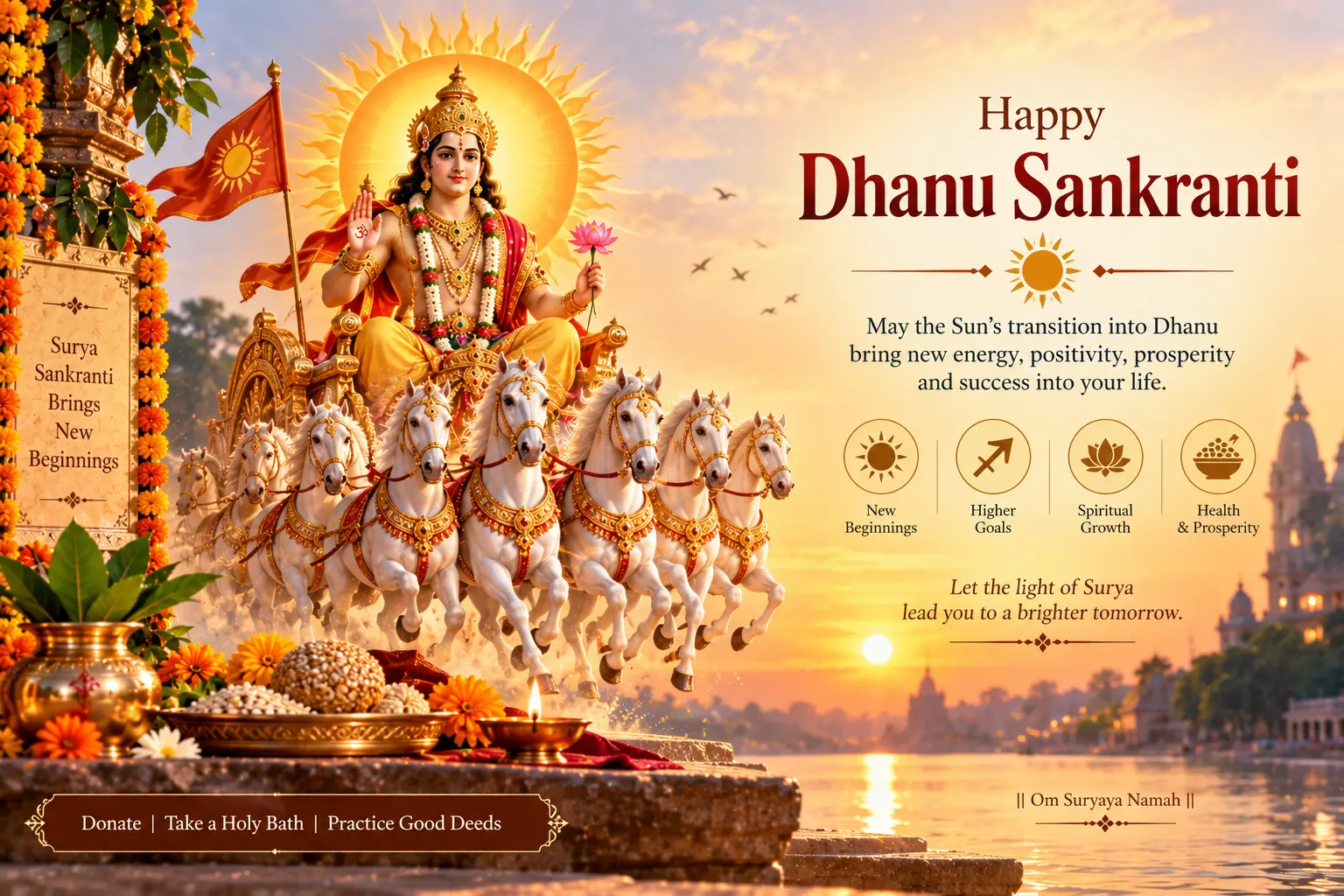
Dhanu Sankranti Timings & Panchang
Important festival dates and auspicious timings
07:07 am
05:27 pm
Wednesday, 16 Dec 2026
09:19 pm – 10:46 pm
Dhanu Sankranti
The divine scriptural origin and spiritual sanctity of Dhanu Sankranti are extolled across the Matsya Purana, the Bhavishya Purana, the Skanda Purana, and the Surya Samhita. According to Vedic solar astrology, when the Sun enters the home of Brihaspati (Jupiter), its dynamic worldly creative potency turns inward toward spiritual illumination, ascetic contemplation, and philosophical wisdom. Consequently, while worldly sacraments (Kamyak Samskaras) such as human weddings, housewarming ceremonies (Griha Pravesha), and royal coronations are paused during the ensuing Kharmas month, spiritual activities—including mantra japa, pilgrimage, holy river bathing, charity (Dan), and temple worship—yield exponentially magnified spiritual merit. It is an ordained period for humanity to slow down external ambitions and recalibrate the soul's relationship with the eternal Divine.
Nowhere is Dhanu Sankranti celebrated with more breathtaking cultural fervor and devotional sweetness than in the state of Odisha, particularly at the monumental Jagannath Temple in Puri. In Odia tradition, Dhanu Sankranti marks the ceremonial offering of a special, cherished culinary preparation called 'Dhanu Muan'—crispy, fragrant popped unhusked paddy rice (Khai) bound with artisanal sugarcane jaggery, flavored with crushed black pepper, cardamom, cloves, ginger powder, and pure cow ghee, and garnished with fried coconut chips. At the Puri temple, Lord Jagannath, along with His siblings Balabhadra and Subhadra, is dressed in royal winter silks and offered thousands of earthen pots of Dhanu Muan, which is subsequently distributed among millions of ecstatic devotees as Mahaprasad.
Why is Dhanu Sankranti Celebrated?
Dhanu Sankranti is celebrated to commemorate the precise astronomical transition of Lord Surya into the ninth zodiac sign, Dhanu (Sagittarius), the celestial house of Jupiter (Brihaspati).
According to Vedic astrology and the Bhavishya Purana, it marks the beginning of Dhanu Masa and initiates the sacred period of Kharmas, dedicated to inward spiritual contemplation, mantra japa, and sensory restraint.
In Odisha, it is celebrated with supreme devotion at the Jagannath Temple in Puri through the offering of 'Dhanu Muan', an ancient sweet prepared from popped rice, jaggery, spices, and cow ghee.
It heralds the grand opening of the historic Bargarh Dhanu Yatra, the world's largest open-air theater festival reenacting Sri Krishna's pastimes in Mathura and the vanquishing of the demon king Kansa.
Devotees observe this holy day through pre-dawn holy river snanam, Surya arghya, and generous charity (Annadan and blanket distribution) to alleviate poverty, neutralize malefic planetary doshas, and attain longevity and health.
- Honoring the celestial ingress of Lord Surya into Dhanu Rashi (Sagittarius), the house of Jupiter.
- Initiating the introspective, spiritual month of Dhanu Masa and Kharmas for sacred study and meditation.
- Offering the traditional 'Dhanu Muan' delicacy to Lord Jagannath at the Puri temple and in Odia homes.
- Commencing the legendary Bargarh Dhanu Yatra celebrating the divine pastimes and victory of Bhagavan Sri Krishna.
- Purifying the physical body and spiritual aura through pre-dawn river bathing and Surya Arghya.
- Performing charitable distribution of warm clothing, sesame seeds, and food grains to the underprivileged.
The Astronomical and Scriptural Chronicle of Dhanu Sankranti: Solar Ingress, Puranic Legends, and the Bargarh Dhanu Yatra
The Solar Ingress into the House of Jupiter (Brihaspati)
In the ancient astronomical treatises of Aryabhata, Varahamihira, and the Surya Siddhanta, the movement of Lord Surya across the twelve constellations of the zodiac (Rashi Chakra) constitutes the fundamental heartbeat of cosmic time. Among the twelve annual Sankrantis, the ingress of the sun into Dhanu Rashi (Sagittarius) holds unique metaphysical prominence. Dhanu is a fiery sign ruled by Brihaspati (Jupiter)—the celestial Guru of the gods, representing higher wisdom, truth, Dharma, and unalloyed knowledge.
The Bhavishya Purana explains that when Lord Surya enters the abode of His spiritual preceptor Jupiter, He assumes a contemplative, sattvic demeanor. The solar rays, previously focused on material growth and external activity, become soft and introspective. In ancient times, the rishis counseled kings and householders to pause worldly ostentations and focus their minds on self-purification, Vedic study, and spiritual discourse throughout this solar transit.
The Origin of Kharmas and the Chariot of the Sun God
An ancient Puranic legend explains why the month following Dhanu Sankranti is called Kharmas (or Malmas). According to the Surya Purana, Lord Surya rides across the sky in a magnificent celestial chariot drawn by seven radiant green horses, representing the seven rays of the solar spectrum and the seven days of the week. Driven by the charioteer Aruna, the sun travels relentlessly without pausing for even a single second, maintaining the universal rhythm of time.
However, during His journey across the cosmos, the seven celestial horses became utterly exhausted, parched with thirst, and trembling from fatigue upon reaching the celestial water reservoir near the sign of Sagittarius. Compassionate and merciful, Lord Surya unharnessed His tired divine horses to allow them to drink and rest. In their place, He temporarily harnessed two donkeys (Khar) grazing nearby to pull His chariot for one month. Because donkeys move at a slow, uneven pace, the sun's forward speed slowed, and the month became known as 'Kharmas' (the month of the donkey). The rishis ordained that because the sun's energy is soft and unhurried during this period, humans should avoid fast-paced worldly enterprises and instead invest time in deep spiritual study and internal refinement.
Metaphysical Wisdom: Solar Illumination, Inward Contemplation, and Ayurvedic Winter Science
Surya as the Atmakaraka: Reconnecting with the Inner Light
In Vedic astrology (Jyotisha), the Sun (Surya) is the Atmakaraka—the natural significator of the individual soul, self-respect, willpower, and divine consciousness. The nine planets revolving around the sun mirror the human senses revolving around the indwelling Atman. When Surya enters Dhanu, the sign of Jupiter, it represents the alignment of the individual soul with divine preceptor wisdom (Guru Tattva).
This solar transit signifies that true power is not outward political or financial dominance, but inward spiritual mastery. Just as the archer of Sagittarius aims his arrow at the highest celestial target, the spiritual aspirant on Dhanu Sankranti aims their purified consciousness at the highest truth (Brahman), transcending sensory trivialities and anchoring the mind in eternal values.
The Metaphysical Philosophy of Kharmas: Sacred Pause
In our modern, hyperactive world, society is obsessed with ceaseless expansion, continuous consumerism, and uninterrupted activity. The Vedic institution of Kharmas, initiated on Dhanu Sankranti, provides a profound metaphysical corrective: the wisdom of the sacred pause. By prohibiting worldly ostentations such as lavish weddings and new material purchases, the tradition compels human beings to step back from the sensory treadmill.
This period is designated as 'Shunya Masa' (the empty month) for material vanity, but 'Poorna Masa' (the full month) for spiritual wealth. Householders are encouraged to spend evenings around the family hearth reading the Srimad Bhagavatam, chanting sacred mantras, practicing forgiveness, and serving the needy. It teaches that life requires periodic fallow seasons where the soil of the mind is quieted so that future blossoms may flourish with genuine vitality.
Ayurvedic Ritucharya: Winter Nutrition and Thermogenic Balance
From the perspective of Ayurvedic medicine (Charaka Samhita and Sushruta Samhita), Dhanu Sankranti marks the peak transition into Hemanta Ritu (early winter). During this season, the cold environmental temperature contracts the external pores of the skin, driving the bodily heat inward and drastically increasing the digestive fire (Jatharagni). If adequate nourishing food is not provided, this intense fire can consume bodily tissues (Dhatus) and aggravate Vata dosha.
Ritual Protocols: Pre-Dawn Snanam, Surya Arghya, Jagannath Puja, and Charity
Pre-Dawn Sacred River Snanam and Sankalpa
The ritual observance of Dhanu Sankranti begins in the tranquil stillness of Brahma Muhurta. Devotees take a purifying bath in sacred rivers, oceans, or at home using water infused with holy Ganga jal, sesame seeds, and red flower petals. Standing chest-deep in water or facing the eastern horizon, the devotee takes the formal Sankalpa (vow) of observing holy worship, truthfulness, and charity for the pleasure of Lord Surya and Lord Narayana.
Surya Arghya and Aditya Hridaya Recitation
As the crimson disc of the sun appears on the horizon, the devotee fills a pure copper pot (Tamra Patra) with clean water, red sandalwood paste (Rakta Chandana), unbroken raw rice, red hibiscus flowers (Java Pushpa), and a touch of jaggery. Raising the vessel high with both hands above eye level, the water is poured slowly in an unbroken stream toward the sun while chanting the sacred Gayatri Mantra or the Surya Beej Mantra.
Following Arghya, devotees sit facing the sun and recite the thirty-one verses of the immortal Aditya Hridaya Stotra—the hymn revealed by Sage Agastya to Lord Sri Rama on the battlefield of Lanka—praying for the destruction of inner enemies (lust, anger, greed) and the attainment of indestructible moral courage.
Offering Dhanu Muan to Lord Jagannath and Family Deities
In Odia households and across Jagannath temples, the central domestic ritual is the preparation and offering of Dhanu Muan. Freshly popped rice (Khai) is mixed with thick jaggery syrup infused with ghee, ginger powder, and spices, shaped into crispy round mounds or served in brass bowls.
The preparation is offered with love to Lord Jagannath, Balabhadra, Subhadra, and family deities amidst the lighting of pure cow ghee lamps, offering of fragrant incense, and chanting of the Jagannath Ashtakam. The consecrated Mahaprasad is then distributed among all family members, neighbors, and visiting guests.
Dhanu Sankranti Puja Vidhi (Step by Step)
- 1
Brahma Muhurta Snanam and Sankalpa
Awaken during Brahma Muhurta (ninety minutes before sunrise). Cleanse the body thoroughly using pure water, ideally infused with holy Ganga jal and black sesame seeds (Til). Wear clean, fresh, unstitched red or saffron-colored garments. Face east before the family altar, light a pure cow ghee lamp, and solemnly take the Sankalpa (sacred vow): 'O Supreme Lord Surya-Narayana! On this auspicious Dhanu Sankranti, I dedicate my mind, body, and actions to Your divine radiance. Purify my intellect and bestow health, wisdom, and spiritual fortitude.'
- 2
Altar Cleansing and Surya Yantra / Mandala Sthapana
Thoroughly clean the home mandir or courtyard. Sprinkle consecrated water mixed with Ganga jal while chanting the purification mantra: 'Om Apavitrah Pavitro Va Sarvavastham Gato'pi Va, Yah Smaret Pundarikaksham Sa Bahyabhyantarah Shuchih'. Draw an eight-petaled lotus (Ashtadala Padma) using red kumkum or red sandalwood paste on a wooden chauki, and place a Surya Yantra or an idol of Lord Surya-Narayana upon it.
- 3
Preparation of Surya Arghya Patra
Take a pure copper Kalasha (Tamra Patra). Fill it with pure spring water, add a spoonful of pure cow milk, fragrant red sandalwood paste (Rakta Chandana), unbroken raw rice, red hibiscus flowers (Java Pushpa), a few blades of Kusha grass, and a pinch of jaggery.
- 4
Surya Arghya Samarpanam (At Sunrise)
Dhanu Sankranti Puja Samagri List
Altar Setup, Vessels, and Solar Implements
- Pure copper Kalasha (Tamra Patra) specifically reserved for Surya Arghya
- Conch shell (Shankha) and brass ritual ringing bell (Ghanta)
- Pure copper, brass, or silver puja plate, tumblers, and spoon (Panchapatra and Achamani)
- Decorated wooden dais (Chauki or Bajot) and radiant red or saffron silk altar cloth
- Metallic idol or framed portrait of Lord Surya-Narayana and Lord Jagannath
- Surya Yantra (copper or brass) for altar consecration
Sacred Bathing, Tilaka, and Fragrant Offerings
- Holy Ganga jal and clean spring water
- Panchamrita ingredients: pure cow milk, fresh curd, pure cow ghee, wild honey, and jaggery water
- Pure red sandalwood paste (Rakta Chandana) and Malayaja yellow sandalwood powder
- Kumkum (vermilion), pure camphor (Bhimseni Kapur), and Ashtagandha paste
- Natural herbal incense sticks (Dhoop/Agarbatti) of sandalwood, lotus, or guggul
- Pure cow ghee or sesame oil with clean cotton wicks (Vatti) for the lamps
Floral Offerings and Sacred Foliage
- Abundant fresh red hibiscus flowers (Java Pushpa) dear to Lord Surya
Mantras and Prayers for Dhanu Sankranti
Dhanu Sankranti Vrat Rules and Fasting Guidelines
Mandatory Sunrise Arghya and Water Libation
The primary rule of Dhanu Sankranti is offering ceremonial Arghya to the rising sun from a pure copper vessel. The libation must be offered during the exact window of sunrise, pouring the water in an unbroken stream while gazing gently through the falling water toward the solar orb. Sleeping past sunrise on Dhanu Sankranti is strictly avoided, as it incurs spiritual lethargy and financial distress.
Fasting and Dietary Discipline
Devotees observe a partial fast (Phalahari) from dawn until after the noon puja and offering of Dhanu Muan. Non-vegetarian food, onions, garlic, alcohol, stale leftovers, and packaged chemical snacks are strictly prohibited. The diet should be purely sattvic, emphasizing freshly cooked grains, sesame seeds, seasonal vegetables, jaggery, and cow milk, nourishing the body against winter cold.
Observance of Kharmas Cultural Restraints
With the arrival of Dhanu Sankranti, householders must strictly respect the cultural pause of Kharmas. Ostentatious worldly celebrations—including organizing human weddings, purchasing real estate, conducting housewarming ceremonies (Griha Pravesha), and beginning commercial business ventures—are postponed until Makar Sankranti. The period must be dedicated entirely to spiritual education, charity, prayer, and family bonding.
Mandatory Charity and Winter Philanthropy
Charity (Dan) performed on Dhanu Sankranti destroys mountains of past sins. Devotees should donate warm woolen blankets, winter shawls, food grains (wheat, rice), sesame seeds, and jaggery to the underprivileged, wandering ascetics, and destitute people. Feeding cows with fresh green fodder, jaggery, and wheat rotis is mandatory to invoke the blessings of Kamadhenu.
Dos and Don'ts of Dhanu Sankranti
Good Practices (Do's)
- Wake up early during Brahma Muhurta, take a purifying bath, and wear clean red or saffron-colored garments.
- Offer ceremonial Arghya to Lord Surya from a pure copper vessel at the exact moment of sunrise with red flowers and chandan.
- Recite the sacred Aditya Hridaya Stotra or Surya Ashtakam with devotion to invoke mental courage, health, and vitality.
- Prepare and offer the traditional 'Dhanu Muan' or sweet rice kheer to Lord Jagannath and family deities.
- Donate warm woolen blankets, winter clothing, food grains, and sesame seeds generously to the underprivileged.
Dhanu Sankranti Across Regions
| Region | Local Name |
|---|---|
| Odisha (Puri & Statewide) | Dhanu Sankranti / Dhanu Muan Utsav |
| Western Odisha (Bargarh) | Bargarh Dhanu Yatra |
| Bihar, Jharkhand, and Uttar Pradesh | Kharmas / Malmas Arambh |
| Tamil Nadu, Kerala, and Karnataka | Dhanur Masa Pooja / Margazhi Utsavam |
| Gujarat and Rajasthan | Dhanu Sankranti Parva |
Dhanu Sankranti FAQs
What is the primary astronomical and spiritual significance of Dhanu Sankranti?
Dhanu Sankranti marks the astronomical ingress of Lord Surya into the sign of Dhanu (Sagittarius), ruled by Jupiter (Brihaspati). It initiates the sacred month of Dhanu Masa and the introspective period of Kharmas, dedicated to spiritual contemplation, river bathing, and charity.
What is Kharmas and why are worldly ceremonies paused during this month?
Kharmas (or Malmas) is the solar month when the Sun resides in Sagittarius. Because the solar energy is soft, contemplative, and inward-looking, worldly ostentations such as weddings, housewarmings, and royal coronations are postponed to prioritize spiritual purification.
What is 'Dhanu Muan' and why is it special to Odisha?
Dhanu Muan is a traditional Odia sweet prepared from crispy popped unhusked paddy rice (Khai) bound with artisanal sugarcane jaggery syrup, seasoned with black pepper, cloves, ginger, and cow ghee. It is offered to Lord Jagannath in Puri as a sacred winter health food.
Upcoming Festivals
View All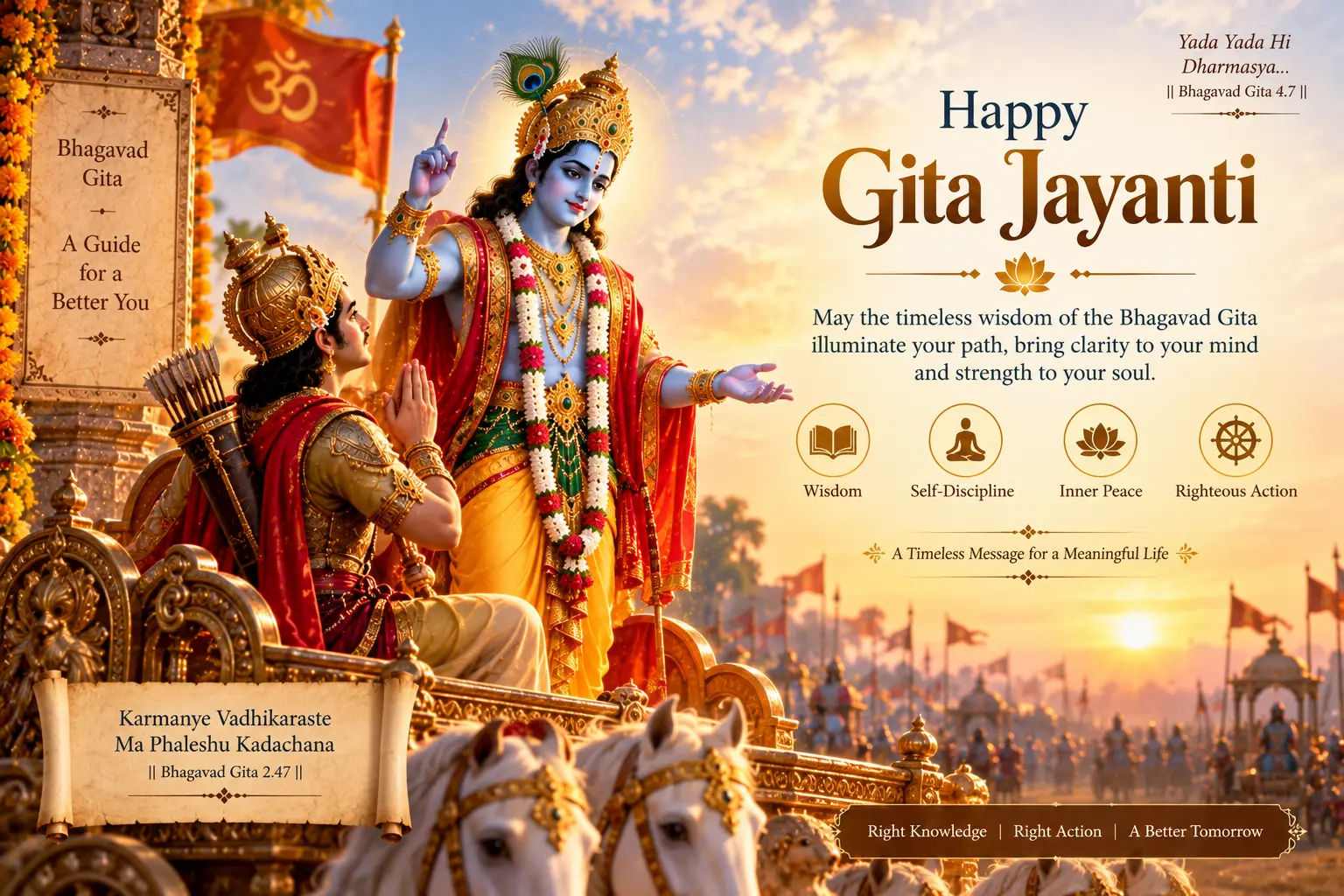
Gita Jayanti
Gita Jayanti is one of the most intellectually revered and spiritually profound festivals in Sanatana Dharma, celebrating the historic revelation of the Srimad Bhagavad Gita—the timeless song of the Supreme Personality of Godhead, Bhagavan Sri Krishna. Occurring on the auspicious Ekadashi tithi of Shukla Paksha in the holy winter month of Margashirsha (November–December), this sacred observance marks the hallowed occasion at Jyotisar in the ancient land of Kurukshetra where Sri Krishna imparted seven hundred verses of supreme spiritual wisdom to His bewildered friend and disciple, the Pandava prince Arjuna. Unlike conventional Hindu festivals that commemorate the earthly birthday or cosmic descent of deities, Gita Jayanti holds the unique distinction of celebrating the birth of a living philosophical scripture—a scripture that serves as the definitive manual for human existence, duty, self-realization, and devotion across all ages.
Mokshada Ekadashi
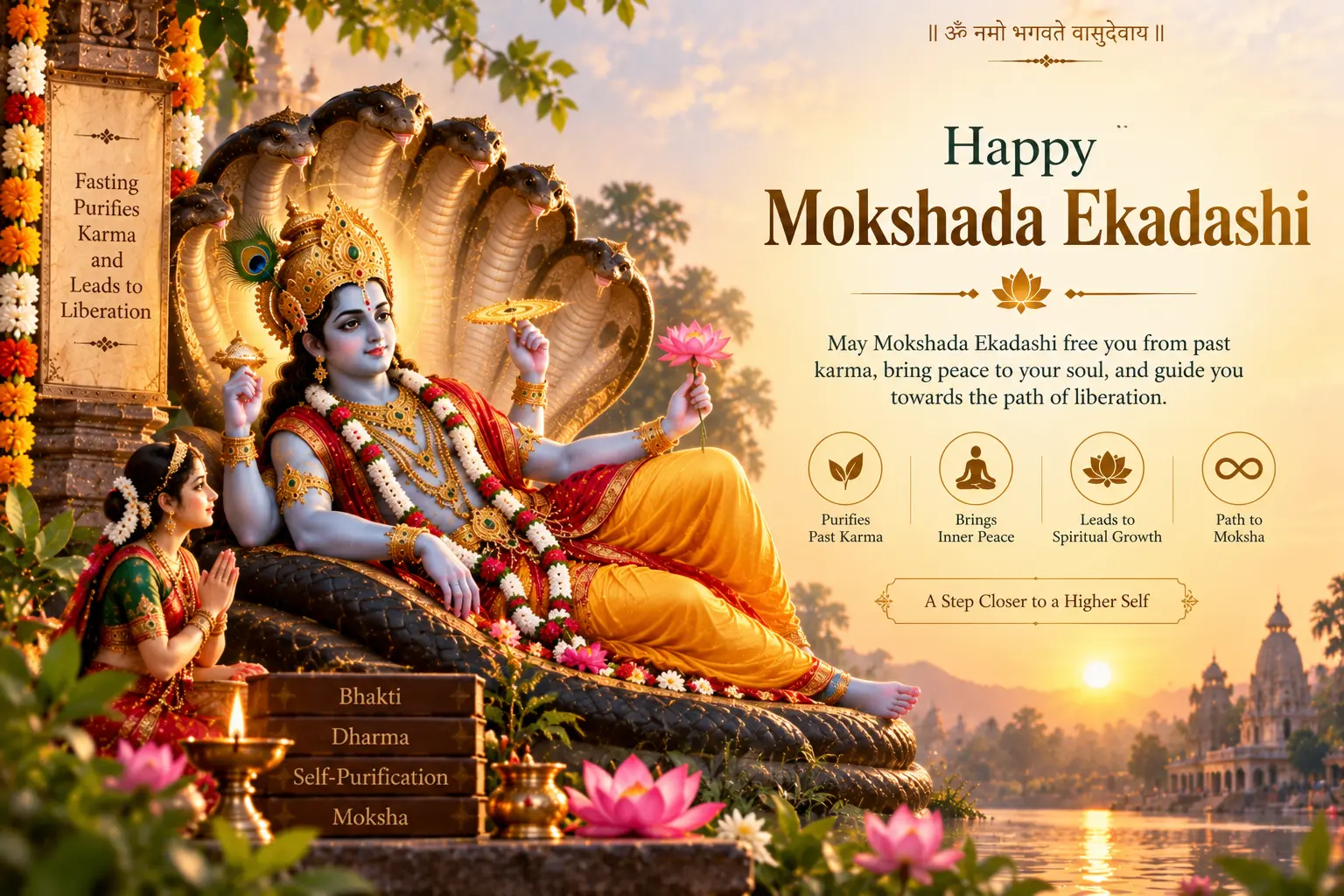
Mokshada Ekadashi, observed on the Shukla Paksha Ekadashi (the eleventh lunar day of the waxing moon) in the sacred winter month of Margashirsha (Agrahayana), is one of the most spiritually venerated and soteriologically potent fasting days in Sanatana Dharma. As its Sanskrit name unequivocally proclaims—'Mokshada', meaning 'the bestower of ultimate liberation (Moksha)'—this holy vrata possesses the extraordinary capacity to dissolve mountains of accumulated karmic transgressions, deliver departed ancestral souls from torment in lower realms (Naraka), and grant unalloyed devotion to Lord Sri Damodara-Krishna. Celebrated with intense ascetic discipline, scriptural recitation, and uninterrupted contemplation across India and Nepal, Mokshada Ekadashi holds supreme significance in both Smarta and Vaishnava traditions as an unshakeable bridge from the ocean of mortal sorrow to the eternal tranquility of Vaikuntha.
Margashirsha Purnima
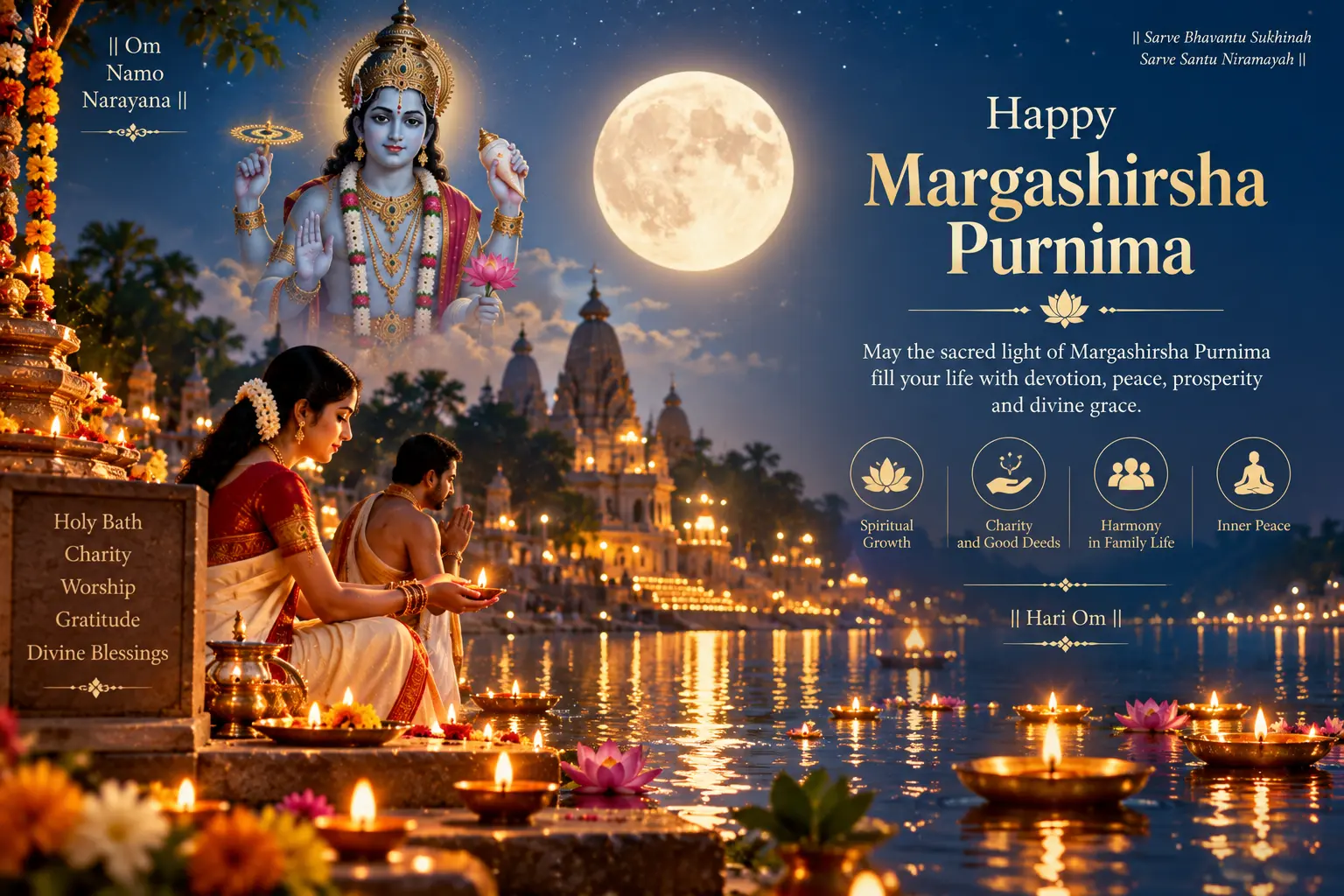
Margashirsha Purnima, celebrated on the full moon day of the sacred month of Margashirsha (Agrahayana), is one of the most spiritually illuminating and astrologically auspicious full moon festivals in Sanatana Dharma. Occurring when the full moon shines in the constellation of Mrigashirsha (the celestial deer's head ruled by the planet Mars and presided over by Soma, the Moon God), this holy tithi marks the supreme spiritual culmination of the month that Lord Sri Krishna Himself declared to be His own transcendental self in the Bhagavad Gita ('Masanang Margashirsho'ham'). Popularly known in various regional cultures as Battisi Purnima, Moksha Purnima, and Korvai Deepam, this sacred day unites the worship of Lord Sri Satyanarayan, the divine advent of Lord Dattatreya, the celestial Cosmic Dance of Lord Nataraja (Arudra Darshan), and ancient river-bathing rites.
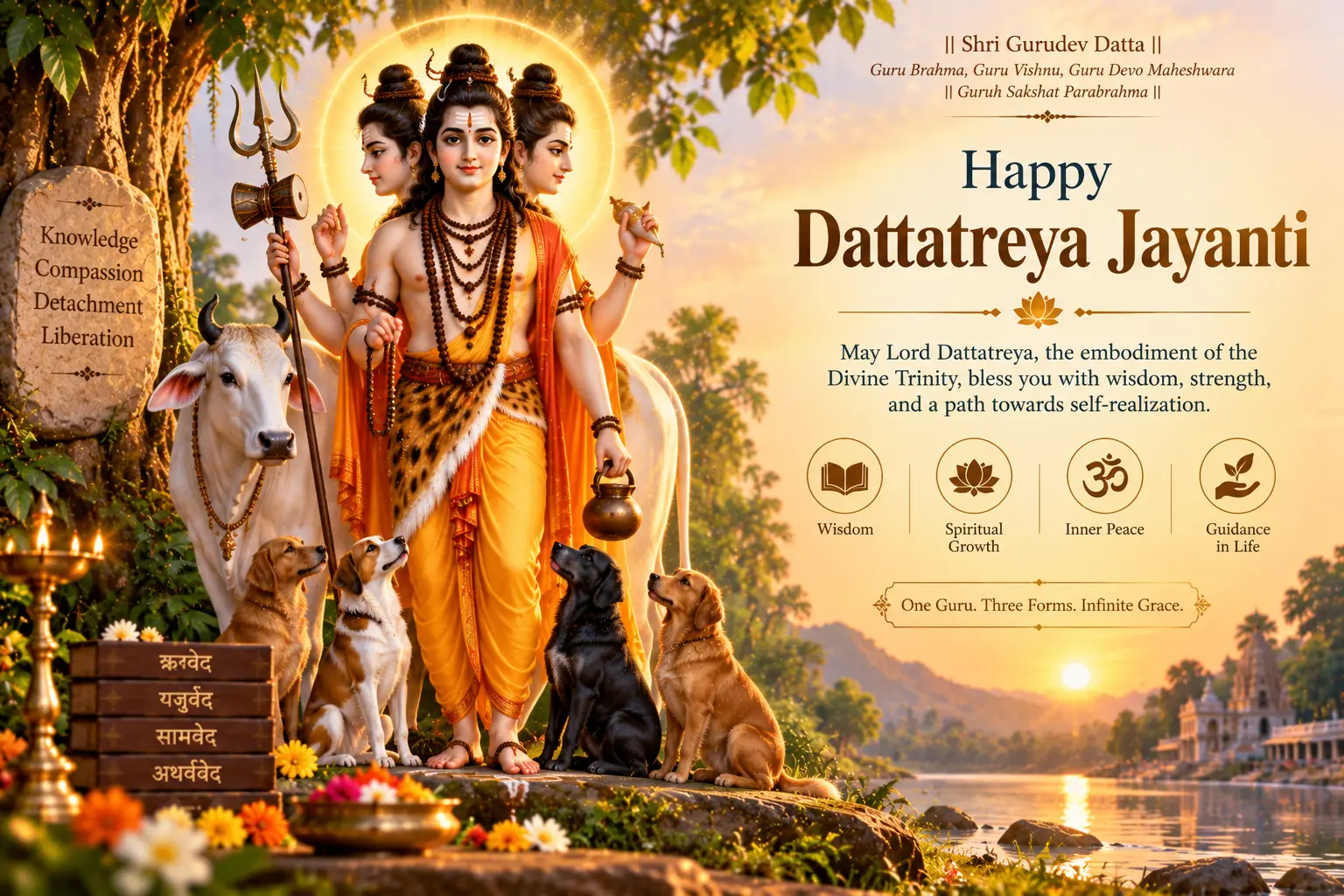
Dattatreya Jayanti
Dattatreya Jayanti, observed with profound esoteric reverence, ascetic contemplation, and devotional splendor across India, celebrates the auspicious divine advent of Lord Sri Dattatreya—the unified, primordial incarnation of the Hindu Supreme Trinity (Brahma, Vishnu, and Shiva). Occurring on the full moon day (Purnima tithi) of the sacred month of Margashirsha (November–December) under the radiant celestial influence of the Mrigashirsha nakshatra, this sacred festival commemorates the transcendental moment when the supreme archetypes of Creation (Brahma), Preservation (Vishnu), and Dissolution (Shiva) merged harmoniously into a singular transcendental form. Revering Dattatreya as the Adi Guru (the Primordial World Teacher), the Avadhuta of supreme renunciation, and the lord of all yogic wisdom, seekers celebrate this holy day to awaken inner discrimination, transcend the duality of earthly existence, and attain direct spiritual illumination.
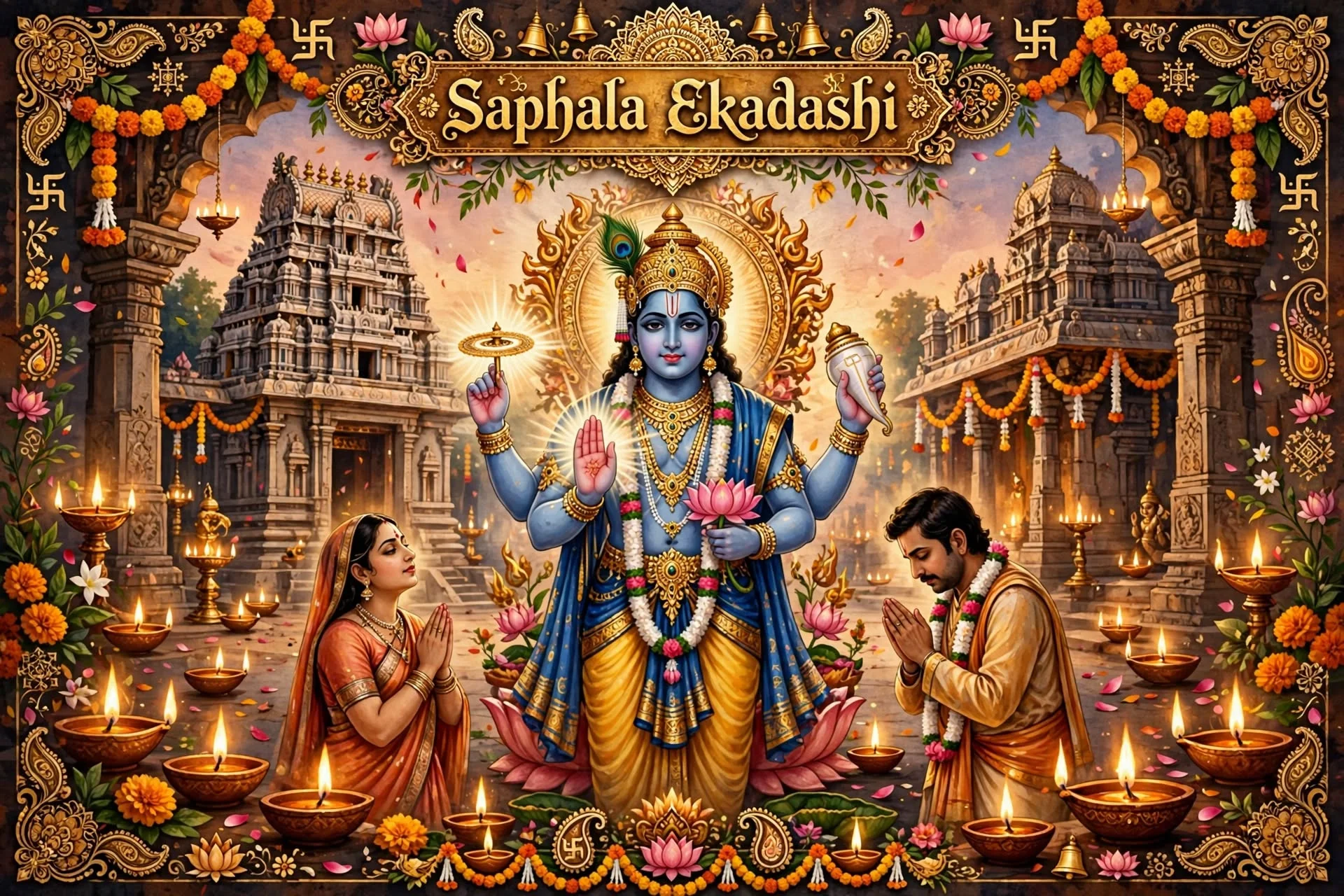
Saphala Ekadashi Vrat
Saphala Ekadashi, also known as Safala Ekadashi, is an important Hindu fasting day dedicated to Lord Vishnu. It is observed on the Ekadashi Tithi of Krishna Paksha in the month of Pausha according to the Purnimanta calendar. In the Amanta calendar, it falls in the Krishna Paksha of Margashirsha.
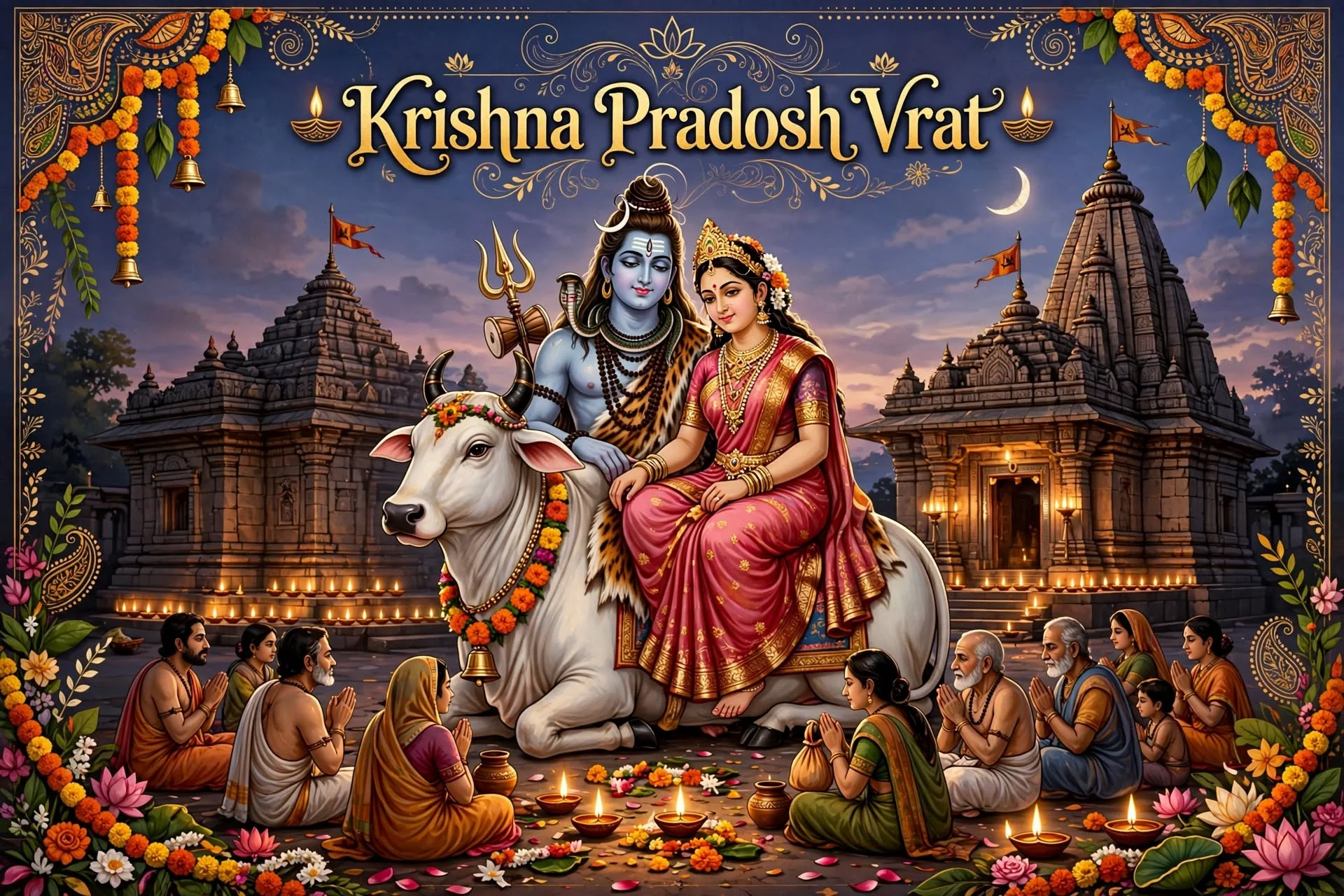
Krishna Pradosh Vrat
Masik Shivaratri is a monthly Hindu observance dedicated to Lord Shiva. It is observed on the Chaturdashi Tithi of Krishna Paksha, the fourteenth lunar day during the waning phase of the Moon. Devotees worship Lord Shiva with faith, observe a fast and perform night-time prayers to seek spiritual strength, peace and divine blessings.
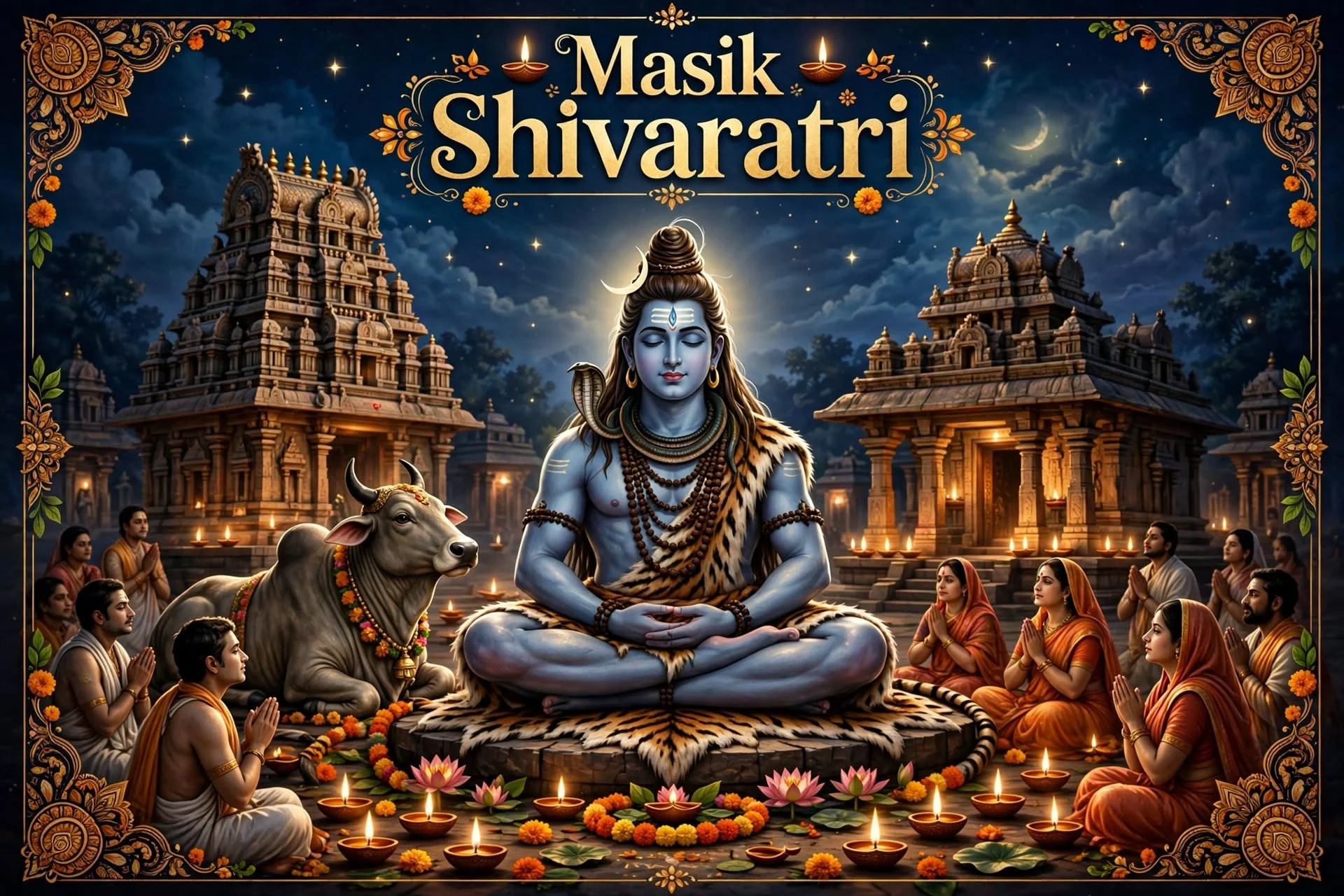
Masik Shivaratri
Masik Shivaratri, also known as Monthly Shivaratri or Masa Shivaratri, is a sacred Hindu observance dedicated to Lord Shiva. It is observed every lunar month on Krishna Paksha Chaturdashi, the fourteenth lunar day of the waning fortnight. Devotees worship Lord Shiva and Goddess Parvati, observe a vrat, perform Shiva Lingam Abhishek, chant sacred mantras and remain engaged in prayer during the night.
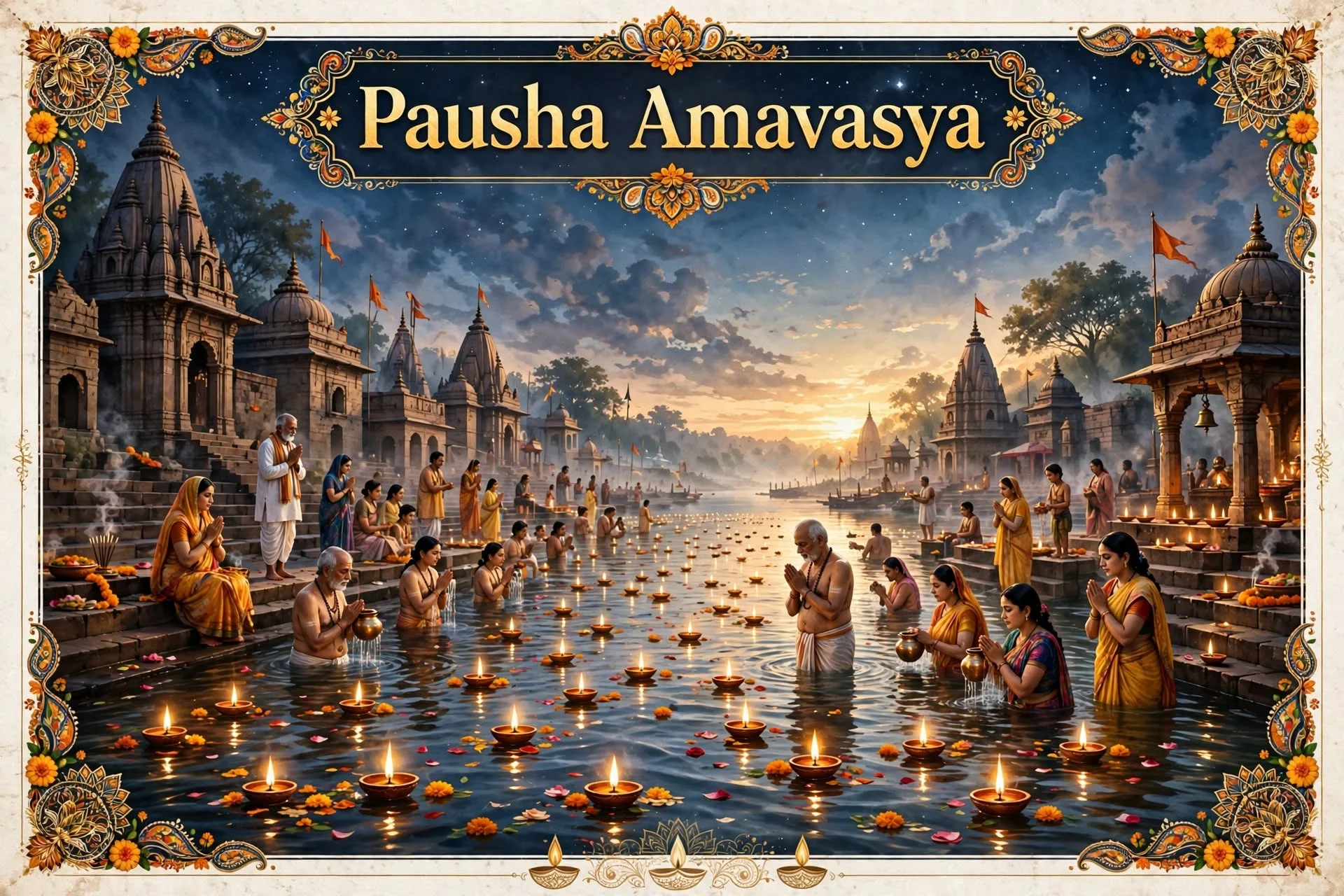
Pausha Amavasya
Pausha Amavasya is an important Hindu observance dedicated to remembering and honouring departed ancestors, known as Pitru. It falls on the Amavasya Tithi, or new-moon day, of the Hindu lunar month of Pausha. Devotees observe this day through sacred bathing, Pitru Tarpan, Shraddha, prayers, charity and acts of service. It is regarded as an appropriate occasion to express gratitude towards ancestors and seek their blessings for the wellbeing of the family.