




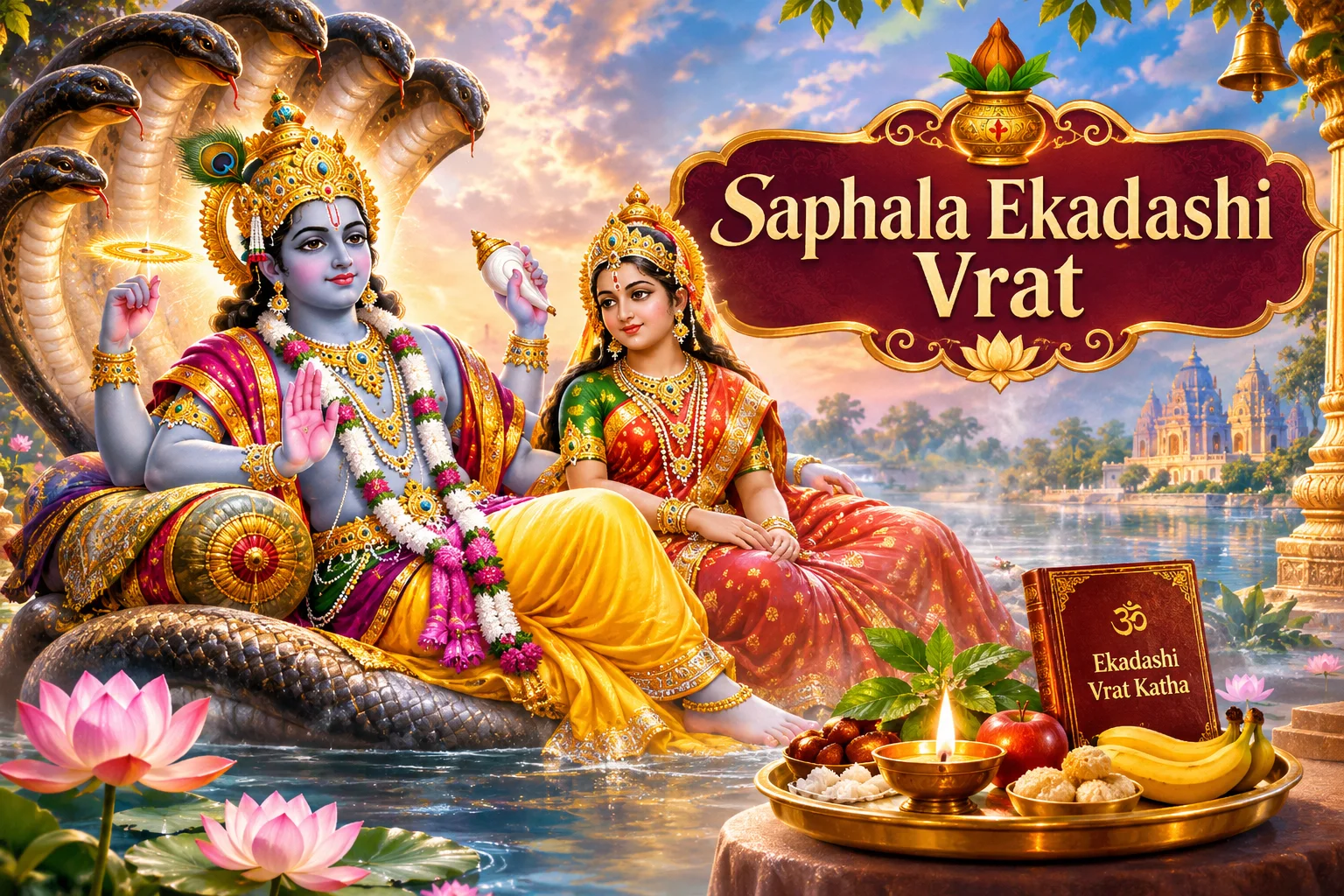
Saphala Ekadashi, also known as Safala Ekadashi, is an important Hindu fasting day dedicated to Lord Vishnu. It is observed on the Ekadashi Tithi of Krishna Paksha in the month of Pausha according to the Purnimanta calendar. In the Amanta calendar, it falls in the Krishna Paksha of Margashirsha.
Saphala Ekadashi Vrat 2027: Date, Puja Timings, Rituals & Stories
Saphala Ekadashi Vrat Timings & Panchang
Important festival dates and auspicious timings
Usha Arghya (Sunrise)
07:14 am
Sandhya Arghya (Sunset)
05:37 pm
Start Date
Sunday, 3 Jan 2027
Puja Muhurat
02:24 pm – 04:08 pm
Saphala Ekadashi Vrat
The word Saphala means fruitful or successful. Devotees observe this Ekadashi with faith and devotion to seek the blessings of Lord Vishnu, overcome difficulties and bring spiritual fulfilment into their lives.
The vrat is associated with the story of Prince Lumpaka, whose life changed through the observance of Saphala Ekadashi. The story highlights the importance of devotion, repentance and the grace of Lord Vishnu
Why is Saphala Ekadashi Vrat Celebrated?
Saphala Ekadashi is observed to worship Lord Vishnu and seek His blessings for a fruitful and spiritually meaningful life.
According to Hindu religious tradition, observing this Ekadashi with devotion helps devotees move away from negative actions and develop qualities such as discipline, compassion and faith.
The vrat is especially associated with:
- Worshipping Lord Vishnu and Lord Narayana.
- Seeking forgiveness for past mistakes.
- Developing devotion and self-discipline.
- Practising charity and kindness.
- Praying for peace, prosperity and spiritual progress.
- Remembering the importance of righteous actions.
The central message of Saphala Ekadashi is that sincere devotion and a willingness to change can bring a positive transformation in life.
History and Mythological Story of Saphala Ekadashi Vrat
The significance of Saphala Ekadashi is described in the Ekadashi Mahatmya tradition of the Padma Purana. The story is narrated by Lord Krishna to King Yudhishthira.
The Story of Prince Lumpaka
Long ago, there lived a king named Mahishmata, who ruled the prosperous kingdom of Champavati. He had several sons, among whom Lumpaka was the eldest.
Unlike his father, Lumpaka was known for his wrongful behaviour. He indulged in gambling, drinking and other immoral activities. He wasted his father's wealth and showed disrespect towards religious people and devotees of Lord Vishnu.
When the king learned about his son's behaviour, he decided to banish him from the kingdom.
Lumpaka's Life in the Forest
After being expelled, Lumpaka went to live in a forest near his father's kingdom. He survived by hunting animals, eating fruits and stealing from the kingdom at night.
There was an old Peepal tree in the forest, which was regarded as sacred. Lumpaka began living near this tree.
One winter, during the Dashami Tithi preceding Saphala Ekadashi, the weather became extremely cold. Lumpaka had no proper clothes or shelter and spent the night shivering beneath the tree. Due to the harsh conditions, he became unconscious and could not eat.
How Lumpaka Observed Saphala Ekadashi
The following day was Saphala Ekadashi. Lumpaka gradually regained consciousness but was too weak to hunt for food.
He collected fallen fruits from the forest and returned to the Peepal tree. By the time he reached the tree, the Sun had already set.
Instead of eating the fruits, he placed them near the tree and offered them to Lord Vishnu with a prayer for His blessings.
Religious and Spiritual Significance of Saphala Ekadashi
Saphala Ekadashi holds special importance among devotees of Lord Vishnu.
Its name itself represents the idea of making one's life fruitful through devotion and righteous actions.
1. Worship of Lord Vishnu
Lord Vishnu is the presiding deity of Ekadashi observances. Devotees worship Him with flowers, fruits, Tulasi leaves, incense and lamps.
2. Importance of Devotion
The story of Lumpaka teaches that devotion is not limited to people who have lived perfect lives. Sincere repentance and a genuine desire to change are also important in spiritual life.
3. Self-Discipline and Control
Observing the fast encourages devotees to practise self-control, avoid unnecessary indulgences and focus on prayer and remembrance of God.
4. Charity and Compassion
Devotees are encouraged to help people in need, offer food and perform charitable acts according to their ability.
5. Spiritual Progress
The traditional belief associated with Saphala Ekadashi is that sincere observance brings spiritual merit and helps devotees progress towards liberation.
How to Celebrate Saphala Ekadashi
Devotees observe Saphala Ekadashi through fasting, worship, prayer and remembrance of Lord Vishnu.
Here is a traditional way to observe the vrat.
1. Prepare on Dashami
- Clean the home and puja area.
- Eat a simple and sattvic meal.
- Avoid meat, alcohol and other prohibited foods according to one's tradition.
- Prepare the puja samagri for the next day.
- Maintain a calm and devotional state of mind.
2. Wake Up Early on Ekadashi
- Wake up during the morning hours.
- Take a bath and wear clean clothes.
- Clean the place of worship.
- Make a sankalp to observe the Ekadashi vrat according to your capacity and tradition.
3. Worship Lord Vishnu
- Place an image or idol of Lord Vishnu or Lord Narayana.
- Offer flowers and Tulasi leaves.
- Light a diya.
- Offer seasonal fruits and other suitable naivedya.
- Recite Vishnu mantras and prayers.
4. Observe the Fast
Saphala Ekadashi Vrat Puja Vidhi (Step by Step)
- 1
Purification and Preparation
Take a bath in the morning and clean the puja area. Arrange the idol or picture of Lord Vishnu on a clean platform.
- 2
Take Sankalp
Sit peacefully before the deity and take a sankalp to observe Saphala Ekadashi with devotion.
- 3
Offer Water and Worship
Offer water and perform the customary worship of Lord Vishnu according to your family tradition.
- 4
Offer Flowers and Tulasi
Offer fresh flowers and Tulasi leaves to Lord Vishnu. Tulasi is especially associated with Vishnu worship.
- 5
Offer Fruits and Naivedya
Offer seasonal fruits, coconut and other suitable food offerings.
- 6
Saphala Ekadashi Vrat Puja Samagri List
Essential Puja Items
The following essential items should be arranged before beginning the Saphala Ekadashi puja.
- Idol or picture of Lord Vishnu
- Clean puja cloth
- Kalash
- Water
- Roli and sandalwood paste
- Akshat (unbroken rice)
- Flowers
- Tulasi leaves
- Incense sticks
- Diya and ghee or oil
- Cotton wicks
Fruits and Offerings
Fresh fruits and traditional offerings can be presented to Lord Vishnu during the puja.
- Coconut
- Banana
- Pomegranate
- Amla
- Seasonal fruits
- Betel nuts
- Other traditional offerings
Additional Puja Items
Mantras and Prayers for Saphala Ekadashi Vrat
Saphala Ekadashi Vrat Vrat Rules and Fasting Guidelines
Types of Ekadashi Fasting
Fasting is an important part of Saphala Ekadashi. However, the way devotees observe the vrat can differ according to their health and religious tradition.
- Nirjala Vrat: A strict fast without food or water. It is an austere form of fasting and should not be attempted without considering one's health and capacity.
- Phalahar Vrat: Devotees consume fruits, milk and other permitted foods.
- Partial Fasting: Some devotees consume one simple Ekadashi-compatible meal while avoiding grains and beans.
Foods Traditionally Avoided
Many Ekadashi traditions avoid the following foods during the fasting period:
- Rice
- Wheat
- Other grains
- Pulses and beans
- Meat and fish
- Alcohol
- Onion and garlic, according to the observance followed
Foods Commonly Consumed
Depending on family and regional traditions, devotees may consume the following foods while observing the Ekadashi fast:
- Fruits
- Milk and dairy products
Dos and Don'ts of Saphala Ekadashi Vrat
Good Practices (Do's)
- Worship Lord Vishnu with devotion.
- Offer Tulasi leaves and fruits.
- Read or listen to the Saphala Ekadashi Vrat Katha.
- Chant Vishnu mantras.
- Practise kindness and charity.
- Follow the fasting rules suitable for your health and tradition.
Saphala Ekadashi Vrat Across Regions
| Region | Local Name |
|---|---|
| North India | Saphala Ekadashi |
| Rajasthan and Western India | Saphala Ekadashi |
| South India | Saphala Ekadashi |
| Eastern India | Saphala Ekadashi |
| Regional Variations | Local and Family Traditions |
Saphala Ekadashi Vrat FAQs
What is Saphala Ekadashi?
Saphala Ekadashi is a Hindu fasting day dedicated to Lord Vishnu. It falls on the Krishna Paksha Ekadashi of Pausha in the Purnimanta calendar and is observed for spiritual progress and the blessings of Lord Vishnu.
What does Saphala mean?
The word Saphala means fruitful, successful or one that brings fulfilment. The Ekadashi is associated with the belief that sincere devotion helps make one's life spiritually fruitful.
Which God is worshipped on Saphala Ekadashi?
Lord Vishnu, particularly in His form as Lord Narayana, is worshipped on Saphala Ekadashi.
Upcoming Festivals
View All
Tuesday, Jan 5, 2027
Krishna Pradosh Vrat
Masik Shivaratri is a monthly Hindu observance dedicated to Lord Shiva. It is observed on the Chaturdashi Tithi of Krishna Paksha, the fourteenth lunar day during the waning phase of the Moon. Devotees worship Lord Shiva with faith, observe a fast and perform night-time prayers to seek spiritual strength, peace and divine blessings.
View Festival Guide
Tuesday, Jan 5, 2027
Masik Shivaratri
Masik Shivaratri, also known as Monthly Shivaratri or Masa Shivaratri, is a sacred Hindu observance dedicated to Lord Shiva. It is observed every lunar month on Krishna Paksha Chaturdashi, the fourteenth lunar day of the waning fortnight. Devotees worship Lord Shiva and Goddess Parvati, observe a vrat, perform Shiva Lingam Abhishek, chant sacred mantras and remain engaged in prayer during the night.
View Festival Guide
Thursday, Jan 7, 2027
Pausha Amavasya
Pausha Amavasya is an important Hindu observance dedicated to remembering and honouring departed ancestors, known as Pitru. It falls on the Amavasya Tithi, or new-moon day, of the Hindu lunar month of Pausha. Devotees observe this day through sacred bathing, Pitru Tarpan, Shraddha, prayers, charity and acts of service. It is regarded as an appropriate occasion to express gratitude towards ancestors and seek their blessings for the wellbeing of the family.
View Festival Guide
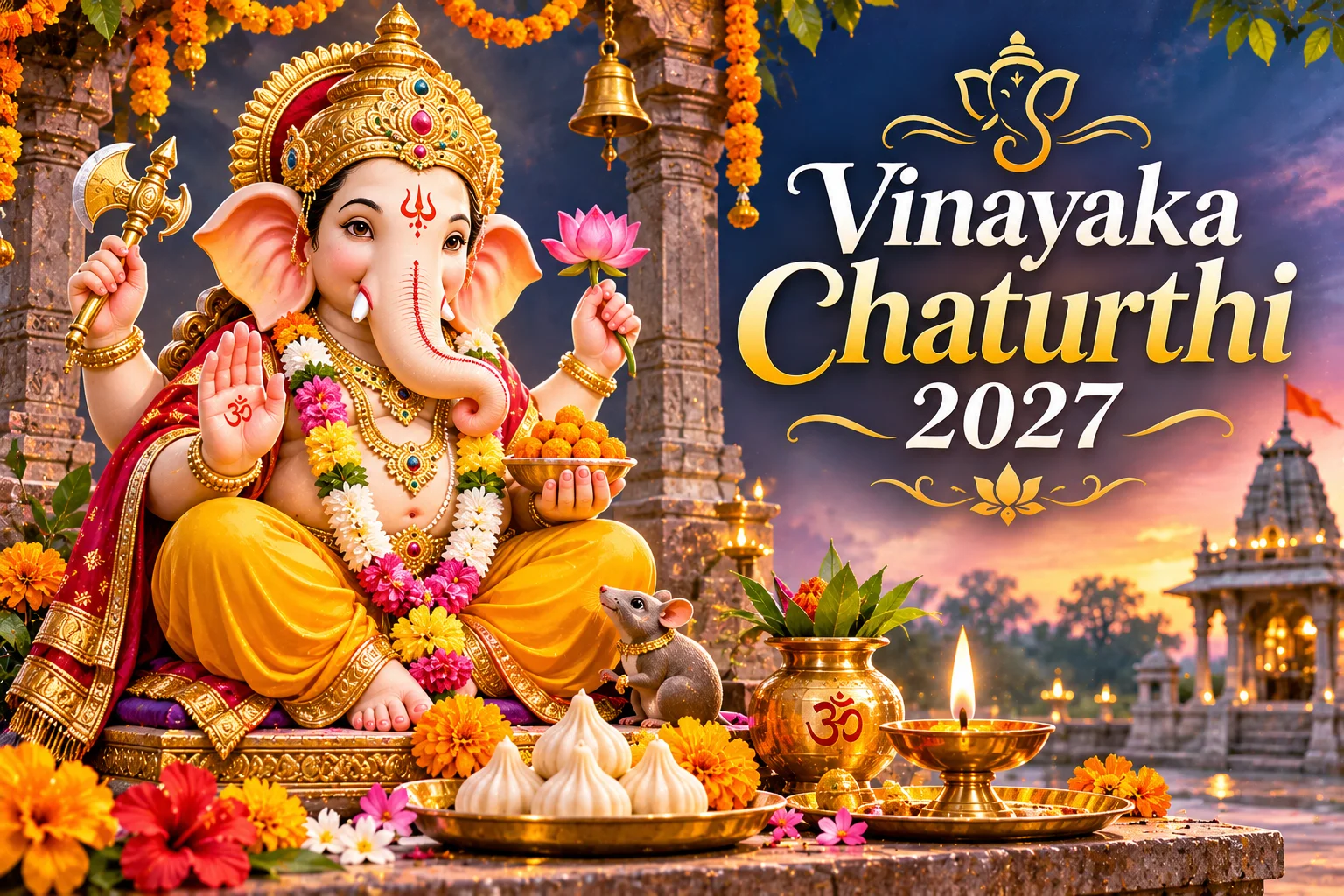
Monday, Jan 11, 2027
Vinayaka Chaturthi
Vinayaka Chaturthi is a Hindu religious observance dedicated to Lord Ganesha, the remover of obstacles, the deity of wisdom, knowledge and auspicious beginnings. It is observed on Shukla Paksha Chaturthi, the fourth lunar day of the waxing fortnight, in each Hindu lunar month. Devotees worship Lord Ganesha through prayers, fasting, mantra chanting, offerings and meditation to seek his blessings for success, prosperity, wisdom and the removal of difficulties.
View Festival Guide
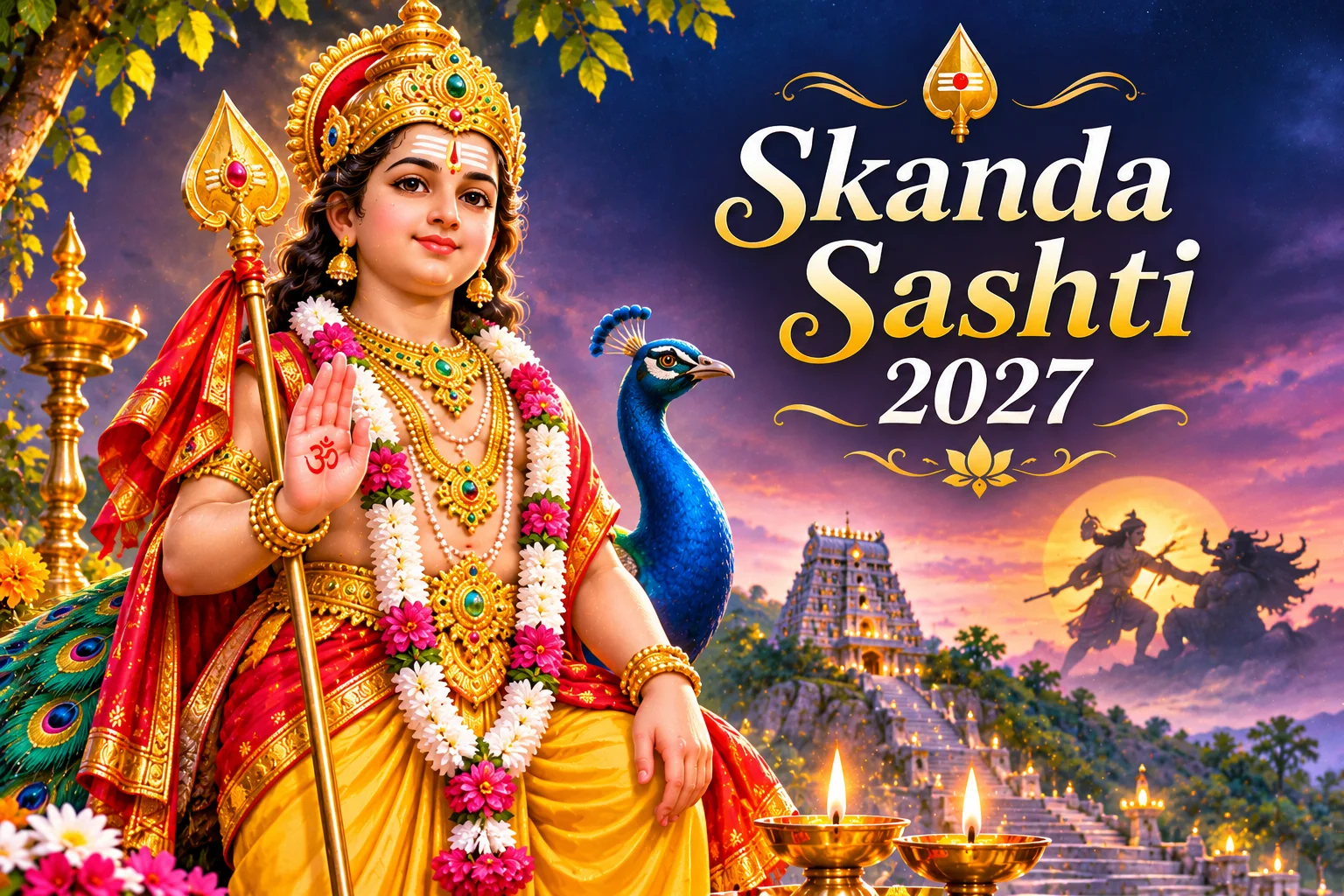
Wednesday, Jan 13, 2027
Skanda Sashti
Skanda Sashti, also known as Kanda Sashti or Skanda Shashthi, is an important Hindu festival dedicated to Lord Skanda, who is worshipped as Murugan, Kartikeya, Subramanya, Shanmukha and Kumara. The festival commemorates the victory of Lord Murugan over the demon Surapadman and the restoration of peace and righteousness. It is especially celebrated by devotees in Tamil Nadu and Tamil communities around the world.
View Festival Guide
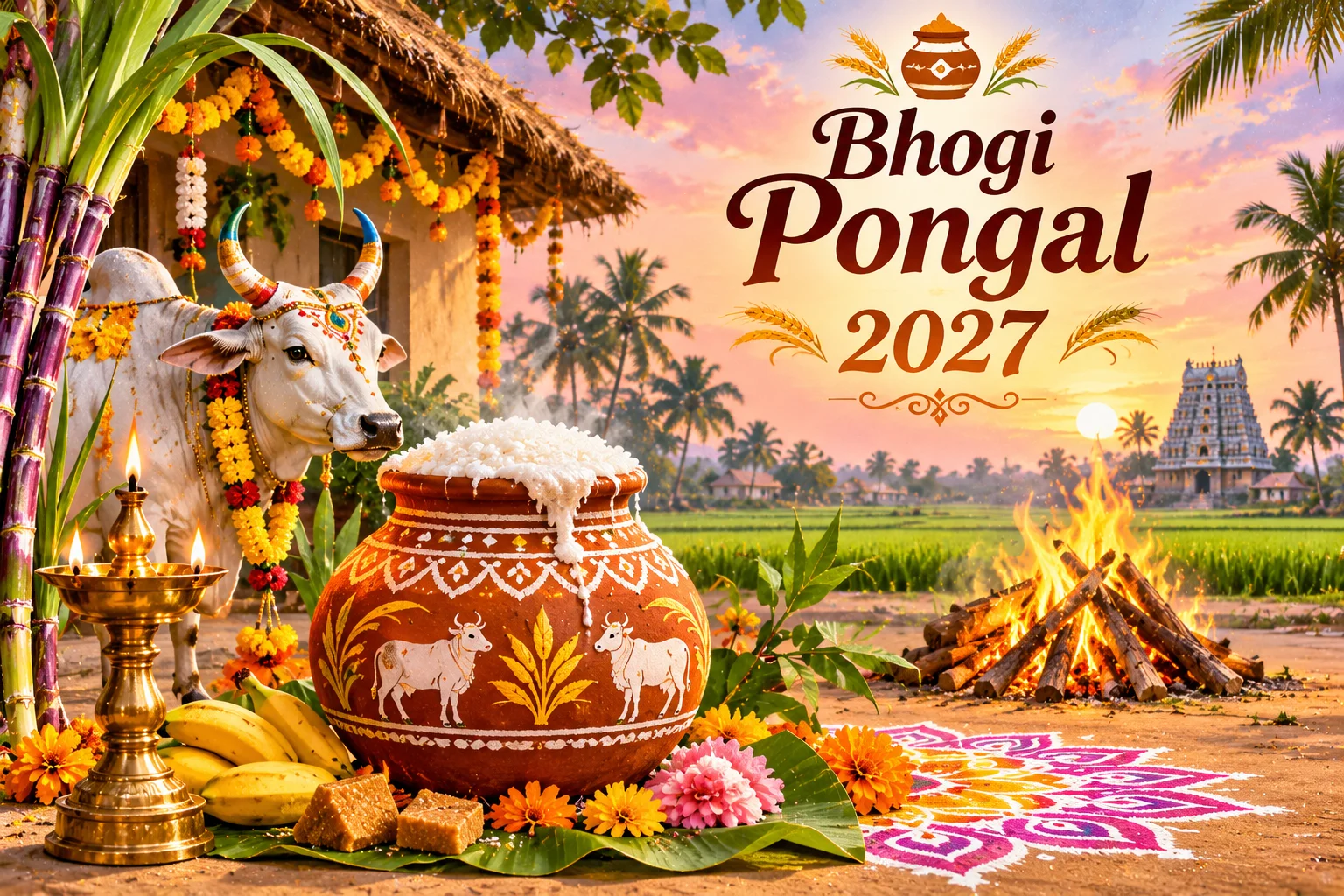
Thursday, Jan 14, 2027
Bhogi Pongal
Bhogi Pongal, also known as Bhogi Pandigai or Bhogi, is the first day of the traditional four-day Pongal harvest festival celebrated mainly in Tamil Nadu and by Tamil communities across the world. It marks the final day of the Tamil month of Margazhi and welcomes the beginning of the auspicious month of Thai. The festival represents renewal, gratitude, prosperity and the transition from the old to the new.
View Festival Guide
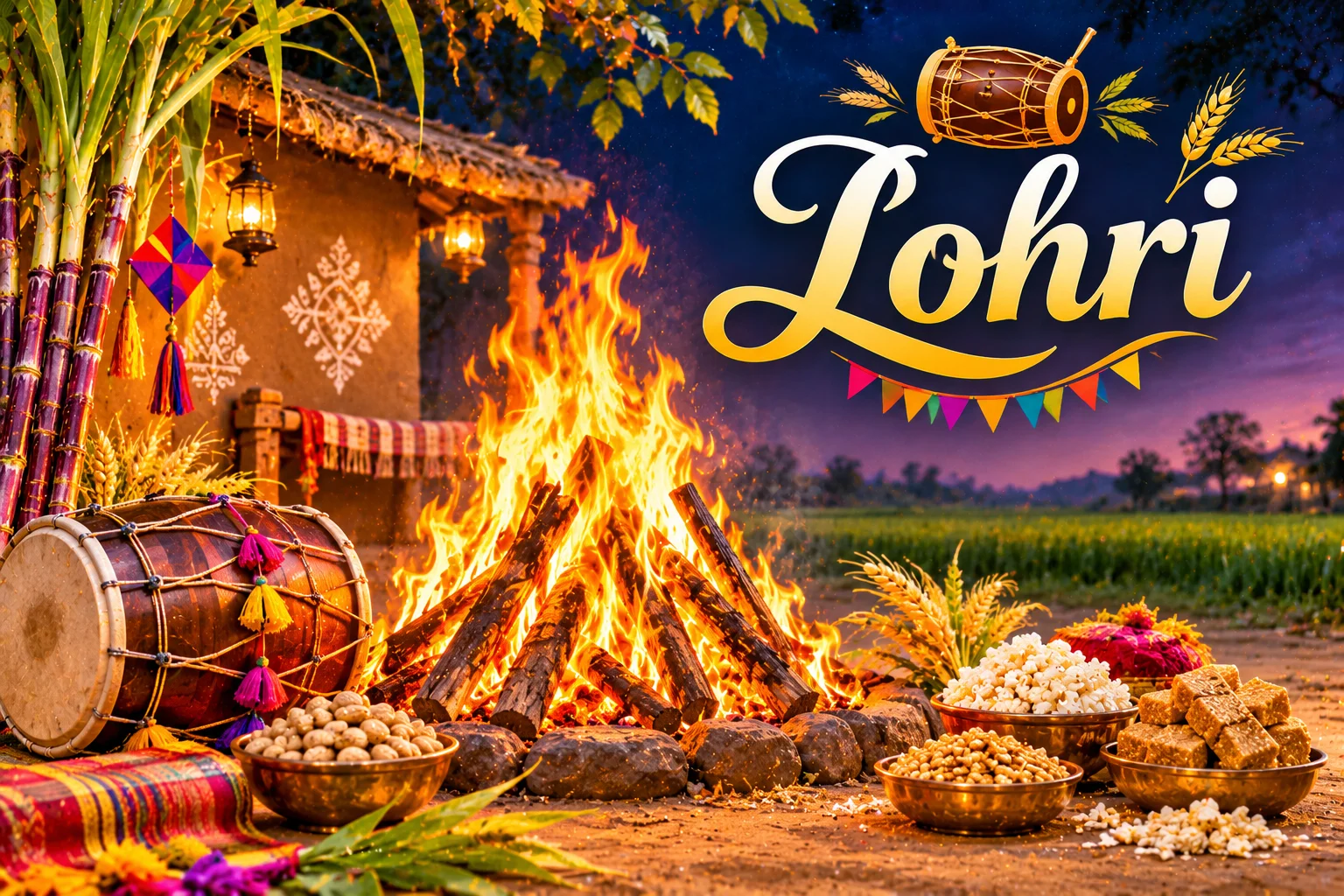
Thursday, Jan 14, 2027
Lohri
Lohri is a popular winter folk festival celebrated with great enthusiasm in Punjab and other parts of northern India. It is especially associated with the Punjabi community and is observed by people of different religious backgrounds as a celebration of warmth, harvest, family, and community life.
View Festival Guide
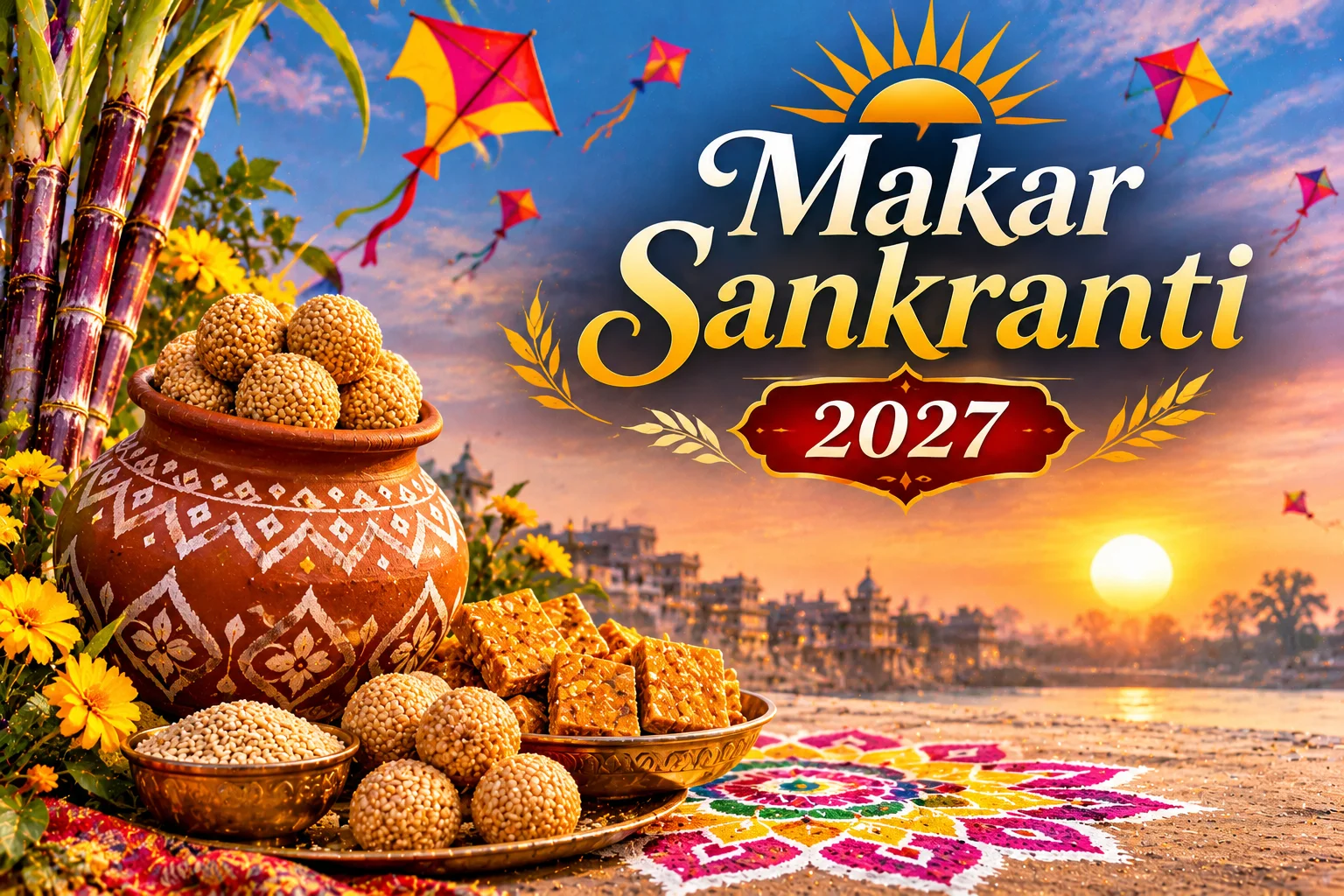
Friday, Jan 15, 2027
Makar Sankranti (Uttarayana / Pongal)
Makar Sankranti is one of the most widely celebrated Hindu festivals in India. It marks the transition of the Sun into Makara Rashi, the zodiac sign of Capricorn, according to the traditional sidereal solar calendar. The word Sankranti refers to the movement of the Sun from one zodiac sign to another, while Makara refers to Capricorn.
View Festival Guide