




Pausha Amavasya is an important Hindu observance dedicated to remembering and honouring departed ancestors, known as Pitru. It falls on the Amavasya Tithi, or new-moon day, of the Hindu lunar month of Pausha. Devotees observe this day through sacred bathing, Pitru Tarpan, Shraddha, prayers, charity and acts of service. It is regarded as an appropriate occasion to express gratitude towards ancestors and seek their blessings for the wellbeing of the family.
Pausha Amavasya 2027: Date, Puja Timings, Rituals & Stories

Pausha Amavasya Timings & Panchang
Important festival dates and auspicious timings
Usha Arghya (Sunrise)
07:15 am
Sandhya Arghya (Sunset)
05:40 pm
Start Date
Thursday, 7 Jan 2027
Puja Muhurat
11:14 pm – 01:54 am
Pausha Amavasya
Amavasya holds a special place in Hindu traditions associated with ancestors. Devotees perform Tarpan by offering water, often mixed with black sesame seeds and accompanied by Kusha grass, to remember their departed family members. Those who follow the prescribed family tradition may also perform Shraddha and offer food, donations or Dakshina in remembrance of their ancestors.
Pausha Amavasya is also associated with spiritual purification, restraint and charity. Devotees may take a holy bath in a sacred river or at home, worship Lord Vishnu or other deities according to their family tradition, and donate food, clothing, sesame seeds and other useful items to people in need.
The observance is particularly meaningful for families who maintain ancestral rituals on monthly Amavasya days. It provides an opportunity to remember parents, grandparents and earlier generations, express gratitude for their contributions and continue family traditions of remembrance and charity.
The lunar-month naming system varies between regions. In the North Indian Purnimanta calendar, the January 7 observance is called Pausha Amavasya, while the corresponding Amavasya is identified with Margashirsha Krishna Paksha in the Amanta system. Both names refer to the same lunar observance.
Why is Pausha Amavasya Celebrated?
Pausha Amavasya is primarily observed to honour departed ancestors and perform rituals dedicated to Pitru. Hindu traditions place importance on remembering previous generations and acknowledging the relationship between the living family and its ancestors. Tarpan and Shraddha are performed as expressions of gratitude, remembrance and religious duty.
Amavasya is traditionally considered an appropriate day for ancestral offerings. Devotees offer water, sesame seeds and prayers for the peace and spiritual wellbeing of their departed family members. Families may also perform charity and food donations in their memory.
The observance also encourages spiritual purification and self-discipline. A holy bath, prayers, meditation and charitable activities are considered meaningful ways to begin the day. Devotees use the occasion to reflect on family responsibilities, gratitude, compassion and the temporary nature of material life.
- To remember and honour departed ancestors through Pitru Tarpan and Shraddha.
- To express gratitude towards parents, grandparents and earlier generations.
- To pray for peace and spiritual wellbeing of departed family members.
- To perform charity, food donation and other acts of kindness.
- To undertake sacred bathing and spiritual purification.
- To maintain family traditions associated with monthly Amavasya.
- To cultivate humility, gratitude, compassion and spiritual discipline.
- To seek blessings for family harmony, prosperity and wellbeing.
History and Traditional Background of Pausha Amavasya
The tradition of Amavasya and Pitru Worship
Amavasya is the final lunar day of Krishna Paksha and marks the new-moon phase. In Hindu ritual traditions, it is associated with offerings to departed ancestors. The Sanskrit term Pitru refers to ancestors, while Tarpan refers to the act of offering water as a gesture of reverence and satisfaction.
The tradition of remembering ancestors through offerings is connected with the broader Hindu practice of Pitru Yajna and Shraddha. These observances recognise the importance of family lineage, gratitude and duties towards previous generations.
Amavasya is commonly used for monthly ancestral remembrance. Families may perform Tarpan, Darsha Shraddha or other rites according to their family tradition, regional customs and the guidance of their ritual priest.
The significance of Pitru Tarpan
Tarpan is a traditional ritual in which water is offered to deities, sages or ancestors. Pitru Tarpan specifically refers to offerings made in remembrance of departed ancestors. Water mixed with black sesame seeds is commonly used in ancestral rites, and Kusha grass may be included according to the prescribed ritual method.
The ritual is performed with prayers and remembrance of the ancestors. In many traditions, the person performing Pitru Tarpan faces south, the direction associated with the ancestors. Exact procedures differ by Vedic tradition, family custom and the type of Tarpan being performed.
The importance of Shraddha
Shraddha is a ritual performed in honour of departed family members. It is traditionally associated with offerings, prayers and acts of charity. The word is connected with Shraddha, meaning faith or reverence, and reflects the devotional attitude with which the rites are performed.
Monthly Amavasya is considered suitable for Darsha Shraddha in relevant ritual traditions. Families may offer food, perform prescribed rites and make donations in remembrance of their ancestors. The exact procedure depends on the family tradition and the ritual occasion.
Spiritual Significance of Pausha Amavasya
Honouring the ancestors
The principal spiritual significance of Pausha Amavasya lies in remembering departed ancestors. Hindu traditions regard gratitude towards previous generations as an important responsibility. Through Tarpan and Shraddha, devotees express respect for their family lineage and pray for the spiritual wellbeing of departed relatives.
The observance reminds devotees that family life is shaped by the efforts, values and sacrifices of earlier generations. Remembering ancestors encourages humility, gratitude and a sense of continuity.
Spiritual meaning of Tarpan
Tarpan symbolises an offering made with reverence and devotion. Water represents life and purification, while sesame seeds are traditionally used in ancestral offerings. The ritual provides a structured way to remember departed relatives and express prayers for them.
The practice also encourages the devotee to reflect on the temporary nature of physical existence and the importance of performing one's duties with sincerity.
Purification through sacred bathing
Taking a holy bath on Amavasya is a traditional practice. Devotees may bathe in a sacred river, at a pilgrimage site or at home while remembering the divine. The bath symbolises purification and the beginning of the day with a disciplined and devotional mindset.
For devotees who cannot visit a river or pilgrimage place, bathing at home and offering sincere prayers is a practical alternative.
Importance of charity
Charity is considered a meaningful activity on Amavasya. Donating food, clothing, grains, sesame seeds or money according to one's capacity expresses compassion and social responsibility.
Acts of service performed in remembrance of ancestors connect religious observance with practical kindness. Helping people in need is a way to express gratitude through action.
How to Celebrate Pausha Amavasya
Early morning preparation
Wake up early and take a bath before beginning the day's observances. Wear clean clothes and prepare a clean place for prayer. Devotees may remember Lord Vishnu, Lord Shiva or their family deity according to their tradition.
Holy bath and Sankalp
Take a bath at home or at a sacred water body if accessible. Some devotees add a small amount of Ganga Jal to their bathing water. After bathing, take a Sankalp to remember departed ancestors and perform the day's prayers and charitable activities.
Pitru Tarpan
Perform Pitru Tarpan according to the family tradition. Water mixed with black sesame seeds and Kusha grass is commonly used. The devotee remembers the departed ancestors while making the offerings. Those unfamiliar with the ritual should seek guidance from a knowledgeable family priest rather than improvising formal mantras or procedures.
Shraddha and ancestral remembrance
Families who perform monthly Darsha Shraddha may carry out the prescribed rites on this day. These can include offerings and prayers in honour of departed relatives. The procedure and appropriate time should follow the relevant family and ritual tradition.
Worship and prayer
After the ancestral observances, devotees may offer prayers to their chosen deity. A simple home puja may include lighting a diya, offering flowers, incense and fruits, and reciting Vishnu or Shiva mantras. The choice of deity and form of worship varies by family tradition.
Charity and food donation
Donate food, grains, clothing, sesame seeds or money to people in need according to your capacity. Some families also arrange food for priests or guests as part of their Shraddha tradition. Charity should be performed with sincerity and without expectation of reward.
Pausha Amavasya Puja Vidhi (Step by Step)
- 1
Wake Up Early
Wake up during the early morning hours and prepare for the observance. Maintain a calm and devotional mindset and avoid unnecessary distractions.
- 2
Take a Holy Bath
Take a bath at home or at a sacred river or pilgrimage place if accessible. Devotees may add a small quantity of Ganga Jal to their bathing water according to their tradition.
- 3
Wear Clean Clothes
After bathing, wear clean clothes and prepare the place where prayers and ancestral remembrance will be performed.
- 4
Take the Sankalp
Sit peacefully and take a personal Sankalp to remember departed ancestors, perform Tarpan or other prescribed rites, and undertake charitable activities according to your family tradition.
- 5
Arrange Tarpan Materials
Arrange clean water, a suitable vessel, black sesame seeds and Kusha grass if required by the ritual tradition. Prepare the materials respectfully and keep them clean.
Pausha Amavasya Puja Samagri List
Pitru Tarpan Materials
- Clean water
- Black sesame seeds (Kala Til)
- Kusha grass
- A clean copper or brass vessel
- A small plate or bowl
- Clean cloth
- Flowers, if used in the family tradition
The exact materials and method of Tarpan depend on the family tradition and ritual procedure. Use clean materials and seek guidance for formal ancestral rites.
Home Puja Materials
- Image or idol of the chosen deity
- Puja thali
- Diya
- Cotton wicks
- Ghee or oil
- Incense sticks
- Camphor
- Flowers
- Akshat
- Sandalwood paste
- Fruits
- Bell
Charity and Donation Items
Mantras and Prayers for Pausha Amavasya
Pausha Amavasya Vrat Rules and Fasting Guidelines
Observe the Day with Devotion
Begin the day with a bath, clean clothes and prayers. Maintain a respectful attitude while remembering departed ancestors and performing the day's observances.
Pitru Tarpan
Perform Pitru Tarpan according to the family tradition. Black sesame seeds, water and Kusha grass are commonly used in ancestral offerings. The precise procedure should follow the relevant ritual tradition.
- Use clean water and suitable ritual materials.
- Remember ancestors with sincerity.
- Follow the prescribed method for direction and offerings.
- Seek guidance from a knowledgeable priest if unfamiliar with the procedure.
Fasting Practices
Some devotees observe a fast on Amavasya, while others simply perform prayers and ancestral rites. Fasting is not compulsory for every person observing Pausha Amavasya. The type of fast should be suitable for the person's health and family tradition.
- Choose a fasting practice according to personal capacity.
- Do not undertake a strict fast if it may affect your health.
- People with medical conditions or regular medication should seek medical advice before fasting.
- Maintain adequate hydration when following a fast that permits water.
Charity and Donation
Dos and Don'ts of Pausha Amavasya
Good Practices (Do's)
- Wake up early and take a bath before beginning the observance.
- Remember departed ancestors with sincerity and gratitude.
- Perform Pitru Tarpan according to family tradition.
- Use clean water and suitable ritual materials.
- Offer black sesame seeds when prescribed for Tarpan.
- Perform Shraddha according to the prescribed family procedure.
Pausha Amavasya Across Regions
| Region | Local Name |
|---|---|
| Delhi and Northern India | |
| Rajasthan | |
| Uttar Pradesh | |
| Bihar | |
| Madhya Pradesh | |
| Maharashtra | |
| West Bengal | |
| Tamil Nadu | Amavasai |
| Karnataka | Amavasya |
| Andhra Pradesh and Telangana | Amavasya |
Pausha Amavasya FAQs
What is the significance of Pausha Amavasya?
Pausha Amavasya is mainly associated with remembering departed ancestors. Devotees perform Pitru Tarpan, Shraddha, prayers, sacred bathing and charity to express gratitude and seek blessings for family wellbeing.
Which deity is worshipped on Pausha Amavasya?
The observance is primarily associated with Pitru worship and ancestral remembrance. Devotees may also worship Lord Vishnu, Lord Shiva or their family deity according to their tradition.
What is Pitru Tarpan?
Pitru Tarpan is a ritual offering of water in remembrance of departed ancestors. Water mixed with black sesame seeds is commonly used, and Kusha grass may be included according to the prescribed ritual method.
Upcoming Festivals
View All
Monday, Jan 11, 2027
Vinayaka Chaturthi
Vinayaka Chaturthi is a Hindu religious observance dedicated to Lord Ganesha, the remover of obstacles, the deity of wisdom, knowledge and auspicious beginnings. It is observed on Shukla Paksha Chaturthi, the fourth lunar day of the waxing fortnight, in each Hindu lunar month. Devotees worship Lord Ganesha through prayers, fasting, mantra chanting, offerings and meditation to seek his blessings for success, prosperity, wisdom and the removal of difficulties.
View Festival Guide

Wednesday, Jan 13, 2027
Skanda Sashti
Skanda Sashti, also known as Kanda Sashti or Skanda Shashthi, is an important Hindu festival dedicated to Lord Skanda, who is worshipped as Murugan, Kartikeya, Subramanya, Shanmukha and Kumara. The festival commemorates the victory of Lord Murugan over the demon Surapadman and the restoration of peace and righteousness. It is especially celebrated by devotees in Tamil Nadu and Tamil communities around the world.
View Festival Guide
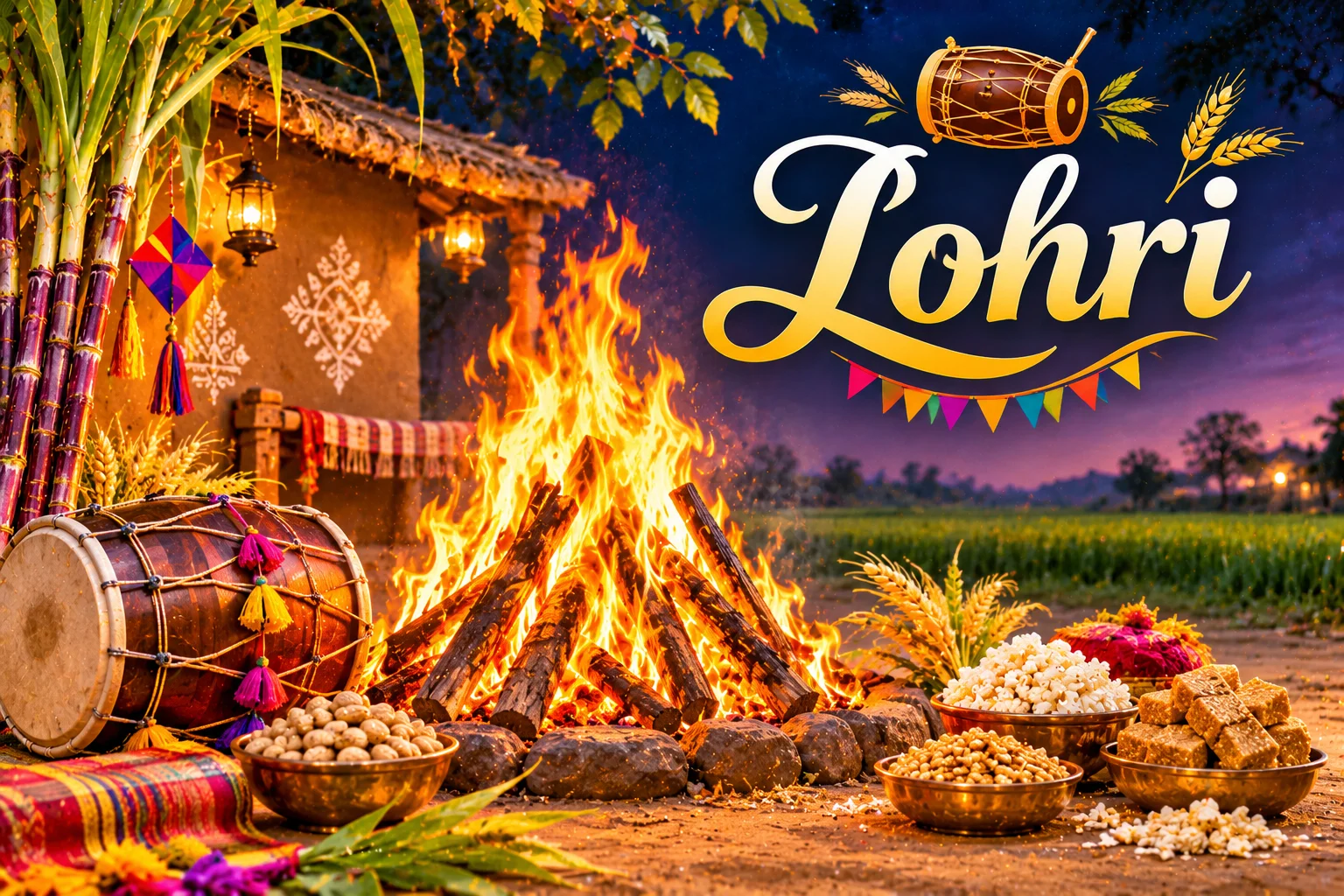
Thursday, Jan 14, 2027
Lohri
Lohri is a popular winter folk festival celebrated with great enthusiasm in Punjab and other parts of northern India. It is especially associated with the Punjabi community and is observed by people of different religious backgrounds as a celebration of warmth, harvest, family, and community life.
View Festival Guide
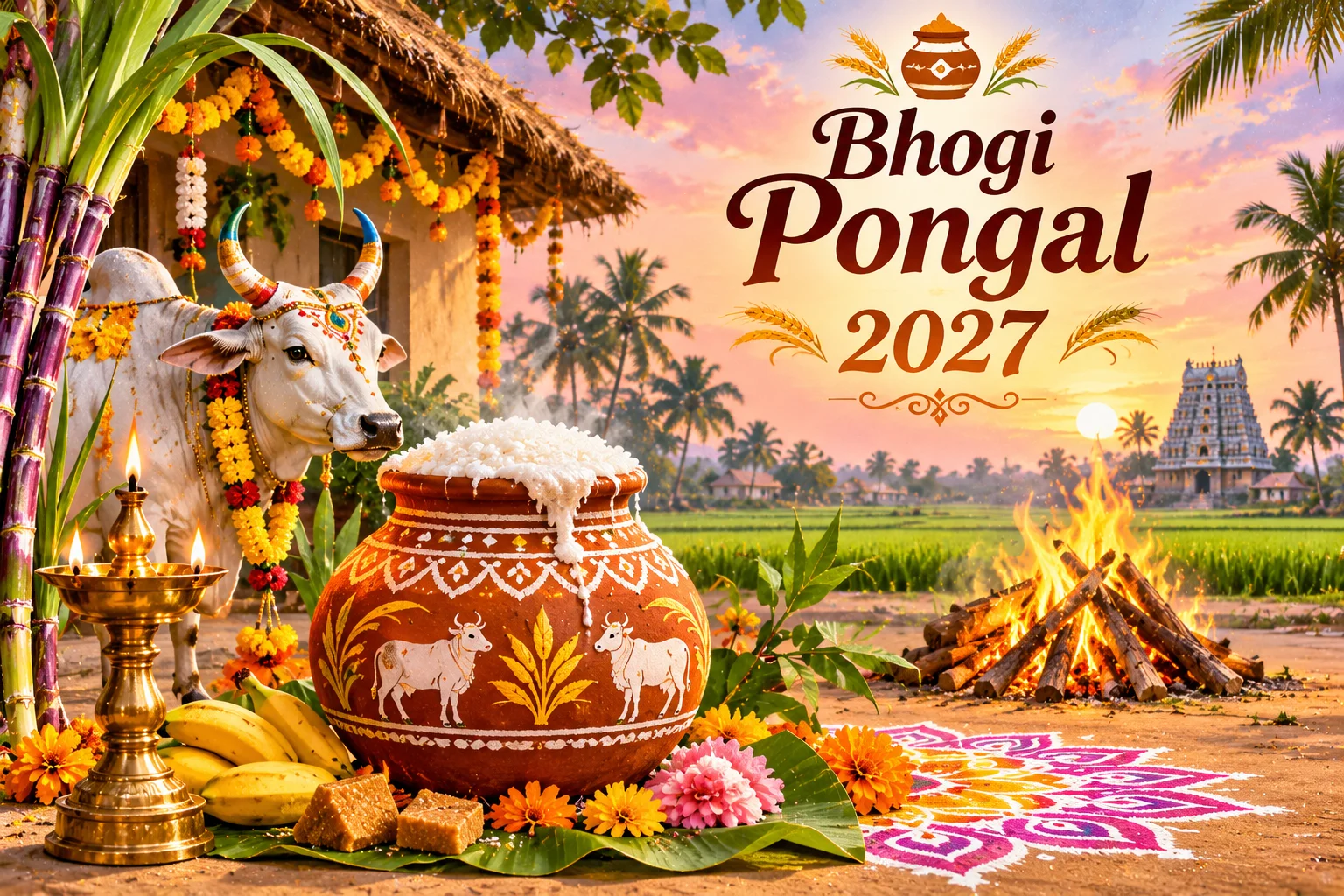
Thursday, Jan 14, 2027
Bhogi Pongal
Bhogi Pongal, also known as Bhogi Pandigai or Bhogi, is the first day of the traditional four-day Pongal harvest festival celebrated mainly in Tamil Nadu and by Tamil communities across the world. It marks the final day of the Tamil month of Margazhi and welcomes the beginning of the auspicious month of Thai. The festival represents renewal, gratitude, prosperity and the transition from the old to the new.
View Festival Guide
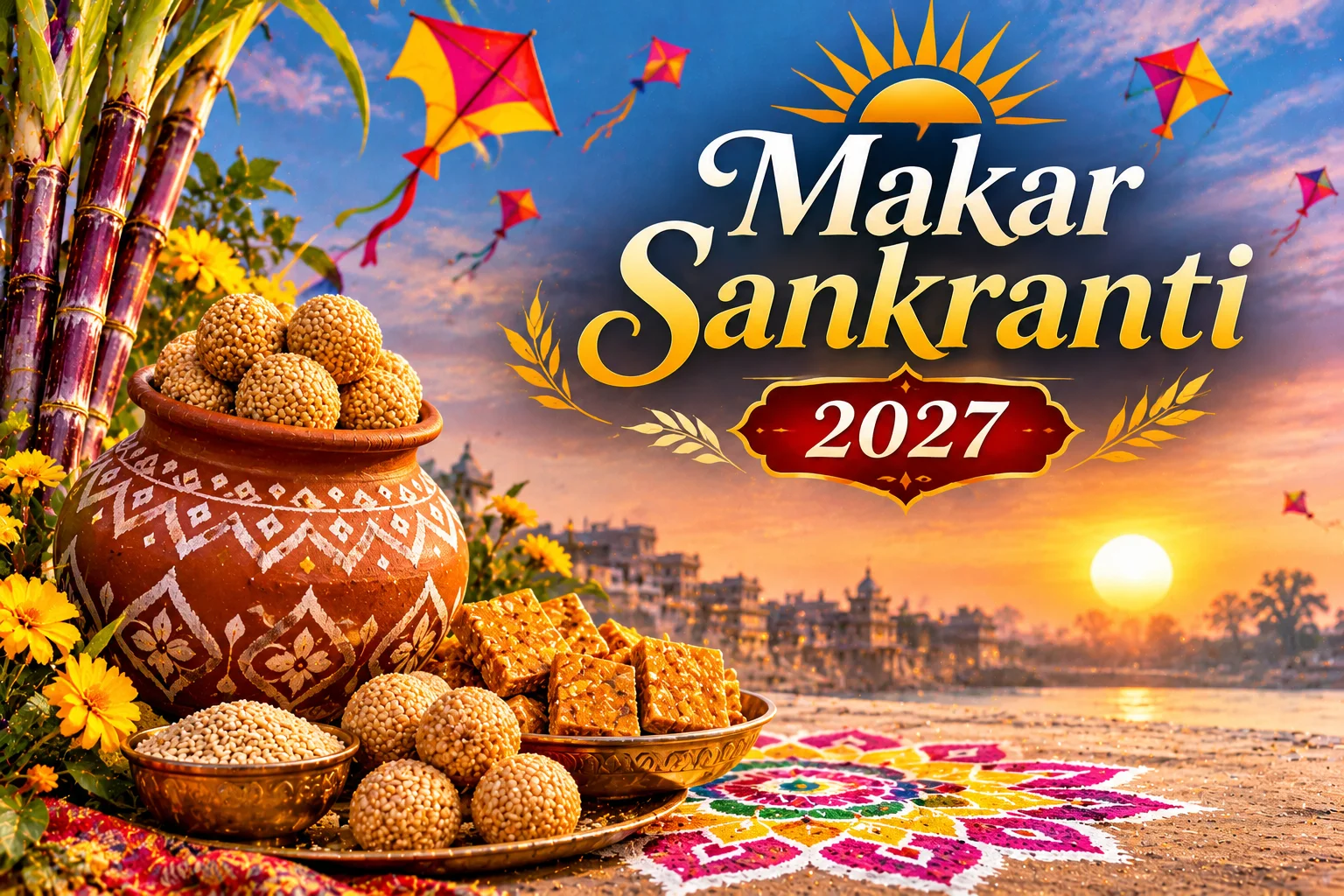
Friday, Jan 15, 2027
Makar Sankranti (Uttarayana / Pongal)
Makar Sankranti is one of the most widely celebrated Hindu festivals in India. It marks the transition of the Sun into Makara Rashi, the zodiac sign of Capricorn, according to the traditional sidereal solar calendar. The word Sankranti refers to the movement of the Sun from one zodiac sign to another, while Makara refers to Capricorn.
View Festival Guide
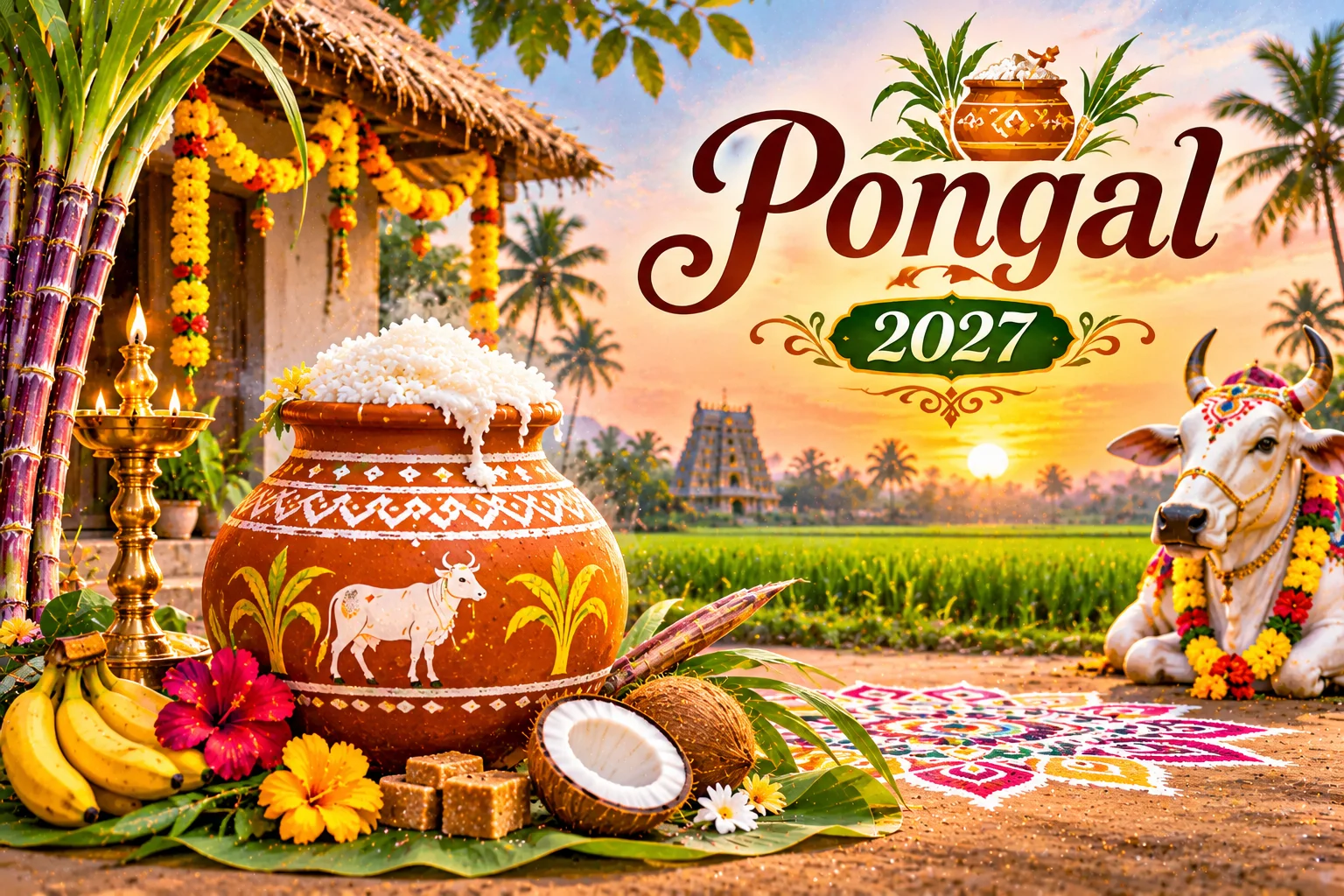
Friday, Jan 15, 2027
Pongal
Pongal is one of the most important traditional harvest festivals of Tamil Nadu. Celebrated with devotion and enthusiasm by Tamil communities in India and around the world, it is a festival of thanksgiving dedicated to the Sun, Mother Nature, agricultural abundance, and the cattle that support farming.
View Festival Guide
Saturday, Jan 16, 2027
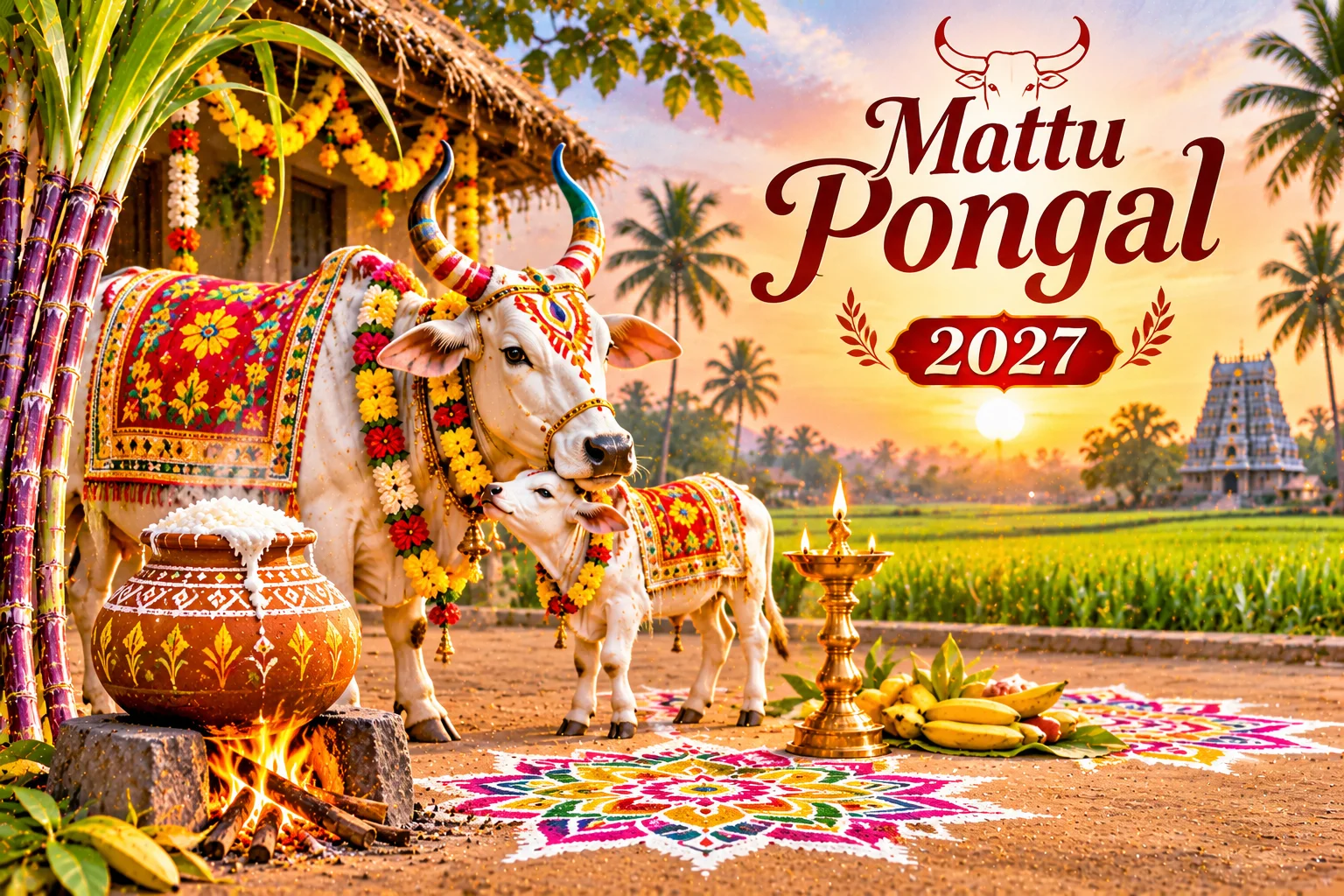
Mattu Pongal
Mattu Pongal is the third day of the traditional four-day Pongal harvest festival celebrated primarily in Tamil Nadu. The word Mattu means cattle in Tamil, and the day is dedicated to honouring cows, bulls, oxen, and other cattle for their valuable contribution to agriculture and rural life.
View Festival Guide

Saturday, Jan 16, 2027
Masik Durgashtami
Masik Durgashtami, also known as Maas Durgashtami or Monthly Durga Ashtami, is a Hindu monthly vrata dedicated to Goddess Durga. It is observed on the Ashtami Tithi, the eighth lunar day of Shukla Paksha, during every Hindu lunar month.
View Festival Guide