




Masik Shivaratri is a monthly Hindu observance dedicated to Lord Shiva. It is observed on the Chaturdashi Tithi of Krishna Paksha, the fourteenth lunar day during the waning phase of the Moon. Devotees worship Lord Shiva with faith, observe a fast and perform night-time prayers to seek spiritual strength, peace and divine blessings.
Krishna Pradosh Vrat 2027: Date, Puja Timings, Rituals & Stories
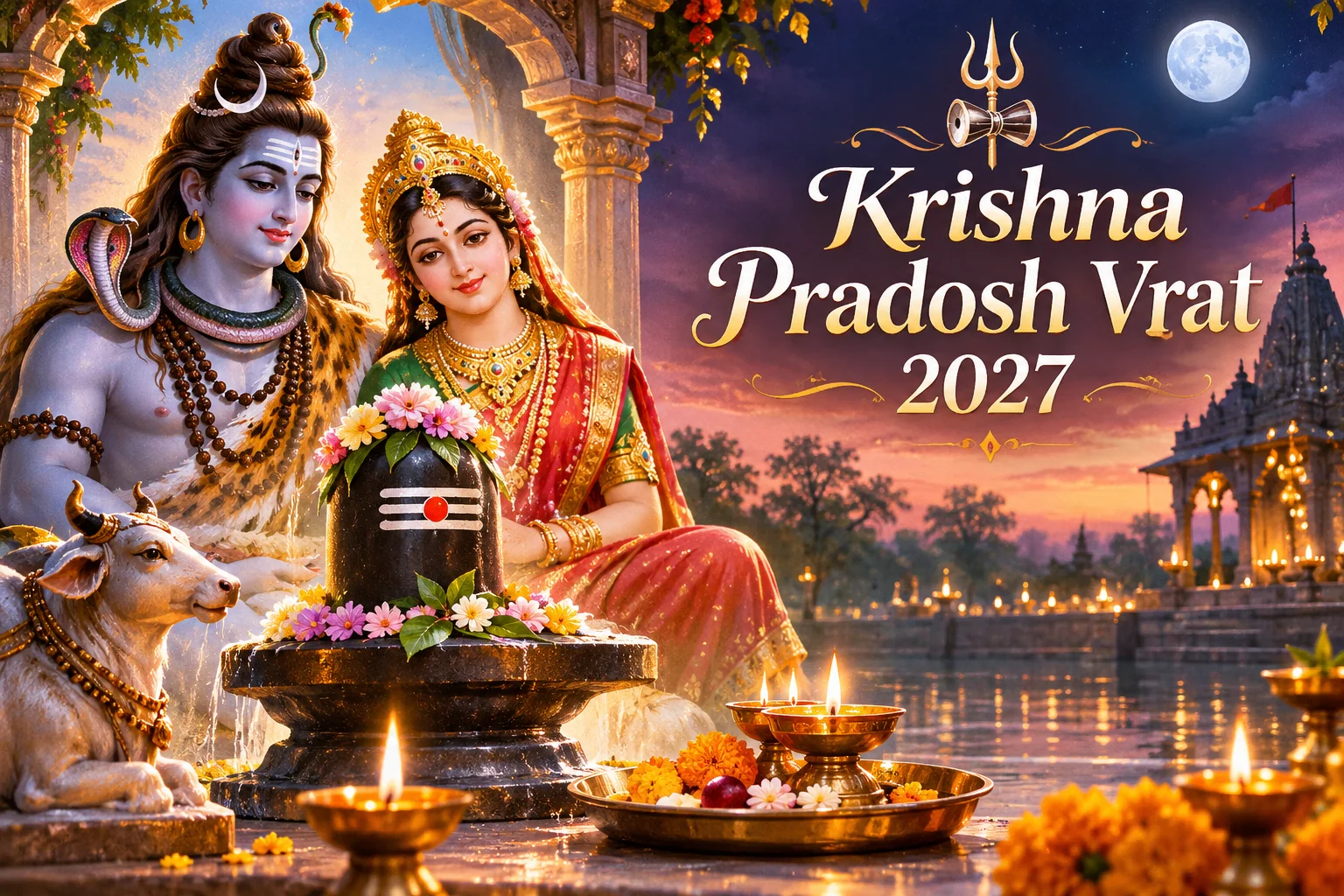
Krishna Pradosh Vrat Timings & Panchang
Important festival dates and auspicious timings
Usha Arghya (Sunrise)
07:15 am
Sandhya Arghya (Sunset)
05:37 pm
Start Date
Monday, 4 Jan 2027
Puja Muhurat
04:08 pm – 06:16 pm
Krishna Pradosh Vrat
The word *Masik* means monthly, while *Shivaratri* means the night of Lord Shiva. Unlike Maha Shivaratri, which is the major annual observance, Masik Shivaratri occurs every lunar month. Devotees commonly perform Shiva Puja during the Nishita Kaal, the middle portion of the night, when the Chaturdashi Tithi is applicable according to the local Panchang.
The observance is associated with devotion, self-discipline and remembrance of Lord Shiva. Devotees may perform Abhishek of the Shiva Lingam, offer Bilva leaves, chant Shiva mantras, read sacred stories and maintain a vigil during the night according to their capacity and tradition.
Why is Krishna Pradosh Vrat Celebrated?
Krishna Pradosh Vrat is observed to worship Lord Shiva and seek His blessings for happiness, peace, prosperity and spiritual development.
According to Hindu religious beliefs, observing Pradosh Vrat with devotion helps devotees overcome difficulties, develop self-control and move towards a more peaceful and disciplined life.
The vrat is particularly associated with the following spiritual purposes:
- Worshipping Lord Shiva and Goddess Parvati.
- Seeking forgiveness for past mistakes.
- Praying for freedom from difficulties and obstacles.
- Developing mental peace and spiritual strength.
- Seeking blessings for family happiness and prosperity.
- Practising patience, discipline and devotion.
- Strengthening one's connection with Lord Shiva.
The Krishna Paksha phase represents the waning Moon. However, the religious importance of this Pradosh observance is primarily connected with Trayodashi and the evening worship of Shiva.
Devotees may observe the vrat according to their family traditions, spiritual capacity and health conditions.
History and Mythological Story of Krishna Pradosh Vrat
The significance of Pradosh Vrat is described in the Pradosha Mahatmya tradition associated with the Skanda Purana. One story connected with the observance is that of Prince Dharmagupta, a young prince who lost his kingdom and was raised by a poor Brahmin widow.
The story explains how devotion to Lord Shiva and the observance of Pradosh Vrat brought positive transformation into their lives.
The Story of Prince Dharmagupta
Long ago, there was a king named Satyaratha who ruled the kingdom of Vidarbha. He was a righteous ruler who cared for his kingdom and subjects.
His kingdom was attacked by enemies. During the conflict, the king was killed, and his kingdom was taken over by his enemies.
His pregnant queen escaped from the kingdom and wandered through difficult circumstances. While travelling near a river, she gave birth to a son. According to the traditional account, she was later attacked by a crocodile and lost her life, leaving the newborn prince alone.
The child was eventually found by a poor Brahmin widow who was travelling with her own son. The widow decided to raise him alongside her child.
How the Widow Raised the Prince
The widow lived a simple life and earned her livelihood by begging. She treated both children with affection and provided for them as best she could.
The prince was named Dharmagupta. Despite his royal background, he grew up in poverty under the care of the widow.
The Meeting with Sage Shandilya
One day, the widow took both children to meet the sage Shandilya. The sage explained the prince's royal background and taught them about the importance of Pradosh Vrat.
Religious and Spiritual Significance of Krishna Pradosh Vrat
Krishna Pradosh Vrat holds an important place among devotional observances dedicated to Lord Shiva. The vrat encourages devotees to spend time in prayer, maintain discipline and develop a deeper understanding of spiritual life.
1. Worship of Lord Shiva
Lord Shiva is the presiding deity of Pradosh Vrat. Devotees worship Him in the form of the Shiva Lingam and offer water, milk, Bilva leaves, flowers and other traditional offerings.
2. Importance of Pradosh Kaal
Pradosh Kaal is considered especially auspicious for Shiva worship. Devotees believe that performing puja during this period brings divine blessings and spiritual merit.
3. Devotion to Goddess Parvati
Goddess Parvati is worshipped alongside Lord Shiva. Devotees pray for harmony, happiness and peace in family life.
4. Removal of Difficulties
Many devotees observe this vrat to seek Lord Shiva's blessings during challenging periods of life. It is traditionally believed that sincere prayers and devotion help devotees develop courage, patience and confidence.
5. Mental Peace and Self-Control
Fasting and prayer encourage discipline and control over everyday habits. Devotees use this occasion to avoid negative thoughts and focus on spiritual activities.
6. Importance of Charity
Charity is an important part of Hindu religious observances. Devotees may donate food, clothing and other useful items to people in need according to their capacity.
How to Celebrate Krishna Pradosh Vrat
Devotees observe Krishna Pradosh Vrat through fasting, Shiva Puja, mantra chanting and devotional activities. The main worship takes place during Pradosh Kaal, although preparations begin in the morning.
Prepare on the Previous Day
- Clean the home and the place of worship.
- Prepare the puja samagri.
- Follow a sattvic diet.
- Avoid alcohol, non-vegetarian food and other prohibited items according to family tradition.
- Maintain a peaceful and devotional state of mind.
Wake Up Early on Trayodashi
- Wake up early in the morning.
- Take a bath and wear clean clothes.
- Clean the puja area.
- Remember Lord Shiva and Goddess Parvati.
- Take a sankalp to observe Krishna Pradosh Vrat according to your capacity.
Observe the Fast
Devotees may observe a complete fast or a partial fast depending on their health and religious traditions. Some devotees consume fruits, milk and permitted vrat foods, while others observe a stricter fast.
Prepare for Evening Worship
Before Pradosh Kaal:
Krishna Pradosh Vrat Puja Vidhi (Step by Step)
- 1
Purification and Preparation
Take a bath and wear clean clothes. Clean the place of worship and arrange the Shiva Lingam or picture of Lord Shiva on a clean platform.
- 2
Take Sankalp
Sit peacefully before Lord Shiva and take a sankalp to observe Krishna Pradosh Vrat with devotion.
- 3
Invoke Lord Ganesha
Begin the puja by remembering Lord Ganesha and seeking His blessings for the successful completion of the worship.
- 4
Perform Shiva Abhishek
Offer water to the Shiva Lingam. Devotees may also perform Abhishek with milk, curd, honey, ghee and other traditional Panchamrit ingredients.
- 5
Offer Bilva Leaves
Offer fresh Bilva leaves to Lord Shiva. These leaves hold special significance in Shiva worship.
- 6
Krishna Pradosh Vrat Puja Samagri List
Krishna Pradosh Vrat Puja Samagri
The following items can be arranged for Krishna Pradosh Vrat Puja.
Essential Puja Items
- Shiva Lingam or picture of Lord Shiva.
- Picture or idol of Goddess Parvati.
- Clean puja cloth.
- Kalash.
- Water.
- Roli and sandalwood paste.
- Akshat (unbroken rice).
- Fresh flowers.
- Bilva leaves.
- Incense sticks.
- Diya and ghee or oil.
- Cotton wicks.
- Camphor.
Abhishek Materials
- Pure water.
- Milk.
- Curd.
- Honey.
- Ghee.
- Sugar.
- Panchamrit.
Mantras and Prayers for Krishna Pradosh Vrat
Krishna Pradosh Vrat Vrat Rules and Fasting Guidelines
Krishna Pradosh Vrat Rules and Fasting Guidelines
Fasting is an important part of Krishna Pradosh Vrat. However, devotees may follow different fasting practices depending on their health, capacity and family traditions.
Types of Krishna Pradosh Fasting
- Nirjala Vrat: A strict fast without food or water. This is an austere form of fasting and should not be attempted without considering one's health.
- Phalahar Vrat: Devotees consume fruits, milk, nuts and other permitted foods.
- Partial Fasting: Some devotees consume one simple meal or permitted vrat foods while avoiding regular grains and other restricted ingredients.
Foods Traditionally Avoided
Depending on the fasting tradition, devotees may avoid:
- Rice.
- Wheat.
- Other grains.
- Pulses and beans.
- Meat and fish.
- Alcohol.
- Onion and garlic.
Foods Commonly Consumed
Depending on household and regional traditions, devotees may consume:
- Fruits.
Dos and Don'ts of Krishna Pradosh Vrat
Good Practices (Do's)
- Worship Lord Shiva and Goddess Parvati with devotion.
- Perform Shiva Abhishek during Pradosh Kaal.
- Offer Bilva leaves and flowers.
- Chant Om Namah Shivaya.
- Read or listen to the Pradosh Vrat Katha.
- Maintain a peaceful and disciplined state of mind.
Krishna Pradosh Vrat Across Regions
| Region | Local Name |
|---|---|
| North India | |
| Rajasthan and Western India | |
| South India | Pradosham |
| Eastern India |
Krishna Pradosh Vrat FAQs
What is Krishna Pradosh Vrat?
Krishna Pradosh Vrat is a Hindu fasting observance dedicated to Lord Shiva. It is observed on the Trayodashi Tithi of Krishna Paksha, the waning phase of the Moon. Devotees fast and worship Lord Shiva during Pradosh Kaal to seek His blessings.
Which God is worshipped on Krishna Pradosh Vrat?
Lord Shiva is the primary deity worshipped on Krishna Pradosh Vrat. Goddess Parvati is also worshipped alongside Him.
When is Krishna Pradosh Vrat observed?
Krishna Pradosh Vrat is observed every lunar month on Krishna Paksha Trayodashi, when the Tithi coincides with the prescribed Pradosh period.
Upcoming Festivals
View All
Tuesday, Jan 5, 2027
Masik Shivaratri
Masik Shivaratri, also known as Monthly Shivaratri or Masa Shivaratri, is a sacred Hindu observance dedicated to Lord Shiva. It is observed every lunar month on Krishna Paksha Chaturdashi, the fourteenth lunar day of the waning fortnight. Devotees worship Lord Shiva and Goddess Parvati, observe a vrat, perform Shiva Lingam Abhishek, chant sacred mantras and remain engaged in prayer during the night.
View Festival Guide
Thursday, Jan 7, 2027
Pausha Amavasya
Pausha Amavasya is an important Hindu observance dedicated to remembering and honouring departed ancestors, known as Pitru. It falls on the Amavasya Tithi, or new-moon day, of the Hindu lunar month of Pausha. Devotees observe this day through sacred bathing, Pitru Tarpan, Shraddha, prayers, charity and acts of service. It is regarded as an appropriate occasion to express gratitude towards ancestors and seek their blessings for the wellbeing of the family.
View Festival Guide
Monday, Jan 11, 2027
Vinayaka Chaturthi
Vinayaka Chaturthi is a Hindu religious observance dedicated to Lord Ganesha, the remover of obstacles, the deity of wisdom, knowledge and auspicious beginnings. It is observed on Shukla Paksha Chaturthi, the fourth lunar day of the waxing fortnight, in each Hindu lunar month. Devotees worship Lord Ganesha through prayers, fasting, mantra chanting, offerings and meditation to seek his blessings for success, prosperity, wisdom and the removal of difficulties.
View Festival Guide
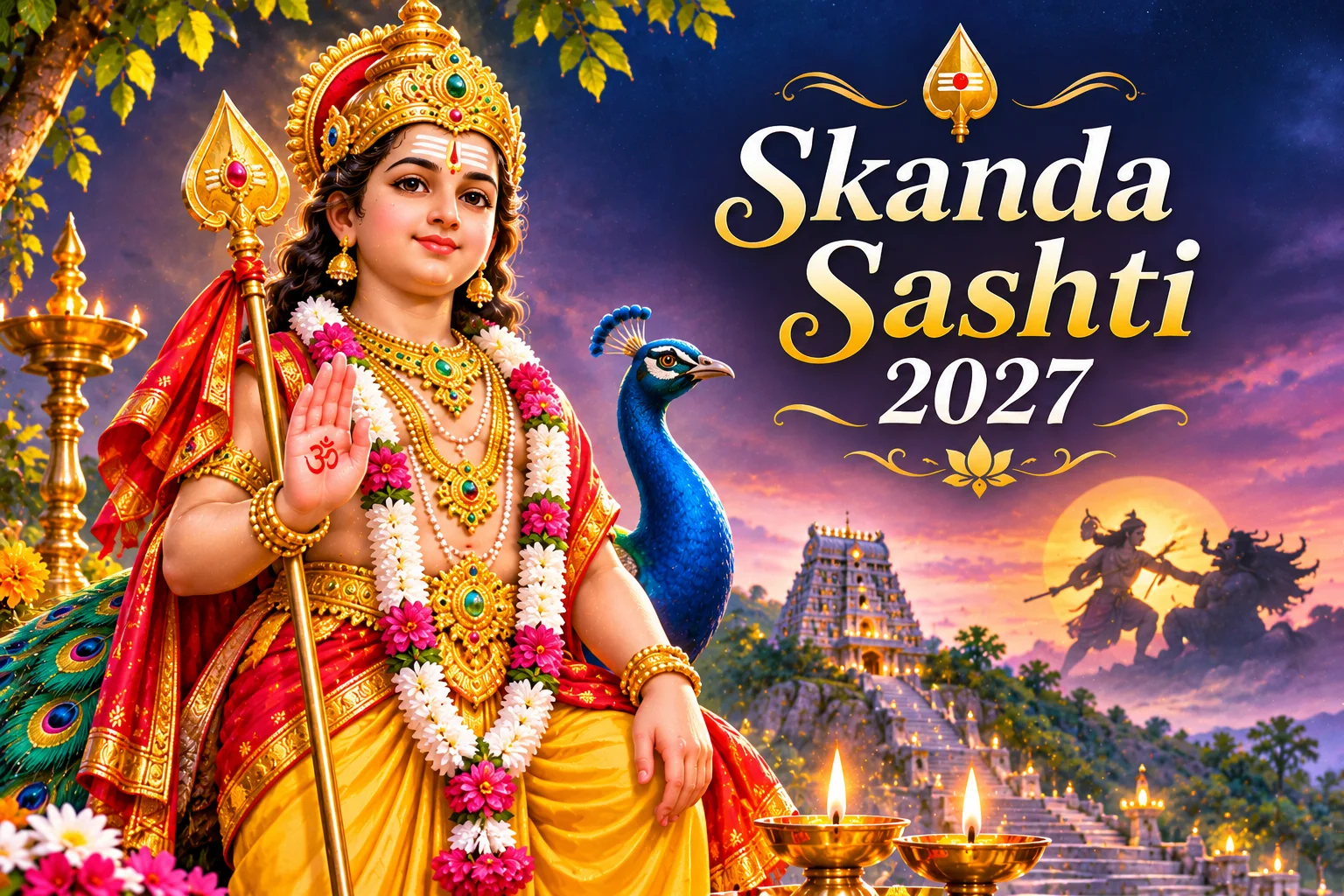
Wednesday, Jan 13, 2027
Skanda Sashti
Skanda Sashti, also known as Kanda Sashti or Skanda Shashthi, is an important Hindu festival dedicated to Lord Skanda, who is worshipped as Murugan, Kartikeya, Subramanya, Shanmukha and Kumara. The festival commemorates the victory of Lord Murugan over the demon Surapadman and the restoration of peace and righteousness. It is especially celebrated by devotees in Tamil Nadu and Tamil communities around the world.
View Festival Guide
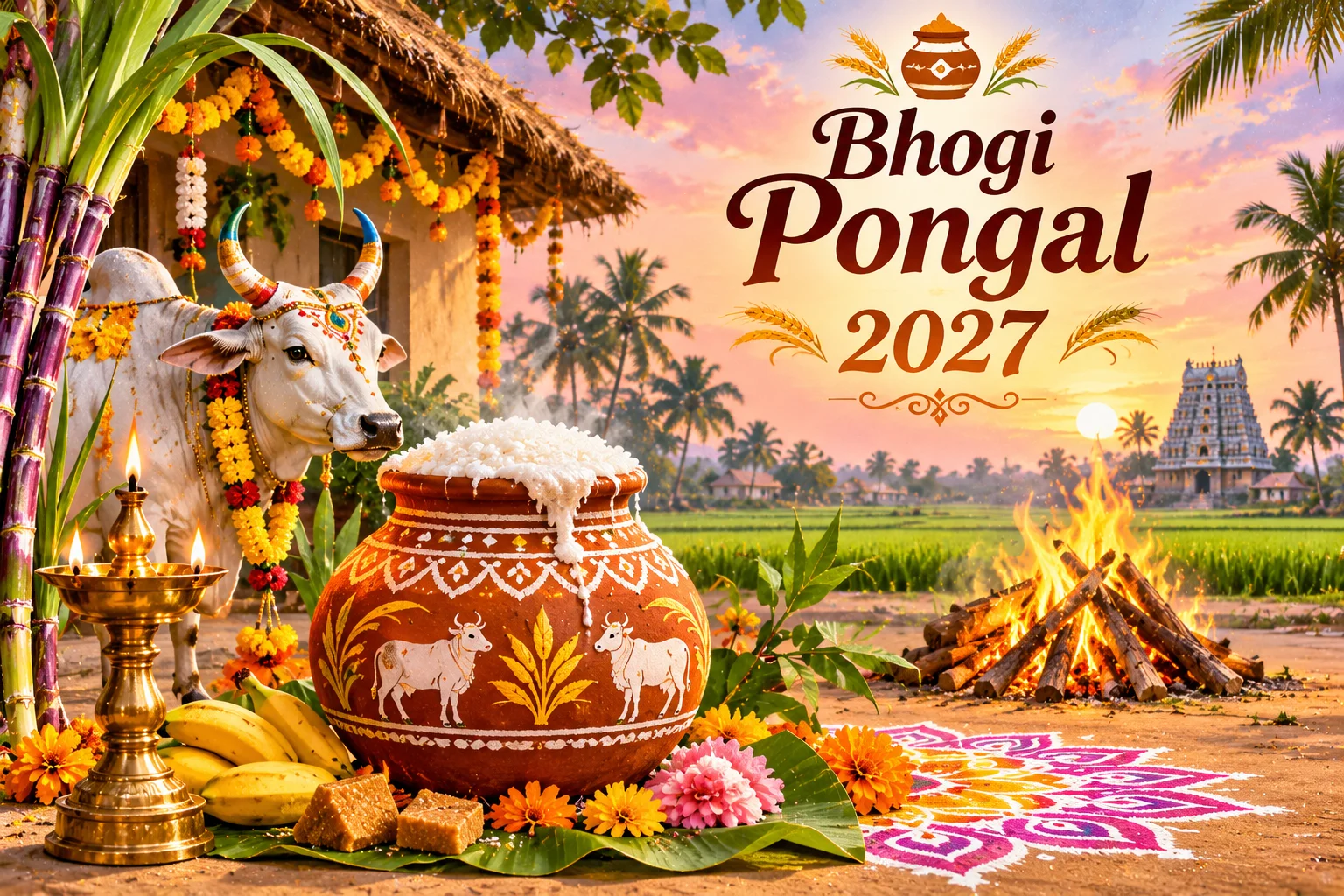
Thursday, Jan 14, 2027
Bhogi Pongal
Bhogi Pongal, also known as Bhogi Pandigai or Bhogi, is the first day of the traditional four-day Pongal harvest festival celebrated mainly in Tamil Nadu and by Tamil communities across the world. It marks the final day of the Tamil month of Margazhi and welcomes the beginning of the auspicious month of Thai. The festival represents renewal, gratitude, prosperity and the transition from the old to the new.
View Festival Guide
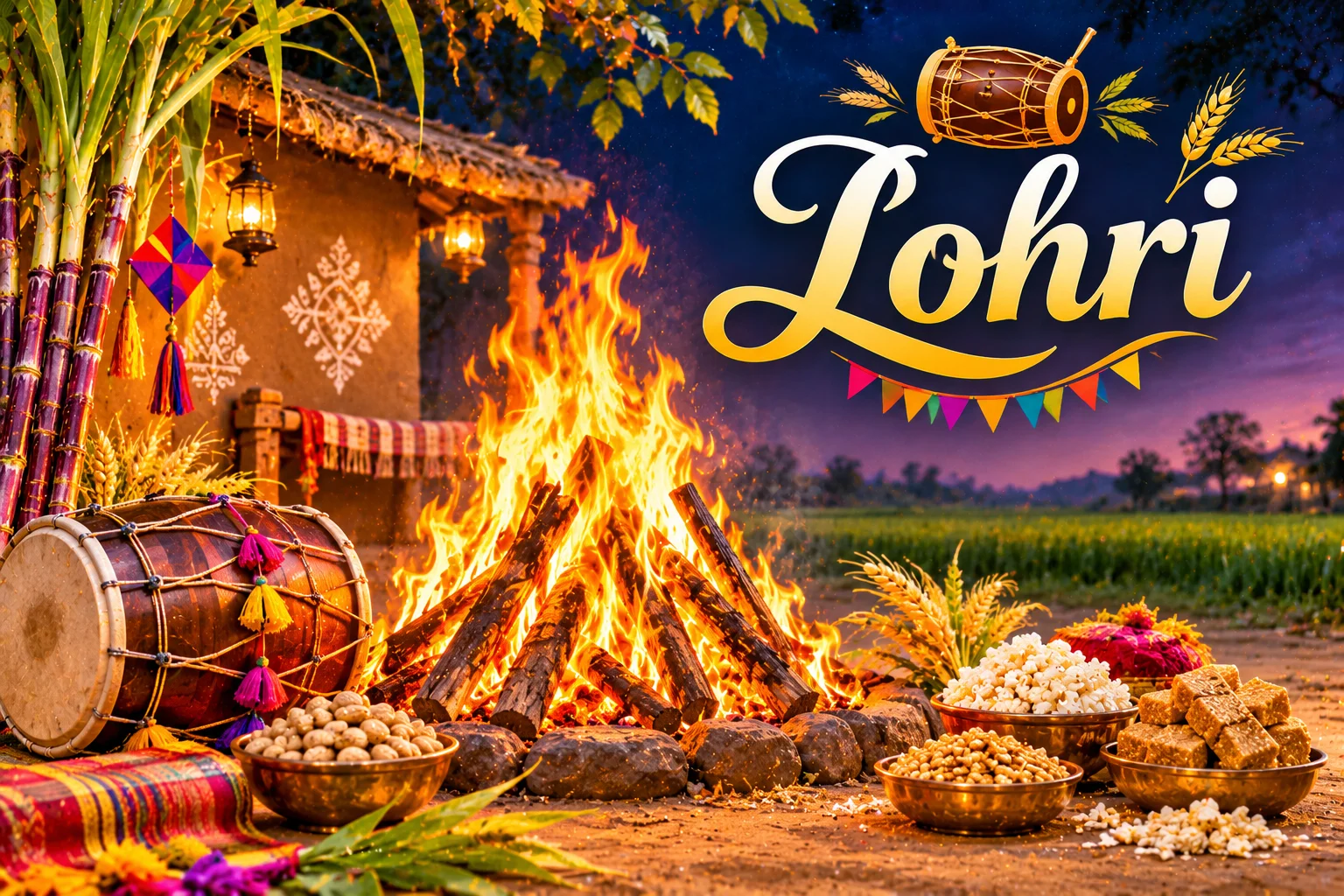
Thursday, Jan 14, 2027
Lohri
Lohri is a popular winter folk festival celebrated with great enthusiasm in Punjab and other parts of northern India. It is especially associated with the Punjabi community and is observed by people of different religious backgrounds as a celebration of warmth, harvest, family, and community life.
View Festival Guide
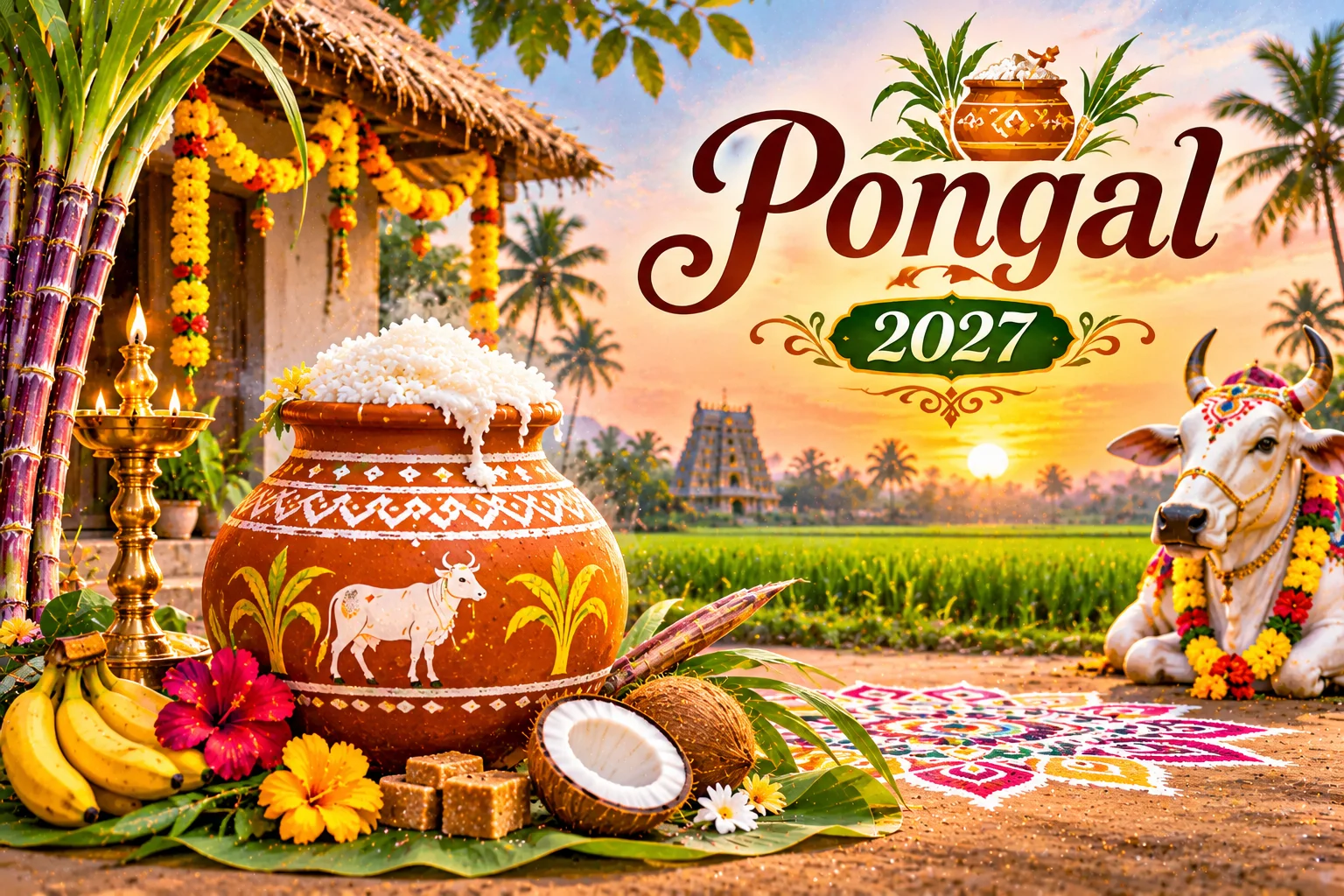
Friday, Jan 15, 2027
Pongal
Pongal is one of the most important traditional harvest festivals of Tamil Nadu. Celebrated with devotion and enthusiasm by Tamil communities in India and around the world, it is a festival of thanksgiving dedicated to the Sun, Mother Nature, agricultural abundance, and the cattle that support farming.
View Festival Guide
Friday, Jan 15, 2027
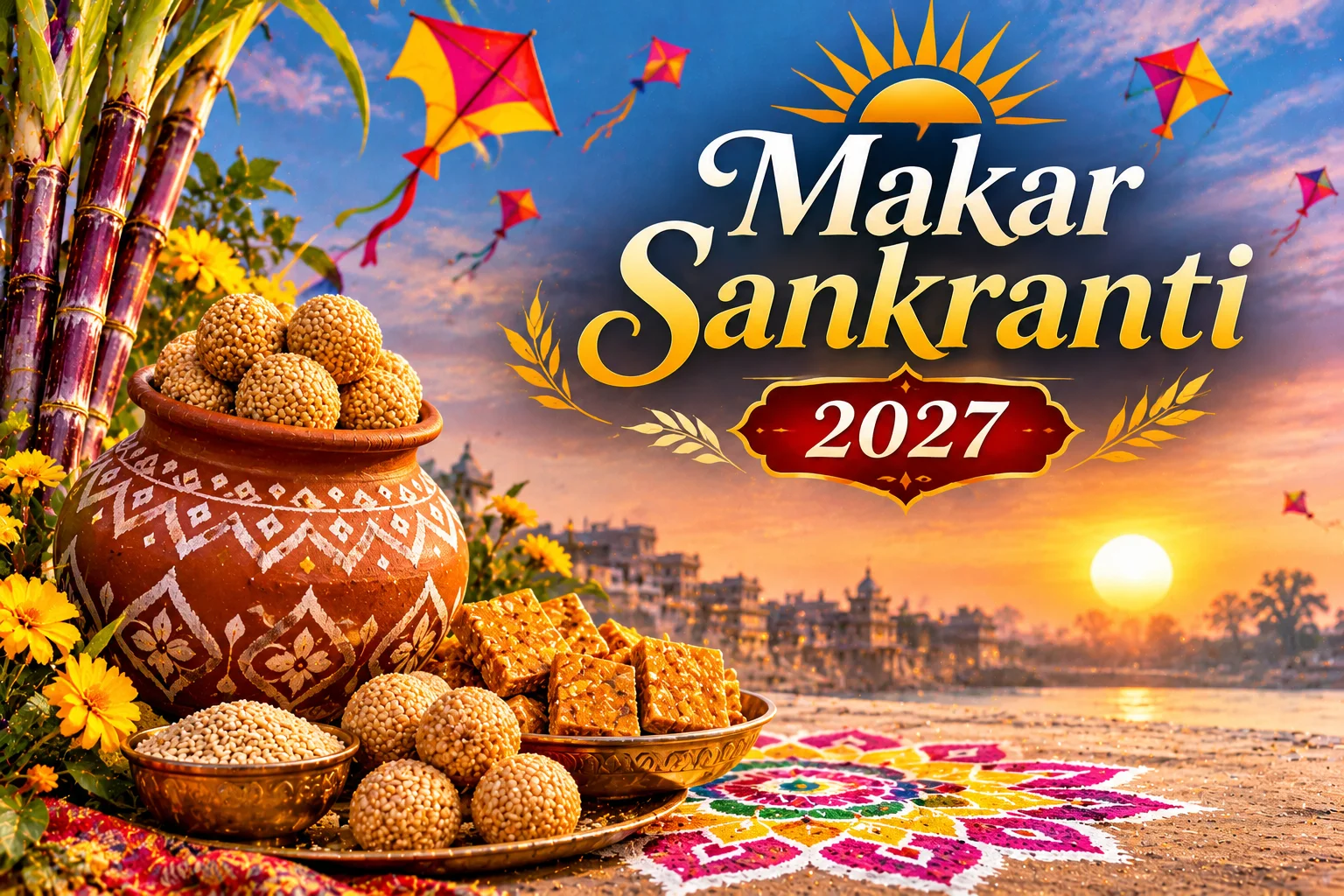
Makar Sankranti (Uttarayana / Pongal)
Makar Sankranti is one of the most widely celebrated Hindu festivals in India. It marks the transition of the Sun into Makara Rashi, the zodiac sign of Capricorn, according to the traditional sidereal solar calendar. The word Sankranti refers to the movement of the Sun from one zodiac sign to another, while Makara refers to Capricorn.
View Festival Guide