




Masik Shivaratri, also known as Monthly Shivaratri or Masa Shivaratri, is a sacred Hindu observance dedicated to Lord Shiva. It is observed every lunar month on Krishna Paksha Chaturdashi, the fourteenth lunar day of the waning fortnight. Devotees worship Lord Shiva and Goddess Parvati, observe a vrat, perform Shiva Lingam Abhishek, chant sacred mantras and remain engaged in prayer during the night.
Masik Shivaratri 2027: Date, Puja Timings, Rituals & Stories
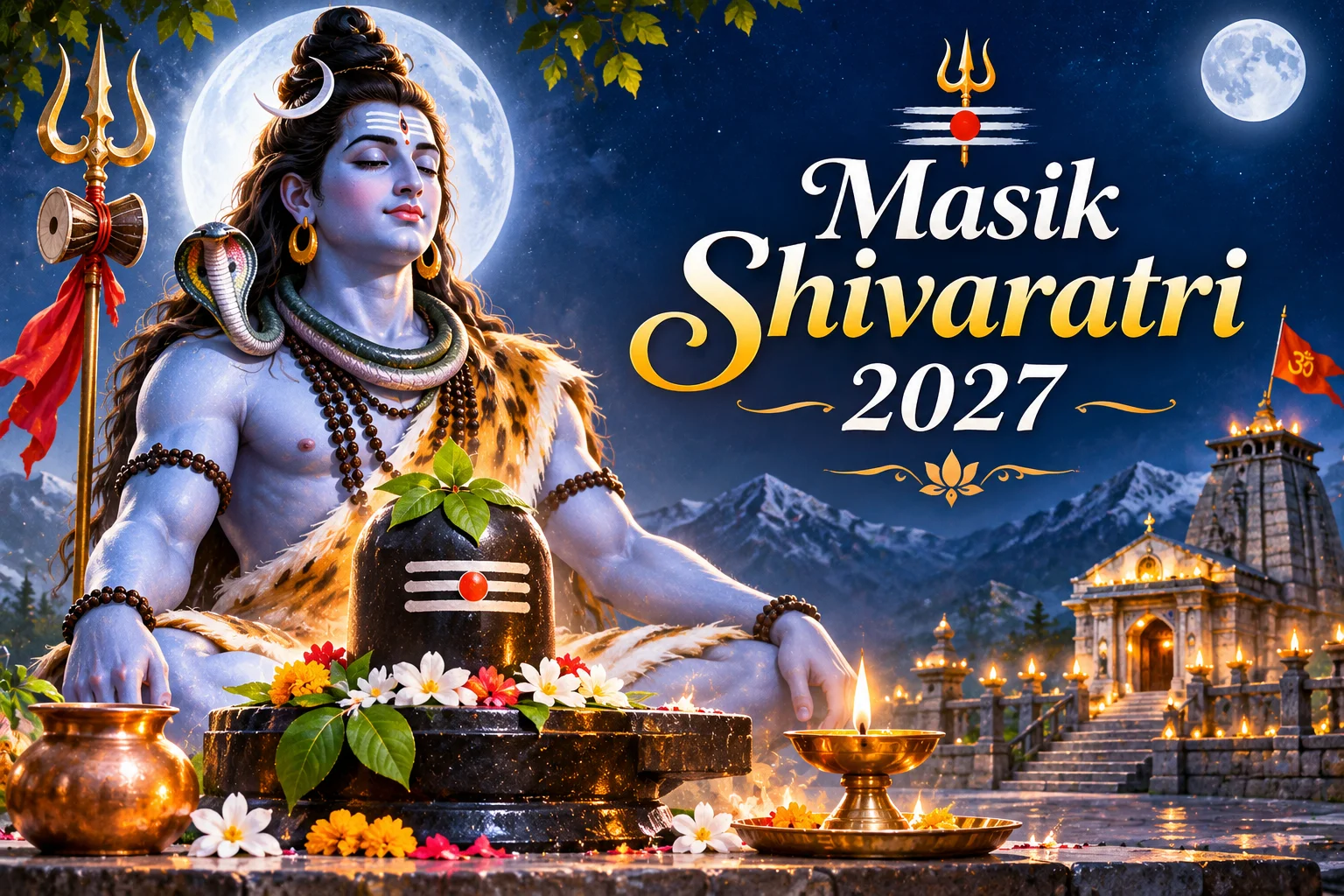
Masik Shivaratri Timings & Panchang
Important festival dates and auspicious timings
Usha Arghya (Sunrise)
07:15 am
Sandhya Arghya (Sunset)
05:38 pm
Start Date
Tuesday, 5 Jan 2027
Puja Muhurat
06:16 pm – 08:39 pm
Masik Shivaratri
The word Masik means monthly, while Shivaratri means the night of Lord Shiva. The observance provides devotees with a recurring opportunity to strengthen their spiritual discipline, practise self-control and seek the blessings of Mahadev. Nishita Kaal, the midnight period, is traditionally considered especially important for Shiva worship. Devotees may perform a single puja during Nishita Kaal or worship during all four night Prahars according to their family tradition and capacity.
Masik Shivaratri is observed throughout the year. The Shivaratri falling in the lunar month of Magha according to the Amanta calendar, or Phalguna according to the Purnimanta calendar, is celebrated as Maha Shivaratri. The two calendar systems use different lunar-month naming conventions, but the observance falls on the same day.
Why is Masik Shivaratri Celebrated?
Masik Shivaratri is observed to honour Lord Shiva, the supreme deity associated with transformation, consciousness, meditation and liberation. The monthly vrat reminds devotees to turn their attention away from material distractions and towards spiritual reflection. Worship during the dark lunar fortnight symbolises the effort to overcome ignorance and discover inner awareness.
Devotees believe that sincere worship, fasting, meditation and mantra chanting on this night bring spiritual strength and the grace of Lord Shiva. The observance is not limited to elaborate rituals; simplicity, self-discipline and devotion are considered central to the vrat.
The tradition of worshipping Shiva during the night is also associated with the sacred symbolism of the Shiva Lingam. The Lingam represents the infinite and formless nature of the divine. Worship during the midnight period is therefore regarded as a meaningful opportunity for meditation, prayer and contemplation.
- To worship Lord Shiva and Goddess Parvati with devotion and gratitude.
- To practise fasting, restraint, meditation and spiritual discipline.
- To seek peace, wisdom, courage and freedom from negative tendencies.
- To cultivate patience, humility and control over the senses.
- To pray for harmony, wellbeing and prosperity within the family.
- To maintain a regular spiritual connection through monthly worship.
- To remember the significance of Shiva as the source of transformation and liberation.
History and Mythological Background of Masik Shivaratri
The tradition of Shiva worship
Lord Shiva has an important place in Hindu religious traditions and is worshipped in many forms, including as Mahadeva, Shankara, Rudra, Nataraja and the Shiva Lingam. The practice of worshipping Shiva during Krishna Paksha Chaturdashi is connected with the broader tradition of Shivaratri observances.
Shivaratri is associated with night worship, fasting, meditation and remembrance of Shiva. Masik Shivaratri extends this devotional practice throughout the lunar year, allowing devotees to observe a dedicated night of worship every month.
The infinite Shiva Lingam
A widely known tradition associated with Maha Shivaratri describes the appearance of Lord Shiva as an immeasurable pillar of light. In this account, Lord Brahma and Lord Vishnu seek to discover the beginning and end of the divine manifestation but cannot find its limits.
The manifestation is understood as a symbol of Shiva's infinite and formless nature. The Shiva Lingam is worshipped as a representation of this boundless reality. This story is particularly associated with Maha Shivaratri and provides an important theological context for Shivaratri worship.
The story of the hunter and the Bilva leaves
A popular Shivaratri narrative tells of a hunter who unintentionally performs worship of Lord Shiva while spending a night in a forest. According to the traditional account, the hunter climbs a Bilva tree to protect himself and remains awake during the night.
As he moves on the tree, Bilva leaves fall onto a Shiva Lingam below. The hunter also remains without food during the night and unknowingly fulfils elements of the Shivaratri observance. His actions are interpreted as an example of the compassionate nature of Lord Shiva, who responds to sincere devotion even when it is not performed with complete ritual knowledge.
The story is commonly associated with the spiritual message that devotion, awareness and the grace of Shiva can transform a person's life. Versions of this narrative are found in Shivaratri devotional traditions, and the details may differ between regional retellings.
Spiritual Significance of Masik Shivaratri
Worship of Lord Shiva
Masik Shivaratri is dedicated to Lord Shiva, who represents transformation, inner awareness, detachment and spiritual freedom. Devotees use this occasion to offer prayers, perform Abhishek and remember Shiva through meditation and mantra chanting.
The observance encourages devotees to develop a consistent spiritual routine rather than limiting worship to major annual festivals.
The meaning of the night
Night worship is an important feature of Shivaratri. The quietness of the night provides an opportunity for prayer, contemplation and meditation. Nishita Kaal, the midnight period, is traditionally considered especially auspicious for Shiva Puja.
Remaining awake in devotion, known as Jagaran, symbolises alertness and the effort to overcome spiritual ignorance. Devotees may spend the night chanting Om Namah Shivaya, listening to Shiva-related stories, singing bhajans or meditating.
Significance of fasting
Fasting on Masik Shivaratri is regarded as a practice of self-discipline and restraint. By voluntarily limiting food and other sensory pleasures, devotees attempt to focus their attention on prayer and spiritual reflection.
Different families follow different fasting practices. Some observe a strict fast, while others consume fruits, milk or permitted vrat food. The purpose is devotional discipline rather than physical hardship.
The symbolism of Shiva Lingam Abhishek
Abhishek is the ritual bathing of the Shiva Lingam with sacred substances such as water, milk or Panchamrit. Water symbolises purity and life, while the act of offering it expresses reverence and surrender.
Bilva leaves are among the most recognised offerings associated with Shiva worship. Devotees offer them with prayers and remember Shiva's compassionate and auspicious nature.
How to Celebrate Masik Shivaratri
Masik Shivaratri can be observed at home or in a Shiva temple. Devotees generally begin the day with a bath, clean clothes and a personal vow to observe the vrat. The puja may be performed with a Shiva Lingam or an image of Lord Shiva, depending on the available arrangements and family tradition.
Morning observance
Devotees wake up early, bathe and prepare a clean place for worship. After offering prayers to Lord Ganesha, they take a Sankalp to observe Masik Shivaratri with sincerity. Those observing a fast follow their chosen fasting discipline throughout the day.
Evening worship
Before the night puja, devotees may bathe again, clean the worship area and arrange the puja materials. They offer water, milk or Panchamrit to the Shiva Lingam, followed by Bilva leaves, flowers, incense and a lamp. Shiva mantras and devotional hymns are recited.
Nishita Kaal Puja
Nishita Kaal is the central worship period associated with Shivaratri. Devotees perform Shiva Abhishek, offer Bilva leaves and chant Om Namah Shivaya during this period.
Night vigil and four Prahar worship
Some devotees remain awake throughout the night, singing bhajans, reading Shiva-related scriptures and meditating. Those following the four-Prahar tradition divide the night into four worship periods and perform Shiva Puja in each period. A devotee who cannot remain awake for the entire night may perform the main puja during Nishita Kaal according to their capacity.
Breaking the fast
The fast is generally concluded on the following day after the prescribed worship and Parana period. The appropriate time depends on the local Panchang and the Chaturdashi Tithi.
Masik Shivaratri Puja Vidhi (Step by Step)
- 1
Wake Up Early and Take a Holy Bath
Wake up early in the morning, take a bath and wear clean clothes. Devotees may add a small quantity of Ganga Jal to their bathing water if available. Prepare mentally for the day's worship and maintain a peaceful and devotional attitude.
- 2
Clean the Puja Area
Clean the place where the Shiva Lingam or image of Lord Shiva will be worshipped. Arrange a clean platform, puja utensils, water, flowers, Bilva leaves and other required materials. A simple and clean worship space is sufficient.
- 3
Take the Vrat Sankalp
Sit before Lord Shiva, hold water, flowers and Akshat in the right hand if following this traditional method, and take a personal vow to observe Masik Shivaratri. Pray for the strength to complete the vrat with sincerity and devotion.
- 4
Offer Prayers to Lord Ganesha
Begin the puja by remembering Lord Ganesha. Offer flowers, Akshat and prayers, seeking the removal of obstacles from the worship. This step follows the common Hindu puja sequence.
- 5
Masik Shivaratri Puja Samagri List
Shiva Worship Essentials
- Shiva Lingam or an image of Lord Shiva
- Clean water
- Ganga Jal, if available
- Panchpatra and Achamani
- Puja thali
- Kalash
- Clean cloth
- Akshat (unbroken rice)
Abhishek Materials
- Milk
- Curd
- Honey
- Ghee
- Sugar
- Clean water
- Panchamrit
Panchamrit is commonly prepared using milk, curd, ghee, honey and sugar. Devotees may use a simpler water Abhishek if the other ingredients are unavailable.
Flowers and Traditional Offerings
- Fresh Bilva leaves
- White flowers
- Datura flowers or fruit, where customary
Mantras and Prayers for Masik Shivaratri
Masik Shivaratri Vrat Rules and Fasting Guidelines
Take a Vrat Sankalp
Begin the observance with a sincere Sankalp to worship Lord Shiva and follow the chosen fasting discipline. The Sankalp should reflect the devotee's actual capacity and family tradition.
Maintain Cleanliness and Purity
Maintain personal cleanliness and keep the puja area clean. Use fresh offerings and clean utensils for Shiva Lingam Abhishek.
Fasting Practices
Fasting practices vary. Some devotees observe a strict fast, while others consume fruits, milk, water or permitted vrat food. A strict Nirjala fast is not suitable for everyone and should not be undertaken when it may harm health.
- Follow the fasting practice suitable for your health and tradition.
- Avoid overeating before or after the vrat.
- Consume adequate fluids if following a fast that permits water.
- People with medical conditions, those taking regular medication, pregnant people and others with special dietary needs should seek appropriate medical advice before fasting.
Night Worship and Jagaran
Devotees traditionally remain awake during the night and engage in Shiva worship. Those unable to stay awake throughout the night may perform the main puja during Nishita Kaal and follow a manageable devotional routine.
Mantra Chanting and Meditation
Chant Om Namah Shivaya or another Shiva mantra with concentration. Meditation, reading devotional texts and listening to Shiva bhajans are also suitable forms of worship.
Dos and Don'ts of Masik Shivaratri
Good Practices (Do's)
- Begin the vrat with a sincere Sankalp.
- Keep the puja area and worship materials clean.
- Offer clean water to the Shiva Lingam.
- Offer fresh Bilva leaves according to customary practice.
- Chant Om Namah Shivaya with concentration.
- Perform the main Shiva Puja during the local Nishita Kaal when possible.
Masik Shivaratri Across Regions
| Region | Local Name |
|---|---|
| Rajasthan | |
| Uttar Pradesh | |
| Madhya Pradesh | |
| Maharashtra | |
| Tamil Nadu | Masa Shivaratri |
| Karnataka | |
| Andhra Pradesh and Telangana | |
| West Bengal | |
| Nepal |
Masik Shivaratri FAQs
What is Masik Shivaratri?
Masik Shivaratri is a monthly Hindu observance dedicated to Lord Shiva. It falls on Krishna Paksha Chaturdashi, the fourteenth lunar day of the waning fortnight, and is observed through fasting, Shiva worship, Abhishek and night prayers.
When is Masik Shivaratri observed?
Masik Shivaratri is observed on Krishna Paksha Chaturdashi of each lunar month. The specific civil-calendar date depends on the Chaturdashi Tithi and the applicable observance rules.
Which deity is worshipped on Masik Shivaratri?
Lord Shiva is the principal deity worshipped on Masik Shivaratri. Devotees also offer prayers to Goddess Parvati.
Upcoming Festivals
View All
Tuesday, Jan 5, 2027
Krishna Pradosh Vrat
Masik Shivaratri is a monthly Hindu observance dedicated to Lord Shiva. It is observed on the Chaturdashi Tithi of Krishna Paksha, the fourteenth lunar day during the waning phase of the Moon. Devotees worship Lord Shiva with faith, observe a fast and perform night-time prayers to seek spiritual strength, peace and divine blessings.
View Festival Guide
Thursday, Jan 7, 2027
Pausha Amavasya
Pausha Amavasya is an important Hindu observance dedicated to remembering and honouring departed ancestors, known as Pitru. It falls on the Amavasya Tithi, or new-moon day, of the Hindu lunar month of Pausha. Devotees observe this day through sacred bathing, Pitru Tarpan, Shraddha, prayers, charity and acts of service. It is regarded as an appropriate occasion to express gratitude towards ancestors and seek their blessings for the wellbeing of the family.
View Festival Guide
Monday, Jan 11, 2027
Vinayaka Chaturthi
Vinayaka Chaturthi is a Hindu religious observance dedicated to Lord Ganesha, the remover of obstacles, the deity of wisdom, knowledge and auspicious beginnings. It is observed on Shukla Paksha Chaturthi, the fourth lunar day of the waxing fortnight, in each Hindu lunar month. Devotees worship Lord Ganesha through prayers, fasting, mantra chanting, offerings and meditation to seek his blessings for success, prosperity, wisdom and the removal of difficulties.
View Festival Guide
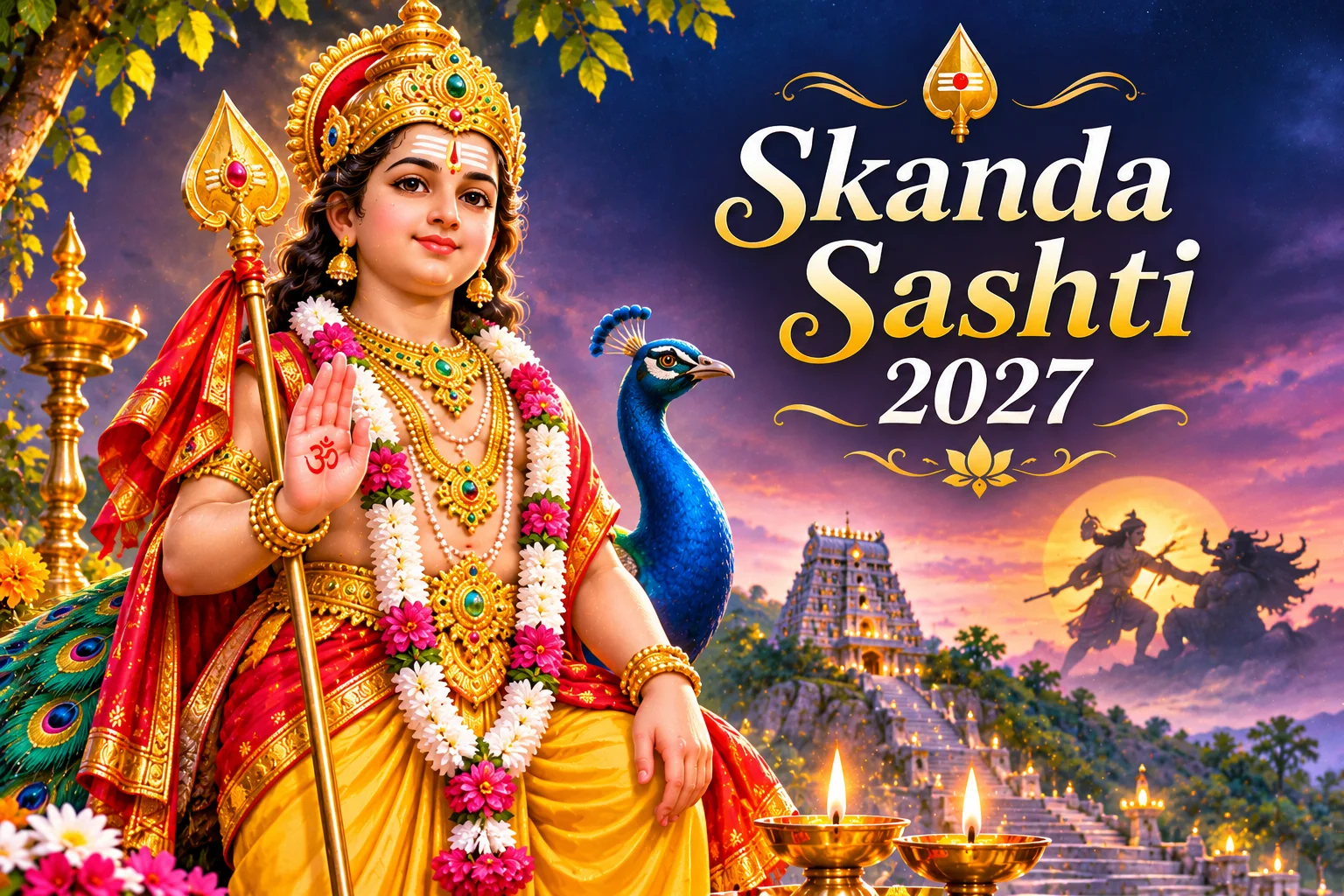
Wednesday, Jan 13, 2027
Skanda Sashti
Skanda Sashti, also known as Kanda Sashti or Skanda Shashthi, is an important Hindu festival dedicated to Lord Skanda, who is worshipped as Murugan, Kartikeya, Subramanya, Shanmukha and Kumara. The festival commemorates the victory of Lord Murugan over the demon Surapadman and the restoration of peace and righteousness. It is especially celebrated by devotees in Tamil Nadu and Tamil communities around the world.
View Festival Guide
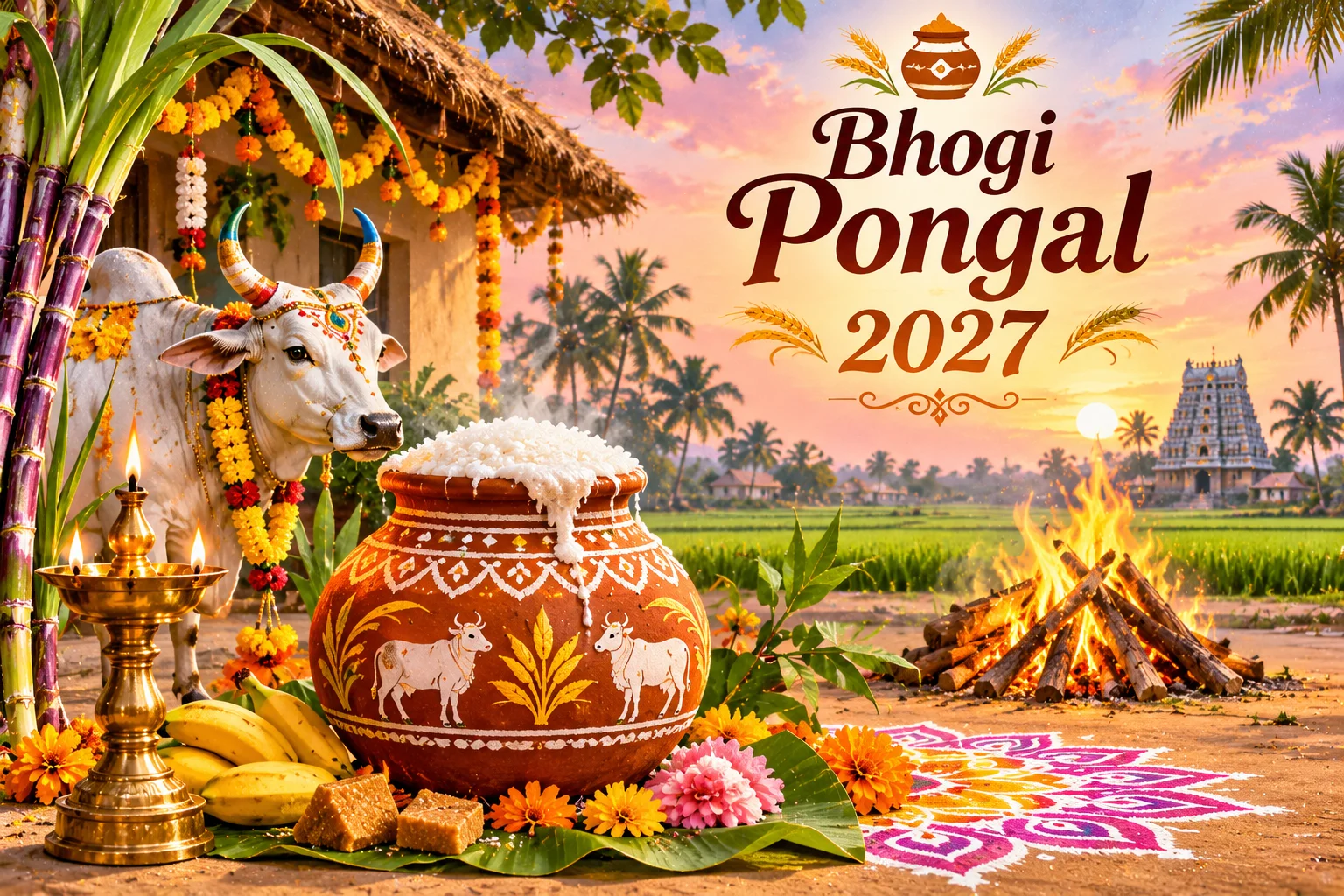
Thursday, Jan 14, 2027
Bhogi Pongal
Bhogi Pongal, also known as Bhogi Pandigai or Bhogi, is the first day of the traditional four-day Pongal harvest festival celebrated mainly in Tamil Nadu and by Tamil communities across the world. It marks the final day of the Tamil month of Margazhi and welcomes the beginning of the auspicious month of Thai. The festival represents renewal, gratitude, prosperity and the transition from the old to the new.
View Festival Guide
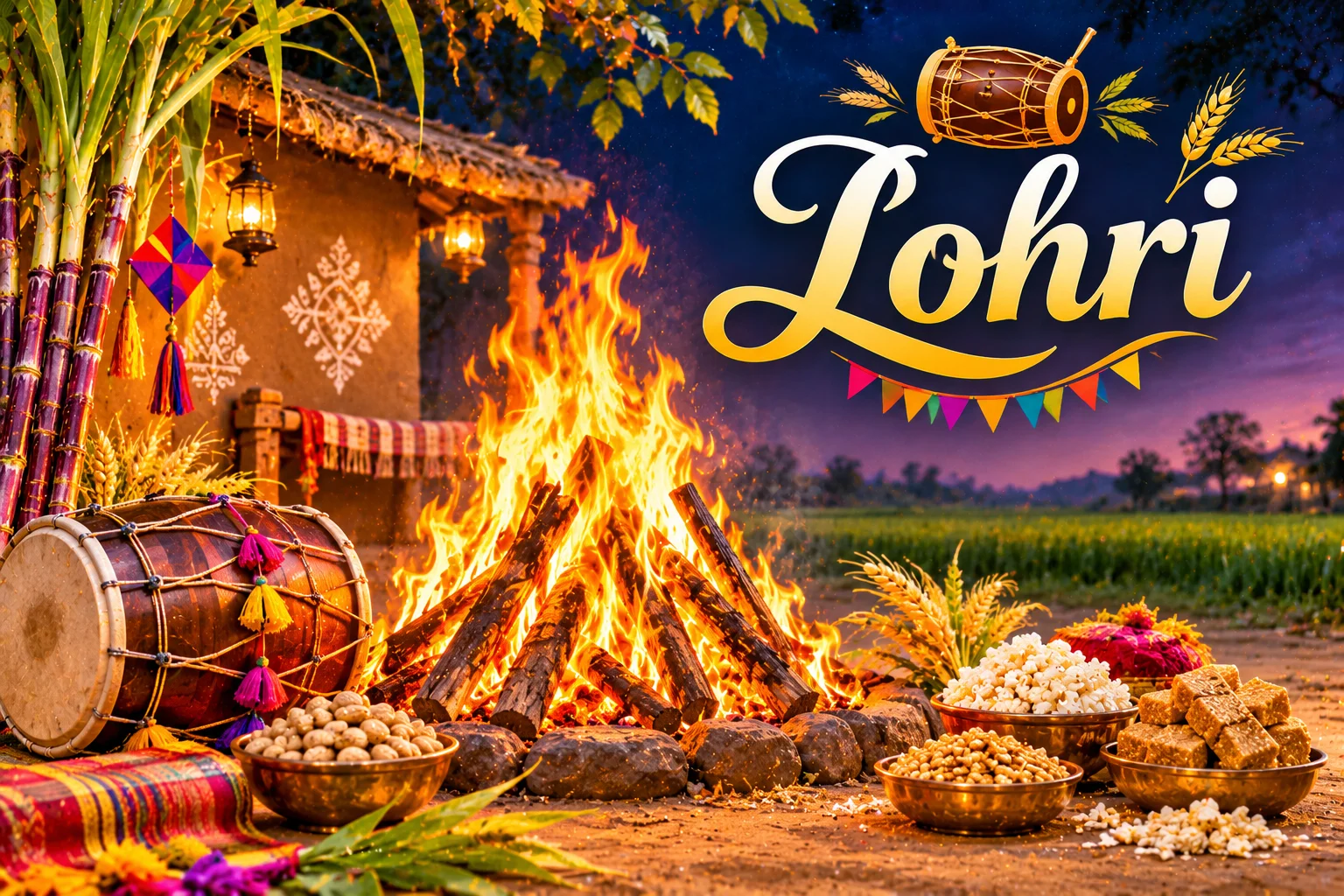
Thursday, Jan 14, 2027
Lohri
Lohri is a popular winter folk festival celebrated with great enthusiasm in Punjab and other parts of northern India. It is especially associated with the Punjabi community and is observed by people of different religious backgrounds as a celebration of warmth, harvest, family, and community life.
View Festival Guide
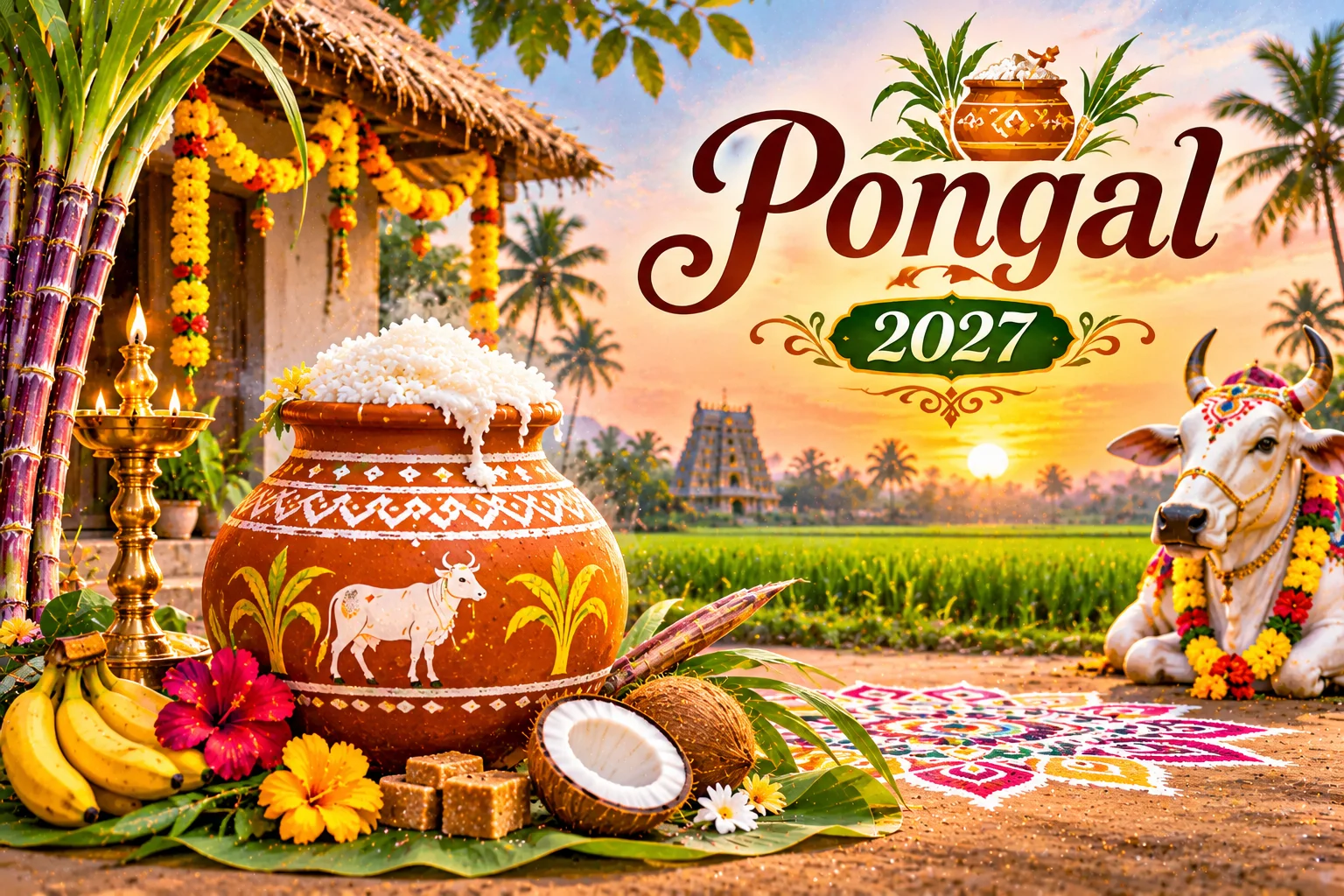
Friday, Jan 15, 2027
Pongal
Pongal is one of the most important traditional harvest festivals of Tamil Nadu. Celebrated with devotion and enthusiasm by Tamil communities in India and around the world, it is a festival of thanksgiving dedicated to the Sun, Mother Nature, agricultural abundance, and the cattle that support farming.
View Festival Guide
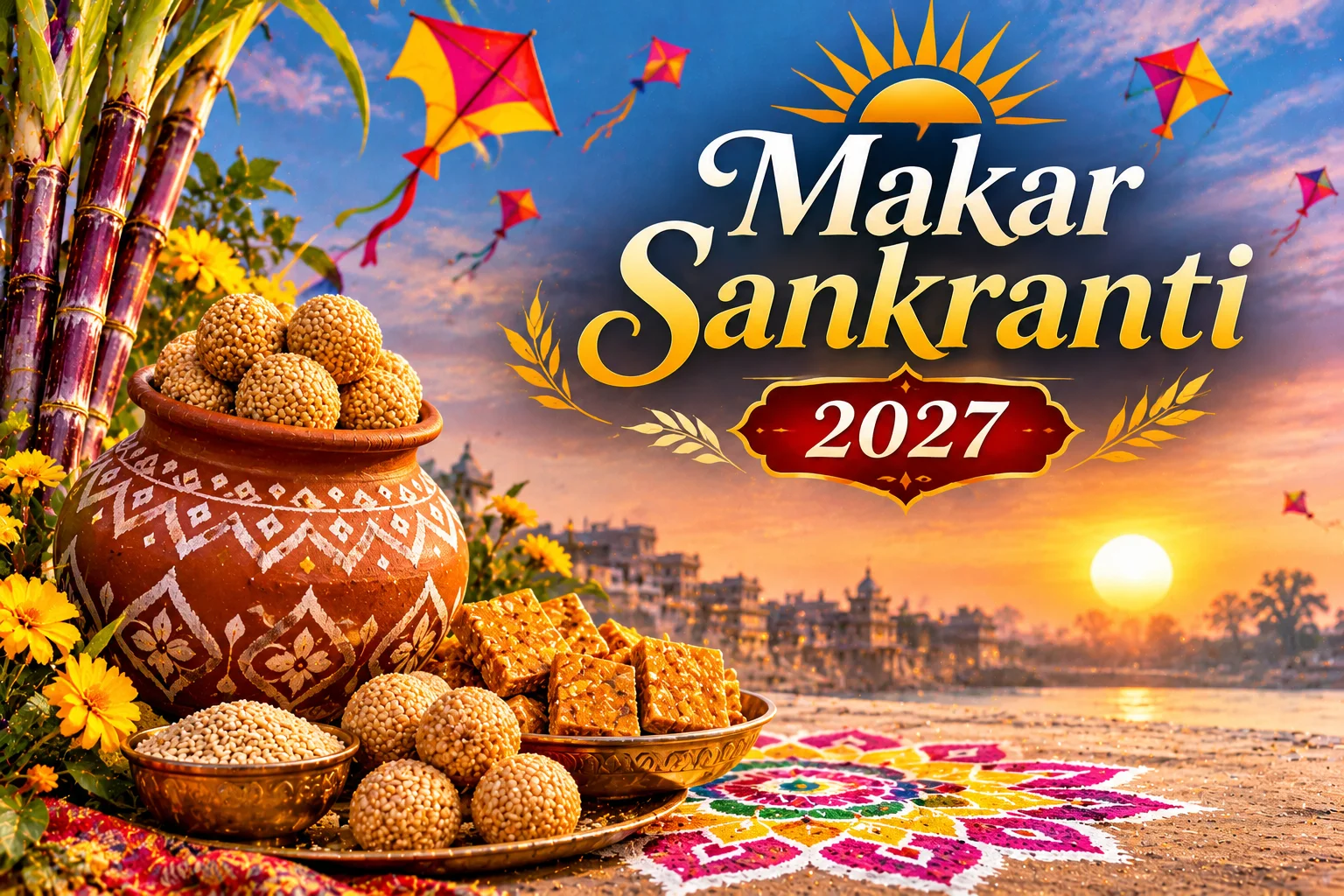
Friday, Jan 15, 2027
Makar Sankranti (Uttarayana / Pongal)
Makar Sankranti is one of the most widely celebrated Hindu festivals in India. It marks the transition of the Sun into Makara Rashi, the zodiac sign of Capricorn, according to the traditional sidereal solar calendar. The word Sankranti refers to the movement of the Sun from one zodiac sign to another, while Makara refers to Capricorn.
View Festival Guide