




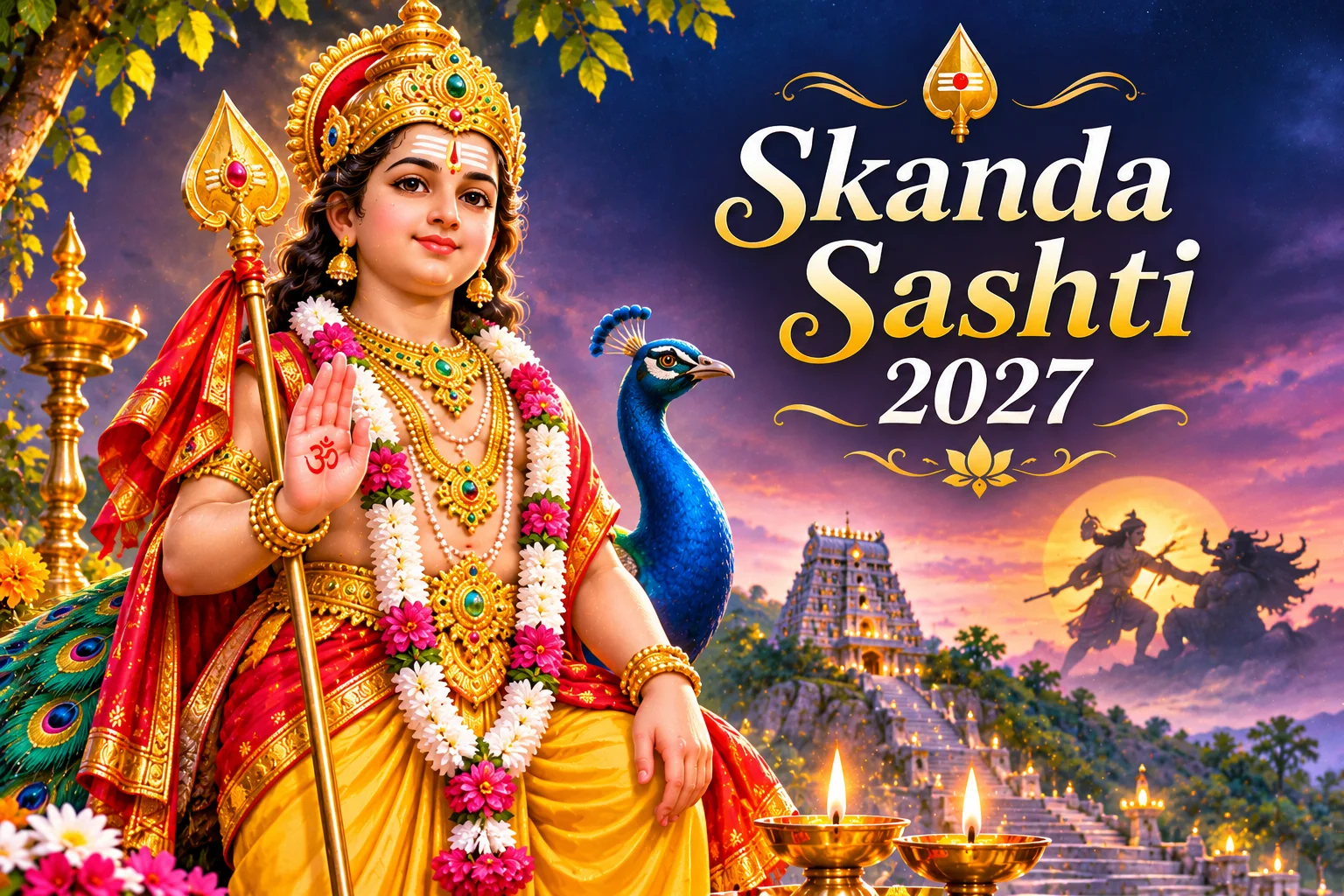
Skanda Sashti, also known as Kanda Sashti or Skanda Shashthi, is an important Hindu festival dedicated to Lord Skanda, who is worshipped as Murugan, Kartikeya, Subramanya, Shanmukha and Kumara. The festival commemorates the victory of Lord Murugan over the demon Surapadman and the restoration of peace and righteousness. It is especially celebrated by devotees in Tamil Nadu and Tamil communities around the world.
Skanda Sashti 2027: Date, Puja Timings, Rituals & Stories
Skanda Sashti Timings & Panchang
Important festival dates and auspicious timings
Usha Arghya (Sunrise)
07:15 am
Sandhya Arghya (Sunset)
05:44 pm
Start Date
Wednesday, 13 Jan 2027
Puja Muhurat
11:29 am – 01:02 pm
Skanda Sashti
Skanda Sashti is observed on Shukla Paksha Sashti, the sixth lunar day of the waxing fortnight. The major annual Kanda Sashti festival is traditionally associated with the Tamil month of Aippasi and the corresponding Kartika lunar period. Its central observance extends over six days, beginning with the first lunar day of the waxing fortnight and culminating on Sashti with the celebration of Soorasamharam, the destruction of Surapadman.
The six-day observance is dedicated to the worship of Lord Murugan through fasting, prayers, temple visits, devotional singing, Abhishekam and recitation of sacred hymns. Many devotees observe a fast throughout the six days, while others follow a partial fast according to their health and family traditions. The final day is especially important because it commemorates Murugan's victory over the forces of evil.
The most significant event of Skanda Sashti is Soorasamharam, a ceremonial representation of Lord Murugan defeating Surapadman with his divine Vel. The event is celebrated with special rituals and dramatic reenactments at several Murugan temples. Tiruchendur is particularly renowned for its Soorasamharam celebrations.
The day following Soorasamharam is traditionally associated with Thirukalyanam, the divine wedding of Lord Murugan with Devasena, also known as Deivayanai. This celebration represents the restoration of divine harmony and the completion of the festival's spiritual journey.
Lord Murugan is regarded as the deity of courage, wisdom, victory and spiritual discipline. His divine Vel represents the power of knowledge to destroy ignorance and negative tendencies. Skanda Sashti encourages devotees to develop determination, overcome inner obstacles and follow the path of righteousness.
Why is Skanda Sashti Celebrated?
Skanda Sashti is celebrated to commemorate Lord Murugan's victory over Surapadman, a powerful Asura who disturbed the celestial worlds and oppressed the Devas. According to traditional accounts, the Devas approached Lord Shiva for protection. Lord Murugan was manifested through divine energy and entrusted with the responsibility of defeating the Asura forces.
After a prolonged battle, Lord Murugan defeated Surapadman on the sixth day using the divine Vel given to him by Goddess Parvati. This victory is remembered as Soorasamharam and symbolises the triumph of righteousness over injustice, wisdom over ignorance and divine power over destructive tendencies.
The festival is also observed to seek the blessings of Lord Murugan for courage, confidence, intelligence and protection. Devotees believe that sincere worship and fasting help develop discipline, strengthen faith and provide the spiritual determination needed to face challenges.
- To commemorate Lord Murugan's victory over Surapadman.
- To worship Lord Murugan as the deity of courage, wisdom and victory.
- To seek protection from negative influences and difficulties.
- To develop discipline through fasting and devotional practices.
- To overcome inner enemies such as anger, greed, jealousy and ego.
- To seek blessings for family harmony, health and prosperity.
- To strengthen spiritual awareness through mantra chanting and meditation.
- To celebrate the divine power of the Vel and its symbolism of wisdom.
- To remember the importance of righteousness, courage and determination.
History and Mythological Background of Skanda Sashti
The divine manifestation of Lord Murugan
According to Hindu mythological traditions, the Devas once faced severe oppression from powerful Asuras. Their leader, Surapadman, had obtained extraordinary powers and used them to challenge the celestial order. The Devas were unable to defeat his forces and approached Lord Shiva for help.
Lord Shiva manifested divine sparks of energy, which were carried by Agni and Vayu and eventually placed in the sacred waters of the Saravana region. These divine sparks developed into six infant forms. The six Krittika maidens cared for the children, and Goddess Parvati later embraced them, uniting them into one divine child with six faces.
This divine child became known as Shanmukha, meaning the one with six faces, and Skanda or Murugan. His six faces are traditionally associated with divine knowledge, power, compassion and the ability to perceive all directions.
Lord Murugan was appointed as the commander of the divine forces and entrusted with the responsibility of defeating the Asuras. His manifestation represents the arrival of divine wisdom and strength to restore balance when righteousness is threatened.
The divine Vel of Goddess Parvati
Before the battle against Surapadman, Goddess Parvati gave Lord Murugan a powerful divine weapon known as the Vel. The Vel is a sacred spear that represents divine knowledge, courage and the ability to destroy ignorance.
In Tamil devotional traditions, the Vel is especially important in Murugan worship. It is regarded not merely as a weapon but as a symbol of spiritual clarity and the power to overcome negative tendencies.
Devotees worship the Vel during Skanda Sashti and may offer flowers, sandalwood, incense and prayers to it. Some households and temples perform special Vel Puja as part of the festival.
The battle between Lord Murugan and Surapadman
Spiritual Significance of Skanda Sashti
Victory of good over evil
The central spiritual message of Skanda Sashti is the victory of righteousness over destructive forces. Lord Murugan's defeat of Surapadman symbolises the triumph of divine wisdom over ignorance, arrogance and negative tendencies.
Devotees understand the battle not only as a mythological event but also as an inner struggle. Every person faces challenges created by anger, greed, jealousy, pride and uncontrolled desires. Worship of Lord Murugan encourages devotees to overcome these tendencies through self-discipline and spiritual awareness.
The divine Vel as a symbol of wisdom
The Vel is the most recognisable symbol associated with Lord Murugan. It represents sharp spiritual knowledge that removes ignorance and reveals truth. Its pointed form is traditionally interpreted as the power of focused awareness and determination.
Worshipping the Vel reminds devotees that courage must be guided by wisdom. Difficulties should be faced with clarity, patience and righteous action rather than anger or arrogance.
Lord Murugan as the deity of courage
Lord Murugan is worshipped as a divine commander and protector. His role in defeating Surapadman represents courage, leadership and the responsibility to protect righteousness.
Devotees pray to him for confidence, determination and the strength to face challenging circumstances. His worship is especially meaningful for people seeking emotional resilience and clarity during difficult periods.
Significance of the six-day fast
The six-day Skanda Sashti Vratam is a practice of devotion and self-discipline. Devotees regulate their food intake, reduce unnecessary distractions and dedicate more time to prayer, meditation and spiritual reading.
How to Celebrate Skanda Sashti
Preparation for the six-day observance
Devotees prepare for Skanda Sashti by cleaning the home shrine, arranging a picture or idol of Lord Murugan and collecting the required puja materials. Some families also keep a symbolic Vel for worship.
The observance begins with a Sankalp to worship Lord Murugan throughout the six-day period. Devotees decide on a fasting method that is suitable for their health and family tradition.
Morning prayers and fasting
Devotees wake up early, bathe and wear clean clothes. They offer prayers to Lord Murugan and begin their daily devotional routine. Those observing the six-day fast follow their chosen food restrictions and maintain a disciplined lifestyle.
Daily Murugan Puja
Perform daily worship of Lord Murugan with flowers, incense, a lamp, fruits and other suitable offerings. Abhishekam may be performed using water, milk, honey or other materials according to the temple or household tradition.
Devotees may also worship the Vel as a symbol of divine wisdom and protection.
Recitation of Skanda Sashti Kavacham
Reciting Skanda Sashti Kavacham is a prominent devotional practice during the festival. Devotees may also read or listen to Thiruppugazh, Subrahmanya Bhujangam and other hymns dedicated to Lord Murugan.
The hymns are recited with devotion and concentration as prayers for protection, courage and spiritual wellbeing.
Temple visits and special Abhishekam
Many devotees visit Murugan temples during the six-day observance. Temples may organise special Abhishekam, Archana, processions, devotional singing and other ceremonies. Some devotees visit Murugan's six sacred abodes, known as Arupadai Veedu, as part of their pilgrimage.
Skanda Sashti Puja Vidhi (Step by Step)
- 1
Wake Up Early and Take a Bath
Wake up early in the morning, take a bath and wear clean clothes. Begin the day with prayers and a peaceful mindset. Devotees traditionally maintain personal cleanliness throughout the observance.
- 2
Prepare the Puja Area
Clean the home shrine and place an idol or image of Lord Murugan on a clean platform. Arrange a picture or symbolic representation of the divine Vel if available.
- 3
Take the Sankalp
Sit before Lord Murugan and take a Sankalp to observe Skanda Sashti with sincerity. Pray for courage, wisdom, spiritual strength and the removal of obstacles.
- 4
Light the Diya and Incense
Light a traditional lamp and incense before Lord Murugan. Offer a prayer and begin the worship with devotion.
- 5
Invoke Lord Murugan
Invoke Lord Murugan by chanting Om Saravana Bhava or Om Subrahmanyaya Namah. Offer flowers and Akshat while remembering the divine qualities of Skanda.
Skanda Sashti Puja Samagri List
Murugan Worship Essentials
- Idol or image of Lord Murugan
- Image or symbolic representation of the Vel
- Clean puja platform
- Red or yellow cloth
- Puja thali
- Kalash
- Clean water
- Panchpatra
- Akshat
- Sandalwood paste
- Vibhuti
Flowers and Sacred Offerings
- Fresh flowers
- Red flowers
- Jasmine flowers
- Marigold flowers
- Flower garland
- Durva or suitable sacred grass where customary
- Sandalwood paste
- Kumkum
- Vibhuti
Abhishekam Materials
Mantras and Prayers for Skanda Sashti
Skanda Sashti Vrat Rules and Fasting Guidelines
Take a Six-Day Sankalp
The major Kanda Sashti Vratam is traditionally observed over six days. Devotees take a Sankalp to worship Lord Murugan throughout the observance and follow a suitable fasting and prayer routine.
Fasting Practices
Fasting practices differ between families, temples and regional traditions. Some devotees observe a strict fast, while others eat one simple meal daily or consume fruits and permitted food. Many devotees maintain their most disciplined fast on the concluding Sashti day.
- Choose a fasting method suitable for your health.
- Some devotees avoid grains and certain foods during the observance.
- Avoid meat and alcohol according to the traditional vrat practice.
- Maintain adequate hydration when the chosen fast permits water.
- Do not undertake a strict or prolonged fast if it may harm your health.
- People with medical conditions, those taking regular medication and pregnant people should seek medical advice before fasting.
Maintain Purity and Discipline
Maintain personal cleanliness and keep the worship area clean. Devotees traditionally practise self-control, patience and simplicity throughout the six-day observance.
Daily Worship
Perform daily prayers to Lord Murugan and offer flowers, incense, lamps and suitable Naivedya. Devotees may perform Abhishekam and Vel Puja according to their family or temple tradition.
Dos and Don'ts of Skanda Sashti
Good Practices (Do's)
- Begin the observance with a sincere Sankalp.
- Maintain personal cleanliness and a clean puja area.
- Worship Lord Murugan daily throughout the observance.
- Offer fresh flowers and suitable Naivedya.
- Perform Vel Puja according to family tradition.
- Recite Skanda Sashti Kavacham or other Murugan hymns.
Skanda Sashti Across Regions
| Region | Local Name |
|---|---|
| Tamil Nadu | Kanda Sashti |
| Tiruchendur | |
| Palani | |
| Swamimalai | |
| Thiruthani | |
| Pazhamudircholai | |
| Thiruparankundram | |
| Kerala | |
| Karnataka | |
| Andhra Pradesh | Skanda Shashti |
| Telangana | |
| Sri Lanka | Kanda Sashti |
| Malaysia and Singapore |
Skanda Sashti FAQs
What is Skanda Sashti?
Skanda Sashti is a Hindu festival dedicated to Lord Murugan, also known as Skanda, Kartikeya and Subrahmanya. The major annual observance is celebrated over six days and commemorates Murugan's victory over the demon Surapadman.
Who is worshipped on Skanda Sashti?
Lord Murugan is the principal deity worshipped during Skanda Sashti. He is also known as Skanda, Kartikeya, Subrahmanya, Shanmukha and Kumara.
Why is Skanda Sashti celebrated?
Skanda Sashti commemorates Lord Murugan's victory over Surapadman. The festival symbolises the triumph of good over evil, wisdom over ignorance and righteousness over destructive forces.
Upcoming Festivals
View All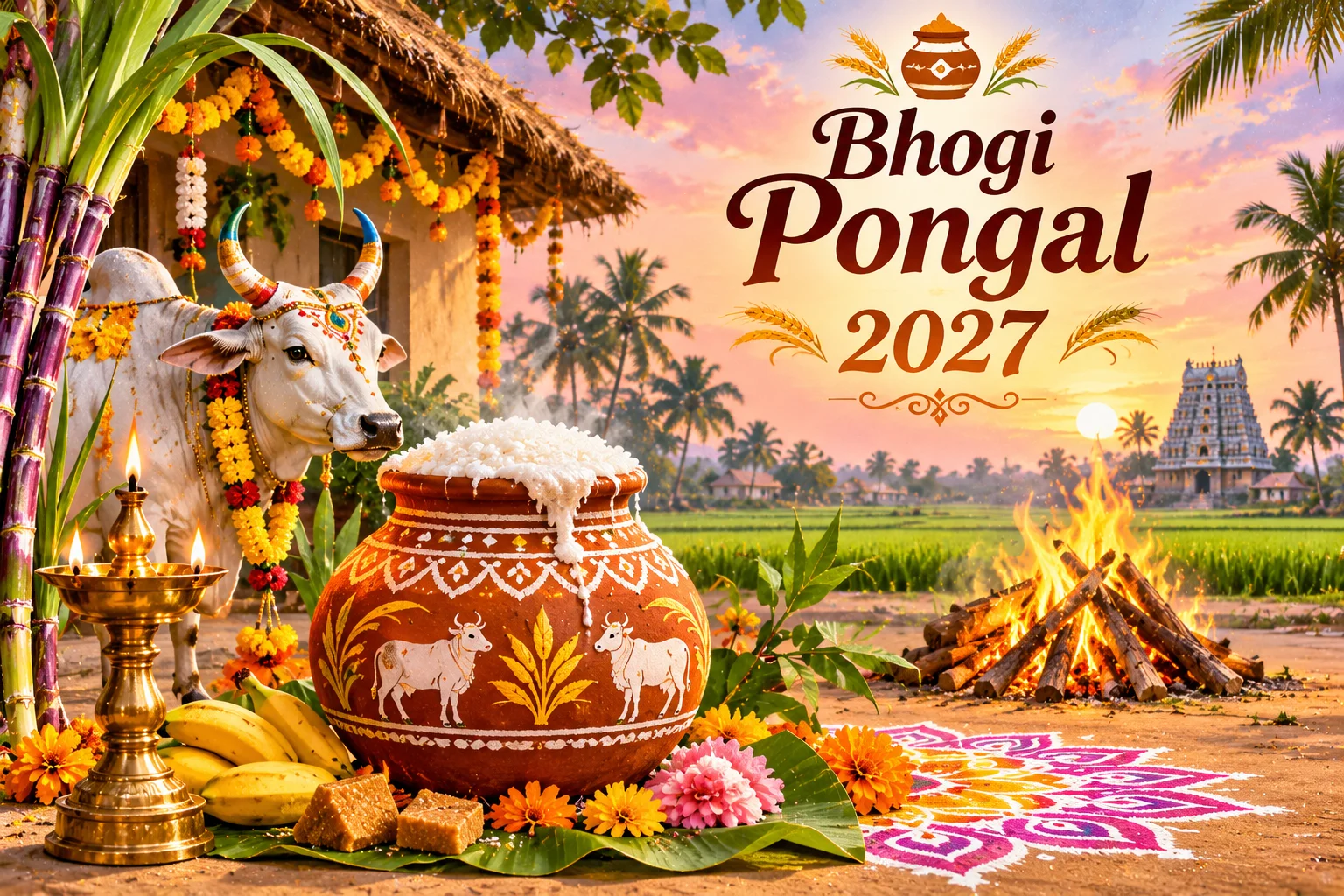
Thursday, Jan 14, 2027
Bhogi Pongal
Bhogi Pongal, also known as Bhogi Pandigai or Bhogi, is the first day of the traditional four-day Pongal harvest festival celebrated mainly in Tamil Nadu and by Tamil communities across the world. It marks the final day of the Tamil month of Margazhi and welcomes the beginning of the auspicious month of Thai. The festival represents renewal, gratitude, prosperity and the transition from the old to the new.
View Festival Guide
Thursday, Jan 14, 2027
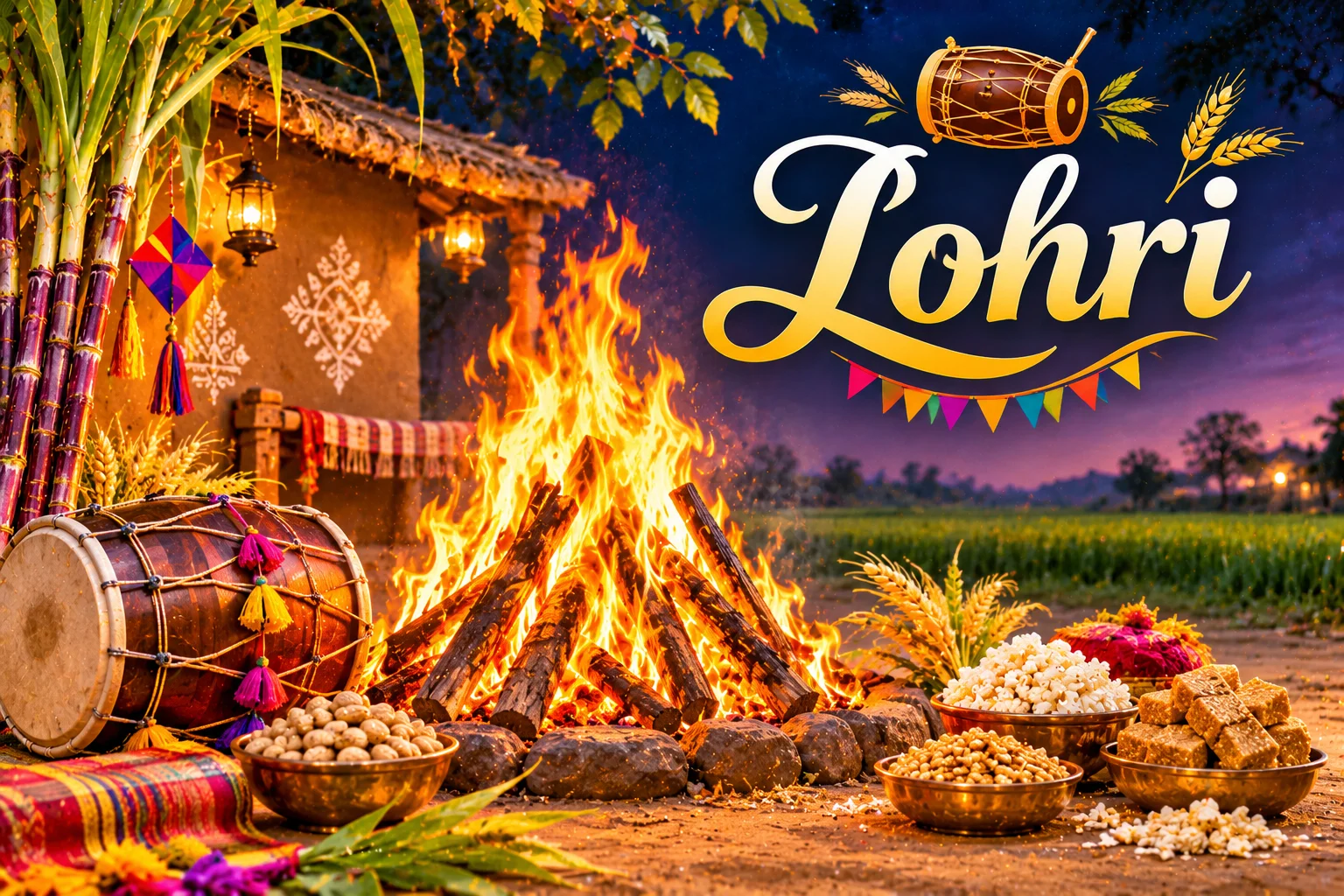
Lohri
Lohri is a popular winter folk festival celebrated with great enthusiasm in Punjab and other parts of northern India. It is especially associated with the Punjabi community and is observed by people of different religious backgrounds as a celebration of warmth, harvest, family, and community life.
View Festival Guide
Friday, Jan 15, 2027
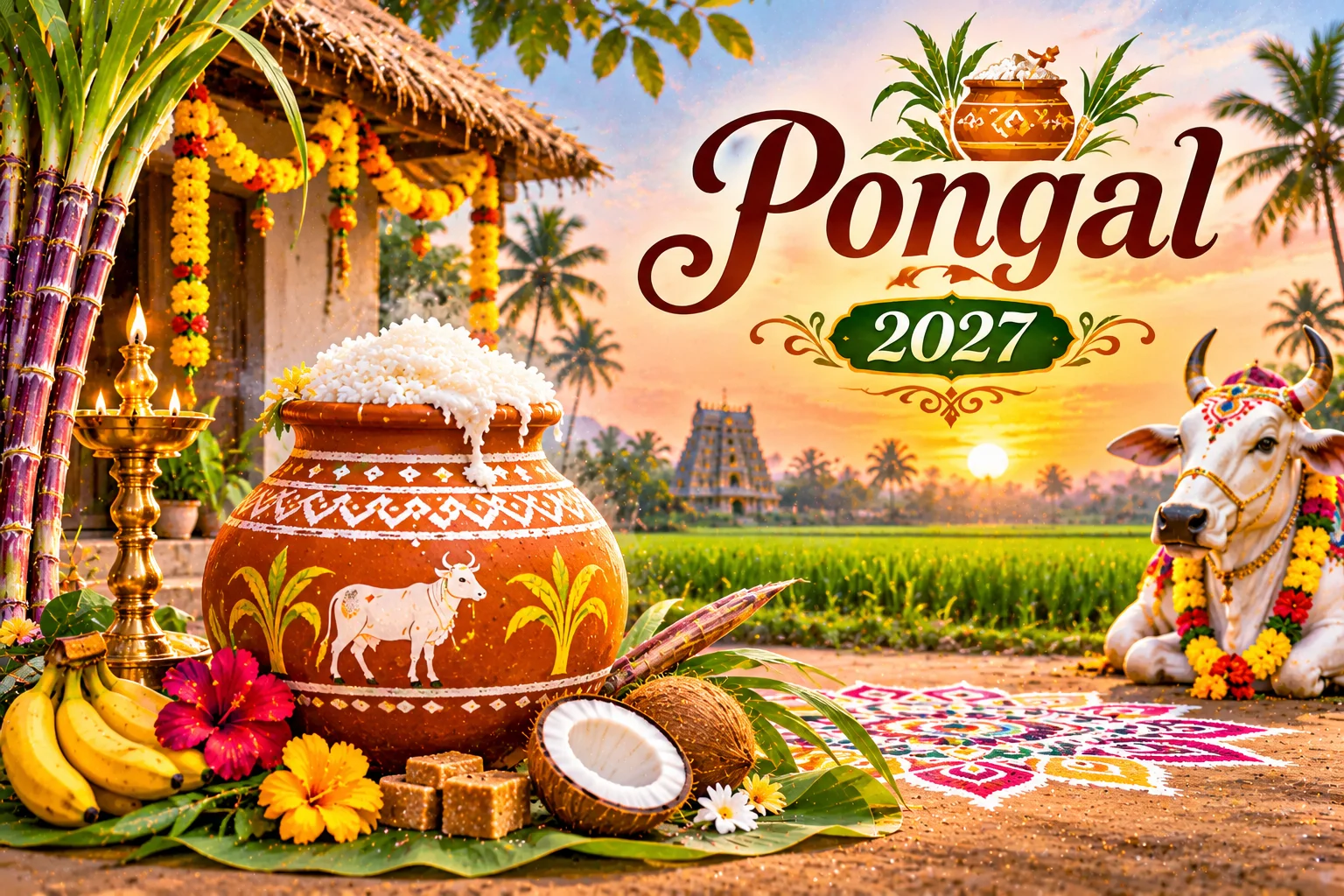
Pongal
Pongal is one of the most important traditional harvest festivals of Tamil Nadu. Celebrated with devotion and enthusiasm by Tamil communities in India and around the world, it is a festival of thanksgiving dedicated to the Sun, Mother Nature, agricultural abundance, and the cattle that support farming.
View Festival Guide
Friday, Jan 15, 2027
Makar Sankranti (Uttarayana / Pongal)
Makar Sankranti is one of the most widely celebrated Hindu festivals in India. It marks the transition of the Sun into Makara Rashi, the zodiac sign of Capricorn, according to the traditional sidereal solar calendar. The word Sankranti refers to the movement of the Sun from one zodiac sign to another, while Makara refers to Capricorn.
View Festival Guide
Saturday, Jan 16, 2027
Masik Durgashtami
Masik Durgashtami, also known as Maas Durgashtami or Monthly Durga Ashtami, is a Hindu monthly vrata dedicated to Goddess Durga. It is observed on the Ashtami Tithi, the eighth lunar day of Shukla Paksha, during every Hindu lunar month.
View Festival Guide
Saturday, Jan 16, 2027
Mattu Pongal
Mattu Pongal is the third day of the traditional four-day Pongal harvest festival celebrated primarily in Tamil Nadu. The word Mattu means cattle in Tamil, and the day is dedicated to honouring cows, bulls, oxen, and other cattle for their valuable contribution to agriculture and rural life.
View Festival Guide
Sunday, Jan 17, 2027
Kanum Pongal
Kanum Pongal, also known as Kaanum Pongal or Kannum Pongal, is the fourth and final day of the traditional four-day Tamil Pongal harvest festival. It is primarily associated with family reunions, visiting relatives, receiving blessings from elders, community gatherings, and spending time with loved ones.
View Festival Guide
Monday, Jan 18, 2027
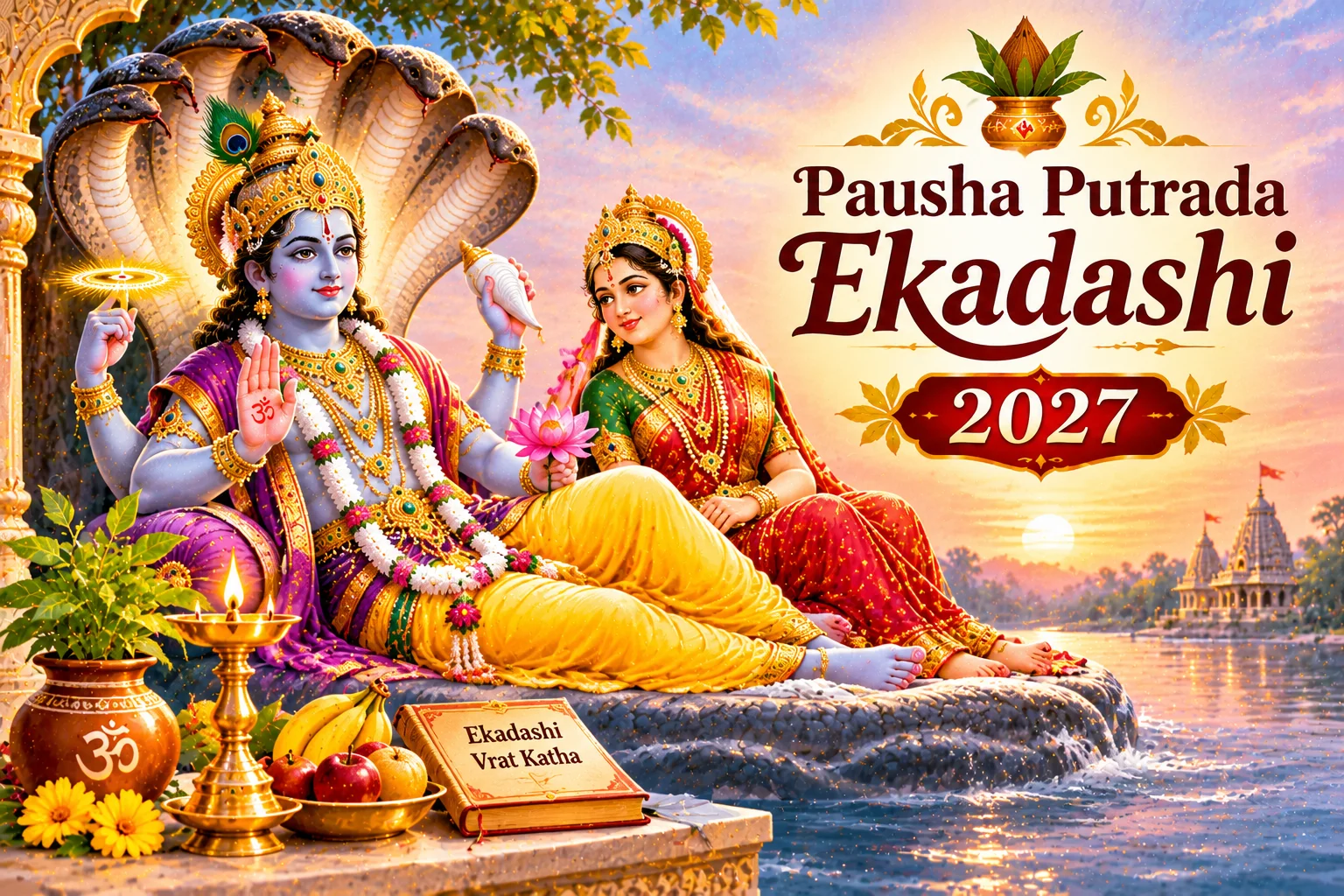
Pausha Putrada Ekadashi
Pausha Putrada Ekadashi is a sacred Hindu fasting day observed on the Ekadashi, or eleventh lunar day, of the Shukla Paksha (waxing fortnight) in the Hindu month of Pausha. It is dedicated to Lord Vishnu and is traditionally associated with prayers for children, family well-being, prosperity, and spiritual blessings.
View Festival Guide